
Organic Liquid Fertilizer from Compost: Equipment Guide
Organic liquid fertilizer from compost offers fertilizer manufacturers a practical way to recover soluble nutrients and organic compounds from mature compost. Instead of selling compost only as a solid soil amendment, producers can process part of the material into a liquid product for soil application, fertigation, or other targeted agricultural uses.
However, producing a consistent liquid fertilizer is not as simple as mixing compost with water. Raw material maturity, extraction efficiency, solid-liquid separation, filtration, and storage stability all influence the finished product. Poorly designed processing can result in excessive sediment, blocked pipes, unstable nutrient concentrations, and unnecessary operating costs.
For fertilizer plant owners, production managers, and equipment procurement teams, the key question is not simply which tank to buy. It is how to build a process that matches the compost characteristics and the required product specifications. This guide explains the production route, essential equipment, quality checks, and purchasing considerations.
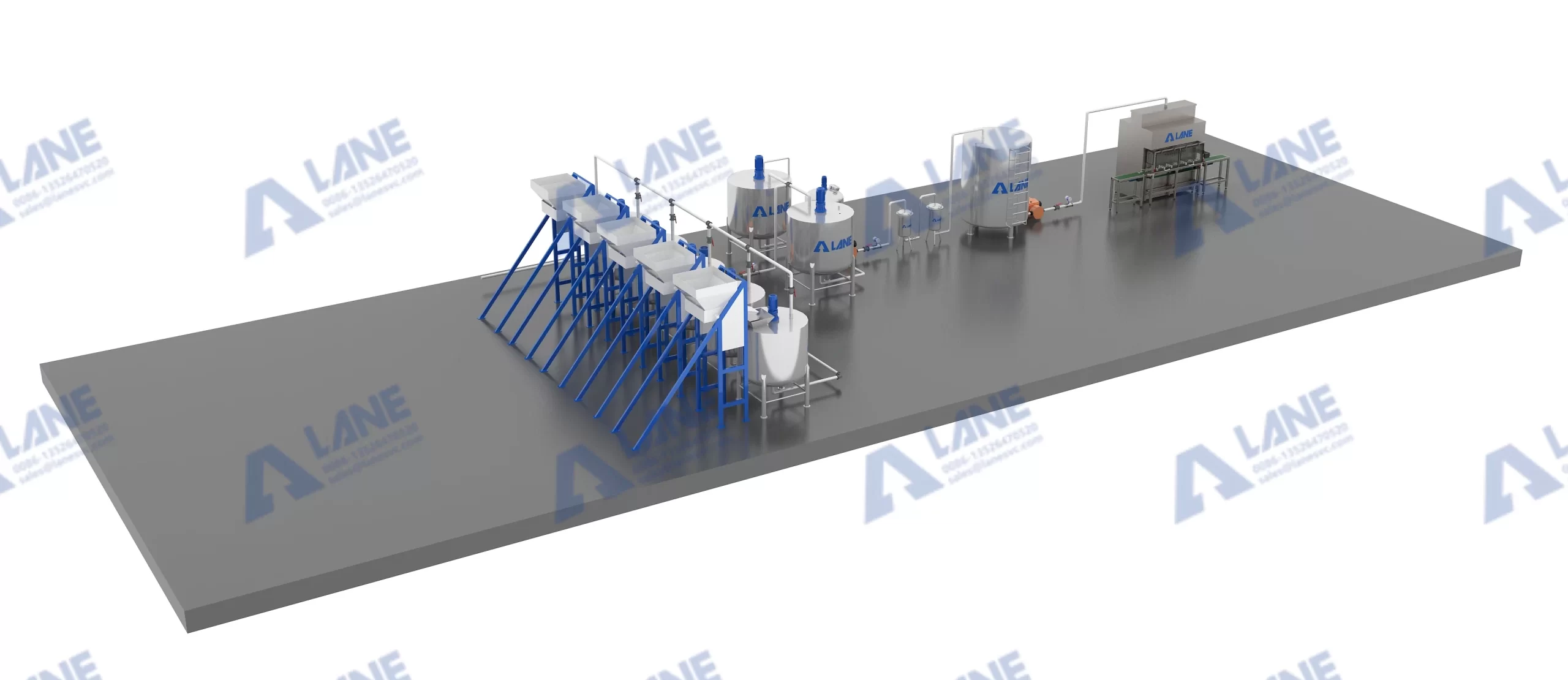
Organic liquid fertilizer from compost is produced by extracting water-soluble nutrients and organic substances from mature compost. Depending on the feedstock and extraction method, the liquid may contain nitrogen, phosphorus, potassium, secondary nutrients, micronutrients, dissolved organic matter, and humic-related substances.
Common compost feedstocks include:
The composition of the final liquid depends heavily on the original compost. Two batches made from different feedstocks should not be expected to produce identical nutrient profiles.
A practical purchasing point: Decide whether the target product is a nutrient-rich liquid extract, a humic-rich concentrate, or a suspension containing fine organic particles. These products have different separation, filtration, and storage requirements.
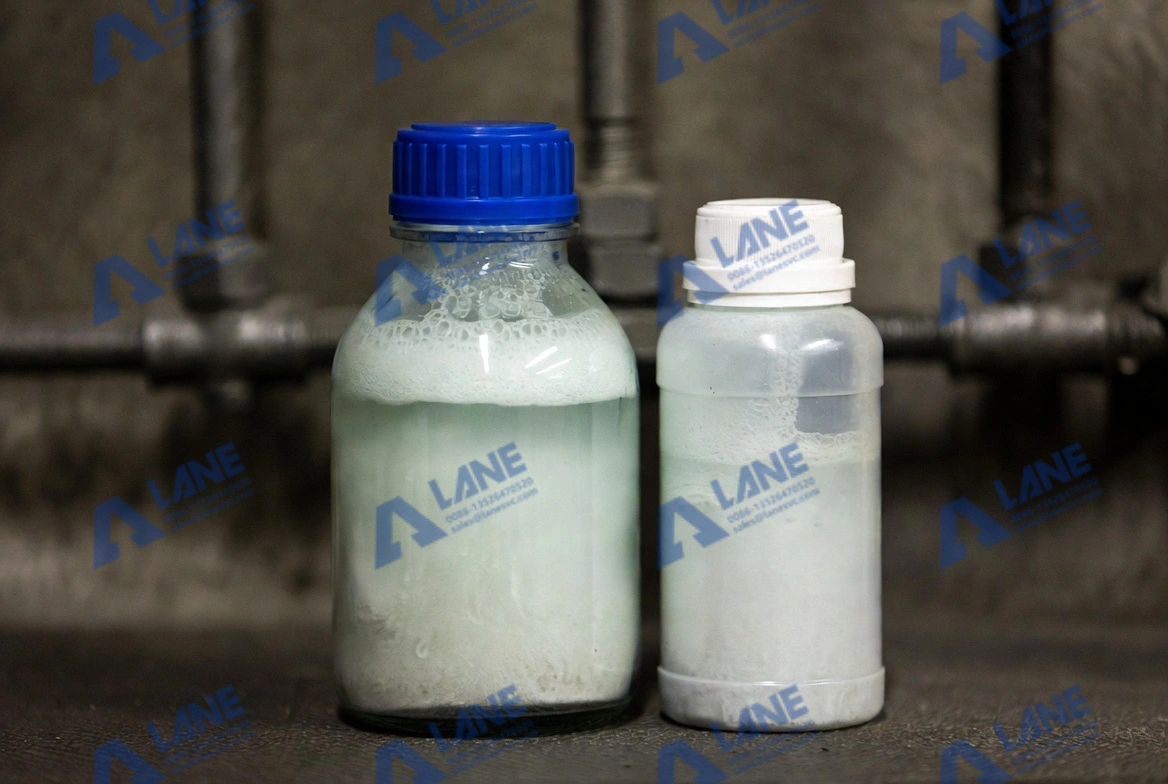
A typical production route includes compost preparation, extraction, solid-liquid separation, filtration, formulation adjustment, storage, and filling. The exact configuration depends on the feedstock and the required finished-product quality.
Use mature, properly treated compost rather than fresh, unstable organic waste. Remove stones, plastic, metal, and other foreign materials before processing. If the compost contains long fibers or coarse particles, a crushing or screening stage may be required.
Feedstock inspection should cover moisture, particle size, odor, maturity, and visible contamination. Inconsistent raw materials create inconsistent extraction results, even when the same equipment settings are used.
Transfer the prepared compost into an extraction or mixing tank and add water according to the formulation and extraction trial. An agitator keeps the material in contact with the liquid and helps release soluble components.

The water-to-compost ratio should not be copied blindly from another plant. A higher solids loading may increase the concentration of the extract, but it can also make mixing and pumping more difficult. A dilute mixture is easier to handle but may increase downstream storage and concentration costs.
Extraction may use mechanical mixing, controlled heating, or other treatment methods depending on the product target. Temperature, extraction time, pH, and solids concentration can influence the amount and type of substances transferred into the liquid phase.
A 2025 study published in Discover Agriculture examined microwave-assisted extraction from solid waste compost. It evaluated extraction temperatures of 70–90°C, extraction times of 2–8 minutes, and compost-to-water ratios of 30–50% w/v. These are experimental conditions from that particular study, not universal operating settings for commercial production.
For an industrial project, extraction conditions should be established through feedstock testing and pilot trials before equipment dimensions and heating capacity are finalized.
After extraction, the slurry must be separated into a liquid fraction and residual solids. Depending on particle size, fiber content, and the desired clarity, the plant may use screening, settling, filtration, or mechanical separation.
This is one of the most important stages in producing organic liquid fertilizer from compost. If separation is inadequate, downstream filters may clog quickly, pumps may wear faster, and the final product may develop excessive sediment during storage.
The separated liquid may pass through one or more filtration stages to remove remaining suspended particles. The required filtration level depends on the product’s intended application.
If the fertilizer is intended for fertigation, filtration and particle control deserve particular attention because fine irrigation passages can be blocked by suspended solids. The producer may then adjust nutrient concentration, pH, or other formulation properties according to the product specification.
Transfer the approved liquid into a suitable storage tank before filling. Organic liquids may change during storage because of microbial activity, temperature variation, settling, or chemical incompatibility.
Tank design should therefore consider cleaning access, corrosion resistance, agitation requirements, and the expected storage period. Filling equipment should match the target package sizes, from small containers to drums or larger bulk packaging.
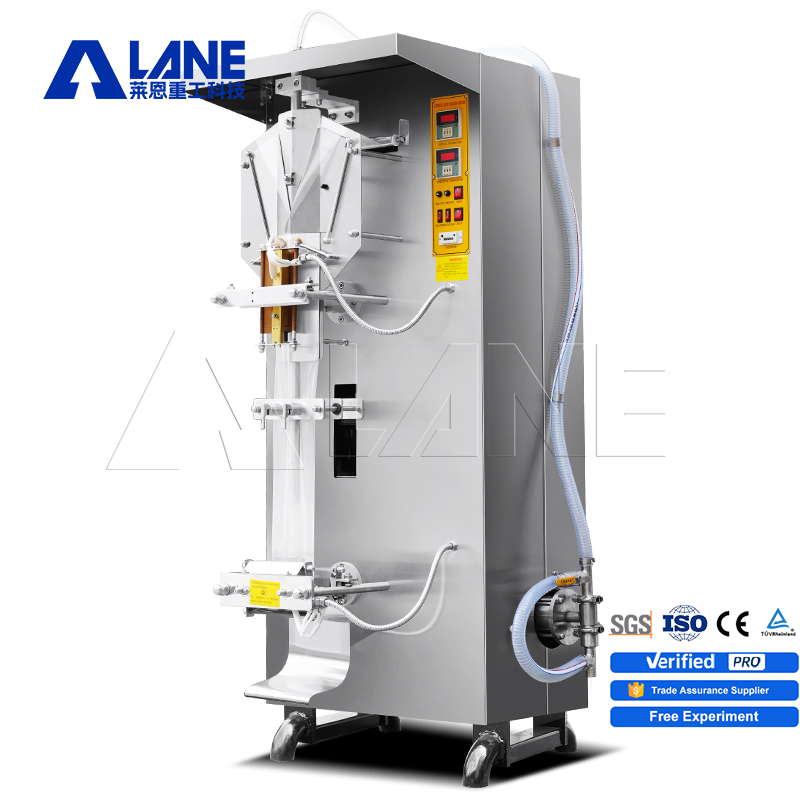
For a broader overview of liquid fertilizer processing stages, see LANE’s liquid fertilizer manufacturing process.
The equipment configuration should follow the material characteristics, not a standard shopping list. A compost extract line generally needs the following functional sections.
| Equipment | Main Function | Buyer Inspection Point |
|---|---|---|
| Crusher or screening unit | Prepares compost feedstock | Particle size and fiber handling |
| Extraction and mixing tank | Mixes compost and water | Volume and agitator design |
| Heating or reaction system | Controls extraction conditions | Temperature control and insulation |
| Solid-liquid separation unit | Separates extract from solids | Separation efficiency and maintenance |
| Filtration system | Removes remaining particles | Filtration rating and cleaning method |
| Storage and filling system | Stores and packages the product | Tank material and filling accuracy |
Important: Not every project needs every machine listed above. For example, a product designed as a fine suspension may require a different separation strategy from a clear liquid extract. The supplier should confirm the proposed equipment against an actual compost sample.
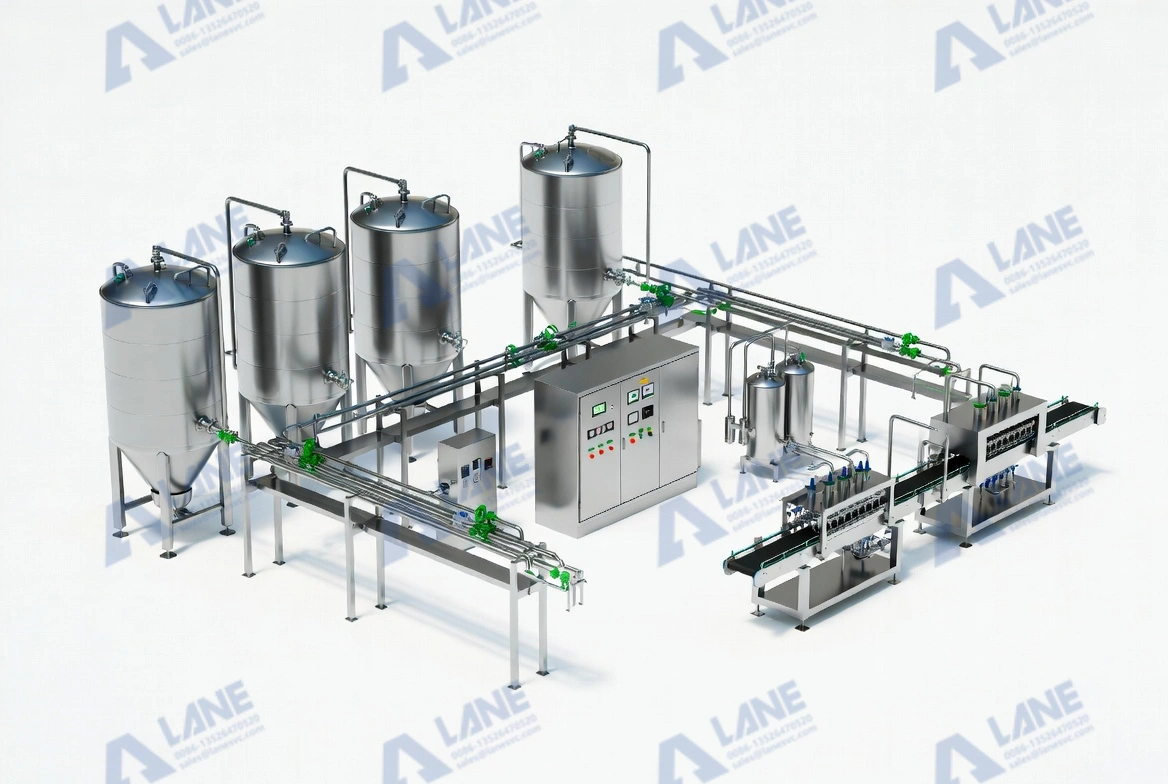
LANE’s liquid fertilizer production line includes equipment categories such as mixing tanks, reactor tanks, filters, industrial pumps, storage tanks, and filling systems. These provide a basis for configuring the liquid-processing and packaging sections. The compost-specific separation stage should be confirmed separately according to the feedstock.
A production line should be designed around measurable product requirements. Buyers should agree on a quality-control plan before ordering equipment.
| Quality Indicator | Production Concern | Inspection Method |
|---|---|---|
| pH | Formulation compatibility | Batch pH measurement |
| EC | Dissolved salt concentration | EC meter testing |
| NPK content | Nutrient consistency | Laboratory analysis |
| Suspended solids | Clogging and sediment | Solids measurement and filtration test |
| Viscosity | Pumping and filling performance | Viscosity measurement |
| Heavy metals | Product safety and compliance | Laboratory testing |
There is no single pH, EC, or nutrient concentration that suits every compost-derived liquid fertilizer. The correct acceptance limits depend on the formulation, crop application, local regulations, and customer requirements.
For buyers, the most useful supplier test is a complete sample run: provide representative compost, process it using the proposed equipment, and inspect the liquid after separation and storage. A machine that handles clean water well may behave very differently with fibrous compost slurry.
Do not select a line only by the hourly capacity printed in a quotation. Compost extraction involves several stages, and the slowest stage may determine actual output.
Start with the amount of mature compost available per day. Then estimate the water addition, extraction batch time, separation throughput, filtration time, and finished-liquid volume. Storage capacity must also match the filling schedule.
For example, a plant processing several compost batches per day may need a larger extraction tank or parallel separation equipment. A plant producing several formulations in small batches may benefit more from flexible batch tanks and easy-clean pipelines than from a high-speed continuous system.
LANE publishes liquid fertilizer production line configurations in the 1–3 T/H range. This is a reference for its liquid fertilizer line offering, not a guaranteed output for every compost-based extraction project. Actual capacity must be calculated from the feedstock, extraction ratio, separation efficiency, and product specification.
Before purchasing, ask the supplier to confirm:
The equipment purchase price is only one part of the project budget. Buyers should also calculate the cost of feedstock preparation, water, heating, electricity, cleaning, labor, filtration consumables, and waste residue handling.
Three costs are commonly underestimated.
First, separation and filtration. High fiber content can increase filter cleaning frequency and reduce effective operating time. A cheaper separation unit may therefore create higher labor and maintenance costs.
Second, storage and product stability. Organic liquids may settle, ferment, or change during storage. Additional agitation, cleaning, or preservation measures may be necessary depending on the formulation and applicable regulations.
Third, residue management. The solid fraction left after extraction still needs a defined destination. It may be suitable for further composting or another approved use, but its condition must be evaluated rather than assumed.
The best purchasing decision is based on cost per ton of saleable finished liquid, not simply the purchase price of the production line.
LANE provides liquid fertilizer production equipment and configurable production line solutions. Its published equipment range includes mixing tanks, reactor tanks, storage tanks, premix tanks, filters, pumps, and filling systems.
For a compost-based project, the most important step is to confirm how these components will work with the customer’s actual feedstock. A suitable proposal should explain the extraction route, solid-liquid separation method, filtration arrangement, tank configuration, and packaging requirements.
Explore LANE’s liquid fertilizer production line for the liquid processing section. If the project also requires upstream compost preparation, LANE’s organic fertilizer production turnkey solution provides information about composting and solid organic fertilizer processing equipment.
A useful quotation should include a process flow diagram, equipment list, material specifications, working volumes, motor power, utility requirements, and the scope of installation and commissioning. These details make supplier quotations easier to compare.
Mature compost is generally the better starting material. Fresh or unstable organic waste may produce inconsistent extracts and create odor, microbial, and storage problems.
Livestock manure compost, crop residue compost, and properly treated food waste compost can be considered. Each feedstock should be tested for maturity, contaminants, nutrient content, and extraction behavior.
Not every feedstock requires intensive crushing, but coarse particles and long fibers should be reduced or screened when they interfere with mixing and separation. The required particle size should be established through trials.
The extraction tank and solid-liquid separation system are particularly important. Filtration, pumps, and storage equipment must then be selected to match the properties of the separated liquid.
It may be suitable if its suspended solids, particle size, and formulation meet the irrigation system’s requirements. Buyers should test filtration performance and compatibility before commercial use.
The cost depends on capacity, extraction method, tank material, separation technology, automation, and packaging configuration. A meaningful quotation requires the feedstock type, target output, and finished-product specifications.
Yes, a properly designed batch system may handle multiple formulations. However, the supplier must consider cleaning procedures, cross-contamination risks, material compatibility, and the time required to change products.
Provide the compost type, daily raw material availability, target liquid output, expected nutrient profile, intended application, packaging size, and local power supply. A representative raw material sample is even more useful for equipment evaluation.
Producing organic liquid fertilizer from compost is a resource-recovery opportunity, but commercial success depends on more than extracting nutrients into water. Raw material consistency, extraction efficiency, solid-liquid separation, filtration, and storage stability must work together.
Before placing an equipment order, buyers should request a process design based on their own compost sample and define measurable acceptance criteria for the finished liquid. This is the most reliable way to avoid undersized pumps, overloaded filters, excessive sediment, and unexpected operating costs.
If you are planning an organic liquid fertilizer from compost project, LANE can help evaluate the required liquid processing equipment and production line configuration according to your raw materials and capacity requirements.
For more details, please feel free to contact us.
Henan Lane Heavy Industry Machinery Technology Co., Ltd.
Email: sales@lanesvc.com
Contact number: +86 13526470520
WhatsApp: +86 13526470520
Leave a Comment
LANE has more than 500 successful cases and is committed to providing customers with first-class solutions, high-end machinery and equipment, and one-stop pre-sales, sales and after-sales comprehensive customer service.