
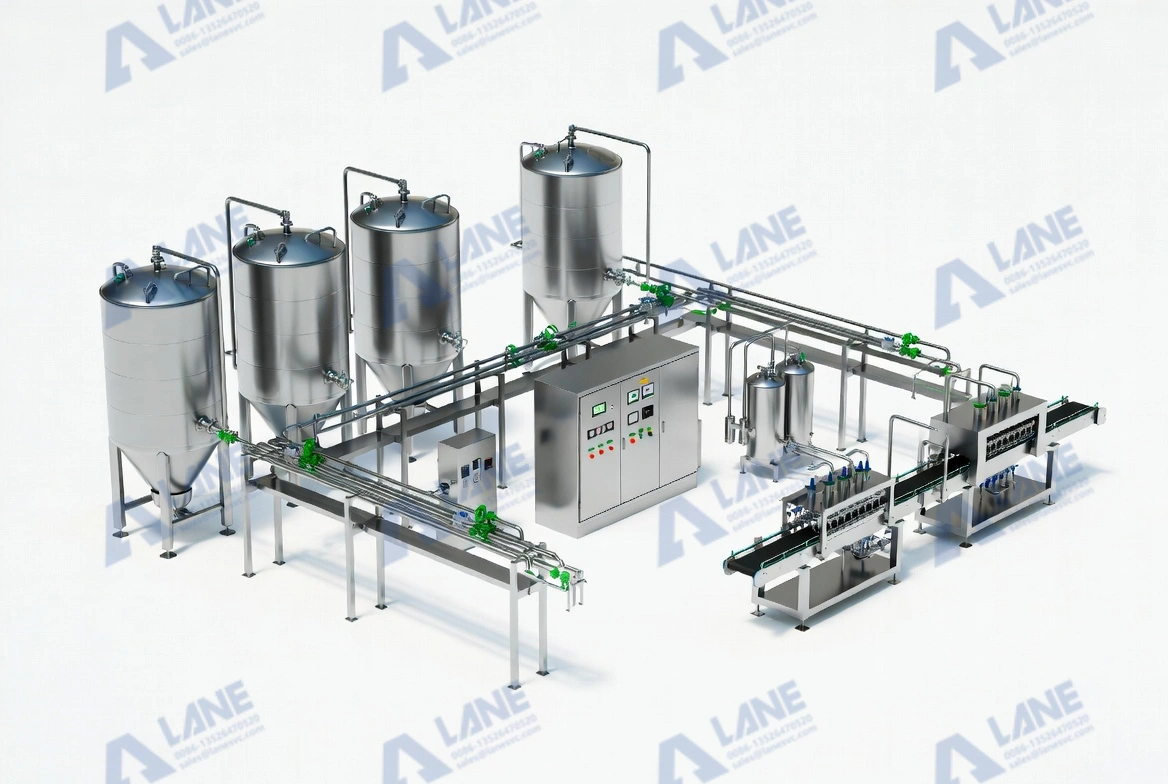
Liquid Fertilizer Manufacturing Process: A Buyer’s Guide
The liquid fertilizer manufacturing process turns raw nutrient salts into a stable, uniform solution that plants take up faster than any granule. Done well, it delivers an absorption rate above 80 percent and a product that stays clear, mixed and shelf-stable.
This guide is for farm cooperatives and plant investors deciding how to build or upgrade a liquid line—because the real risk in the liquid fertilizer manufacturing process is not the tanks but the mixing and homogenization that decide whether every batch is identical.
A liquid fertilizer is nutrients dissolved or suspended in water, built for fertigation, foliar spraying or direct root feeding. The liquid fertilizer manufacturing process starts with nitrogen, phosphorus and potassium compounds, adds trace elements such as zinc and magnesium, and can carry organic extracts like humic acid, amino acids or seaweed.
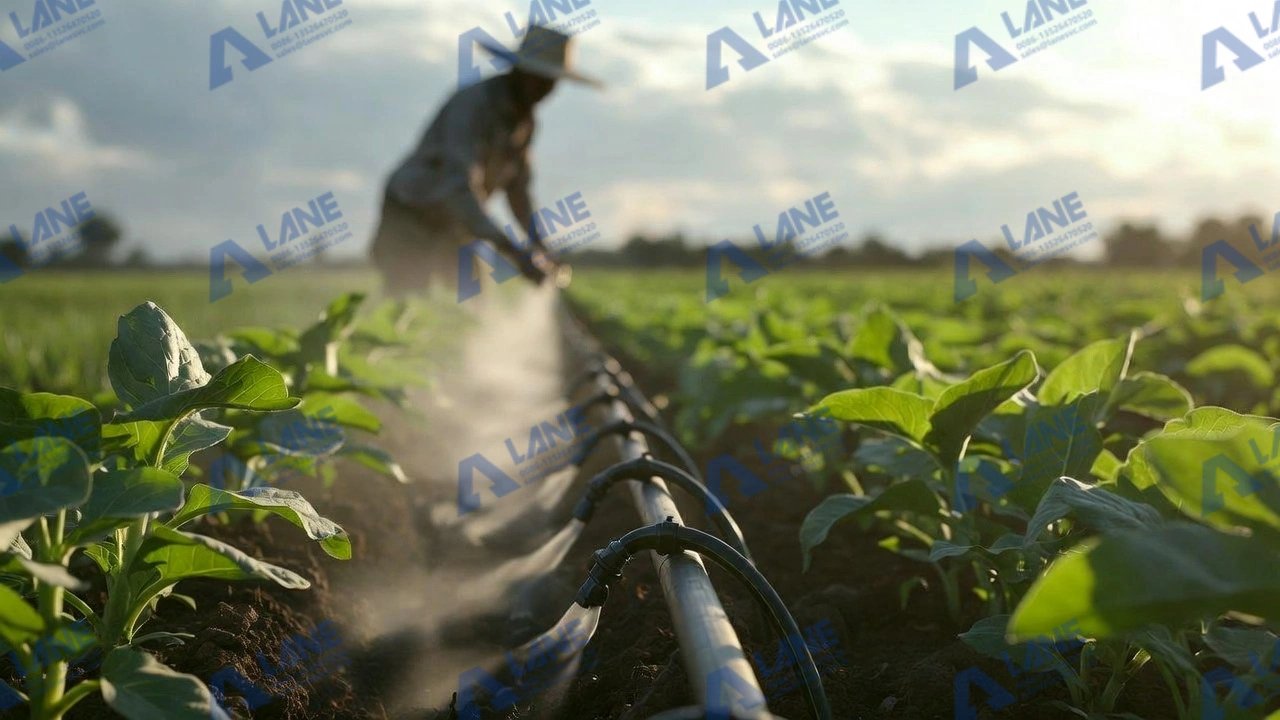
The outcome you are really buying is consistency: the same nutrient content and pH in every drum, batch after batch.
The liquid fertilizer manufacturing process runs in seven stages.
First, raw material selection, because purity decides whether the product clogs irrigation later.
Second, mixing and homogenization in a stainless mixing tank with high-speed agitation and controlled temperature.
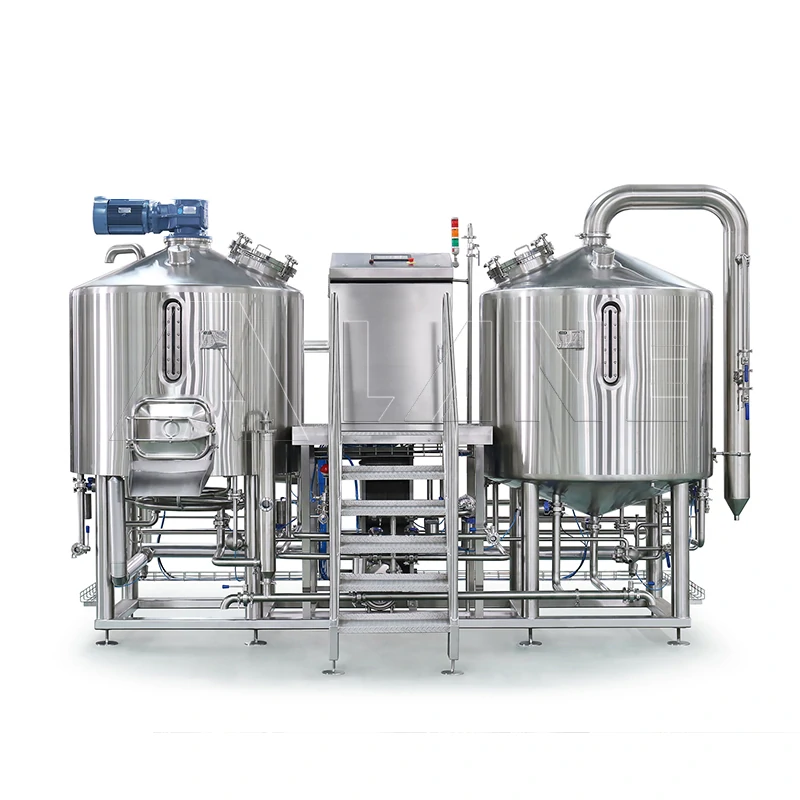
Third, heating and reaction, needed when formulations such as ammonium phosphate must be chemically activated.
Fourth, filtration and purification to remove undissolved particles.
Fifth, quality testing of concentration, pH, viscosity and microbial load.
Sixth, storage and aging to let nutrients fully react.
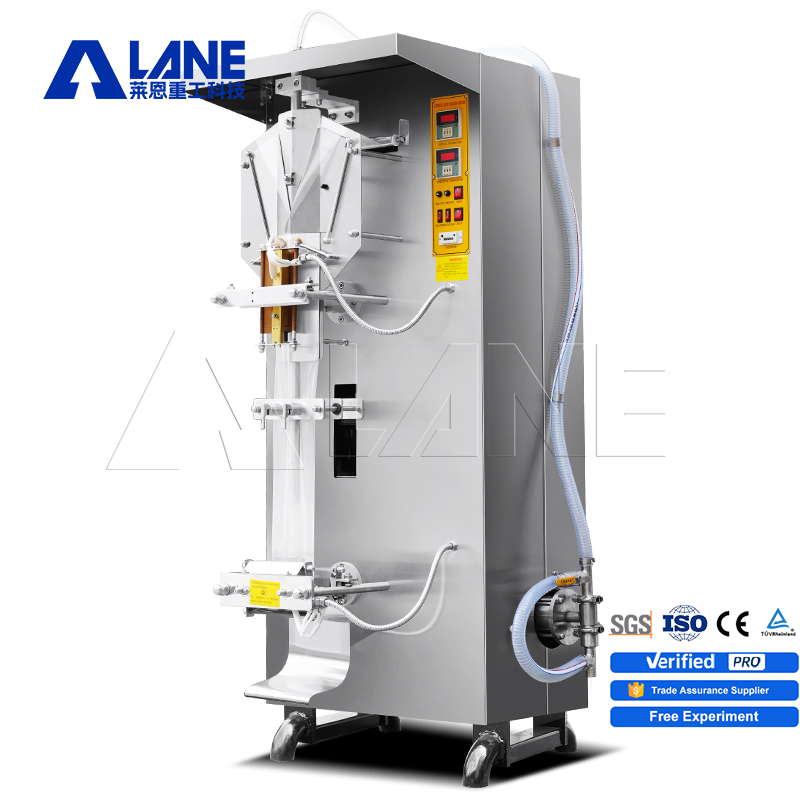
Seventh, bottling and packaging on an automatic filling line.
|
Stage |
Equipment | Why it matters |
| Mixing and dissolving | Stainless 304/316 mixing tank, high-speed agitator, heating jacket, pH and temperature sensors |
Complete dissolution and even nutrient distribution |
|
Homogenizing |
Inline homogenizer applying high shear | Prevents sedimentation and phase separation |
| Filtering | Dual filtration with mesh or activated carbon |
Protects pumps, sprayers and drip systems |
|
Storing and cooling |
Stainless storage tanks with level sensors and agitators | Holds stability and prevents nutrient degradation |
| Filling and packaging | Automatic filling machine for bottles, drums or IBC |
Precise volume, sealing and labelling |
Capacity scales from about 500 liters to 30 tonnes per hour, so the same basic design serves a small cooperative and a large producer.
PLC control panels let operators set formula ratios, mixing speed and temperature, which is what makes the liquid fertilizer manufacturing process repeatable instead of a craft.
A disciplined liquid fertilizer manufacturing process removes most of these risks before filling. Most failures are not chemical; they are mechanical. Undersized mixing tanks leave undissolved powder that settles in the bottle, poor homogenization lets organic extracts separate during storage, and cheap filtration sends particles into drip lines that then block.
The most underestimated cost is not the mixer but the storage and cooling capacity, because a batch that is not stable in the tank cannot be made stable in the field.
Capital follows the liquid fertilizer manufacturing process you choose.
Cost splits into four places. The mixing and homogenization system is the heart and the biggest single item. Storage tanks with agitation and temperature control follow close behind. Automation adds upfront cost and cuts labour and rejects for years. And the raw material dosing and weighing systems decide whether you hit specification or waste expensive nutrients.
A low quote is usually a smaller storage section or a manual line, not a bargain.
Budget working capital as well as machinery.
A liquid line locks product in storage during aging, needs first fills of raw material, and carries spare parts and training. Buyers who price only the tanks discover the real cash requirement after the line is built. Put storage, spares and commissioning into the plan from day one.
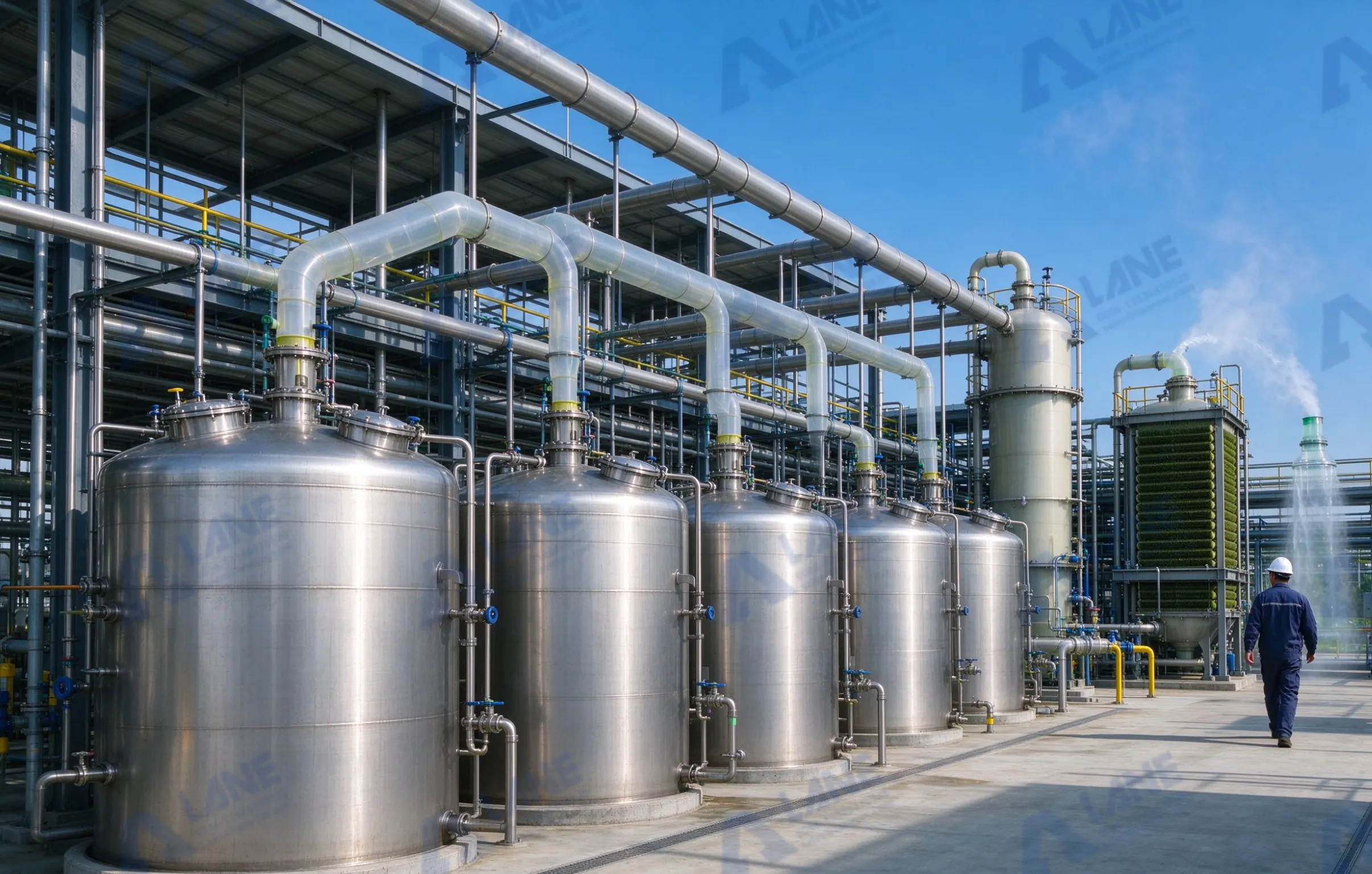
The route you take changes the liquid fertilizer manufacturing process more than the price list does.
Most blends are cold-mixed: dissolve, homogenize, filter and fill. Hot-mix and reaction routes earn their higher cost for products such as UAN, where urea and ammonium nitrate are combined in a reactor under controlled temperature and cooling, then inhibited for cold storage.
Suspension fertilizers take a third path through a high-shear mixer to hold solids in suspension. Choose the route by the product, not by what the supplier happens to sell.
Compliance runs through the liquid fertilizer manufacturing process, not around it.
Regulation is tightening, and the EU Fertilising Products Regulation plus ISO quality systems set the benchmark for labelling and traceability.
Test nutrient concentration, pH, solubility and microbial contamination before storage, and again at filling.
A line built to these standards is easier to sell into regulated markets and easier to defend in an audit, which is why LANE builds liquid lines with CE and ISO 9001 certification.
Which stage of the process is most critical?
Mixing and homogenization. The liquid fertilizer manufacturing process lives or dies on uniformity, and no later stage can fix a bad mix.
Can liquid fertilizer be stored long term?
Yes, in temperature-controlled, corrosion-resistant storage tanks with agitation; aging also improves solubility.
Does automation really matter?
It decides repeatability. PLC control of ratios, speed and temperature is what keeps every batch consistent and cuts rejects.
Are all raw materials compatible?
No. Poor formulation can trigger unwanted reactions; lab testing and precise dosing prevent incompatibilities.
How big a line do I need?
From 500 liters to 30 tonnes per hour, so size the capacity to your market rather than buying the largest drum.
For most buyers the liquid fertilizer manufacturing process is decided by three things: the mixing and homogenization quality, the storage stability, and the automation that makes every batch identical.
LANE engineers complete liquid fertilizer lines with stainless mixing tanks, inline homogenizers, dual filtration, storage and automatic filling, backed by CE and ISO 9001 certification.
Send your formula and target capacity at https://laneliquidfertilizerequipment.com/ or write to sales@lanesvc.com for a layout and quotation.
Leave a Comment
LANE has more than 500 successful cases and is committed to providing customers with first-class solutions, high-end machinery and equipment, and one-stop pre-sales, sales and after-sales comprehensive customer service.