
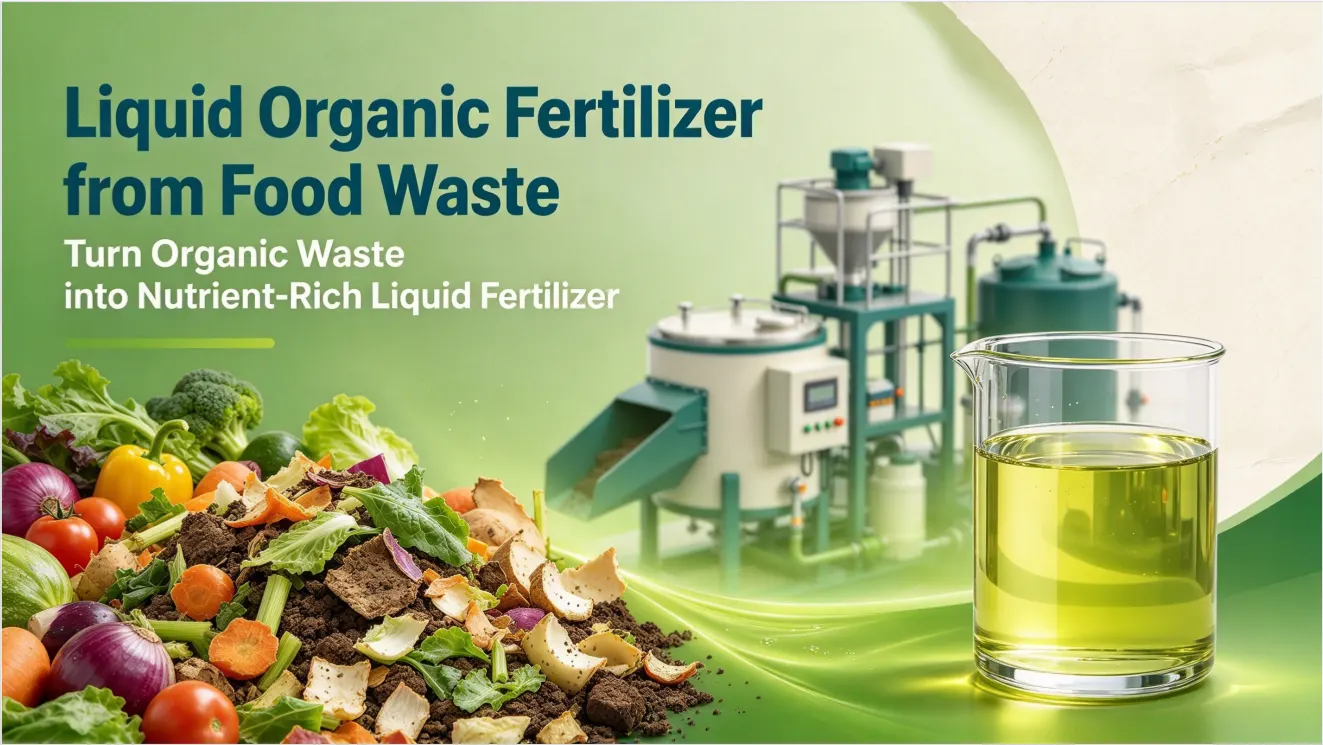
Liquid Organic Fertilizer from Food Waste: Equipment Guide
Liquid organic fertilizer from food waste gives fertilizer manufacturers an opportunity to turn discarded food materials into a marketable agricultural input. Fruit and vegetable residues, food processing waste, restaurant scraps, and other biodegradable materials can provide organic matter and recoverable nutrients when they are properly processed.
For manufacturers, however, the challenge is not simply converting waste into liquid. Food waste often contains packaging fragments, fibers, fats, oils, salts, and materials with highly variable moisture and nutrient content. Without suitable pretreatment and process control, these materials can cause pump blockages, unstable fermentation, excessive sediment, and inconsistent finished products.
A successful liquid organic fertilizer from food waste project therefore requires more than a mixing tank. Buyers need to select the right conversion route, match the separation and filtration system to the actual feedstock, and establish measurable quality standards. This guide examines the available production methods, essential equipment, capacity considerations, operating costs, and supplier evaluation criteria.
Food waste contains biodegradable organic matter and nutrients that can be recovered through biological or physical-chemical processing. Common sources include:
The composition varies considerably. Fruit processing waste may contain sugars, organic acids, and plant-based organic matter, while restaurant waste can contain more fats, oils, proteins, salt, and mixed food ingredients.
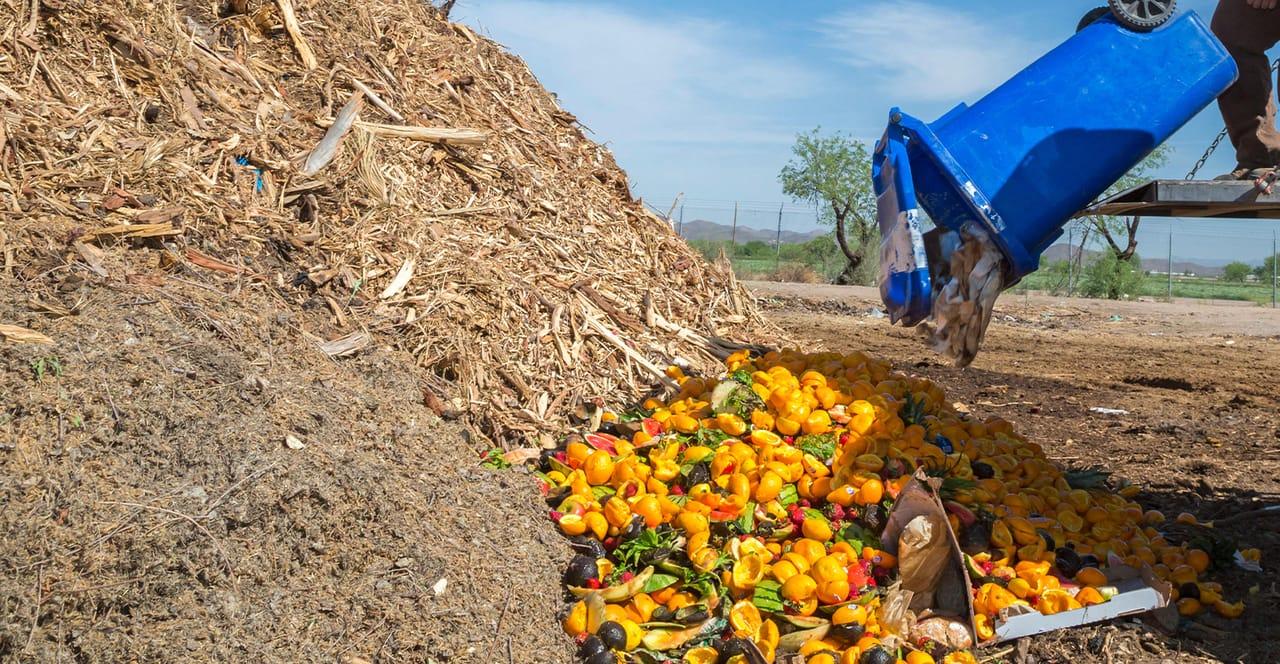
This difference matters when choosing a production process. A feedstock rich in fruit pulp may be relatively easy to crush and ferment, while mixed catering waste may require more intensive sorting, depackaging, and pretreatment.
A common purchasing mistake is treating all food waste as one standardized raw material. A supplier cannot reliably recommend a fermentation tank, pump, or filtration system without understanding the actual waste composition.
Before investing in equipment, manufacturers should evaluate:
The more consistent the incoming material, the easier it becomes to maintain stable production and finished-product quality.
There are three practical processing routes. They can produce different types of liquid fertilizer, so buyers should define the target product before selecting machinery.
Route A: Direct Fermentation of Food Waste
This route uses prepared food waste as the main organic feedstock. The material is sorted, crushed or pulped, mixed with water or other suitable ingredients, and transferred to a fermentation tank.
Microorganisms break down biodegradable organic compounds under controlled conditions. Depending on the process design, the fermented material may then undergo solid-liquid separation, filtration, and formulation adjustment.
This method is worth considering when the plant has a relatively consistent supply of fruit, vegetable, or food-processing residues.
Its main challenge is biological stability. Excessive oil, salt, unsuitable pH, or inconsistent raw materials can interfere with fermentation. The process also requires odor management and appropriate wastewater handling.
Route B: Composting Followed by Liquid Extraction
In this route, food waste is first converted into mature compost through controlled composting. Water or another suitable extraction medium is then used to recover soluble nutrients and organic compounds.
The extract is separated from the remaining solids and processed through filtration and formulation adjustment.
This approach separates waste stabilization from liquid product manufacturing. It may be suitable when a factory already operates a composting facility or wants to use both solid and liquid fertilizer products.
The disadvantage is the additional processing time and the need to manage two product streams: the compost residue and the liquid extract.
Route C: Anaerobic Digestion and Digestate Liquid Processing
Food waste can also be treated through anaerobic digestion. The process produces biogas and digestate, which contains both liquid and solid fractions.
The liquid fraction can be further processed through solid-liquid separation, filtration, concentration, or nutrient recovery to produce a fertilizer product.
This route is particularly relevant to larger waste-treatment facilities that already operate anaerobic digestion systems.
However, raw digestate should not automatically be considered finished liquid fertilizer. Its suspended solids, nutrient concentration, contaminants, and microbiological characteristics must be evaluated before agricultural use.
Which Route Should Buyers Choose?
| Processing Route | Main Feedstock | Main Advantage | Main Challenge |
|---|---|---|---|
| Direct Fermentation | Prepared food waste | Converts biodegradable residues through biological processing | Fermentation stability and odor control |
| Compost Extraction | Mature food waste compost | Uses stabilized organic material and recovers soluble components | Additional composting time and extraction residue |
| Digestate Processing | Anaerobic digestion liquid | Recovers nutrients from an existing biogas process | Variable digestate composition and separation requirements |
Selection advice: Direct fermentation is worth evaluating for plants with consistent food-processing residues. Compost extraction suits facilities with mature compost available. Digestate processing is more logical when an anaerobic digestion facility already exists.
These routes should not be combined into one generic equipment quotation. Each requires a different process design.
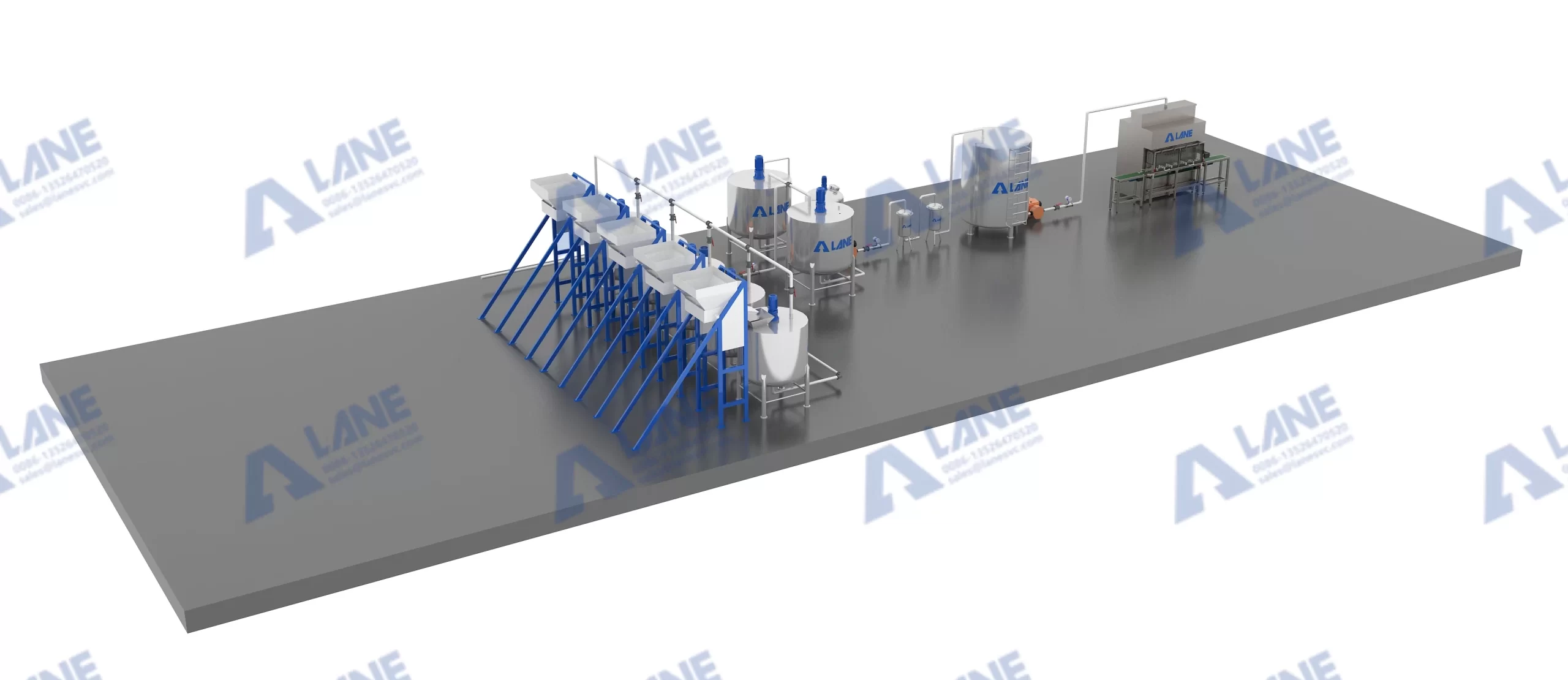
A typical production line may include raw material reception, pretreatment, fermentation or extraction, solid-liquid separation, filtration, formulation adjustment, storage, and packaging.
The exact arrangement depends on the selected route.
Step 1: Food Waste Reception and Sorting
Food waste is delivered to a receiving area where operators inspect the incoming material and remove unsuitable items.
Plastic bags, glass, metal, stones, and other foreign materials should be removed before the material enters the processing equipment.
For commercial food waste, a depackaging or screening system may be necessary. This stage should not be underestimated: foreign materials can damage pumps, block pipelines, and increase maintenance frequency.
Step 2: Crushing and Pulping
Suitable food waste is reduced to a more uniform particle size using crushing or pulping equipment.
This improves material handling and creates better contact between the organic material and the liquid phase. However, excessively fine grinding is not always beneficial. It can increase slurry viscosity and make subsequent separation more difficult.
The ideal particle size should be determined through trials using the actual feedstock.
Step 3: Mixing and Fermentation or Extraction
The prepared material enters a mixing or fermentation tank.
For direct fermentation, the tank provides a controlled environment for biological treatment. Agitation helps maintain material uniformity, while temperature and pH monitoring support process management.
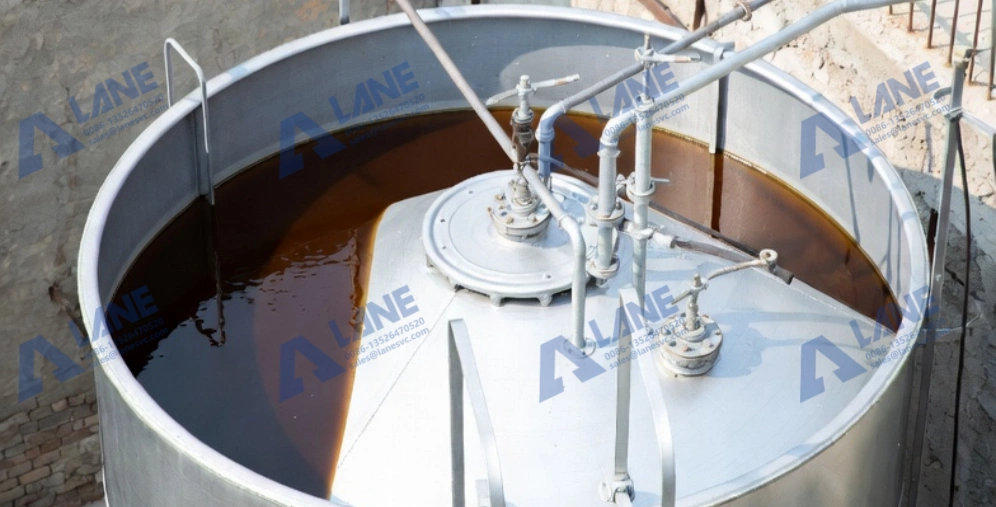
For compost extraction, the tank mixes mature compost with water or another approved extraction medium.
For digestate processing, the liquid may proceed directly to separation and downstream treatment after appropriate preliminary screening.
Step 4: Solid-Liquid Separation
After fermentation or extraction, the material may contain fibers, pulp, and other suspended particles.
A solid-liquid separation unit removes much of the coarse material before fine filtration. Depending on the feedstock, suitable options may include screening, screw extrusion dewatering, inclined dewatering equipment, or other mechanical separation systems.
This stage has a direct effect on downstream operating costs. If too much suspended material reaches the fine filters, filter cleaning frequency increases and the production line may need to stop more often.

Step 5: Filtration and Formulation Adjustment
The separated liquid passes through a suitable filtration system to remove remaining particles.
After filtration, the producer can test and adjust the formulation according to the target product specification. Depending on the intended fertilizer, this may involve pH adjustment, nutrient supplementation, dilution, or other formulation steps.
A clear liquid is not automatically a better fertilizer. Some products are designed as suspensions and intentionally retain fine particles. Filtration should therefore match the intended application rather than simply aim for maximum clarity.
Step 6: Storage and Packaging
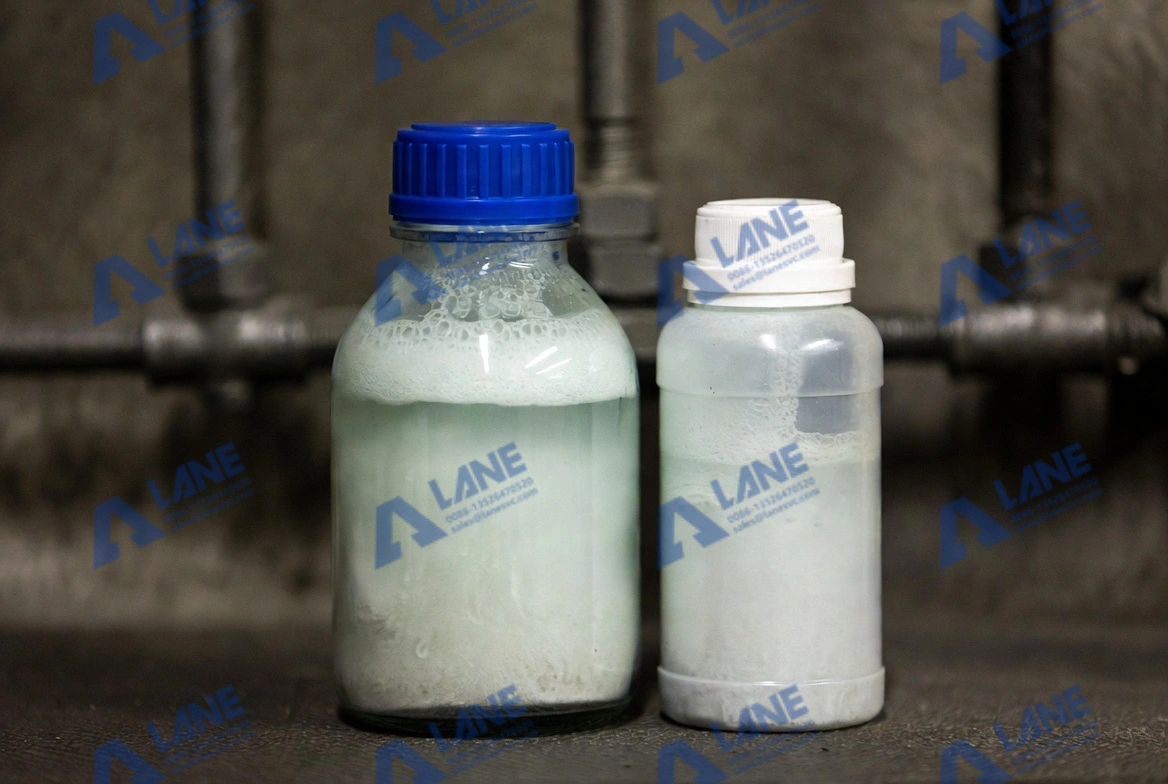
The finished liquid is transferred into storage tanks before filling.
Organic liquids may continue to change during storage due to microbial activity, temperature variation, settling, or chemical reactions. Storage tanks should therefore be designed around the product’s stability characteristics.
Depending on the formulation, agitation, temperature management, or additional treatment may be required.
For a broader explanation of liquid fertilizer processing stages, see LANE’s liquid fertilizer manufacturing process.
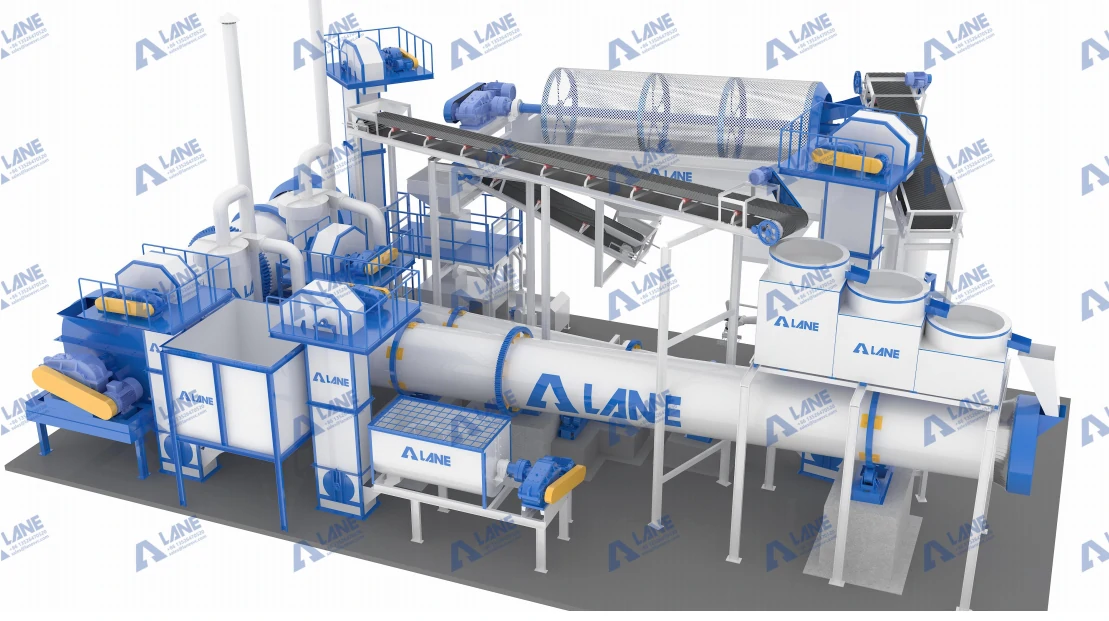
The equipment should be configured around the feedstock and production route. A plant processing fruit and vegetable residues may need a different pretreatment system from one handling mixed restaurant waste.
| Equipment | Main Function | Key Purchasing Consideration |
|---|---|---|
| Sorting and Screening Equipment | Removes packaging and foreign materials | Contamination level and material compatibility |
| Crusher or Pulper | Reduces food waste particle size | Fiber handling and cleaning requirements |
| Mixing Tank | Blends feedstock and liquid ingredients | Working volume and agitator design |
| Fermentation Tank | Supports controlled biological processing | Temperature control and cleaning access |
| Solid-Liquid Separator | Separates liquid from pulp and suspended solids | Separation performance and maintenance |
| Dual Filter | Removes remaining suspended particles | Filter rating and cleaning frequency |
| Storage Tank | Stores finished liquid fertilizer | Material compatibility and agitation |
| Filling Machine | Packages finished fertilizer | Container sizes and filling accuracy |
LANE’s liquid fertilizer equipment range includes stainless steel mixing tanks, vertical fermentation tanks, UV sterilizers, dual filters, stainless steel storage tanks, screw extrusion dehydrators, and inclined dewatering machines.
These equipment categories can form part of a food waste liquid fertilizer project. However, the complete pretreatment and separation configuration should be confirmed against the customer’s actual feedstock.
Explore the LANE liquid fertilizer equipment range and liquid fertilizer production line for further equipment information.
Food waste is a variable feedstock, so product quality cannot be controlled by equipment settings alone. A reliable plant needs raw material inspection, process monitoring, and finished-product testing.
The following indicators are useful when establishing a quality-control plan:
| Quality Indicator | Why It Matters | Suggested Inspection |
|---|---|---|
| pH | Indicates acidity or alkalinity and affects product compatibility | Batch pH measurement |
| Electrical Conductivity (EC) | Indicates dissolved ionic content | EC meter testing |
| Total Nitrogen | Measures nitrogen nutrient content | Laboratory analysis |
| Phosphorus and Potassium | Establishes the main nutrient composition | Laboratory analysis |
| Organic Carbon | Characterizes the organic fraction | Laboratory analysis |
| Suspended Solids | Affects filtration and sediment formation | Solids measurement |
| Heavy Metals | Helps assess feedstock and product safety | Accredited laboratory testing |
| Microbiological Indicators | Supports product safety and regulatory compliance | Microbiological testing |
| Storage Stability | Indicates changes or separation during storage | Stability testing |
The required limits depend on the target market, fertilizer category, and intended application.
For example, EU Regulation (EU) 2019/1009 sets requirements for certain EU fertilising product categories, including limits for contaminants and pathogens in relevant organic fertilizer categories. Manufacturers targeting the European market should review the applicable product function category and component material category rather than assume that all food waste-derived liquids qualify automatically.
A practical recommendation: Ask the equipment supplier to process a representative sample of your food waste and evaluate the liquid after separation. This is more useful than accepting a general promise that a machine can process all kinds of organic waste.
Capacity planning should begin with the quantity of food waste available, not the output figure advertised for an individual machine.
For example, a factory receiving 10 tonnes of food waste per day does not necessarily produce 10 tonnes of finished liquid fertilizer. The final output depends on the moisture content, added water, extraction or fermentation method, separated solid fraction, and any concentration stage.
Buyers should distinguish between three capacity figures:
These figures should never be treated as interchangeable.
LANE’s published liquid fertilizer production line page shows project references including a 3 TPH organic liquid fertilizer line in South Africa and a 5 TPH bio-liquid fertilizer project in the USA. These are project references, not guaranteed capacities for every food waste feedstock.
For a new project, ask the supplier to provide a process flow diagram and a mass balance showing expected input, water addition, separated solids, liquid output, and finished product volume.
The equipment quotation is only one part of the investment. Food waste processing also involves operating costs that can affect profitability over the entire production period.
Feedstock pretreatment
Mixed food waste may require sorting, depackaging, crushing, and screening before fermentation. These stages add labor, power consumption, and maintenance requirements.
Water and energy consumption
Fermentation, extraction, heating, pumping, and cleaning all consume utilities. If the production process requires concentration, evaporation or other treatment may add substantial energy demand.
Filter maintenance and residue handling
High suspended solids can shorten filter service intervals. The separated pulp and other residues also need an appropriate disposal or recovery route.
Odor and wastewater management
Food waste processing can generate odors and wastewater, especially during raw material storage and fermentation. Ventilation, drainage, cleaning, and wastewater treatment should be considered during factory layout design.
Product stability and packaging
A product that separates, develops excessive sediment, or changes during storage may lead to customer complaints and rejected batches. Stability testing and suitable storage arrangements should therefore be included in the project budget.
The best investment comparison is based on the cost per tonne or liter of saleable fertilizer, not simply the initial machine price.
A supplier should be able to explain how the equipment works as a complete process, not merely provide a list of tanks and pumps.
When evaluating a quotation, ask for:
LANE provides liquid fertilizer equipment and configurable production line solutions. Its published equipment range covers mixing, fermentation, filtration, storage, and related processing equipment.
For a food waste project, the key is to confirm the pretreatment and separation arrangement before finalizing the production line. LANE’s liquid fertilizer production line can serve as a starting point for discussing the downstream liquid processing and packaging system.
1. What types of food waste can be used to produce liquid organic fertilizer?
Fruit peels, vegetable residues, food processing by-products, and suitable separately collected food waste can be considered. The material must be inspected for contamination, salt, oil, and other substances that may affect processing.
2. Can mixed restaurant food waste be used directly?
Not without suitable pretreatment. Packaging, bones, plastics, glass, and other foreign materials should be removed, while excessive fats and salts may require additional process controls.
3. Is fermentation necessary for producing liquid organic fertilizer from food waste?
No, it depends on the selected production route. Direct fermentation uses biological treatment, while compost extraction and digestate processing follow different process arrangements.
4. Which machines are essential for a food waste liquid fertilizer production line?
Most projects need suitable pretreatment, mixing or fermentation equipment, solid-liquid separation, filtration, storage, and filling systems. The exact configuration depends on the feedstock and target product.
5. Can the finished fertilizer be used in drip irrigation?
It may be suitable if its particle content, filtration performance, nutrient concentration, and chemical compatibility meet the irrigation system’s requirements. A filtration and application test should be completed before commercial use.
6. How much does a food waste liquid fertilizer production line cost?
The price depends on daily feedstock capacity, pretreatment requirements, fermentation method, separation equipment, automation, tank materials, and packaging configuration. A reliable quotation requires basic feedstock and product information.
7. How long does food waste fermentation take?
There is no universal fermentation time. It depends on feedstock composition, microbial activity, temperature, pH, moisture, and the selected process. The production schedule should be established through trials rather than assumed from a standard equipment brochure.
8. Can one production line process different food waste materials?
Yes, if the line is designed with sufficient flexibility. However, different feedstocks may require separate pretreatment settings, formulation adjustments, and cleaning procedures to prevent cross-contamination and unstable product quality.
Liquid organic fertilizer from food waste can create additional value from biodegradable residues, but a commercially successful plant depends on selecting the correct processing route and controlling the entire material flow.
Before purchasing equipment, manufacturers should confirm the food waste composition, decide between direct fermentation, compost extraction, and digestate processing, and establish measurable requirements for separation efficiency, nutrient content, filtration, and storage stability.
The most important purchasing decision is to make sure that pretreatment, fermentation or extraction, separation, and downstream liquid processing are designed as one coordinated system.
If you are planning a liquid organic fertilizer from food waste project, LANE can help evaluate the required equipment configuration according to your feedstock, production capacity, and finished-product requirements.
For more details, please feel free to contact us.
Henan Lane Heavy Industry Machinery Technology Co., Ltd.
Email: sales@lanesvc.com
Contact number: +86 13526470520
WhatsApp: +86 13526470520
Leave a Comment
LANE has more than 500 successful cases and is committed to providing customers with first-class solutions, high-end machinery and equipment, and one-stop pre-sales, sales and after-sales comprehensive customer service.