
Liquid Fertilizer Production Line Cost: A Buyer’s Guide
The liquid fertilizer production line cost depends on production capacity, formulation, process configuration, automation, tank volume, filling requirements, and installation scope. A small blending plant using soluble fertilizer salts is fundamentally different from a liquid organic fertilizer plant handling manure, digestate, or other solid-containing feedstocks.
For buyers, the biggest mistake is comparing quotations by total price without checking what each supplier is actually delivering. One quotation may cover mixing tanks and a semi-automatic filler, while another includes raw material dosing, reaction vessels, filtration, finished-product storage, PLC controls, and packaging equipment.
A lower equipment quotation does not necessarily mean a lower project investment. Missing pumps, insufficient storage, incompatible materials, undersized filtration, or excluded installation work can become additional costs after the order is placed.
This guide explains how to evaluate liquid fertilizer production line cost, identify the major cost drivers, and compare equipment suppliers using the same technical scope.
There is no universal price for a complete liquid fertilizer production line. A reasonable preliminary budget should be based on the equipment scope and intended production rate, rather than a single advertised price.
For initial planning, LANE’s published low-cost line guidance gives a reference range of approximately US$20,000–US$50,000 for very small-scale, semi-manual core equipment. This is not a complete factory investment figure and should not be treated as including land, buildings, utilities, installation, raw materials, or every auxiliary system.
The investment can rise considerably when a project requires automated dosing, multiple processing tanks, heating and cooling, higher filtration capacity, finished-product storage, or automatic filling and labeling.
Buyers should separate three budgets:
A quotation that only covers the first category is not the total cost of establishing a working fertilizer factory.
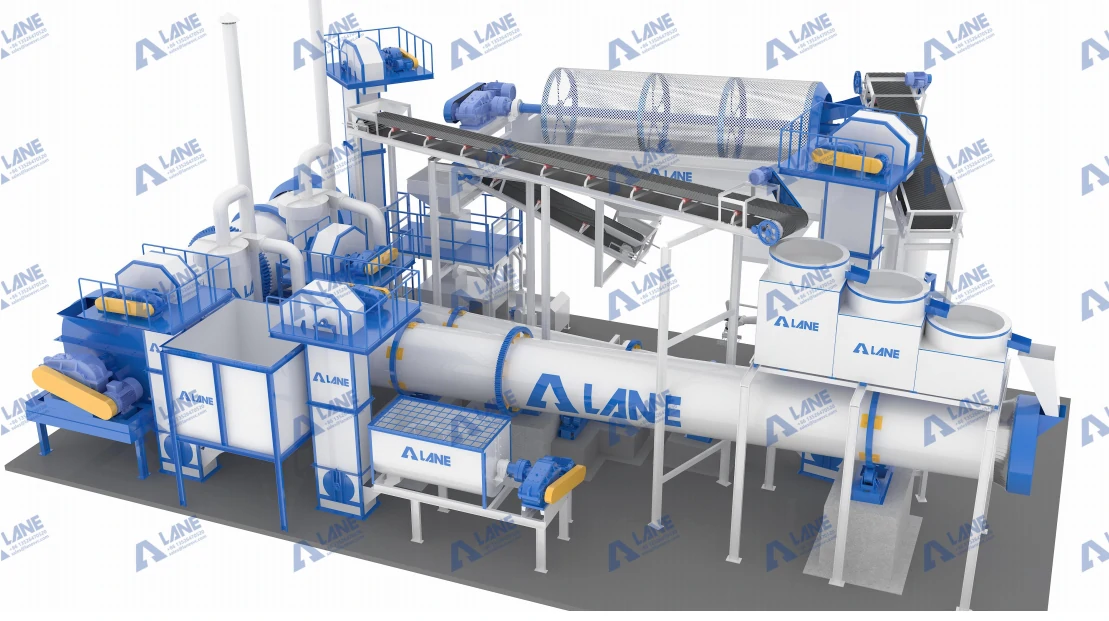
The cost of the line is driven by the actual process. A soluble NPK blending plant may require dissolution tanks, metering, circulation pumps, filtration, and filling. An organic liquid fertilizer project may require raw material pretreatment, fermentation, solid-liquid separation, more robust transfer pumps, and additional filtration.
| Equipment section | Main function | Cost factors |
|---|---|---|
| Raw material preparation | Crushing, feeding, slurry preparation | Feed condition, solids content, crusher type, conveying |
| Mixing and dissolution | Dissolve nutrients and blend ingredients | Tank volume, agitator, motor, speed control |
| Reaction or fermentation | Reaction, hydrolysis or biological processing | Vessel volume, heating, cooling, aeration, sealing |
| Filtration and separation | Remove insoluble particles and protect downstream equipment | Flow rate, filter grade, solids loading, cleaning method |
| Storage system | Hold raw materials, intermediate and finished liquids | Tank count, material grade, capacity, agitation |
| Filling and packaging | Fill bottles, drums, jerry cans or IBC containers | Filling heads, accuracy, automation, conveyors, capping |
| Electrical and automation | Coordinate process control and operator functions | PLC, sensors, recipe control, wiring and integration |
For a complete equipment scope, see the liquid fertilizer production line and compare the required machinery with your process flow before requesting a quotation.
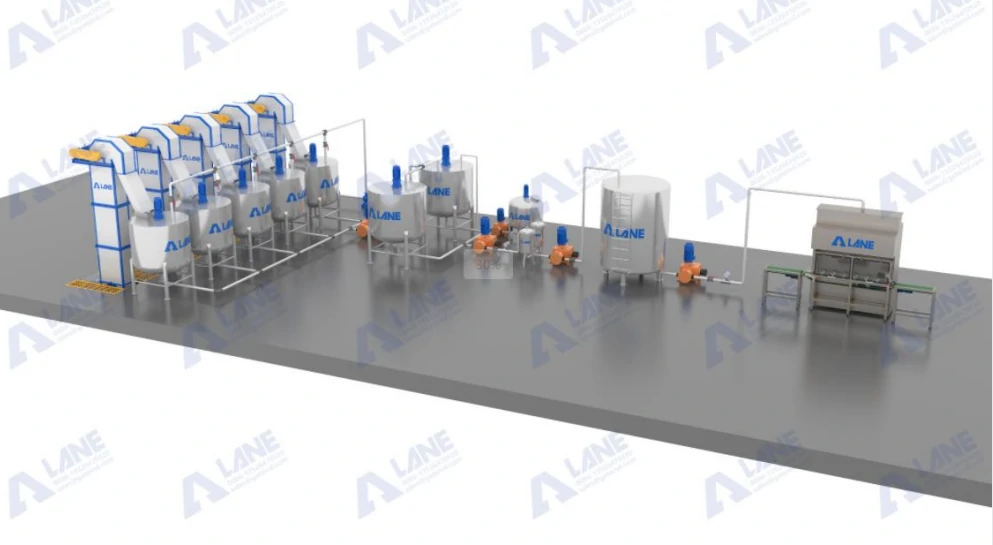
Yes. A fully automatic system generally requires a higher initial investment because it adds control hardware, dosing instrumentation, automatic valves, conveying equipment, filling heads, capping and labeling functions.
However, automation should be purchased according to production demand, not as a status upgrade.
| Configuration | Typical scope | Buyer’s consideration |
|---|---|---|
| Basic semi-manual | Mixing tank, manual ingredient addition, transfer pump, simple filtration and semi-automatic filling | Lower initial investment; more operator involvement |
| Semi-automatic with dosing | Mixing vessels, metering pumps or weighing, filtration, controlled filling | Better batch repeatability without full line automation |
| Fully automatic | Automated dosing, process control, transfer, filling, capping, labeling and coding | Higher investment; reduces manual handling and improves repeatability |
If the plant produces only a few batches per day and changes formulas frequently, semi-automatic dosing may be a practical starting point. If the business handles large daily volumes, repetitive formulas, and strict packaging schedules, automatic batching and filling may justify the additional capital.
The important calculation is labour cost per finished tonne, batch rejection rate, and sustained output—not simply how many automatic functions are installed.
Capacity affects tank volume, pump sizing, filter area, storage inventory, and packaging speed. But production capacity should be calculated from the complete cycle, not from the mixing tank alone.
For batch production, the cycle includes:
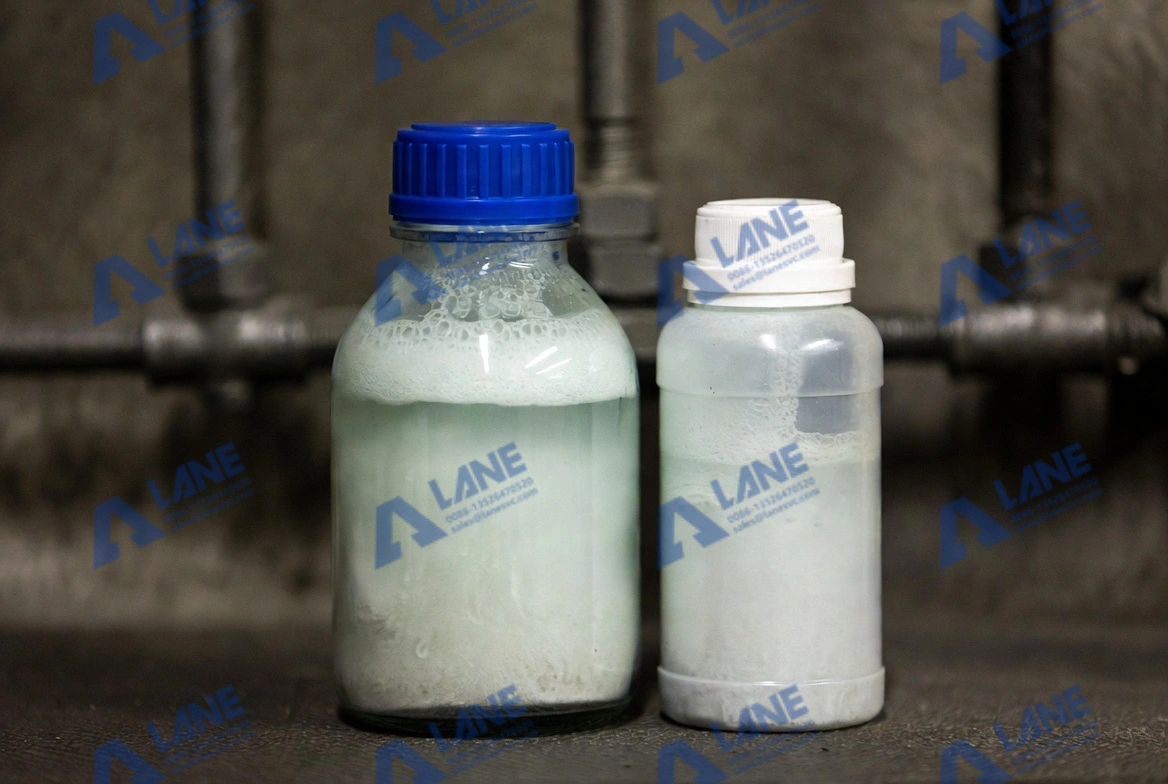
A clear soluble liquid fertilizer may need relatively simple mixing and filtration. A suspension fertilizer can require high-shear mixing, recirculation, and agitation during storage to limit sedimentation. Organic liquid fertilizer made from manure, digestate, or other biomass may require dewatering, fermentation, and more demanding solids handling.
That is why liquid fertilizer production line cost should not be compared across projects using tonnes per hour alone. Two lines with the same nominal output may have very different equipment requirements.
The equipment quotation may not include the entire plant installation. Buyers should request a written scope boundary covering the following items.
Utilities and infrastructure
Installation and commissioning
Logistics and import costs
Operating capital
UNIDO’s fertilizer project cost study distinguishes process equipment investment from civil works, erection, auxiliary facilities, services, spare parts and other plant-boundary costs. This is a useful reminder that a machinery price and a total installed project budget are different financial figures.
The fastest way to create a misleading comparison is to request a quotation from each supplier using a different capacity, packaging format, or automation scope.
Use the same technical brief for every supplier. It should include:
Request a price breakdown by equipment section. If one quotation includes a dosing skid, two storage tanks, PLC control and a filling system while another excludes them, the total prices cannot be compared directly.
LANE’s liquid fertilizer factory design guide is useful for understanding process scope, layout, utilities, storage and plant integration before finalizing your budget.
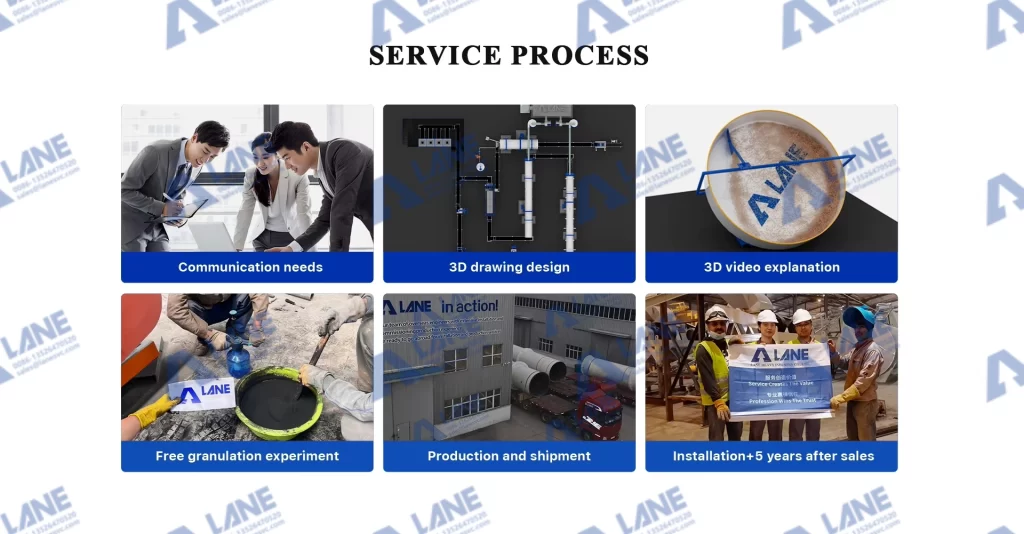
A custom line is worth considering when the product formulation, raw materials, batch cycle, storage requirement, or packaging format differs from a standard blending setup.
Custom engineering can prevent buyers from paying for equipment they do not need while avoiding undersized pumps, tanks, or filters. The supplier should be able to explain why each machine is included and how it affects the production bottleneck.
For example, a plant making clear soluble NPK may not need a fermentation tank or heavy-duty solid-liquid separator. A liquid organic fertilizer plant processing manure slurry may need both, along with feedstock pretreatment and a buffer tank.
The liquid fertilizer tank equipment should also be evaluated by working volume, wetted material, agitator duty, discharge arrangement and cleaning requirements. Storage is not a passive part of the project: undersized tanks can force the production line to stop while packaging or quality testing catches up.
A very small semi-manual core equipment setup may start around US$20,000–US$50,000 according to LANE’s published low-cost line guidance. The final quotation depends on equipment scope and does not automatically include buildings, utilities, installation, freight or working capital.
Generally, yes, but the cost does not increase in a simple one-to-one ratio. Larger tanks, pumps, filtration and storage are required, but automation and the selected process route can change the budget substantially.
It can be, particularly when organic feedstock requires fermentation, dewatering, solid-liquid separation and additional filtration. The actual difference depends on feedstock condition, process route, batch cycle and final product specification.
Yes, if the process layout and interfaces are planned for future expansion. You may begin with semi-automatic batching and filling, but reserve space, pipe connections, electrical capacity, and tank positions for additional equipment.
Send the target output, formulation or raw material list, batch size, packaging specification, local utilities and automation requirements. The more complete the process information, the less likely the quotation will contain assumptions, missing equipment or unexpected additions after the order.
Before committing capital, check these three items:
A realistic liquid fertilizer production line cost starts with a process specification and a defined supply boundary. Once these are clear, equipment suppliers can prepare a quotation that is technically comparable and financially useful.
For more details, please feel free to contact us.
Henan Lane Heavy Industry Machinery Technology Co., Ltd.
Email: sales@lanesvc.com
Contact number: +86 13526470520
WhatsApp: +86 13526470520
LANE Liquid Fertilizer Equipment | Fertilizer Industry Leader | LANE Machinery
Leave a Comment
LANE has more than 500 successful cases and is committed to providing customers with first-class solutions, high-end machinery and equipment, and one-stop pre-sales, sales and after-sales comprehensive customer service.