
What Is Liquid Fertilizer: A Buyer’s Guide to the Basics
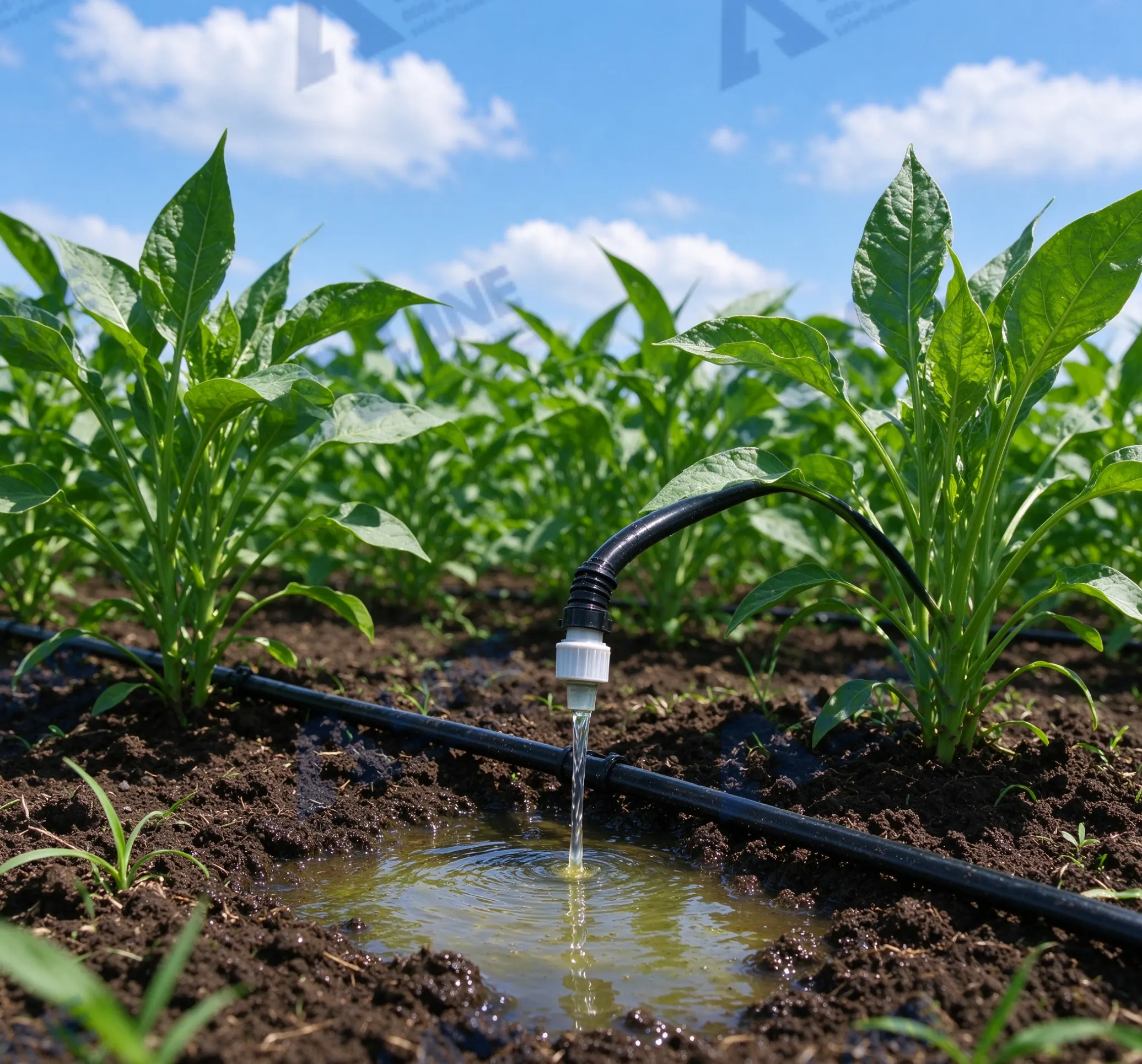
What is liquid fertilizer, put simply? It is plant nutrients dissolved or suspended in water, ready to be delivered straight to the root zone. The core advantage is speed and evenness: uptake can exceed 80 percent, which is why fertigation and high-value crops lean liquid.
This guide is for farm buyers and plant investors deciding whether this form is the right fit for their crop program or their next production line—because the form you choose locks in years of equipment and handling costs.
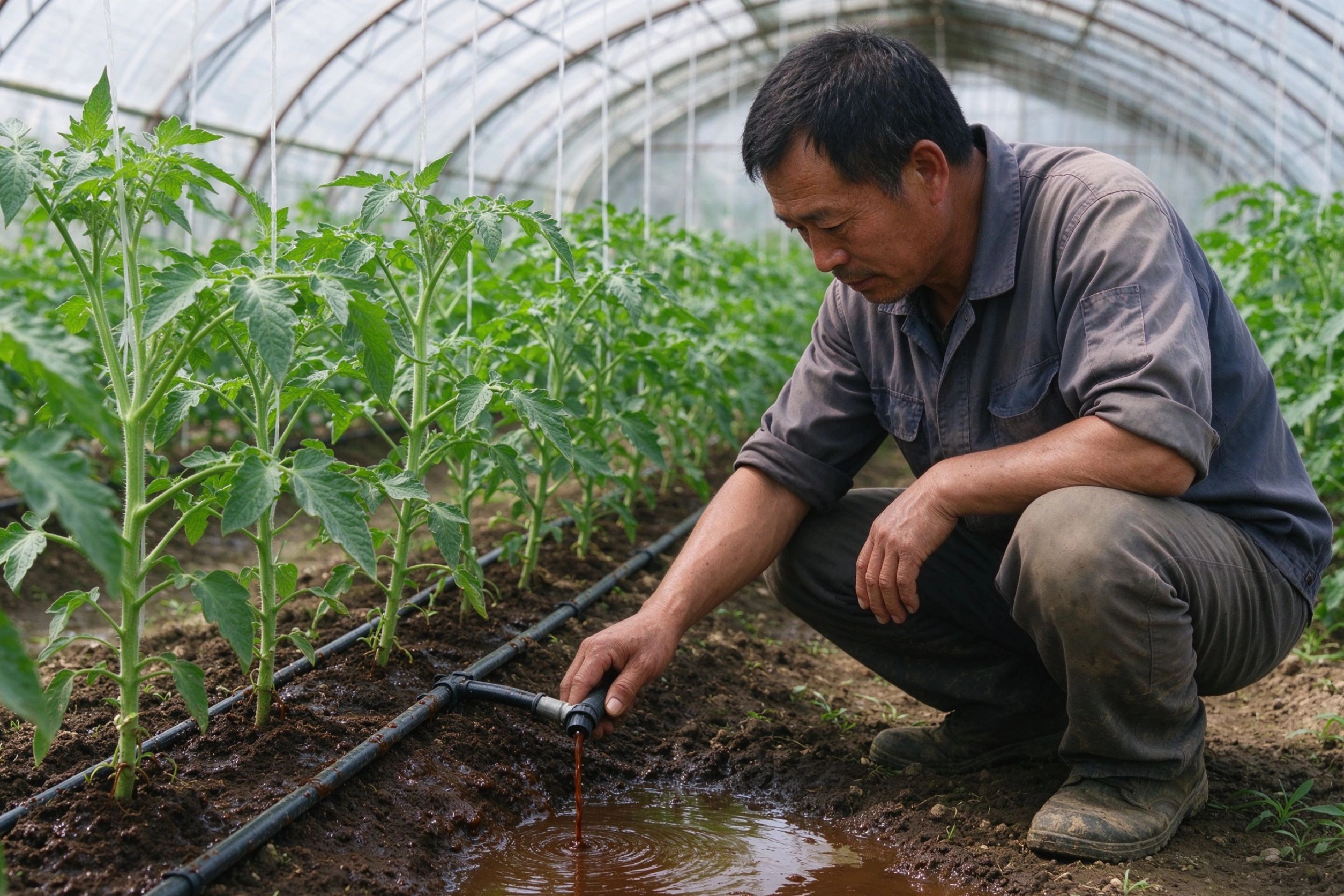
At its simplest, what is liquid fertilizer is a water-based solution carrying nitrogen, phosphorus, potassium and trace elements in dissolved form.
It can be a clear solution, a suspension holding fine solids, or a foliar product. Unlike a granular product that must first dissolve in soil moisture, liquid moves with the water and reaches the root zone quickly. That single difference explains most of its appeal and most of its costs.
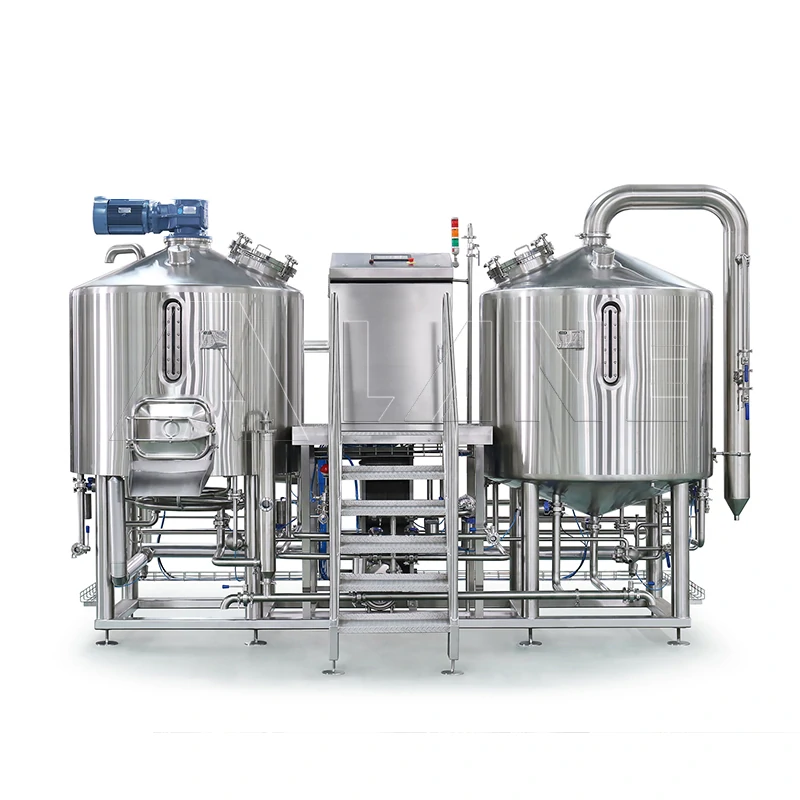
Production starts in a stainless steel mixing tank where raw nutrient salts are dissolved into water, then homogenised, filtered and often blended with trace elements.The result is held in storage and either bulk-delivered or packed on a liquid packaging line.
The equipment matters more than most buyers expect: even mixing and clean handling decide whether every batch stays uniform. That even, repeatable batch is what a buyer should demand.
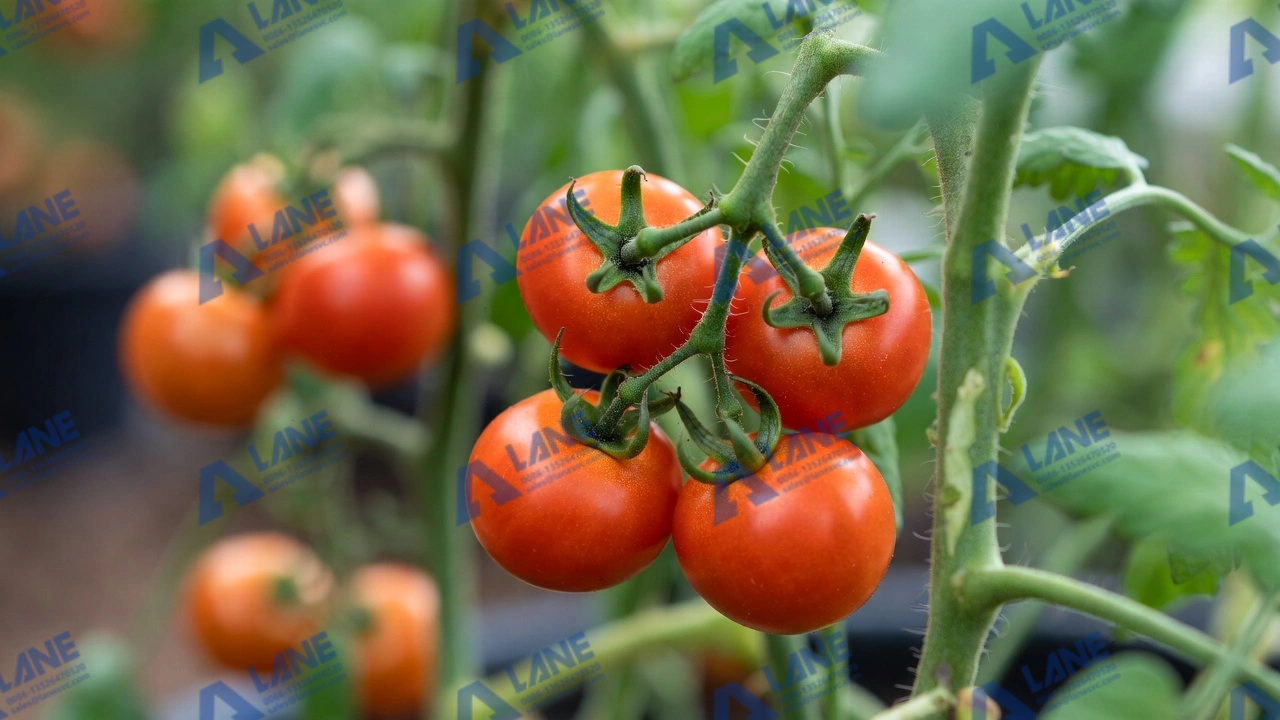
What is liquid fertilizer good at is delivering nutrients exactly when the crop needs them. Drip irrigation and foliar application put a precise dose on target, cutting waste and speeding response.
Greenhouses, vegetables, fruit and fertigated row crops see the fastest payback. When buyers ask what is liquid fertilizer used for, the answer is precision crops where evenness and speed earn their keep.
Liquid is not a universal answer. It needs tanks, pumps and water infrastructure, and it costs more per unit of nutrient than most granular products.
On dryland broad-acre farms without irrigation, a solid product is often the rational, lower-risk choice. Match the form to the farm; what is liquid fertilizer wins at is a delivery system that already exists.
None of this is a judgement on quality; it is a fit test. A product that is excellent in a greenhouse may be the wrong buy on a dryland farm. Ask about water, application hardware and crop value before you let price alone decide.
A workable line is more than a tank. It typically includes a stainless steel mixing tank, a transfer and dosing system, a filtration stage, a storage tank and a liquid packaging or filling unit.
LANE builds these liquid fertilizer production lines with stainless steel mixing tanks, packaging machines and turnkey installation. If you are weighing what is liquid fertilizer production involves, start by sizing the line to your batch, not to a brochure.
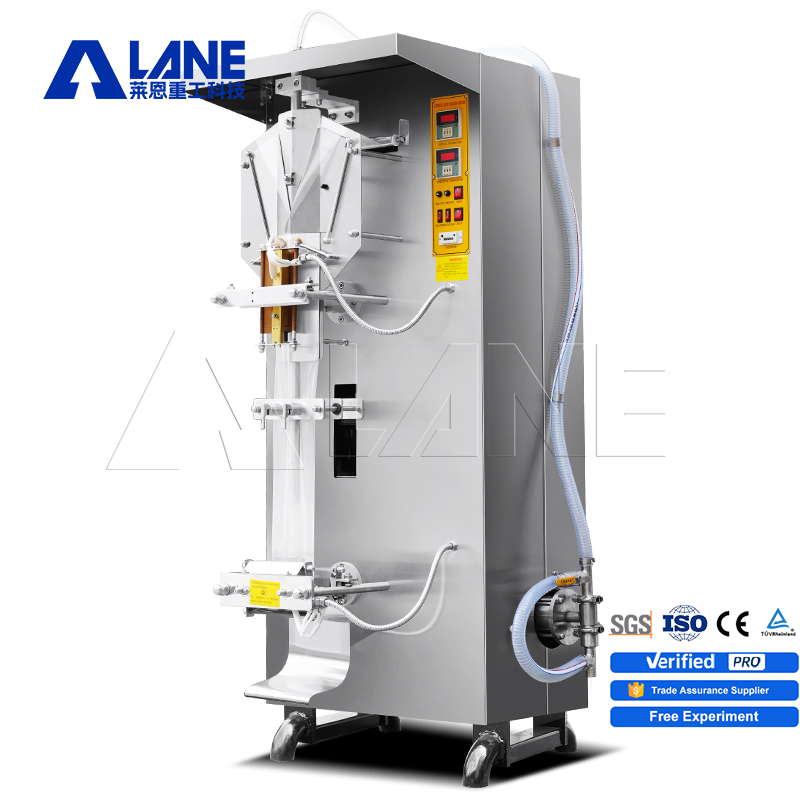
Cost splits into nutrient, equipment and logistics. What is liquid fertilizer costs more per bag, but per hectare of usable nutrient the gap narrows once uptake and even application are counted. The under-budgeted items are tanks, pumps and trained handling—exactly where a cheap-looking plan stops being cheap.
Liquid handling brings its own discipline. Storage tanks need bunding and leak containment, dosing lines need clean connections, and labels must state concentration and handling rules.
Standards such as the EU Fertilising Products Regulation and ISO quality systems set the bar for labelling and traceability. A supplier that documents these steps is signalling they will stand behind the product.
Plan for commissioning before you order. A liquid line must be flushed, pumps aligned, and operators trained on dosing and cleaning; most failures come from poor hygiene between batches, not the machine itself.
Budget for spare seals and a regular cleaning cycle, and the line will hold its accuracy for years. LANE includes overseas installation and on-site training to make this step routine.
Decide on water access, labour and crop value before the product. A grower with a drip network and high-value vegetables is a natural fit for liquid; a cereal farmer on dryland is not.
When in doubt, run a small fertigation trial, then scale. That answers what is liquid fertilizer will do for your farm better than any spec sheet.
What is liquid fertilizer made of?
Nitrogen, phosphorus, potassium and trace elements dissolved or suspended in water, often with stabilisers.
Is liquid fertilizer better than granular?
Better for precision and speed; granular wins on cost and simple storage. Match the form to the farm.
How is liquid fertilizer applied?
By drip, fertigation or foliar spray; it needs water and dosing equipment to be effective.
What absorption rate can I expect?
With fertigation and foliar feeding, uptake can exceed 80 percent, well above broadcast solid.
Do I need special equipment?
Yes—a mixing tank, pumps, storage and a filling or packaging line to produce it at scale.
For most buyers, the answer to what is liquid fertilizer is not a substance but a delivery strategy: fast, even nutrients for precision crops, at a real equipment cost.
Buy on the numbers—water access, crop value, uptake and the full cost per hectare—and the form follows.
LANE designs and installs liquid fertilizer production lines with stainless steel mixing tanks and packaging machines, plus overseas installation and one-stop service.
Talk through your crop program at https://laneliquidfertilizerequipment.com/ or write to sales@lanesvc.com for a line sized to your batch.
Leave a Comment
LANE has more than 500 successful cases and is committed to providing customers with first-class solutions, high-end machinery and equipment, and one-stop pre-sales, sales and after-sales comprehensive customer service.