
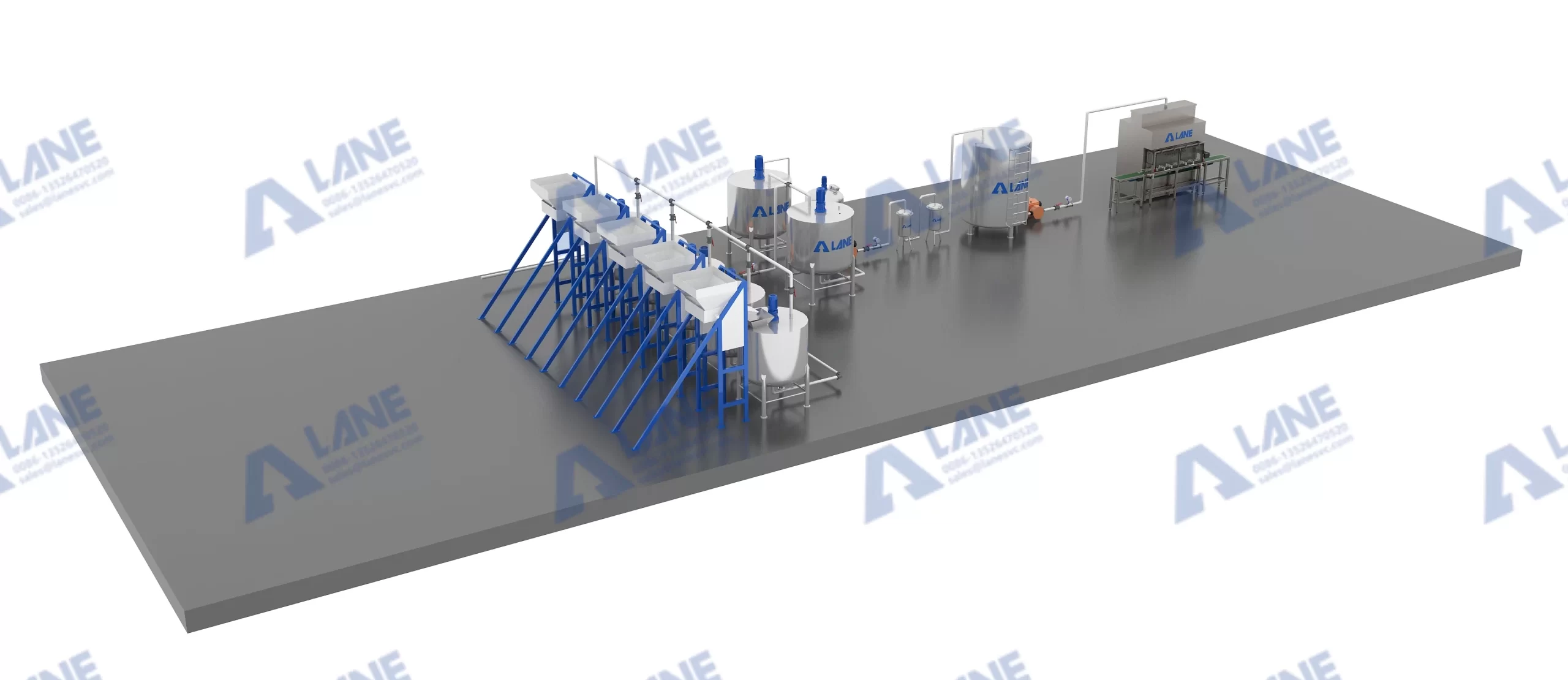
From Mixing to Bottling: A Step by Step Liquid Fertilizer Production Process
Table of Contents
Liquid fertilizers are popular in modern agriculture due to their ease of application, rapid nutrient absorption, and suitability for drip irrigation and foliar feeding. Modern production has improved the efficiency and precision of liquid fertilizers. The step by step liquid fertilizer production process is a systematic workflow that transforms raw materials into high-purity, stable liquid fertilizers. LANE Heavy Industry offers a fully integrated, automated production line that allows producers to produce high-quality fertilizer while ensuring consistency and efficiency.
LANE Heavy Industry’s liquid fertilizer machines streamline the step by step liquid fertilizer production process while maintaining compliance with agricultural standards. This article will provide a detailed, step by step liquid fertilizer production process for manufacturers to deliver reliable products.
The production of liquid fertilizer involves a carefully planned process. Each of the stages of this process is critical for achieving optimal nutrient balance and stability. The step by step liquid fertilizer production process typically includes:
By following each step carefully, manufacturers can produce fertilizers that are safe, efficient, and market-ready.
Raw material determines the final formulation and quality of the liquid fertilizer. The selection of high-quality raw materials is very important for liquid fertilizer production. The common raw materials include:
Selecting high-purity raw material is an important part of the step by step liquid fertilizer production process. It ensures that the final product is free from impurities that may clog irrigation and reduce nutrient availability. Our raw material handling equipment includes precise weighing and dosing systems that are important for consistent production quality.
Once raw materials are selected, the next step is mixing. LANE Heavy Industry provides high-efficiency mixers designed specifically for liquid fertilizers. This stage is crucial for the step by step liquid fertilizer production process. Improper dissolving and mixing can lead to inconsistent nutrient distribution.
Key features of LANE mixing equipment include:
Proper homogenization ensures that each batch of fertilizer delivers the same nutrient content, maintaining quality and performance for farmers.
Some liquid fertilizers require chemical reactions to activate nutrients or stabilize the solution. In the step by step liquid fertilizer production process, heating tanks or reactors from LANE Heavy Industry provide controlled environments where:
This step is essential when producing ammonium phosphate solutions or other complex fertilizers. Proper heating and controlled reactions enhance nutrient solubility and ensure fertilizers are fully bioavailable when applied.
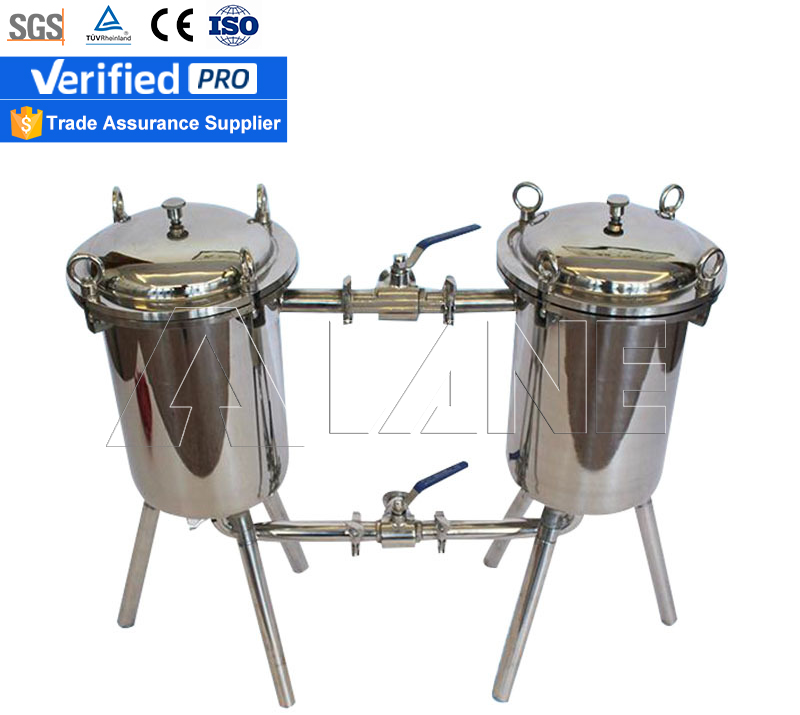
After mixing and reactions, the solution sometimes contains insoluble particles or impurities. The filtration stage removes these impurities and makes the liquid fertilizer clear, giving them a premium look. LANE Heavy Industry filtration systems provide:
Filtration ensures that the liquid fertilizer is free from particles that could clog spraying or irrigation equipment. By purifying the liquid fertilizer, our machine ensures product stability, extended shelf life, and enhanced overall quality.
Before the fertilizer is ready for packaging, it is tested for quality one final time. The testing is an integral part of the step by step liquid fertilizer production process. We provide sensors that provide live data to the central command room. We also provide advanced lab equipment for on-site testing, measuring:
By conducting quality control, manufacturers can adjust the formulation if needed before storage or bottling. This ensures the product meets regulatory standards and customer expectations while saving material and time from waste.
Some liquid fertilizers require a period of stabilization to improve chemical properties. LANE Heavy Industry provides storage tanks with:
This step in the step by step liquid fertilizer production process ensures that the fertilizer remains effective during storage and transportation. Aging allows nutrients to fully react, enhancing solubility and performance in the field.
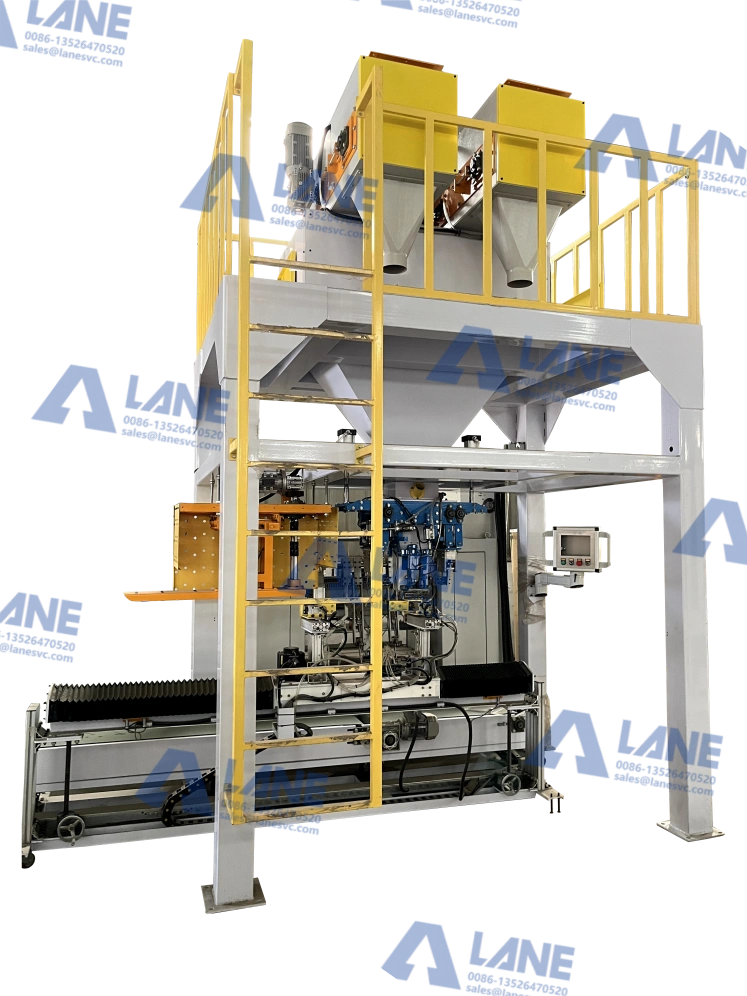
The final step in the step by step liquid fertilizer production process is bottling and packaging. LANE Heavy Industry’s automated bottling line offers:
Automated packaging reduces labor costs, minimizes spills, and ensures that each container meets market standards. Proper packaging is also crucial to maintain fertilizer stability and prevent contamination.
Choosing LANE Heavy Industry for liquid fertilizer production offers numerous benefits:
LANE Heavy Industry provides maintenance guides and teaches the step by step liquid fertilizer production process to technicians to make your production line efficient, safe, and profitable.
Q1: What is the most critical stage in the step by step liquid fertilizer production process?
A1: While every stage is important, mixing and homogenization are critical to ensure uniform nutrient distribution. Improper mixing can affect product quality and effectiveness.
Q2: Can liquid fertilizers be stored long-term?
A2: Yes, using temperature-controlled, corrosion-resistant storage tanks from LANE Heavy Industry ensures long-term stability and prevents nutrient degradation.
Q3: How does automation improve the liquid fertilizer production process?
A3: Automation increases precision, reduces labor costs, minimizes human error, and maintains consistent quality throughout the step by step liquid fertilizer production process.
Q4: Are all raw materials compatible in liquid fertilizers?
A4: Not always. Proper formulation is critical, as some chemicals can react undesirably. LANE Heavy Industry provides lab testing and precise mixing to prevent incompatibilities.
For more details, please feel free to contact us.
Henan Lane Heavy Industry Machinery Technology Co., Ltd.
Email: sales@lanesvc.com
Contact number: +86 13526470520
Whatsapp: +86 13526470520
Leave a Comment
Latest Posts
LANE has more than 500 successful cases and is committed to providing customers with first-class solutions, high-end machinery and equipment, and one-stop pre-sales, sales and after-sales comprehensive customer service.