
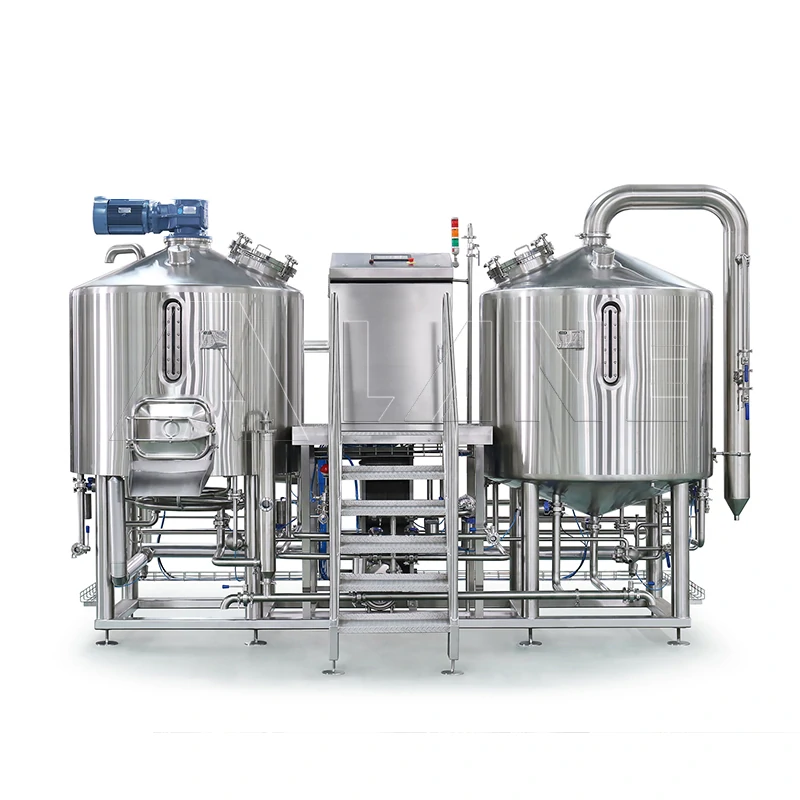
Stainless Steel Mixing Tank: Buyer’s Selection Guide
A stainless steel mixing tank is more than a container with a motor. In liquid fertilizer production, it directly affects how evenly raw materials are blended, how reliably a formula can be reproduced, and how much time operators spend cleaning or correcting batches. A tank that is too small, has an unsuitable agitator, or uses the wrong stainless steel grade can create problems that are expensive to fix after installation.
For fertilizer manufacturers, plant managers and equipment purchasing teams, the important question is not simply whether a tank is made of stainless steel. It is whether the tank structure, material, mixing system and optional heating or cooling functions match the actual production process.
This guide explains the specifications worth checking before purchasing a stainless steel mixing tank, using LANE’s published product information and practical considerations from industrial mixing applications.
A stainless steel mixing tank holds and blends liquid or slurry materials to achieve the required product consistency. Depending on the production formula, it may be used for dissolving soluble ingredients, combining liquid raw materials, dispersing additives, adjusting a batch, or holding material during a mixing stage.
In a liquid fertilizer plant, the tank may handle materials with very different characteristics. One formula may contain mostly water and soluble nutrients, while another may include suspended mineral particles, organic extracts or other ingredients that do not dissolve completely.
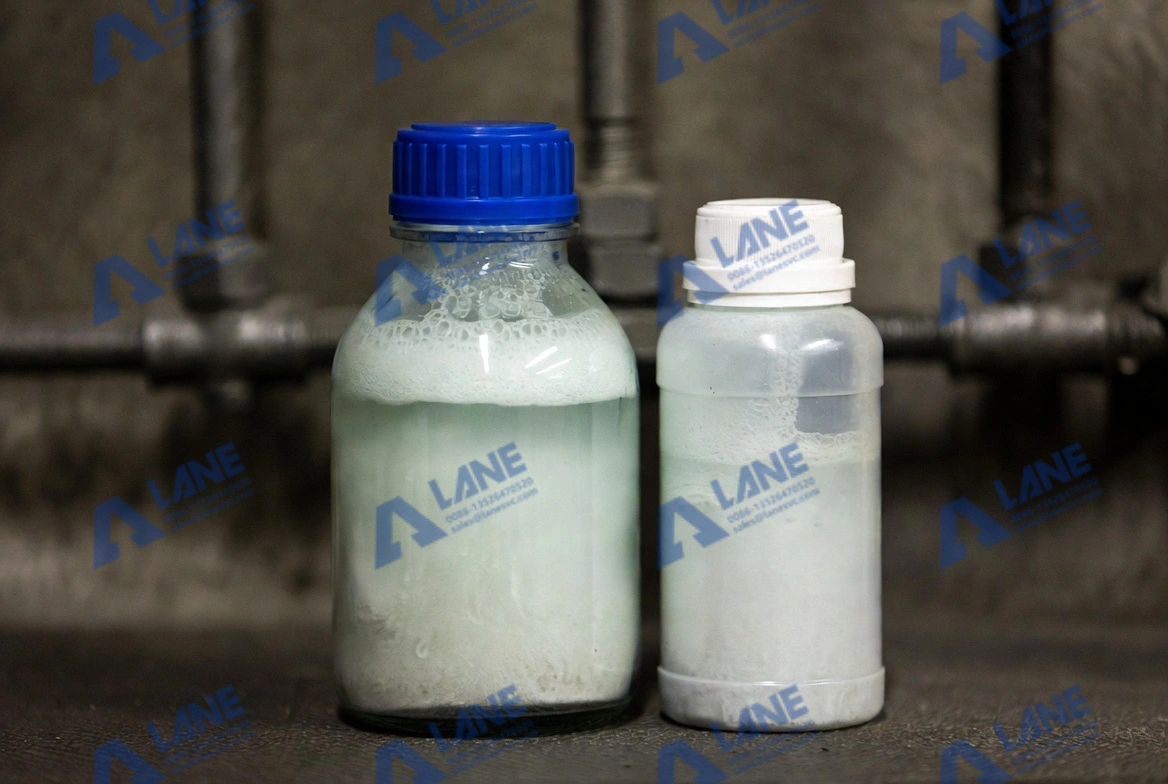
That difference matters. A tank suitable for a low-viscosity solution may not provide enough circulation for a dense suspension. Simply increasing the motor speed is not always the right solution.
A typical stainless steel mixing tank consists of:
The key buying point is that these components should be selected as one working system. A large tank with an undersized agitator is not a good investment, even if its nominal capacity looks attractive.
The mixing process starts when raw materials are added according to the production formula. Once the agitator begins rotating, its blades transfer energy to the liquid and create movement inside the vessel.
Depending on the impeller design and tank arrangement, the material moves in different directions. Axial movement helps circulate material from the top to the bottom, while radial movement helps distribute material across the tank. The combined movement supports blending and reduces concentration differences between different areas.

For certain applications, the tank jacket can also regulate material temperature. A heating medium raises the batch temperature, while a cooling medium removes heat. This function is useful when a production formula has defined temperature requirements, but it should not be treated as a standard requirement for every liquid fertilizer.
Baffles may also be needed. In a cylindrical tank, liquid can rotate along with the agitator instead of circulating effectively through the vessel. Properly designed baffles help interrupt this rotational flow and improve top-to-bottom movement. The actual arrangement depends on tank geometry, liquid viscosity and the required mixing intensity. The Lightnin Guide to Fluid Mixing provides further technical discussion of baffling and fluid circulation.
A practical judgment: Do not evaluate mixing performance by motor power or rotational speed alone. Ask the supplier to explain the agitator type, impeller arrangement and expected material behavior for your formula.
Material selection is one of the most important decisions when ordering a stainless steel mixing tank. LANE’s product page lists SUS304 and SUS316 as available material options. Its structural description also refers to SUS316L for the tank body.
These grades should not be treated as interchangeable without checking the working medium.
SUS304 is commonly considered for general liquid processing where the material is not excessively corrosive. It can be a reasonable choice for water-based fertilizer solutions and other compatible formulations.
However, the word “stainless” does not mean corrosion-proof. The actual chemical composition, concentration, temperature and cleaning conditions all affect service life.
SUS316 contains molybdenum, which improves resistance to chloride-related pitting and crevice corrosion compared with SUS304. The International Molybdenum Association explains this difference in its guide to molybdenum-containing stainless steel grades.
SUS316L is a low-carbon version of 316. Its lower carbon content can be beneficial for welded components exposed to corrosive service conditions.
That does not mean SUS316L is suitable for every acid, salt or high-chloride formula. Buyers should provide the supplier with the actual ingredient list, concentration, operating temperature and cleaning chemicals before confirming the grade.
| Material or component | Published or typical option | What buyers should confirm |
|---|---|---|
| Tank body | SUS304, SUS316; detail also mentions SUS316L | Exact grade, material certificate and compatibility with the formula |
| Jacket | Q235-B or SUS304 | Heating/cooling medium, corrosion exposure and design conditions |
| Agitator and shaft | Stainless steel construction should be specified | Exact material grade and wetted-part coverage |
| Sealing components | Mechanical seal or packing seal | Compatibility with the liquid, temperature and operating conditions |
| Internal surface | Polished stainless steel surface is described | Surface finish, weld treatment and cleaning requirements |
One detail is often overlooked: the tank body and jacket may use different materials. A buyer who requests a SUS316 tank should not assume that every wetted and non-wetted component is automatically SUS316. Confirm the material of the agitator, shaft, outlet, internal fittings and any other parts in contact with the product.
LANE’s product page publishes the following main specifications for its stainless steel mixing tank:
| Parameter | Published information | Purchasing note |
|---|---|---|
| Barrel volume | 100–10,000 L | Confirm the available volume for the selected model |
| Spindle speed | 0–150 rpm | Ask whether speed is adjustable and how it is controlled |
| Power | 75 kW | Confirm the motor power for the specific tank capacity |
| Material | SUS304, SUS316 | The detailed description also mentions SUS316L |
| Warranty | 1 year | Confirm coverage, exclusions and service arrangements |
| Main functions | Heating, blending and mixing | Specify whether a heating or cooling jacket is required |
These are the figures shown on the supplier’s product page, not a guarantee that every capacity is available with identical configurations. In particular, the listed 75 kW power should be confirmed against the selected model. Buyers should request a model-specific technical drawing and motor specification before comparing quotations.
Capacity also deserves careful attention. A 5,000 L tank does not necessarily mean that every batch should contain 5,000 L of material. The required working volume depends on the operating level, foam formation, circulation space and the characteristics of the formula.
For this reason, purchasing teams should provide the supplier with the target batch volume and expected daily production schedule rather than selecting a tank based only on its largest advertised capacity.
Different formulas require different mixing conditions. The right configuration depends on what the tank needs to accomplish.
For low-viscosity liquid fertilizer: A conventional agitator may be sufficient for blending water-based ingredients and soluble nutrients. Buyers should still check whether the arrangement can circulate the full batch instead of creating a strong surface vortex.
For liquid fertilizer containing suspended solids: The agitator should keep particles distributed and reduce settling during processing. The supplier needs to know the particle characteristics, solids content and expected viscosity before recommending an impeller.
For temperature-sensitive formulations: A jacketed tank may be appropriate if the production process requires heating or cooling. Confirm the jacket structure, heating or cooling medium, temperature range and control method.
For frequent product changes: Cleaning and drainage become important selection factors. A tank with accessible internal surfaces, suitable discharge positioning and compatible cleaning arrangements can reduce downtime between batches.
LANE describes its tank as suitable for heating, blending and mixing. The product page also mentions a jacket structure, sealing devices and optional monitoring accessories. Buyers should turn these general features into a written configuration list before placing an order.

A tank may appear to work normally while producing inconsistent batches. Several common problems are worth considering before purchase.
If ingredients remain concentrated near the top, bottom or tank wall, the agitator arrangement may not suit the material. The cause can involve impeller type, position, speed, tank geometry or insufficient circulation.
What to do: Provide the supplier with the formula’s viscosity and solids information. Ask how the proposed agitator will circulate the material throughout the vessel.
High-speed agitation does not automatically improve mixing. In some low-viscosity liquids, excessive rotational flow can create a vortex and draw air into the material.
What to do: Confirm whether baffles, an off-center agitator or a different impeller arrangement is more appropriate. The objective is controlled circulation, not simply faster rotation.
Corrosion can occur when the selected grade is unsuitable for the process medium or when the fabrication and surface condition are poor.
What to do: Check material certificates, weld finishing, internal surface treatment and the compatibility of seals and fittings. Do not rely on the grade name alone.
Corners, poorly positioned outlets and inaccessible internal components can leave residual material after discharge.
What to do: Ask for internal structure drawings and discuss cleaning procedures before ordering. If frequent formula changes are expected, cleaning access should be part of the original design.
There is no reliable single price for a stainless steel mixing tank because the final cost depends on its capacity, material grade, agitator configuration and optional functions.
The main cost factors include:
A common purchasing mistake is comparing two quotations by tank capacity alone. One supplier may quote a basic mixing vessel, while another includes a jacket, speed control, instruments and a different sealing arrangement.
Request an itemized quotation. It should identify the tank material, jacket material, working volume, motor power, agitator type, control system, accessories, warranty and delivery scope. This makes the price comparison more meaningful.
A reliable supplier should be able to explain why a particular configuration fits your material and production target. A product brochure is a starting point, not a complete engineering proposal.
Before confirming an order, ask for:
LANE provides liquid fertilizer equipment and production-line solutions. If the mixing tank is part of a larger plant, it is worth discussing the upstream feeding process and downstream storage or packaging equipment at the same time. You can review the LANE stainless steel mixing tank and its liquid fertilizer production line.
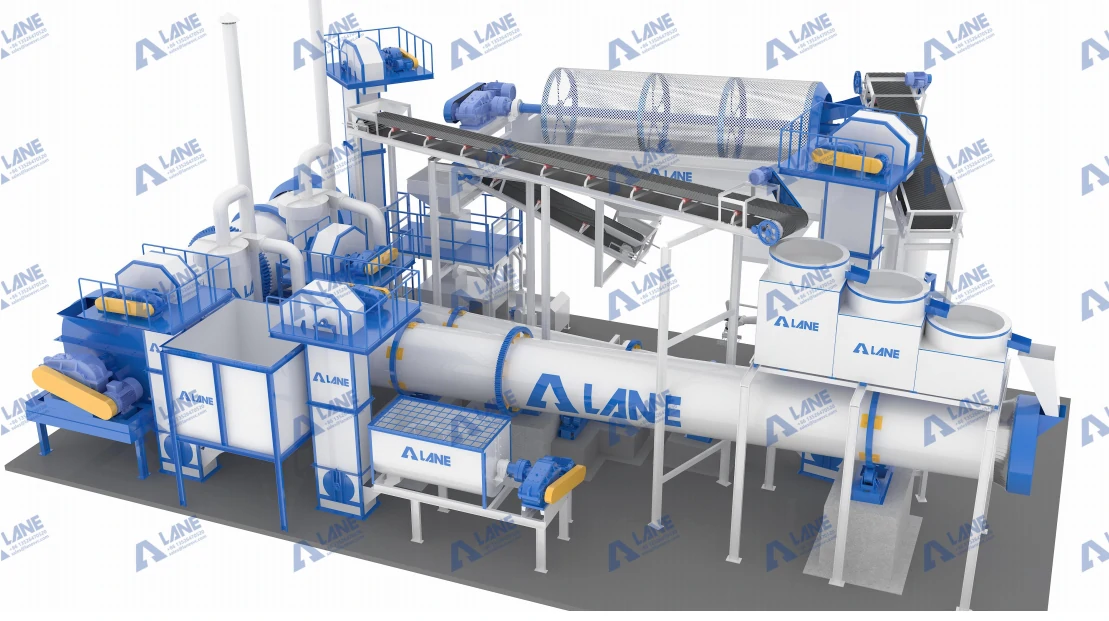
A supplier who asks about the formula, viscosity, batch size and operating conditions before recommending a model is generally giving you a more useful proposal than one who quotes a tank based only on capacity.
It is used to hold and blend liquid or slurry materials during production. In fertilizer manufacturing, typical applications include dissolving ingredients, mixing liquid formulations and preparing batches for further processing.
Neither grade is universally better for every application. SUS316 generally offers improved resistance to chloride-related corrosion, while SUS304 can be suitable for less demanding media. The correct choice depends on the formula and cleaning conditions.
LANE’s product page lists a barrel volume range of 100–10,000 L. Buyers should confirm the exact model, working volume and configuration available for their project.
The published spindle speed range is 0–150 rpm. However, the required operating speed depends on the liquid’s viscosity, solids content, agitator design and mixing objective.
No. A heating or cooling jacket is necessary only when the process requires temperature adjustment. For formulas mixed at normal operating temperature, a jacket may add cost without providing a meaningful production benefit.
Yes, if the agitator and tank configuration are designed for the slurry’s characteristics. Buyers should provide information about solids content, particle size, viscosity and settling behavior before selecting the equipment.
Choose a tank with suitable internal surface finishing, accessible components and an effective drainage arrangement. Cleaning procedures and any CIP requirements should be discussed with the supplier rather than assumed from the stainless steel material alone.
Prepare the required capacity, batch volume, material composition, viscosity, operating temperature, mixing purpose and preferred stainless steel grade. Also specify whether you need a jacket, automatic controls, installation support or integration with other production equipment.
A suitable stainless steel mixing tank should match the product being processed, the required batch volume and the actual mixing objective. Material grade, agitator design, working capacity, jacket requirements and cleaning access all influence long-term operating performance.
Before purchasing, provide the supplier with your formula characteristics and production requirements, then request a model-specific drawing and itemized quotation. This is a more dependable way to compare equipment than choosing the largest tank or the lowest initial price.
If you are planning a new liquid fertilizer facility or upgrading an existing mixing process, LANE can help assess the required tank configuration and related equipment.
For more details, please feel free to contact us.
Henan Lane Heavy Industry Machinery Technology Co., Ltd.
Email: sales@lanesvc.com
Contact number: +86 13526470520
WhatsApp: +86 13526470520
Leave a Comment
Latest Posts
LANE has more than 500 successful cases and is committed to providing customers with first-class solutions, high-end machinery and equipment, and one-stop pre-sales, sales and after-sales comprehensive customer service.