
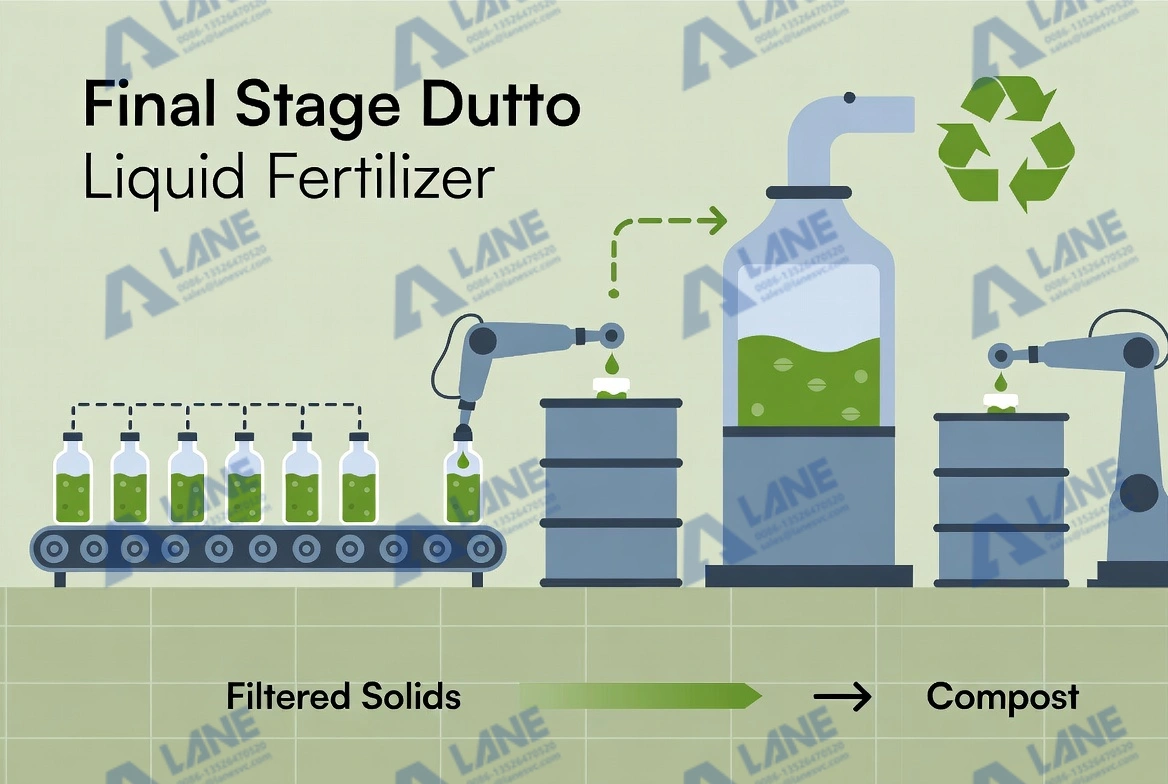
How to Select Organic Mineral Raw Materials for Liquid Fertilizer Blending
A premium liquid fertilizer looks like a simple mixture of nutrient and water to the farmers and users. But to a producer, it is a delicate yet highly sensitive chemical equilibrium. One wrong dosing or timing can change the whole batch and might waste the whole batch. The moment you introduce raw minerals like zinc or magnesium to organic carbon structures like humic or fulvic acids, an invisible race against time begins. But if the quality of the raw material is not good than the whole production suffers. Selecting premium organic mineral raw materials for liquid fertilizer blending is the foundational step for every liquid fertilizer producer.
Success in the liquid fertilizer market comes down to two key factors: the purity of your raw chemical inputs and the efficient machinery. If you are sourcing organic mineral raw materials for liquid fertilizer blending, you must account for water solubility limits, pH compatibility, and potential chemical fallout. LANE Heavy Industry has designed production line which can transform raw organic powders and minerals into premium, shelf-stable commercial liquids. This guide explains the key considerations when selecting Organic Mineral Raw Materials for Liquid Fertilizer Blending, common material categories, quality standards, and production requirements.
Organic mineral fertilizers, combines organic raw materials with naturally occurring mineral to create the liquid organic mineral fertilizer. When sourcing organic mineral raw materials for liquid fertilizer blending, three primary factors determine the quality of your production.
Water Solubility and Purity: Unlike solid field application, liquid fertilizer must achieve complete dissolution. Any insoluble matter will accumulate as sludge at the bottom of storage tanks or clog agricultural drip lines. When choosing minerals such as potassium, phosphorus, or magnesium bound to organic complexes, prioritize technical-grade or food-grade materials with ultra-low insoluble percentages (ideally less than 0.05%).
Chemical Compatibility and Chelation: Blending organic raw materials like amino acids, humic acids, or fulvic acids with mineral salts like zinc sulfate, manganese sulfate, or calcium nitrate introduces a risk of chemical reaction. Calcium, manganese, and zinc frequently react with phosphates or carbonates. This causes rapid precipitation. To prevent this liquid fertilizer blending relies on chelated or complexed organic mineral raw materials for liquid fertilizer blending. In these formulations, organic molecule shields the mineral ion from unwanted side-reactions.
Salt Index and Electrical Conductivity (EC): High salt index materials increase the osmotic pressure of the liquid. They can burn plant roots if you apply at standard rates. Selecting premium organic mineral raw materials for liquid fertilizer blending allows for dense nutrient loads without creating excessively high salt indexes.
A premium commercial organic mineral liquid fertilizer combines an organic core raw material with targeted macro, secondary, or micronutrient minerals.
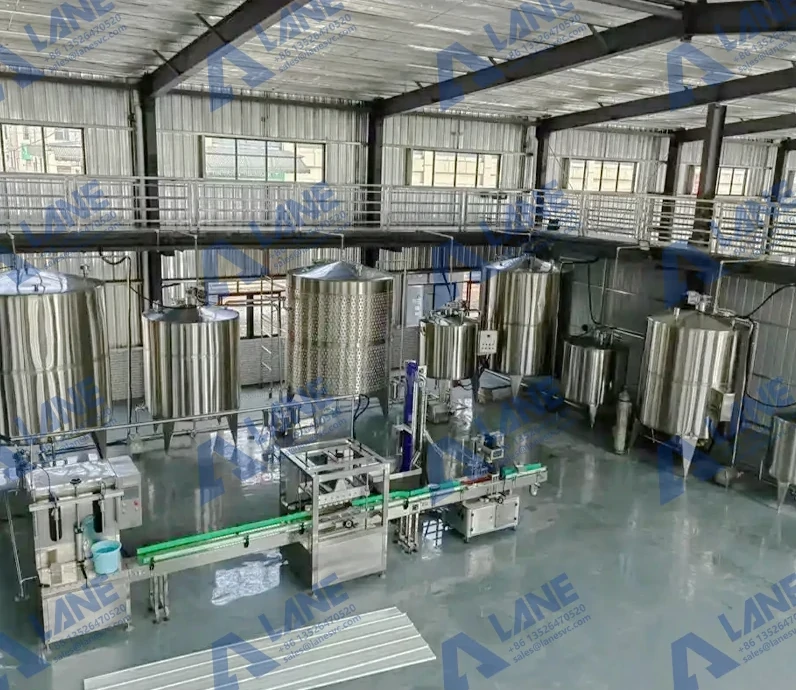
Selecting the raw material is half the battle. A high-quality organic mineral raw materials for liquid fertilizer blending requires mechanical shear, precise temperature controls, and optimized agitation to achieve full chemical dissolution and long-term suspension stability. LANE Heavy Industry designs and manufactures state-of-the-art liquid fertilizer production lines engineered to handle complexity of organic mineral compound raw materials.
High-Shear Blending & Agitation Tanks
Standard mixing machines cannot break down the organic macromolecules or cannot completely dissolve the crystalline mineral salts efficiently. LANE Heavy Industry’s liquid blending machine feature specialized agitators paired with high-speed bottom or inline emulsifiers. This design forces the organic mineral raw materials for liquid fertilizer blending through a high-shear stator zone. In this zone, raw materials are instantly breaks down, accelerating dissolution times and prevents raw material from settling.
Corrosion-Resistant Stainless Steel Construction
Liquid fertilizers contain organic acids and mineral salts which can be corrosive to standard raw materials, which rapidly degrading equipment and introducing rust contaminates into liquid batch. LANE Heavy Industry constructs all liquid contact surfaces using high-grade, corrosion resistant SS304 or SS316 stainless steel. This ensures equipment longevity and maintains the purity of your premium inputs.
Advanced Temperature & pH Regulation Systems
Many organic mineral materials absorb heat during dissolution, which drops the liquid temperature and slows down dissolving speed. LANE Heavy industry provides reactors with hot water heating jackets and integrated PLC thermal sensors. By keeping the blending temperature within an optimal range (typically 40°C to 60°C), the machinery boots the saturation limits and allow you to create highly concentrated liquid formulations without premature crystallization.
To run an efficient liquid fertilizer plant using LANE Heavy Industry equipment, the manufacturers must follow some fundamental chemical sequencing protocol.
What are the best raw materials for liquid fertilizer blending?
The best materials are soluble, stable, and compatible, including humic acid, fulvic acid, amino acid liquids, soluble potassium sources, phosphates, nitrogen salts, and chelated micronutrients.
Can organic and mineral materials be blended together in one tank?
Yes, but only after compatibility testing. Some combinations are stable, while others may form precipitates or reduce shelf life.
Why is filtration important in liquid fertilizer production?
Filtration removes insoluble particles that can block pumps, nozzles, and drip irrigation systems, while also improving storage stability.
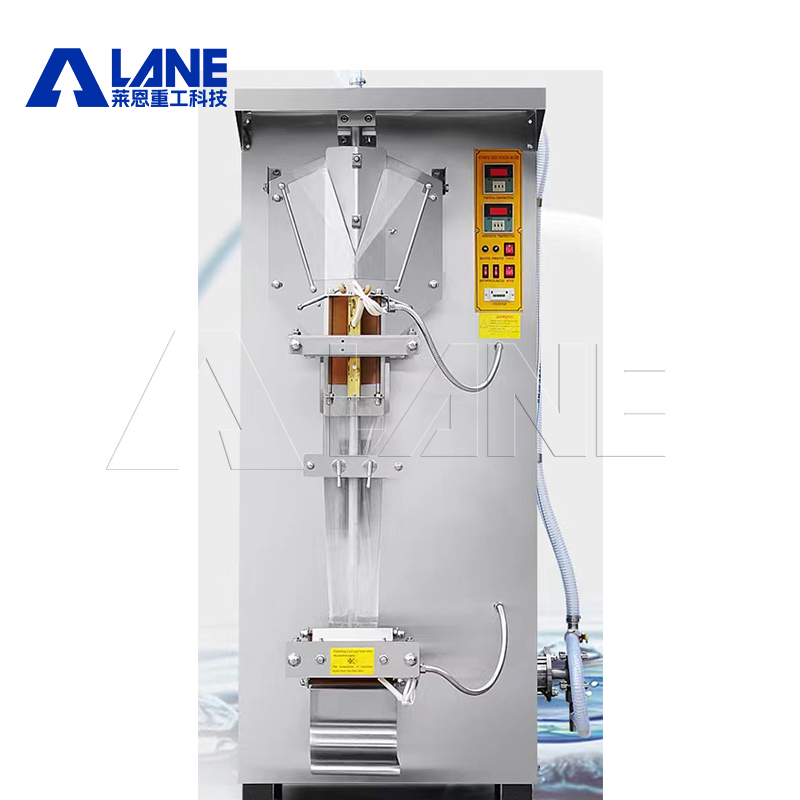
Why use LANE Heavy Industry machinery?
LANE Heavy Industry machinery can support a more automated, controlled, and scalable blending process, which helps maintain batch consistency and product quality.
For more details, please feel free to contact us.
Henan Lane Heavy Industry Machinery Technology Co., Ltd.
Email: sales@lanesvc.com
Contact number: +86 13526470520
Whatsapp: +86 13526470520
Leave a Comment
Latest Posts
LANE has more than 500 successful cases and is committed to providing customers with first-class solutions, high-end machinery and equipment, and one-stop pre-sales, sales and after-sales comprehensive customer service.