
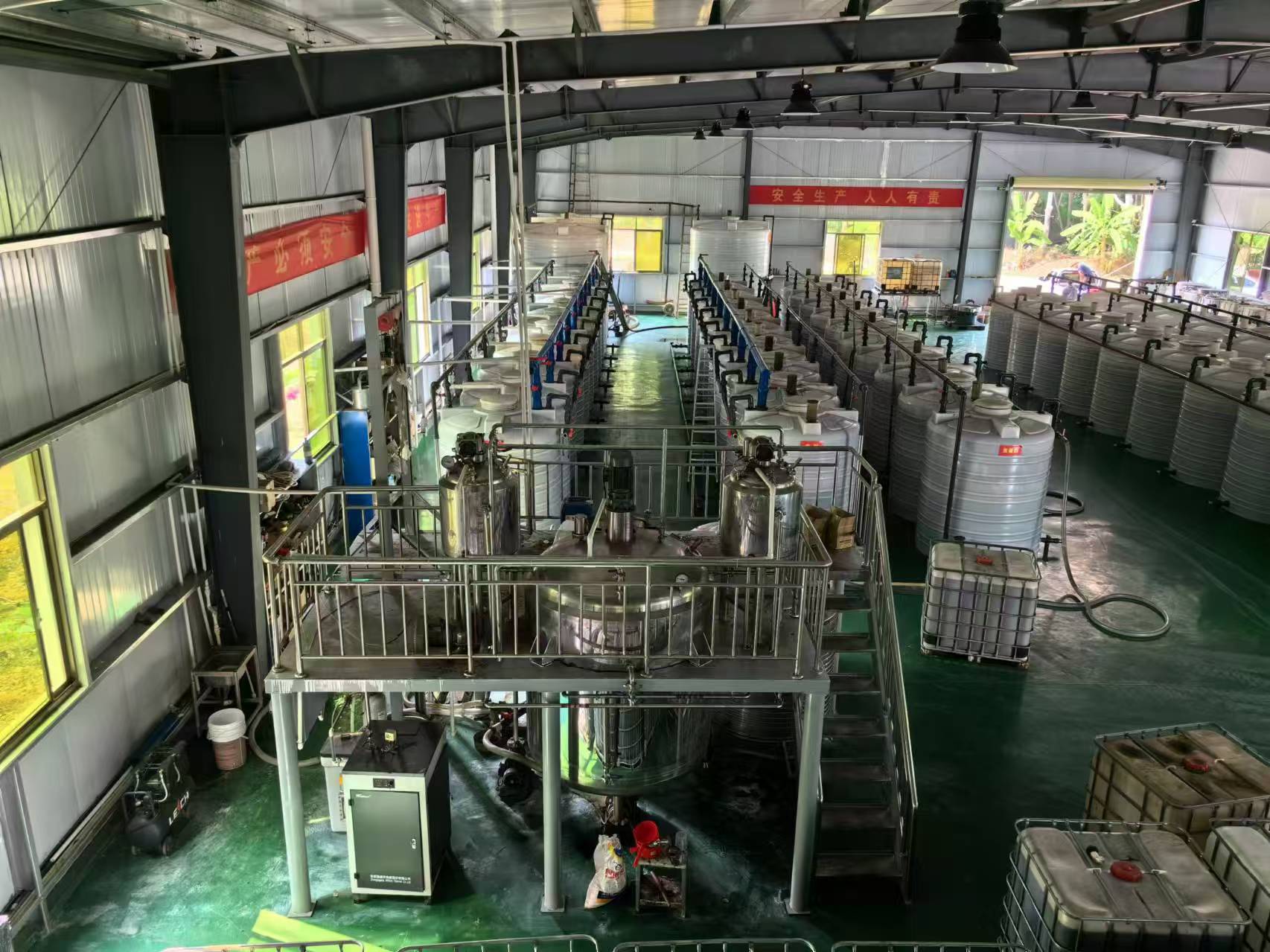
Liquid Fertilizer Plant Cost: Comprehensive CAPEX, OPEX, and Investment Analysis
For fertilizer manufacturers, agribusiness investors, and project contractors, understanding the true cost of establishing a liquid fertilizer facility is the first step toward a viable business case. Unlike dry granular production, liquid formulations require specialized metallurgy, precision dosing, and stringent filtration standards that directly influence capital expenditure.
There is no single price tag for a liquid fertilizer plant. Costs can range from 2 million for a fully automated, high-capacity water soluble fertilizer manufacturing facility. The variance depends entirely on production capacity, automation level, raw material characteristics, and regulatory compliance requirements.
This guide provides a transparent breakdown of liquid fertilizer plant cost structures, moving beyond generic estimates to address the specific engineering and procurement factors that determine your actual return on investment.
Before requesting quotes, it is critical to define what “cost” encompasses in this sector. Many initial budgets fail because they only account for primary processing vessels while neglecting auxiliary systems that often represent 40% of total CAPEX.
Core Processing vs. Auxiliary Systems
A complete liquid fertilizer production line consists of two distinct cost centers:
When evaluating liquid fertilizer plant cost, always request a “battery limits” quotation that clearly delineates what is included within the supplier’s scope versus what requires local civil or utility work.
Capacity Tiers and Budget Benchmarks
Based on current global market data for mid-tier industrial equipment, here are realistic CAPEX benchmarks for equipment-only costs (excluding land, buildings, and working capital):
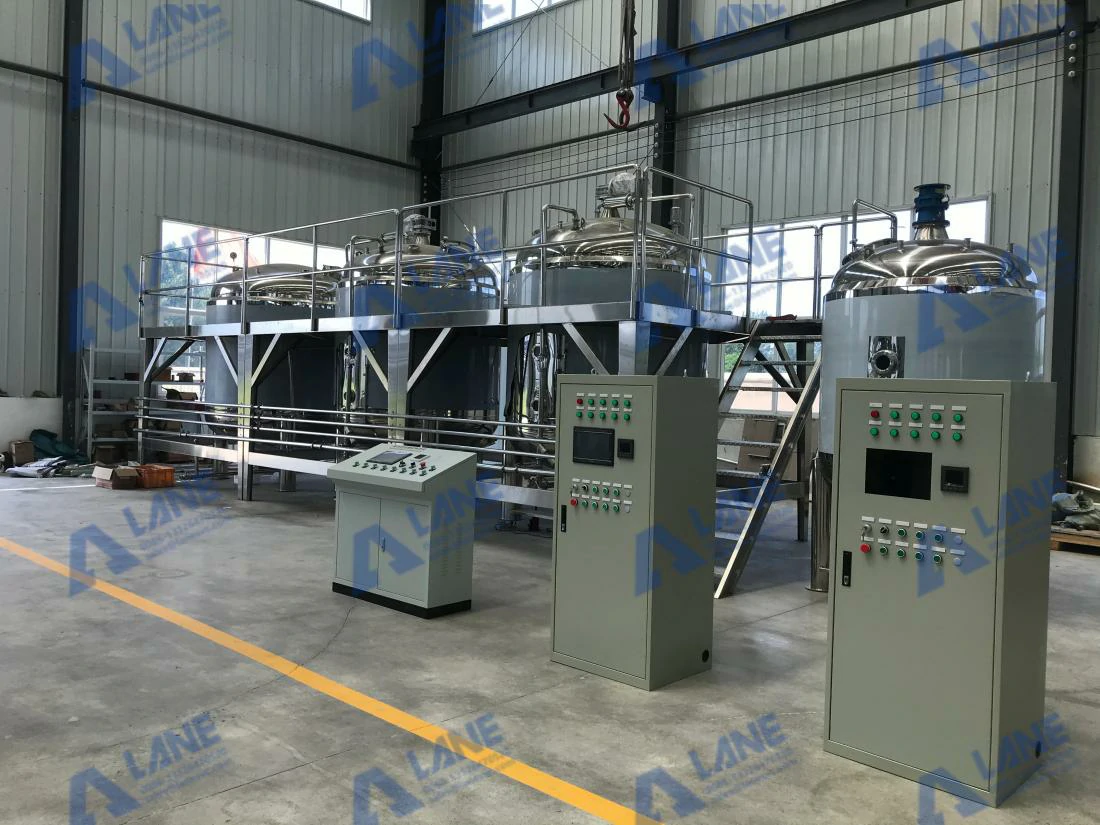
Water soluble fertilizer manufacturing represents the premium segment of liquid production. The higher price point compared to standard suspension fertilizers is justified by three technical requirements that impact both CAPEX and long-term OPEX.
Raw Material Compatibility and Metallurgy
Liquid fertilizers, particularly those containing high concentrations of nitrogen, phosphorus, potassium, and chelated trace elements, are inherently corrosive. Standard 304 stainless steel may suffice for neutral pH blends, but acidic formulations or those containing chlorides require 316L stainless steel, duplex steels, or specialized polymer linings.
Upgrading from SS304 to SS316L can increase vessel costs by 25–40%. However, this is not an area for cost-cutting. Premature corrosion leads to product contamination, unplanned downtime, and potential safety incidents. When analyzing liquid fertilizer plant cost, factor in a 15-year lifecycle cost rather than initial purchase price alone.
Filtration and Clarification Standards
Water soluble products must be free of particulates to prevent clogging in drip irrigation and fertigation systems. This requires multi-stage filtration:
Each additional filtration stage adds pump capacity, filter housing costs, and consumable expenses. For high-value clear liquids, centrifugal decanters or membrane filtration may be necessary, adding 200,000 to the liquid fertilizer production line budget.
Chelation Reactor Requirements
Producing EDTA, EDDHA, or amino acid chelates requires precise temperature control, extended residence times, and specialized agitation. Chelation reactors are significantly more expensive than simple blending tanks due to jacketed heating/cooling systems, variable frequency drives, and enhanced sealing mechanisms. If your product portfolio includes chelated micronutrients, allocate an additional 20–30% for reactor-specific equipment.
Professional feasibility studies separate costs into four categories. Equipment suppliers typically quote Category 1 only.
Category 1: Direct Equipment Costs (35–45% of Total Project)
Includes all process machinery, piping within battery limits, instrumentation, electrical panels, and installation supervision.
Category 2: Civil Works and Infrastructure (20–30%)
Foundation design for heavy vessels, chemical-resistant flooring (epoxy or FRP lining), drainage systems with containment bunds, ventilation, and fire suppression. Liquid fertilizer plants require secondary containment per EPA and local environmental regulations, which adds significant civil cost.
Category 3: Engineering, Permits, and Soft Costs (10–15%)
Process design validation, HAZOP studies, environmental impact assessments, operator training, and commissioning support. Never underestimate commissioning costs; proper startup optimization prevents months of substandard production.
Category 4: Working Capital and Contingency (15–20%)
Raw material inventory, packaging stock, laboratory setup, spare parts, and a minimum 10% contingency fund for unforeseen modifications during installation.
Automation is the most significant variable in modern plant costing. The decision should be based on labor availability, product complexity, and quality consistency requirements—not technology preference alone.
Manual/Semi-Automatic Systems
PLC-Controlled Semi-Automated Lines
Full DCS Integration with Automated Packaging
The ROI calculation for automation should include reduced rework rates, lower labor costs, decreased waste, and premium pricing enabled by consistent quality certification. In many cases, the payback period for upgrading from semi-auto to full automation is under three years for facilities exceeding 8 TPH.
Liquid fertilizer plant cost analysis must extend to OPEX, which determines actual profitability after commissioning.
Energy Consumption Profiles
Liquid processing is energy-intensive. Heating for dissolution and chelation, pumping for filtration, and compressed air for instrumentation are primary consumers. Modern plants incorporate heat recovery systems on reactor jackets and VFDs on all pumps >7.5kW, reducing energy costs by 15–25% compared to conventional designs.
Consumables and Maintenance
Budget annually for:
For water soluble fertilizer manufacturing, filter consumables alone can represent 3–5% of annual operating costs if upstream dissolution is poorly optimized. Investing in better pre-dissolution equipment often pays for itself through reduced filtration burden.
Selecting the right equipment partner is as important as selecting the right technology. Use these criteria when evaluating suppliers for your liquid fertilizer production line:
Verify Relevant Experience
Request reference lists specifically for liquid fertilizer projects, not general chemical processing. Ask for contact information of existing clients operating similar capacities and formulations. Visit at least one reference site before placing orders.
Demand Detailed Technical Proposals
Vague proposals lead to change orders. Require suppliers to specify:
Evaluate After-Sales Support Structure
Equipment failure during peak season can cost thousands per hour in lost revenue. Assess the supplier’s spare parts inventory, remote diagnostic capabilities, and technician response time commitments. Include service level agreements in purchase contracts.
Consider Modular vs. Stick-Built Construction
Modular skid-mounted systems offer faster installation, better factory testing, and potentially lower overall liquid fertilizer plant cost due to reduced on-site labor. They are particularly advantageous for medium-capacity facilities and remote locations. Stick-built construction may be preferable for very large plants where shipping constraints limit module size.
International markets increasingly require compliance documentation that impacts both design and cost:
Factor in 80,000 for third-party certification and compliance consulting, depending on target markets and facility complexity.
The liquid fertilizer plant cost question ultimately resolves to value alignment. Define your product specifications, target market quality expectations, and five-year growth projections before engaging suppliers. Request itemized quotations from at least three qualified vendors, normalize them against identical technical specifications, and evaluate based on total cost of ownership rather than lowest bid.
A well-engineered liquid fertilizer production line is a 15–20 year asset. The difference between a marginal and excellent investment often lies in the details of material selection, filtration design, and automation strategy addressed during the planning phase—not in negotiation after specifications are finalized.
What is the typical payback period for a liquid fertilizer plant?
Most well-managed liquid fertilizer facilities achieve payback within 2–4 years, depending on capacity utilization, product margins, and local market conditions. Higher-margin specialty products like chelated micronutrients typically deliver faster returns than commodity NPK solutions.
How does water soluble fertilizer manufacturing differ from suspension fertilizer production?
Water soluble fertilizer manufacturing requires complete dissolution of all nutrients, multi-stage fine filtration to remove insolubles, and stricter raw material purity standards. Suspension fertilizers tolerate undissolved particles and use suspending agents instead, resulting in lower equipment costs but different market applications.
Can I start with a small liquid fertilizer production line and expand later?
Yes, modular design allows phased expansion. Start with core mixing and filtration capacity sized for future growth, then add packaging lines, additional reactors, or automation upgrades as demand increases. Ensure initial utility infrastructure (water, power, drainage) is oversized to accommodate expansion without costly retrofits.
What are the hidden costs in liquid fertilizer plant projects?
Commonly overlooked costs include water treatment systems, chemical-resistant civil works, environmental compliance permitting, commissioning and optimization labor, spare parts inventory, and operator training programs. These can add 30–50% to quoted equipment prices.
Is stainless steel mandatory for liquid fertilizer equipment?
Not universally, but highly recommended for product-contact surfaces. Carbon steel may be acceptable for certain neutral-pH bulk storage applications with proper lining, but mixing, reaction, and packaging equipment handling acidic or saline formulations requires stainless steel or specialized alloys to prevent corrosion and contamination.
How much does automation add to liquid fertilizer plant cost?
Basic PLC automation adds 25–40% to equipment costs; full DCS integration with automated packaging adds 60–100%. However, automation reduces labor costs by 40–60%, improves yield by 3–8%, and enables quality certifications that command premium pricing, typically delivering ROI within 2–3 years for medium-to-large facilities.
What maintenance costs should I budget annually?
Plan 3–5% of initial equipment CAPEX annually for preventive maintenance, consumables (filters, gaskets, seals), calibration, and minor repairs. Water soluble fertilizer manufacturing facilities with aggressive filtration requirements may approach the upper end of this range.
Do I need a water treatment system for liquid fertilizer production?
Almost always yes. Municipal or well water contains minerals and organics that cause precipitation, discoloration, or microbial growth in finished products. Reverse osmosis or deionization systems are standard for quality liquid fertilizer production and typically represent 8–15% of equipment CAPEX.
What certifications are needed to export liquid fertilizers?
Requirements vary by destination. EU markets require CE marking and REACH compliance; US markets may require EPA registration and state-level licensing; organic markets require OMRI or equivalent certification. Engage regulatory consultants early in the design phase to ensure facility compliance.
How long does it take to build a liquid fertilizer plant?
Typical timelines range from 6–12 months from contract signing to commissioning for medium-capacity facilities. Equipment fabrication takes 3–5 months; civil works and installation run concurrently. Complex water soluble fertilizer manufacturing plants with custom reactors may require 12–18 months.
Leave a Comment
Latest Posts
LANE has more than 500 successful cases and is committed to providing customers with first-class solutions, high-end machinery and equipment, and one-stop pre-sales, sales and after-sales comprehensive customer service.