
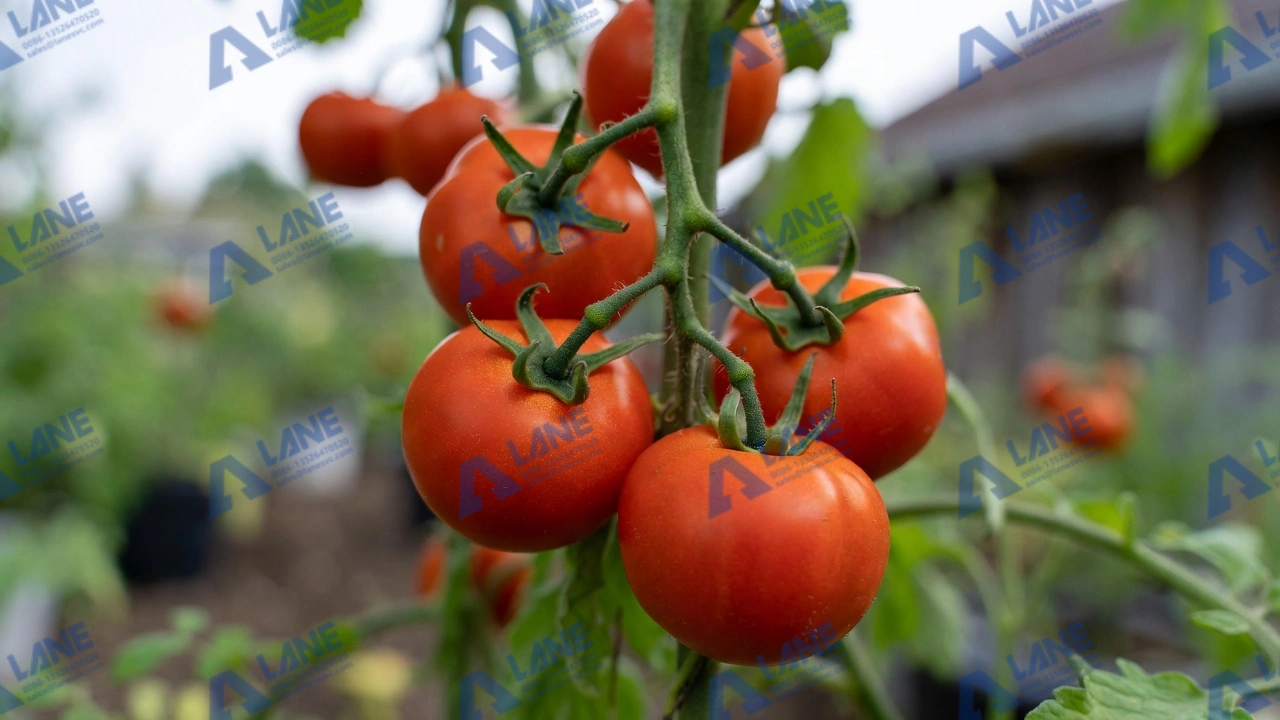
Benefits of Using an Organic Liquid Fertilizer Production System for Tomato Farms
Tomato farming is both art and science. It is also one of the most profitable and commercial crops in the world. The cultivation of tomato is highly nutrient-demanding and they require balanced nutrition throughout their growth stages, from seedling development to flowering and fruiting. Organic growers constantly balance soil health, nutrient management, and crop productivity while trying to meet increasing market demand for high-quality, chemical-free produce. Traditional chemical fertilizers can deliver quick nutrients but over time they degrade soil quality, increase salinity, and raise production costs. This is why an organic liquid fertilizer production system for tomato farms has been a game changer for organic growers.
An advanced organic liquid fertilizer production system for tomato farms allows growers and agricultural businesses to convert organic raw materials into nutrient-rich liquid fertilizer specifically designed for tomato cultivation. With complete machinery solutions from LANE Heavy Industry, producers can achieve efficient, automated manufacturing of organic liquid fertilizer while reducing waste and improving farm productivity.
Tomatoes are heavy feeders that require nitrogen, phosphorus, potassium, calcium, magnesium, and micronutrients in precise ratios. Organic liquid fertilizers are effective because they provide:
Compared with granular fertilizers, liquid formulas offer more precise application control. For tomato farms operating greenhouse systems, drip irrigation, or hydroponics, an organic liquid fertilizer production system for tomato farms is particularly valuable.
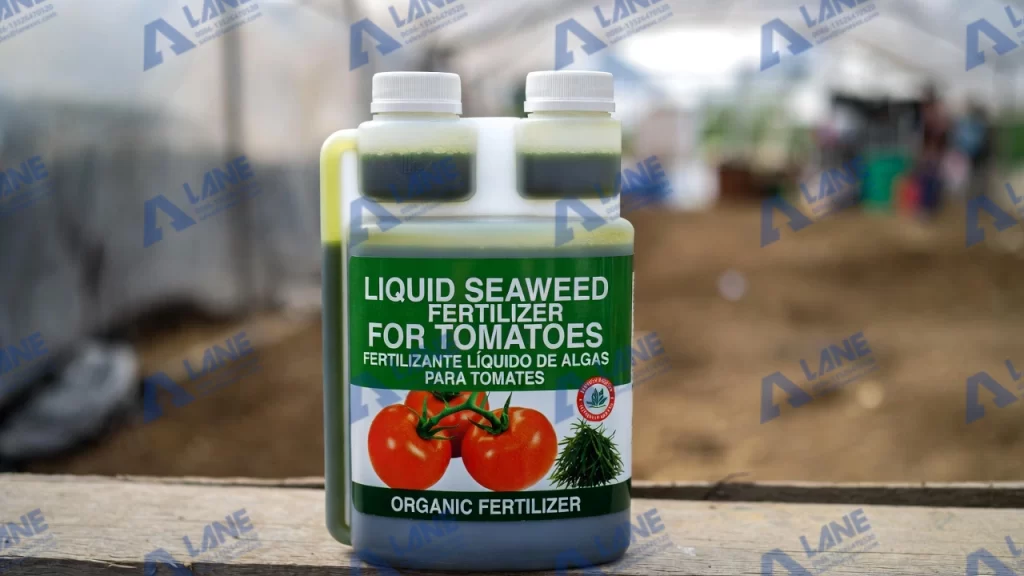
An organic liquid fertilizer production system for tomato farms is a customized liquid processing line that transforms organic materials into stable liquid fertilizer products.
Common raw materials include:
The final fertilizer can be customized by the growers for tomato nutrient requirements. This includes high-potassium formulas for fruiting stages or calcium-rich solutions for blossom-end rot prevention. LANE Heavy Industry provides complete machinery systems for this process. LANE Heavy Industry provides complete machinery, technical training, and factory design to ensure that the customer has a stable and efficient production line.
Solid fertilizer must be broken down by soil microbes over weeks or months with the help of water. Liquid organic fertilizers are instant and have higher absorption rates. Liquid organic fertilizers are often “pre-digested” during the production process. LANE uses an enzymatic production process in which organic matter undergoes controlled fermentation and chelation.
This process breaks down complex organic molecules into simpler, water-soluble forms. For a tomato plant, this means immediate access to nutrients. During the rapid growth phase, the ability to deliver targeted nutrition can prevent common physiological disorders like blossom end rot, which is often caused by localized calcium deficiencies.
Precision is the hallmark of a successful tomato farm. Most modern greenhouses and large-scale open-field farms utilize drip irrigation. A major challenge with organic inputs is the risk of clogging emitters. LANE Heavy Industry’s organic liquid fertilizer production system for tomato farms includes high-efficiency filtration and homogenization stages. Machinery includes high-shear mixers and multi-stage filtering units which make sure that the final product is free of large particles. This makes the organic liquid fertilizer suitable for “fertigation”—the simultaneous application of water and fertilizer. This reduces labor costs and ensures every plant receives an identical dose of nutrition.
Chemical fertilizers lead to soil salinization and a decline in microbial diversity. In contrast, the output from an organic liquid system is rich in humic acids, fulvic acids, and beneficial microorganisms. These organic inputs are essentially inoculating the soil. This biological activity improves soil structure, increases water retention, and creates a natural defense mechanism against soil-borne pathogens like Fusarium and Verticillium wilt.
For many large-scale operations, agricultural waste management is a significant overhead. An organic liquid fertilizer production system for tomato farms transforms “waste” into a high-value asset. By processing farm-generated organic matter through LANE Heavy Industry’s specialized reactors, farmers can drastically reduce their reliance on expensive imported chemical fertilizers, leading to a much lower cost-per-acre over time.
To achieve professional-grade results, the organic liquid fertilizer production system for tomato farms must be built on robust, industrial-strength hardware. Henan LANE Heavy Industry Machinery Technology Co., Ltd. provides the essential machines and engineering support required for a high-output system.
Stainless Steel Reaction Vessels (The Heart of the System)
The chelation and fermentation of organic liquid fertilizer require a controlled environment. Our 304/316L Stainless Steel Reactors are designed to handle the acidic nature of organic fermentation without corroding. These vessels feature:
High-Shear Homogenizers and Mixers
For a liquid fertilizer to be effective in a drip system, it must be a stable emulsion. LANE’s mixing technology breaks down organic particles to the micron level, ensuring that the nutrients remain in suspension and do not settle at the bottom of storage tanks.
Industrial Crushers and Pulverizers
Before organic matter enters the liquid phase, it must be reduced in size. Our heavy-duty crushers handle everything from oil cakes to dried manure, preparing the raw materials for maximum surface area contact during the extraction and reaction phases.
Automated Filtering and Packaging
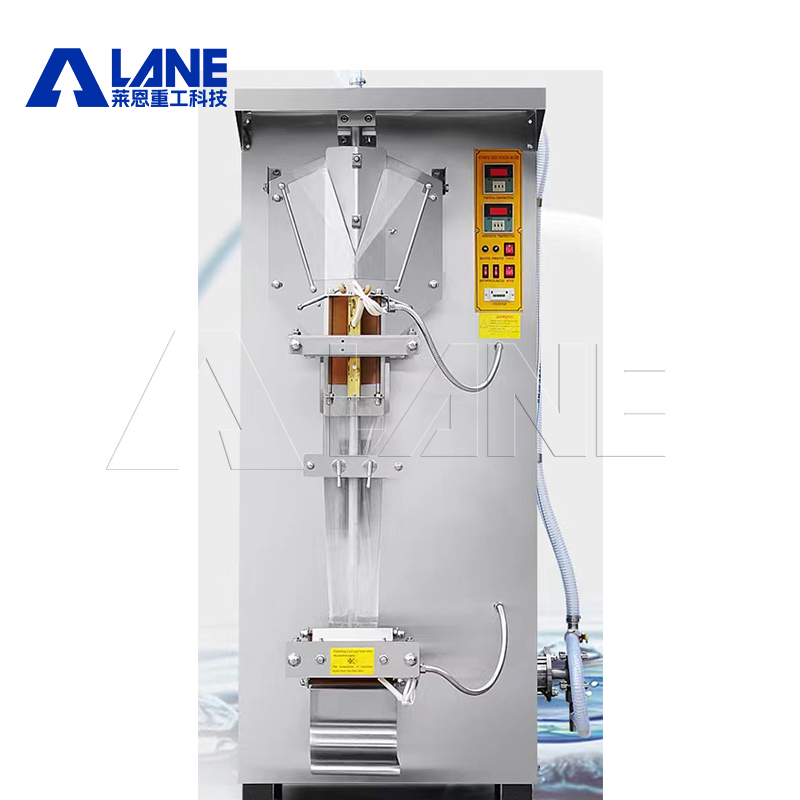
A great packaging system allows for a good marketing tool for B2B distributors or large-scale farm managers. Our systems include automated multi-stage filters and precision filling machines that allow you to bottle and brand your own liquid fertilizer for internal use or external sale.
Impact on Tomato Quality and Marketability
Beyond yield volume, the quality of the tomato defines its market value. Tomatoes grown with a balanced organic liquid fertilizer production system typically exhibit:
At LANE Heavy Industry, we understand that every farm has unique needs. Our engineering team specializes in designing bespoke production lines that fit your specific raw material profile and output requirements. With ISO9001 certification and decades of experience in heavy machinery, we ensure that your investment in an organic liquid fertilizer production system for tomato farms is durable, efficient, and easy to maintain.
What is an organic liquid fertilizer production system for tomato farms?
It is a system that converts organic waste into nutrient-rich liquid fertilizer specifically designed to support tomato plant growth.
Why choose LANE Heavy Industry machinery?
LANE Heavy Industry offers advanced, durable, and automated systems that ensure efficient production, consistent quality, and long-term reliability.
Can this system replace chemical fertilizers completely?
Yes, in most cases, it can fully replace chemical fertilizers while improving soil health and sustainability.
Is the system suitable for small farms?
Yes, LANE Heavy Industry provides scalable solutions that can be tailored to small, medium, and large farms.
How does it improve tomato yield?
By delivering easily absorbable nutrients and enhancing soil health, the system promotes better plant growth, flowering, and fruit development.
For more details, please feel free to contact us.
Henan Lane Heavy Industry Machinery Technology Co., Ltd.
Email: sales@lanesvc.com
Contact number: +86 13526470520
Whatsapp: +86 13526470520
Leave a Comment
Latest Posts
LANE has more than 500 successful cases and is committed to providing customers with first-class solutions, high-end machinery and equipment, and one-stop pre-sales, sales and after-sales comprehensive customer service.