
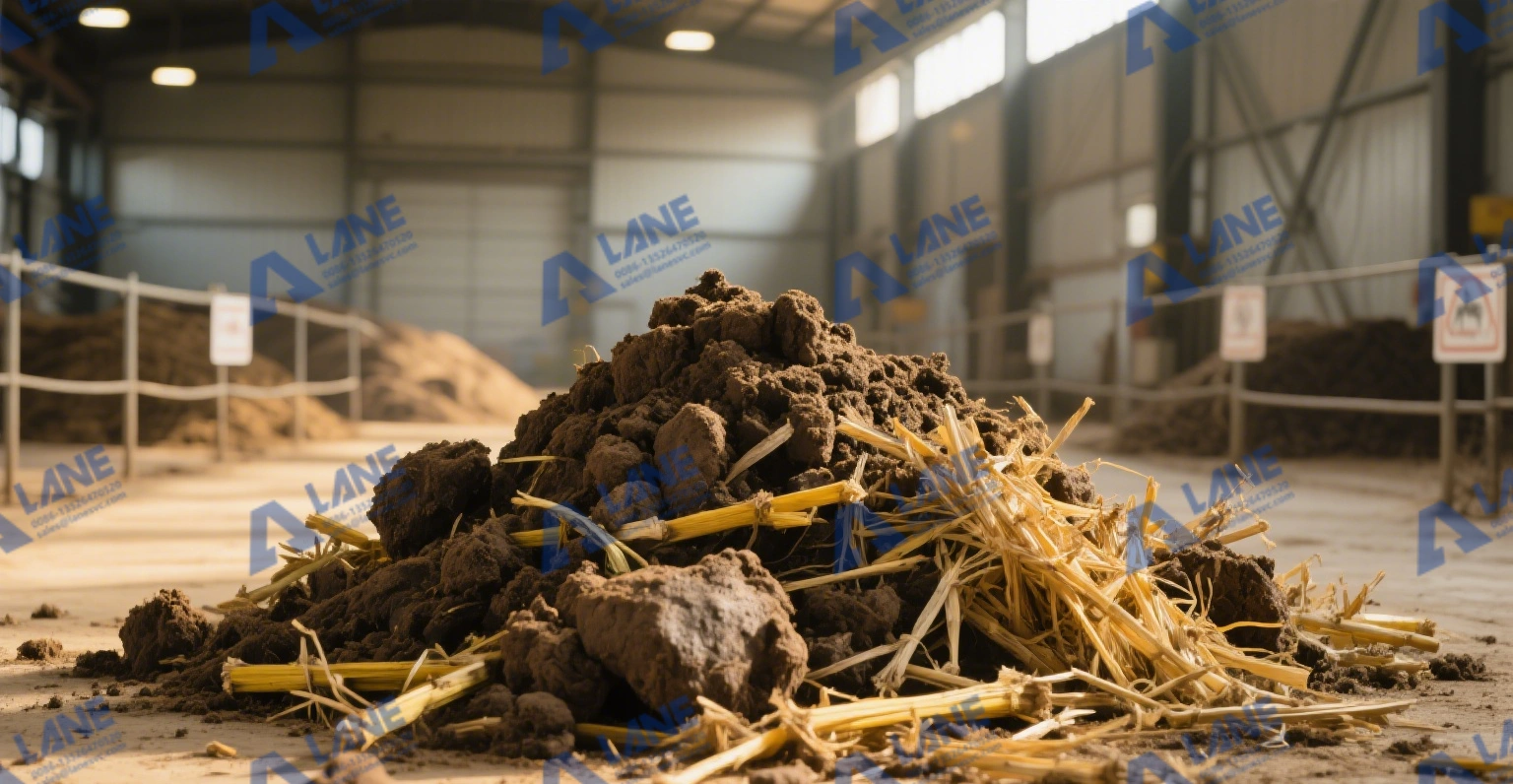
How to Make Liquid Fertilizer from Animal Manure: 4 Routes
How to make liquid fertilizer from animal manure is less about a single recipe and more about matching a route to your manure, and the honest judgment is that the wetter and stronger the slurry, the more you need separation before fermentation.
The real risk for a buyer is not the cost of a tank but producing an unstable product that separates in the container and fails every nutrient test.
This guide covers four routes across cattle, pig, chicken and horse manure, with the equipment, cost and compliance checks behind each one.
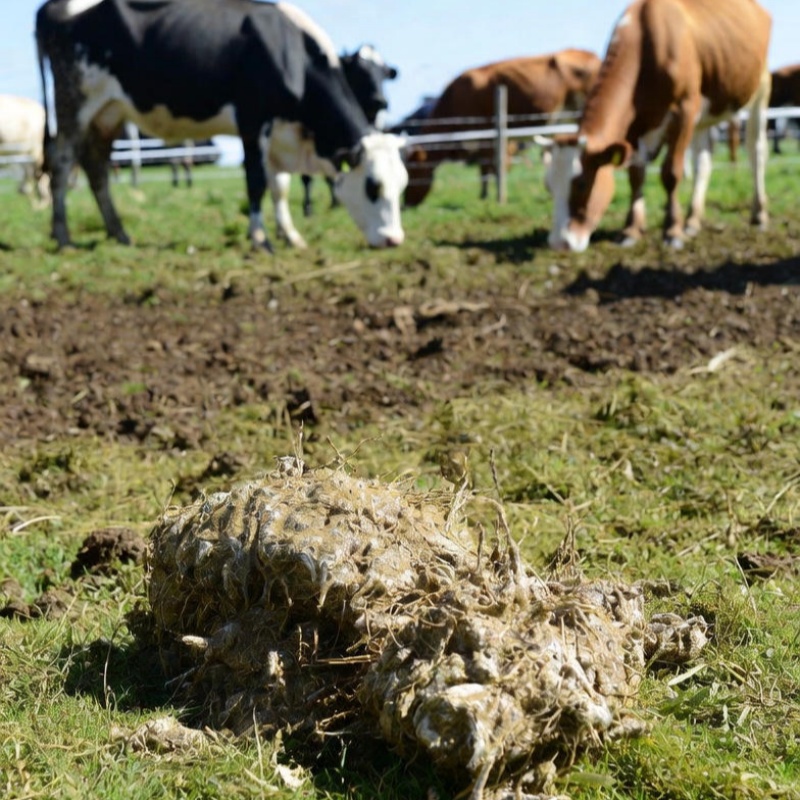
Manure is not one material. In how to make liquid fertilizer from animal manure, its moisture, fibre and nutrient profile decide whether you digest it, ferment it aerobically, or stabilise it in a controlled tank.
Choosing a route first saves more money than comparing tank prices, because it tells you which equipment you actually need and which stages you can leave out.
|
Manure |
Profile | Fitting route |
| Cattle manure | Fibrous, high solids |
Solid–liquid separation then aerobic fermentation |
|
Pig manure |
Very wet slurry | Separation, anaerobic digestion or controlled tank |
| Chicken manure | High nitrogen, strong odour |
Separation plus enclosed fermentation and pH control |
| Horse manure | Dry, fibrous, easy |
Simpler aerobic steep or direct extraction |
The table is the starting decision, not the whole story. Cattle and pig slurries are wet enough to demand solid–liquid separation first; chicken manure needs odour and nitrogen control; horse manure is forgiving enough for a simple aerobic steep. Pick the route that matches your manure before you pick the tank size.
Most small-scale guides tell you to mix manure with water and let it steep, which works for a bucket but not for a line you sell from.
At commercial scale you need to take the solids out first with a screw-press or screen separator, because solids cause settling, block filters and ruin stability later.
This is the most under-budgeted step, and skipping it is how a batch that looks fine in the tank ends up as sludge in the bottle.

In how to make liquid fertilizer from animal manure, anaerobic digestion works well for very wet pig slurry, capturing gas and leaving a nutrient-rich liquor, but it needs a sealed digester and retention time.
Aerobic fermentation in an open or enclosed tank is simpler, faster, and better suited to cattle, chicken and horse manure, where you control temperature, pH and aeration. The choice is dictated by your manure’s moisture and your odour tolerance, not by fashion.
After fermentation the liquor is stabilised, pH-adjusted into the useful microbial window, filtered to remove debris and suspended solids, and filled under controlled conditions. A dedicated filling line keeps the product consistent and lets you sell in IBC totes or drums. The tank, filter and filler are the three machines that decide whether your product holds together on the shelf.
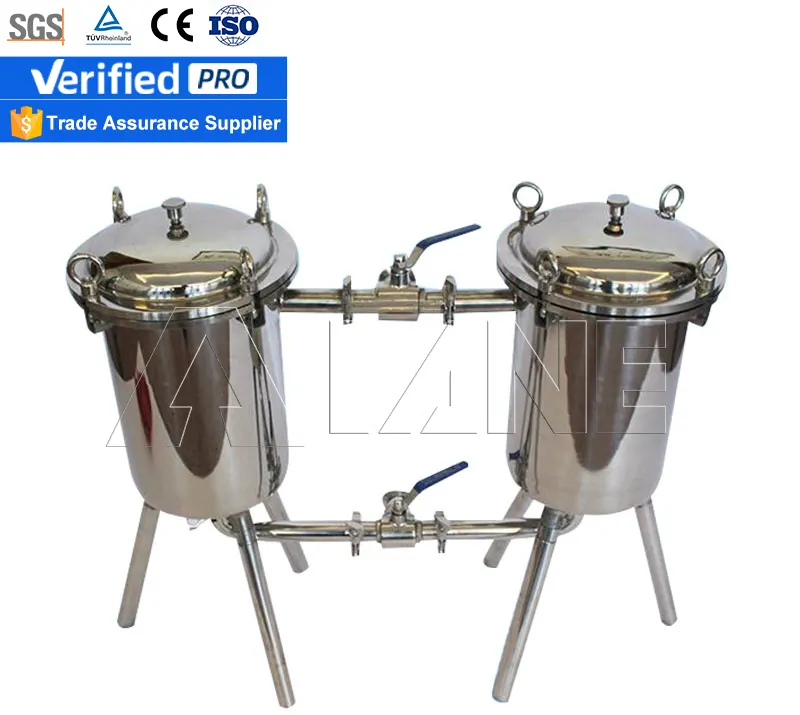
In making liquid fertilizer from animal manure, the headline cost is the tank, but the separation stage, the filtration unit and the filling line together often cost more than the reactor. A pig-slurry line spends heavily on dewatering and digestion, while a horse-manure line can run lean on a tank and filler alone. Budget the whole route—separation, fermentation, filtration, filling—before you compare quotes.
In how to make liquid fertilizer from animal manure, selling liquid fertilizer means declaring what is in it. Test nutrient concentration, pH, and solubility, and meet the nutrient-declaration and safety rules of the market you export to.
An enclosed, instrumented line makes the batch record easier to prove than open steeps, which is what an inspector and a repeat buyer will ask for.
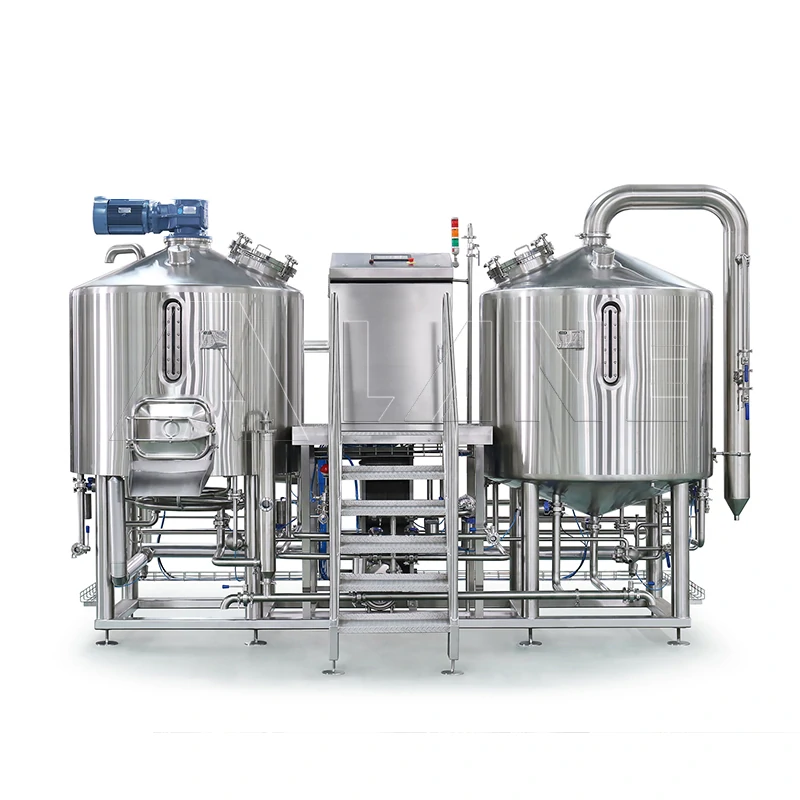
Size backwards from your weekly manure volume when planning how to make liquid fertilizer from animal manure at scale. A small farm fits a compact separation plus one fermentation tank; a larger operation combines digestion or aerobic tanks, filtration and an automated filling line into a full liquid fertilizer plant.
LANE supplies stainless steel mixing tanks, dewatering machines, fermentation tanks and filling lines, with layout design and overseas installation sized to your manure.
Can this line process all animal manures—cattle, pig, chicken and horse manure?
Yes, but each needs its own route: separate the wet pig and cattle slurry first, contain chicken manure for odour, and horse manure can run a simpler aerobic steep.
Can it handle very wet slurry and fibrous manure together?
Wet slurry is dewatered by the separator before fermentation, and fibrous material is screened out, so both fractions are managed as separate stages in one line.
What solids and impurities can the system tolerate?
The screen and separator handle stones, straw and coarse fibre ahead of fermentation, protecting the tank and filter; heavy contamination should be removed at intake.
What capacity can the line reach?
Capacity is sized to your weekly manure volume and target output, from a compact single-tank farm line to a full plant with automated filling.
How long does delivery and installation take?
Lead time depends on line size and configuration; ask for a delivery and commissioning timeline quoted against your capacity before ordering.
How long does the fermentation take per batch?
Aerobic batches typically take days to a few weeks depending on temperature and aeration; anaerobic digestion needs a longer retention time in a sealed tank.
Anaerobic or aerobic—which fits my manure?
Choose by moisture and odour tolerance: very wet pig slurry suits anaerobic digestion; cattle, chicken and horse manure usually fit faster aerobic tanks.
What warranty and after-sales support do you provide?
LANE provides a 5-year warranty, overseas installation and commissioning, with spare parts and maintenance guidance for the separation, tank and filling stages.
Can the voltage and filling format be customised?
Yes—voltage, line layout and container format (IBC tote or drum) are customised to your site and market, so confirm them with the quotation.
Before you commit to making liquid fertilizer from animal manure, confirm three things with the supplier: the separation and filtration stages for your wettest manure, the nutrient-testing and compliance method for your market, and the filling format you will sell in. A route that skips separation or testing is a liability, not a saving.
LANE supplies CE and ISO 9001 certified liquid fertilizer equipment. Send your manure type and target output to LANE at https://laneliquidfertilizerequipment.com/ for a line quotation.
Leave a Comment
LANE has more than 500 successful cases and is committed to providing customers with first-class solutions, high-end machinery and equipment, and one-stop pre-sales, sales and after-sales comprehensive customer service.