
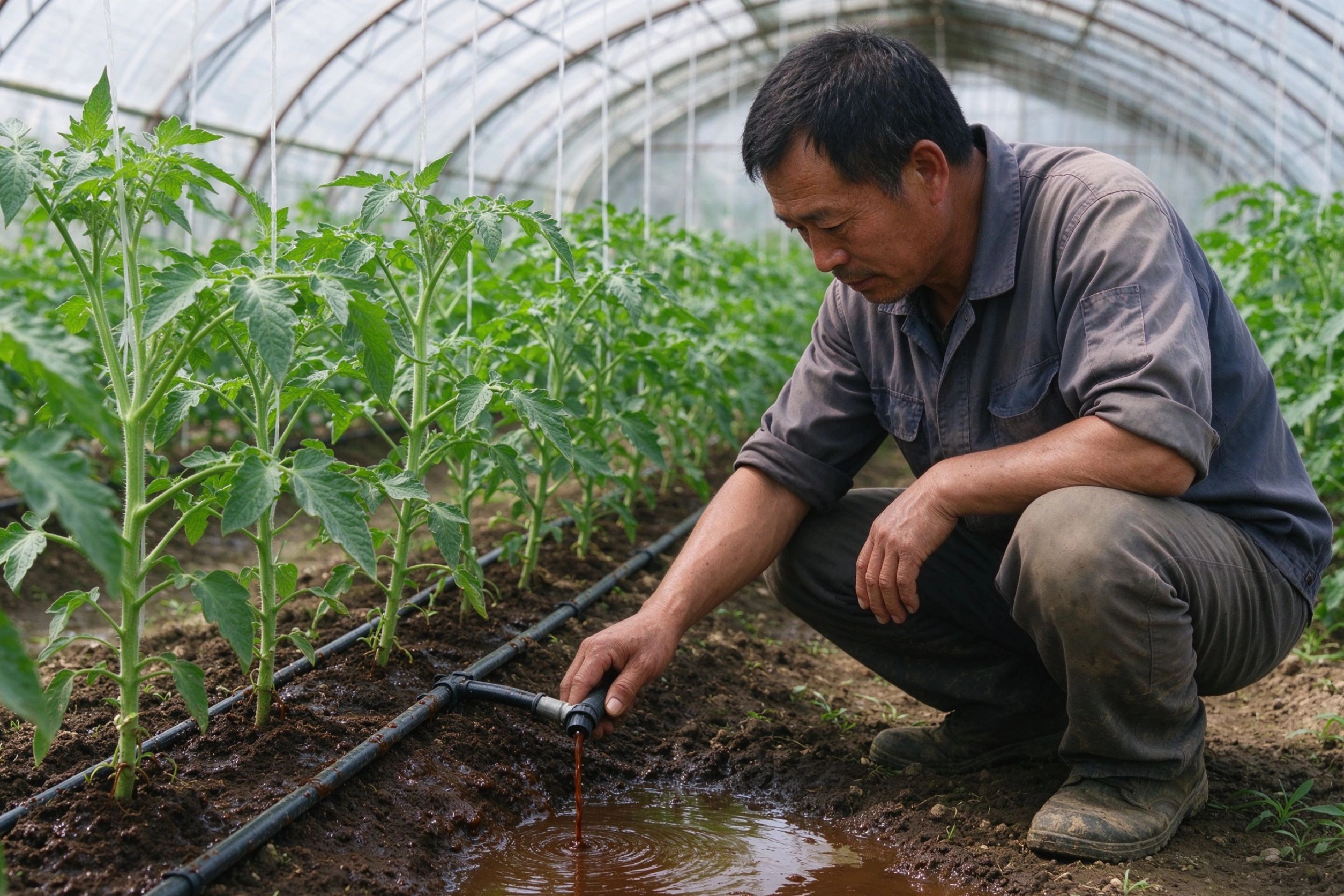
Bio-liquid Fertilizer for Greenhouse: A Grower’s Guide
Ask anyone who runs a sealed greenhouse and you will hear the same refrain: feeding is where the problems start.
Salt builds up, lines clog, and a fertilizer sits in the root zone doing nothing useful.
Bio-liquid fertilizer for greenhouse growing changes that, because the nutrients arrive already dissolved and ready to use. They travel through the drippers, reach the roots within hours, and leave almost nothing behind that can burn or accumulate.
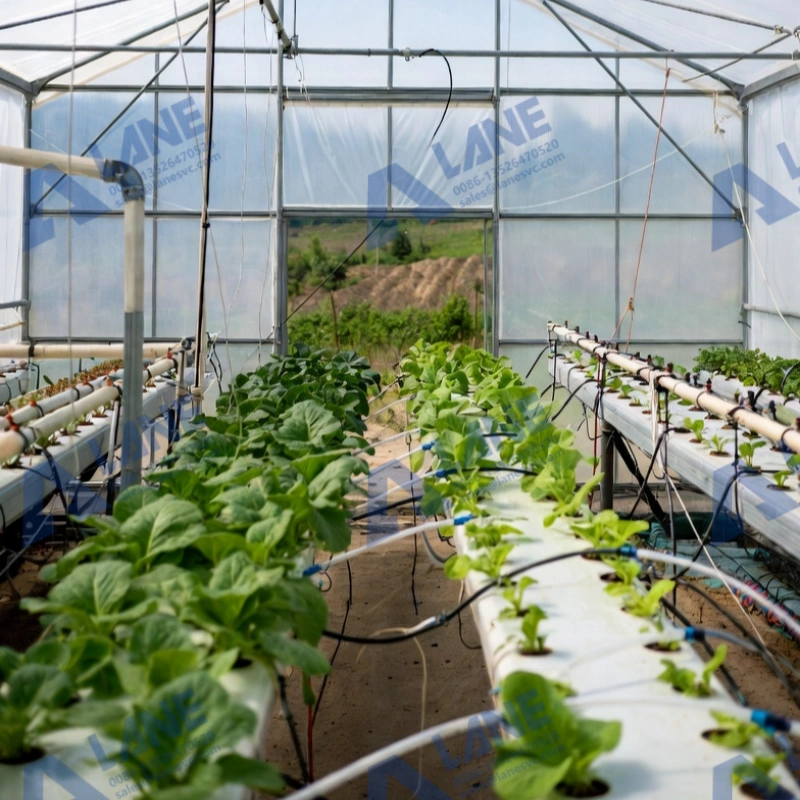
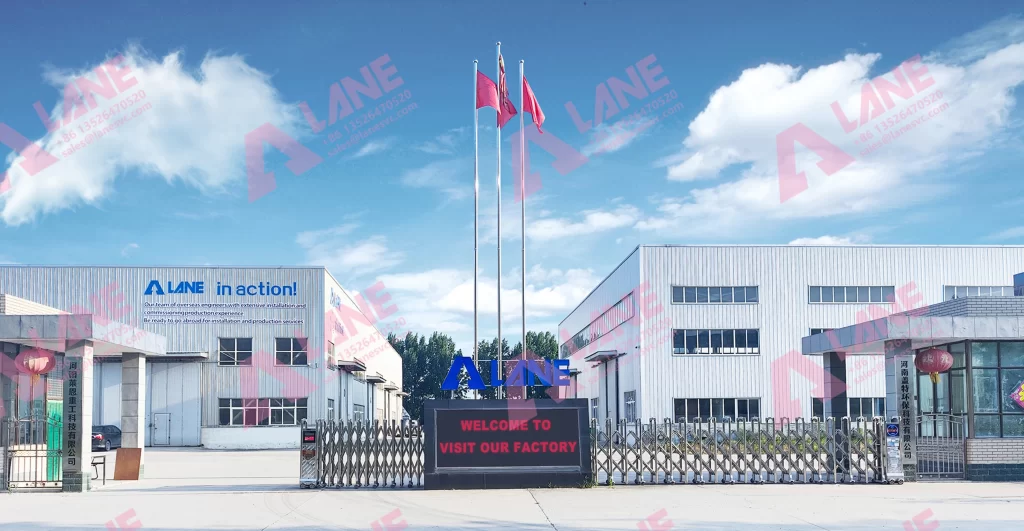
This guide is written for the grower who wants to understand the product, the numbers that matter, and what to check before buying from a plant maker like LANE, which has supplied liquid fertilizer equipment for over two decades.
The honest version is not complicated.
Below are the real benefits, the parameters worth reading on a label, the crops that reward it most, and the questions that come up again and again.
Uptake is the first thing that wins people over.
Because the product is already a liquid, plants do not wait for granules to dissolve or for soil microbes to break them down.
In our experience absorption can clear 80 percent when it is fed through drip fertigation, which is noticeably better than most solid products.
That speed matters most during fruit set, when a tomato plant is pulling hard on nutrients every single day.
The low-salt profile is the quiet hero in a greenhouse.
Rain does not wash the soil here, so anything you add tends to stay. With a bio-liquid fertilizer, free salts stay low and residue stays minimal, which keeps the EC meter from creeping up over a long crop.
There is also a soil angle that chemical liquids simply do not bring.
The organic matter and beneficial microbes carried by a bio-liquid fertilizer improve structure and keep the root zone alive, so the same bed stays productive season after season.
From a labor standpoint it is easy to automate. Mixed into the fertigation water, it meters out evenly through the drip lines, so you spend less time walking rows with a watering can.
Not every bio-liquid fertilizer is the same, and the label tells most of the story if you know what to look for.
For greenhouse work you want balanced N-P-K, a useful organic matter figure, a pH close to neutral and an EC low enough for frequent feeding.
The table below shows the ranges we usually recommend for a greenhouse crop. Treat them as a starting point; your water source and the crop stage will move the numbers.
|
Parameter |
Typical Value |
| N-P-K ratio |
Balanced, e.g. 4-3-6 or crop-specific |
|
Organic matter |
10-20%, from fermented sources |
| pH |
Mildly acid to neutral, about 5.5-7.0 |
|
EC / density |
Low EC for frequent fertigation |
| Application |
Drip, sprinkler or foliar |
| Microbial content |
Beneficial microbes for root zone |
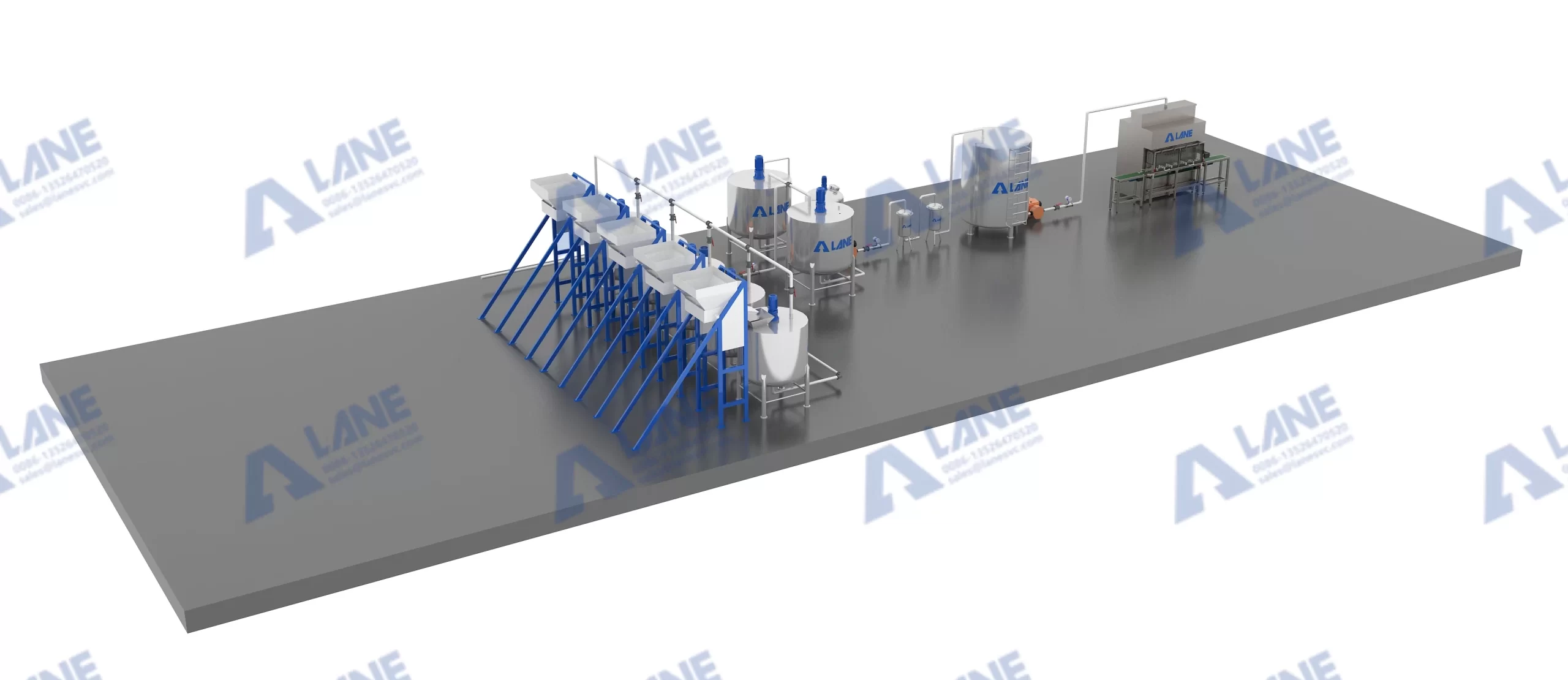
On the production side, a bio-liquid fertilizer line starts with fermentation or extraction, then solid-liquid separation, blending, homogenizing, filtering and finally filling.
LANE can supply every machine separately or a full liquid fertilizer production line, and they handle overseas installation too.
For you, the practical result is a consistent product batch after batch, because dosing and moisture are controlled automatically.
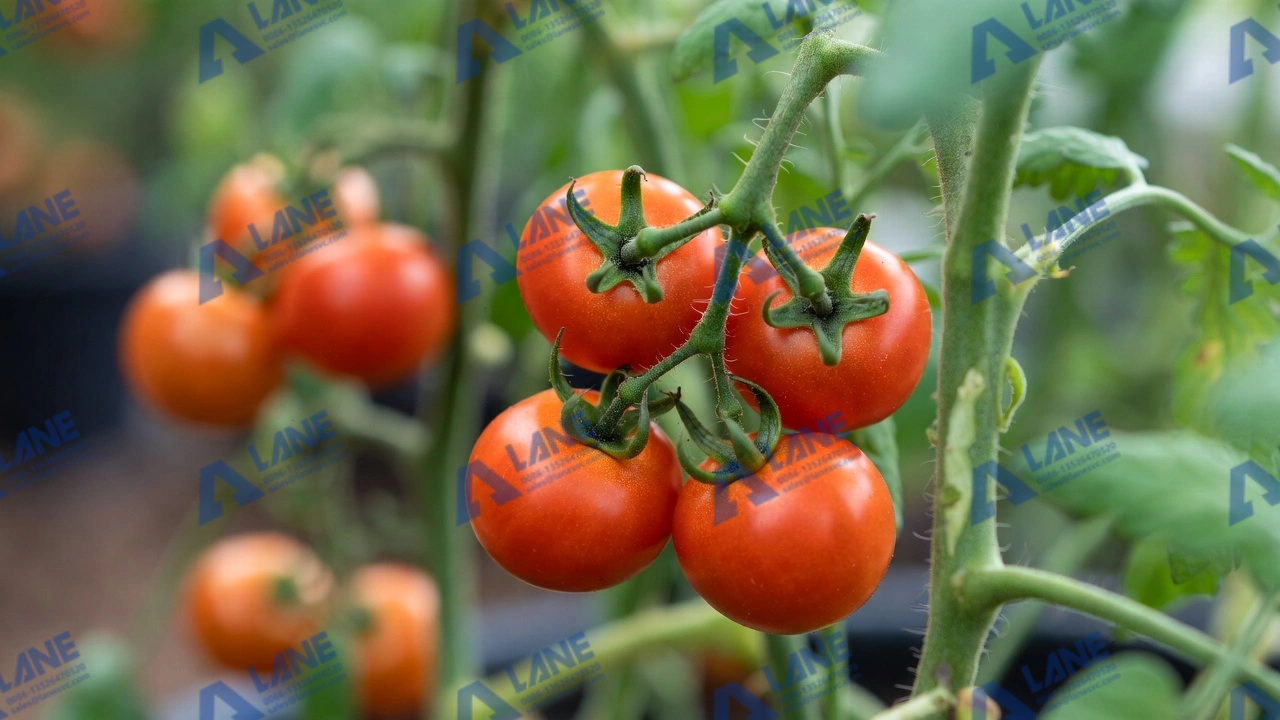
Tomatoes are the classic case.A long harvest window means the plant needs a steady, gentle feed, and this bio-liquid fertilizer delivers without overloading the root zone.
Cucumbers behave in a similar way and respond well to frequent low-strength feeding.
Peppers, eggplants and leafy greens like lettuce and spinach all benefit from the fast nitrogen and the clean, low-salt profile that keeps leaves crisp at market.
Flowers and bedding plants are another fit, especially when you are growing for uniform quality across a bench rather than raw tonnage.
For seedling and nursery blocks, the gentle start and the microbial boost matter most, because young roots are easy to overfeed.
And if you run an organic or low-chemical program, choosing a liquid organic feed made from plant or animal sources helps you stay compliant while keeping yields strong.
Is a bio-liquid fertilizer safe to use on greenhouse vegetables every week?
Yes, if you dilute to the recommended rate. The low-salt profile means frequent feeding is fine, but keep an eye on EC and flush the lines with clean water once in a while.
How do I apply it with drip irrigation?
Add it to the fertigation water at the label rate, run a clean-water flush after feeding, and check the EC of the drain water now and then.
What separates a bio-liquid from a chemical liquid fertilizer?
The bio version is fermented from organic sources and carries organic matter and microbes that feed the soil, while chemical liquids are synthetic and faster-acting but offer nothing to soil life.
Can LANE build a bio-liquid fertilizer production line?
Yes. LANE supplies single machines and complete liquid fertilizer production lines, with overseas installation and a five-year warranty.
Choosing a bio-liquid fertilizer is not about following a trend; it is about matching the product to your crop, your water and the quality you sell into.
For most greenhouse growers, the combination of fast uptake, low salt and soil-friendly biology makes it a practical choice that also cuts feeding labor.
If you are thinking about producing it yourself, LANE can help you size a line around your feedstock and target capacity. Send them your numbers, and you will get a proposal built for your greenhouse.
Leave a Comment
LANE has more than 500 successful cases and is committed to providing customers with first-class solutions, high-end machinery and equipment, and one-stop pre-sales, sales and after-sales comprehensive customer service.