
10 Ton Per Hour Liquid NPK Fertilizer Manufacturing Plant: A Step-by-Step Setup Guide
Liquid fertilizer provides nutrients in liquid concentration form which has faster absorption rate and efficiency. The demand of liquid fertilizer is growing as the modern agriculture is shifting toward precision farming and fertigation systems. Liquid NPK (Nitrogen, Phosphorus, and Potassium) formulas offer faster absorption and application compared to the traditional NPK fertilizer. Agribusiness who wants to invest in the liquid fertilizer production line, a 10 ton per hour liquid NPK fertilizer manufacturing plant offers lucrative opportunity. It is designed to target the large-scale commercial agriculture, greenhouse farming, and export-oriented fertilizer markets.
Setting up an industrial facility requires planning, designing, and engineering of reliable machinery. LANE Heavy Industry has designed a production facility capable of producing premium liquid NPK fertilizers with consistent nutrient content and high market value. This guide explains how to build a 10 ton per hour liquid NPK fertilizer manufacturing plant, including plant design, equipment selection, production process, land requirements, investment considerations, and operational strategies.
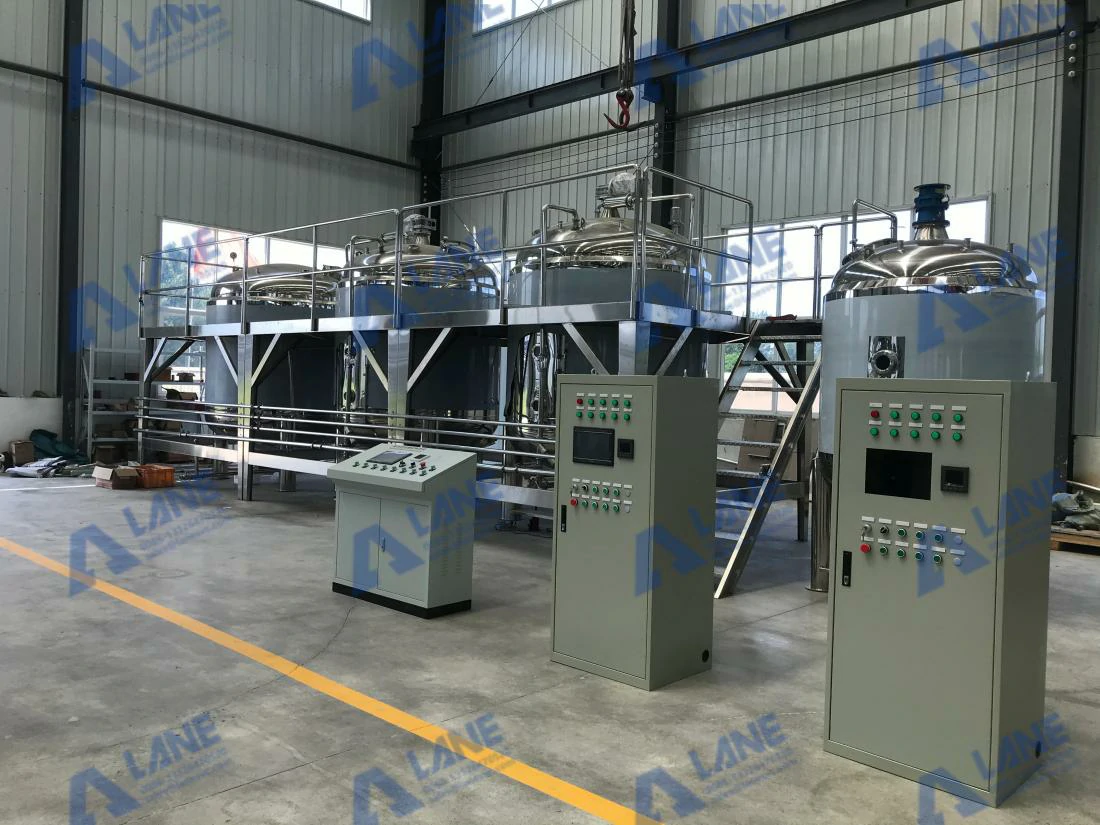
A right partner can determine the operational efficiency and product quality of your 10 ton per hour liquid NPK fertilizer manufacturing plant. LANE Heavy Industry custom manufactures durable corrosion resistant 304, 316 industrial grade reactors and mixers for the liquid fertilizer production lines. Liquid fertilizer manufacturing involves handling highly corrosive chemical raw materials such as phosphoric acid, urea, and potassium chloride. Our machines are fully integrated with PLC (Programmable Logic Controller) automation systems, which lets producer control the production line from one single area. Our sensors can detect the pH levels and automatically provide solution for higher pH levels.
For more details, please feel free to contact us.
Henan Lane Heavy Industry Machinery Technology Co., Ltd.
Email: sales@lanesvc.com
Contact number: +86 13526470520
Whatsapp: +86 13526470520
A 10 ton per hour liquid NPK fertilizer manufacturing plant offers several advantages to the manufacturers. It has higher production efficiency and can form stable nutrients formulation. LANE Heavy industry provides fully automatic intelligent liquid fertilizer in which producer can change the recipe with press of a button. The whole system is automatic which means; it needs fewer worker to produce fertilizer. Liquid fertilizer is water soluble and has high market demand in modern agriculture. They dissolve quickly in the water, and provide rapid absorption and work perfectly with modern irrigation system.
Facility Site Planning and Infrastructure
Manufacturers must build the foundational infrastructure before they can assemble the machinery and start manufacturing.
Space and Zoning Requirements
A liquid fertilizer production plant operating at 10 ton per hour requires approximately 1,500 to 2,500 square meters of space. The area is divided into few zones for safety and efficiency. These zones are:
Utility and Environmental Constraints
Liquid mixing requires industrial utility facility integration. Your facility must be equipped with a high-capacity water source, a dedicated water treatment system (to prevent mineral interference in clear liquid formulas). Your facility must have high-capacity water source, a dedicated water treatment system (to prevent mineral interference), and a three-phase power supply (380V/415V).
Step 1: Raw Material Planning
The first step in setting up a liquid NPK fertilizer manufacturing is choosing the raw materials. Producers can choose nitrogen from urea, ammonium nitrate, or ammonium sulfate and phosphorus from phosphoric acid or MAP, and potassium from KCl or potassium sulfate.
At this stage, producers define target formulations, solubility requirements, and micronutrient additions. A well-planned 10 ton per hour liquid NPK fertilizer manufacturing plant requires corrosion resistant storage tank which can handle the acidic or alkaline ingredients.
Step 2: Automatic Batching
This is one of the most crucial steps of the fertilizer manufacturing. Automatic batching and dosing system accurately weights and discharge the material into the production system. An operator can control this system from plc panel to reduce human error.
For industrial production line metering pumps, load cells, and PLC controls are important because they handle the nutrient ratio across every batch and ensure your last batch and fast batch has the same accuracy.
Step 3: Dissolving and Reaction
After batching, the raw materials enter the reaction and mixing stage. The reaction tanks are made with corrosion resistant raw materials. The solid raw materials are first dissolved with high shear mixer. It allows controlled reactions without any adverse chemical reaction. The dissolved liquid raw materials are then mixed in a main reactor. This reactor has the heating capability for proper heating.
This is critical in a 10 ton per hour liquid NPK fertilizer manufacturing plant because poor agitation or temperature control can cause sedimentation, incomplete dissolution, or crystallization. A properly dissolved raw materials by a proper engineered system keep the liquid solution uniform and market ready.
Step 4: Filtration and Purification
Once the nutrient solution is properly mixed, it is ready for filtration to remove any undissolved particles and metal still in the system. Dual filters or multi-stage filters are used in liquid fertilizer production line manufactured by LANE. These filters improve clarity and product stability.
By removing the solids, the 10 ton per hour liquid NPK fertilizer manufacturing plant reduces clogging risks in pumps, filling machines, and storage pipelines. This increases the trust among the buyer which results in bread loyalty.
Step 5: Storage and Transfer
After filtration, the finished liquid fertilizer is stored in stainless steel or corrosion-resistant tanks before packaging. In a 10 ton per hour liquid NPK fertilizer manufacturing plant, the storage tank contains slow speed agitators for stopping the liquid from settling before package. The tanks include level gauges, transfer pumps, and optional temperature monitoring.
Step 6: Filling and Packaging
The final stage of the liquid fertilizer production line is automatic filling and capping station. A 10 ton per hour liquid NPK fertilizer manufacturing plant can handle drum filling machines, bottle fillers, or IBC filling systems depending on market format and customer demand.
Automated filling improves accuracy, reduces spillage, and supports high-throughput operation. In a 10 ton per hour liquid NPK fertilizer manufacturing plant, labeling and capping systems may also be added to complete the packaging line.
It is necessary to understand the critical technical parameters of the production line to maintain a 10 ton per hour liquid NPK fertilizer manufacturing plant.
| Equipment Component | Primary Function | Key Technical Specifications (LANE Heavy Industry) | Material Grade |
| Automatic Batching Unit | Precision weighing of NPK raw materials | Weighing accuracy: ±0.2\%; Capacity: 15 Tons/hr. | SS304 / Carbon Steel Frame |
| High-Shear Reaction Vessel | Dissolution, blending, and chemical reaction | Volume: 5,000L; Agitator Speed: 0–3000 RPM (VFD controlled) | SS316L Stainless Steel |
| Industrial Colloid Mill | Micro-homogenization of suspensions | Motor Power: 22–37 kW; Micron output range: 2–50 Microns | Hardened Stainless Steel |
| Duplex Filtration System | Removal of insoluble particulate matter | Mesh Count: 80–200 mesh; Continuous mechanical switching | SS304 |
| Automatic Filling Line | Volumetric/Flowmeter bottling & capping | Filling Speed: 30–50 bottles/min (for 5L containers) | Anti-corrosive POM & SS316 |
| Centralized PLC Console | Whole-plant automation and telemetry | Siemens/Schneider Components; Touchscreen HMI interface | IP65 Rated Enclosure |

In a 10 ton per hour liquid NPK fertilizer manufacturing plant, routine maintenance determines the plants total lifecycle. The pumps, agitators, valves, seals, and filters work continuously under chemical exposure. Regular inspection prevents any accident from happening and keeps the production line steady.
Operators should also clean tanks and lines on a scheduled basis to avoid buildup and contamination between formulas. With proper maintenance, a 10 ton per hour liquid NPK fertilizer manufacturing plant can maintain quality, extend equipment life, and lower operating cost.
Q1: What is a 10 ton per hour liquid NPK fertilizer manufacturing plant used for?
It is used to produce high-volume liquid compound fertilizer with controlled nutrient ratios for commercial agriculture.
Q2: What equipment is essential?
The core equipment includes batching systems, reaction tanks, mixers, filters, storage tanks, and automatic filling machines.
Q3: Can the plant make different formulas?
Yes, a 10 ton per hour liquid NPK fertilizer manufacturing plant can be configured for multiple formulations if it uses PLC-controlled batching and proper tank cleaning.
Q4: Why use stainless steel tanks?
Stainless steel improves corrosion resistance and supports long-term operation with liquid fertilizer ingredients.
For more details, please feel free to contact us.
Henan Lane Heavy Industry Machinery Technology Co., Ltd.
Email: sales@lanesvc.com
Contact number: +86 13526470520
Whatsapp: +86 13526470520
Leave a Comment
Latest Posts
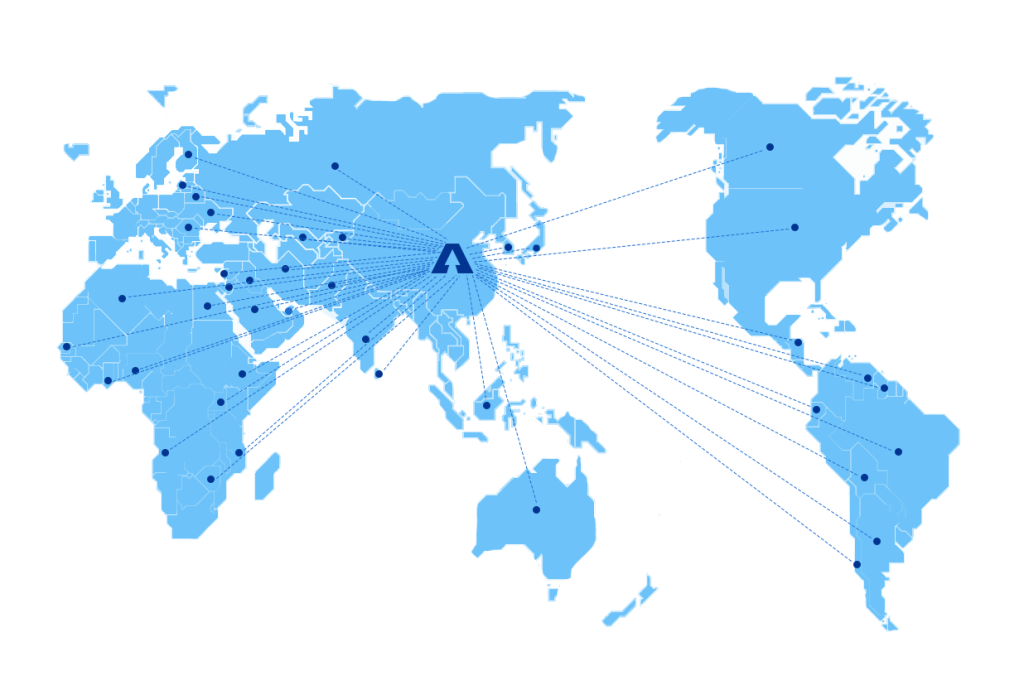
LANE has more than 500 successful cases and is committed to providing customers with first-class solutions, high-end machinery and equipment, and one-stop pre-sales, sales and after-sales comprehensive customer service.