
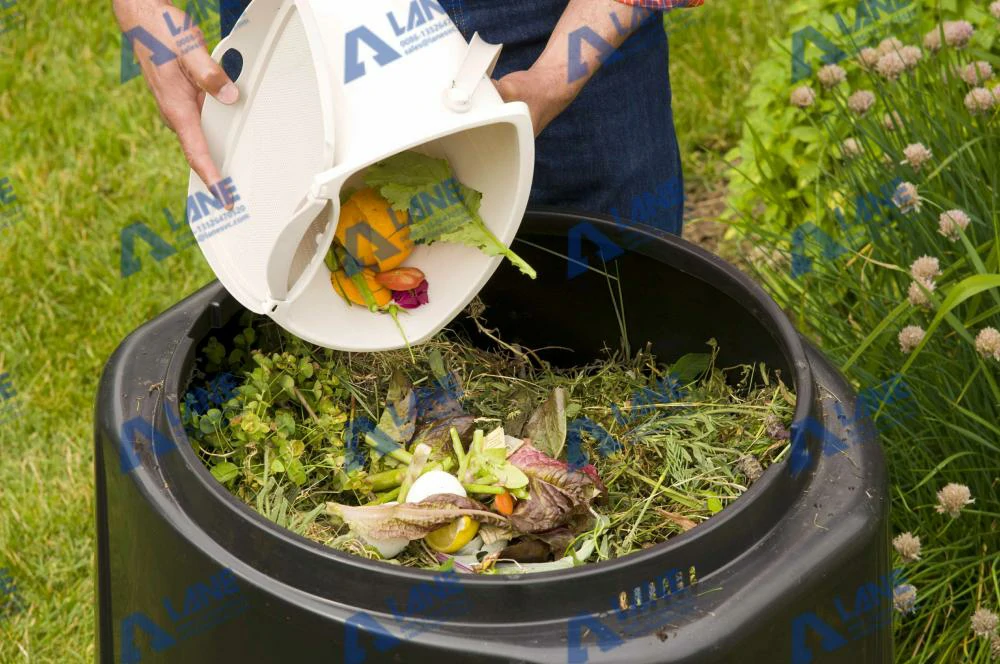
Transforming Waste into Wealth: Liquid Fertilizer from Fruit and Vegetable Waste
Liquid fertilizer from fruit and vegetable waste is one of the most sustainable and innovative solutions in modern agriculture. With an increasing emphasis on organic farming and eco-friendly solutions, utilizing food waste to create nutrient-rich liquid fertilizer is not just a trend but a revolutionary step towards a circular economy in agriculture. As we face the challenges of food waste, soil degradation, and the overuse of chemical fertilizers, liquid fertilizer from fruit and vegetable waste offers a compelling answer to these pressing issues.
Traditional chemical fertilizers have long been a staple in agriculture, boosting crop yields and productivity. However, over-reliance on chemical inputs has led to a series of negative environmental consequences, including soil degradation, water pollution, and the loss of biodiversity. Additionally, the high cost of chemical fertilizers makes them less accessible to smallholder farmers, especially in developing countries.
In response to these challenges, organic fertilizers have gained significant popularity in recent years. Among organic solutions, liquid fertilizers made from fruit and vegetable waste have proven to be particularly effective. These fertilizers are rich in micro-nutrients, amino acids, organic acids, and other essential plant nutrients, making them an excellent choice for improving soil health and boosting crop production sustainably.
Fruit and vegetable waste is one of the most abundant forms of organic waste in the world, particularly in urban areas where large amounts of food scraps are generated daily. In fact, approximately 1.3 billion tons of food are wasted each year globally, a large portion of which consists of fruits and vegetables. Instead of letting this waste go to landfills or incinerators, converting it into liquid fertilizer is an environmentally responsible and economically viable solution.
Fruits and vegetables, especially those that are overripe, discarded, or remain unsold, contain a wealth of nutrients such as:
Potassium (K): Crucial for improving plant resilience, especially against drought and diseases.
Phosphorus (P): Important for root development and flowering.
Nitrogen (N): Essential for leaf growth and overall plant health.
Vitamins and Amino Acids: Boost plant metabolism and overall growth.
These nutrients, when extracted and transformed into liquid fertilizer, create a bioavailable form that plants can quickly absorb, leading to faster growth and higher yields.
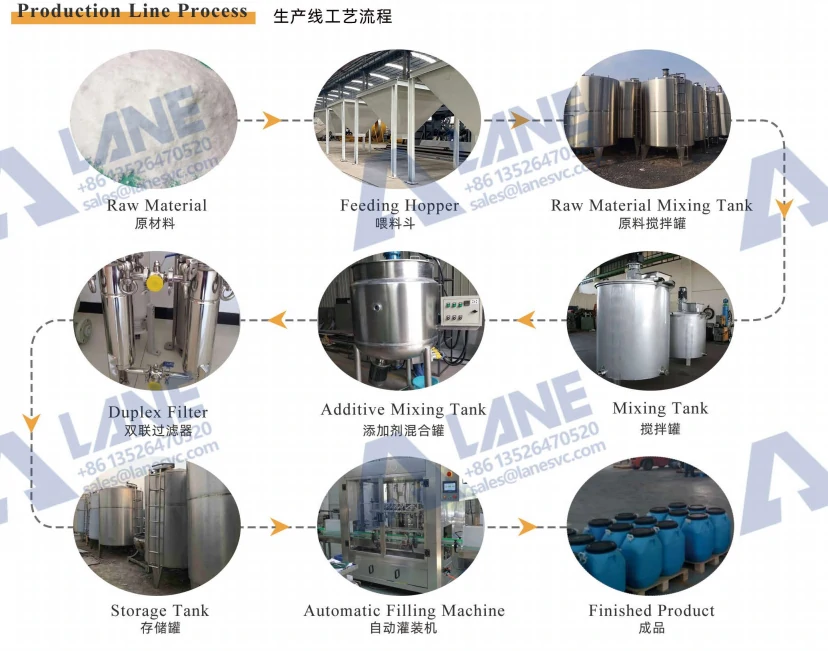
(1) Collection and Sorting of Waste
The first step in creating liquid fertilizer from fruit and vegetable waste is to collect and sort the organic waste. This includes overripe fruits, vegetable trimmings, and other plant-based scraps. To ensure the process is efficient, the waste is sorted to remove any non-organic contaminants, such as plastic or metal.
(2) Fermentation Process
Once the fruit and vegetable waste is prepared, it undergoes a fermentation process. This can be done through either aerobic or anaerobic fermentation. During fermentation, beneficial microorganisms (such as bacteria, fungi, and yeast) break down the organic matter, converting it into simple compounds that are easily absorbed by plants.
Fermentation has several benefits:
Breaks down complex organic matter into smaller, bioavailable forms.
Increases nutrient availability and makes them easier for plants to absorb.
Produces organic acids that help improve soil structure and pH.
(3) Filtration and Straining
After fermentation, the mixture is filtered through a dual filter to remove solid particles. Then the liquid is extracted and stored in a stainless steel storage tank. The liquid fertilizer can be concentrated or diluted depending on the desired application. Concentrated versions are used for crops with high nutrient demands, while diluted versions are ideal for general soil conditioning.
(4) Additional Nutrient Additives
To further enhance the effectiveness of the liquid fertilizer, additional organic materials such as seaweed extract, molasses, or humic acid may be added. These additives provide extra trace minerals and growth hormones that promote healthy plant development.
The exact composition of the liquid fertilizer will vary depending on the types of fruit and vegetables used, but typical nutrients found in these fertilizers include:
Nitrogen (N): Important for chlorophyll production and overall plant health.
Phosphorus (P): Supports root development, flowering, and fruiting.
Potassium (K): Strengthens cell walls, improving plant structure and disease resistance.
Calcium (Ca): Enhances cell wall integrity and helps prevent blossom end rot in fruit crops.
Magnesium (Mg): Essential for photosynthesis and overall plant health.
Micronutrients: Includes boron, zinc, iron, and manganese, all of which are vital for various plant metabolic processes.
These nutrients not only nourish plants but also improve soil health by increasing microbial activity and promoting nutrient cycling.
Eco-friendly Solution
By recycling fruit and vegetable waste into liquid fertilizer, we reduce the environmental impact of waste disposal. Instead of food scraps going to landfills, where they would produce methane gas, they are transformed into a useful product that improves soil fertility and reduces the need for synthetic fertilizers.
Cost-Effective and Accessible
For farmers, especially those in developing countries, liquid fertilizer from fruit and vegetable waste is a cost-effective alternative to chemical fertilizers. The raw materials are abundant and often free, especially for local farmers who produce or sell fruits and vegetables. Additionally, the production process is relatively simple, requiring minimal capital investment.
Improves Soil Health
Liquid fertilizers made from fruit and vegetable waste not only feed the plants but also improve the soil structure. The organic matter in the fertilizer helps increase soil organic content, improving its water retention, aeration, and drainage. This leads to healthier plants and more sustainable farming practices.
Versatility in Use
Liquid fertilizers from fruit and vegetable waste can be used for a wide range of crops, including vegetables, fruits, flowers, and even ornamental plants. They can be applied through foliar spraying, drip irrigation, or soil application, making them highly versatile and adaptable to different farming techniques.
Liquid fertilizer made from fruit and vegetable waste can be applied in several ways:
Foliar Spray: Spray the liquid fertilizer directly onto the plant leaves. This is a quick way for plants to absorb nutrients.
Drip Irrigation: Mix the liquid fertilizer with water and apply it directly to the root zone via irrigation systems. This ensures deep penetration into the soil.
Soil Drenching: Pour the liquid fertilizer directly onto the soil around the plants, allowing nutrients to be absorbed by the roots.
Recommended Dilution:
For general use, dilute the liquid fertilizer at a ratio of 1:10 (one part fertilizer to ten parts water). For heavy feeders or crops in the growing phase, a stronger concentration can be applied.
In a world where sustainable practices are becoming more urgent, liquid fertilizer from fruit and vegetable waste offers a simple yet powerful solution. By turning food scraps into valuable resources, we can reduce waste, improve soil health, and reduce the environmental impact of conventional chemical fertilizers. This not only supports a healthier planet but also offers farmers an accessible, affordable, and effective way to increase crop yields sustainably.
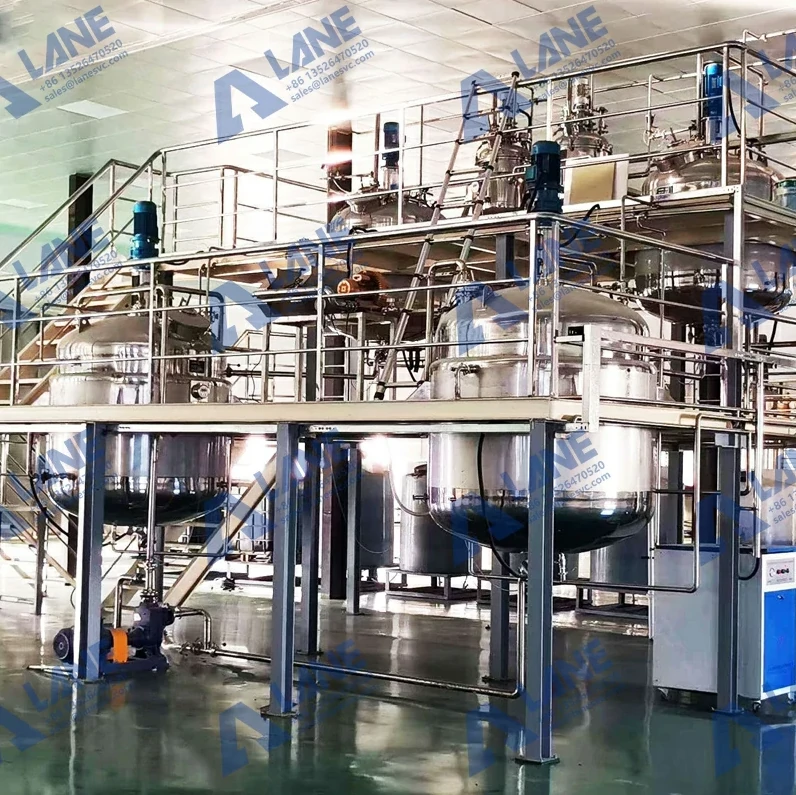
With the right technology and investment in production systems, liquid fertilizer made from fruit and vegetable waste is poised to play a key role in the future of sustainable agriculture.
For more details, please feel free to contact us.
Henan Lane Heavy Industry Machinery Technology Co., Ltd.
Email: sales@lanesvc.com
Contact number: +86 13526470520
Whatsapp: +86 13526470520
Leave a Comment
Latest Posts
LANE has more than 500 successful cases and is committed to providing customers with first-class solutions, high-end machinery and equipment, and one-stop pre-sales, sales and after-sales comprehensive customer service.