
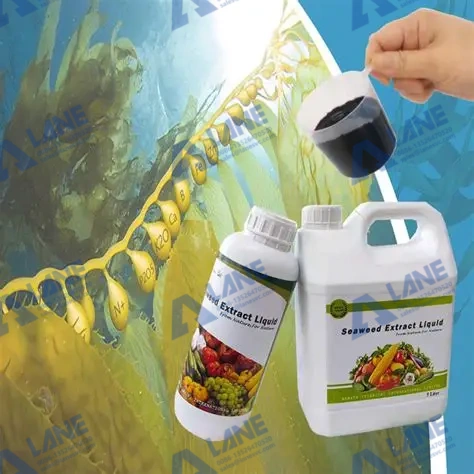
Making Seaweed Extract Fertilizer: A Step-by-Step Guide
Seaweed has been used for centuries as a natural soil booster, but today, with the help of modern processing technology, it has become a key ingredient in high-performance liquid fertilizers. The process of making seaweed extract fertilizer is both scientific and sustainable — turning renewable marine resources into powerful plant nutrition for agriculture and horticulture.
Seaweed is rich in more than 60 essential nutrients, including potassium, calcium, magnesium, amino acids, and trace minerals.
But what truly sets it apart are natural compounds like cytokinins, auxins, and gibberellins — plant growth regulators that stimulate root development, improve stress tolerance, and enhance nutrient uptake.
That’s why seaweed extract is now one of the most valuable raw materials for liquid fertilizer production.
It helps plants handle drought, salinity, and cold stress, while improving soil structure and microbial activity.
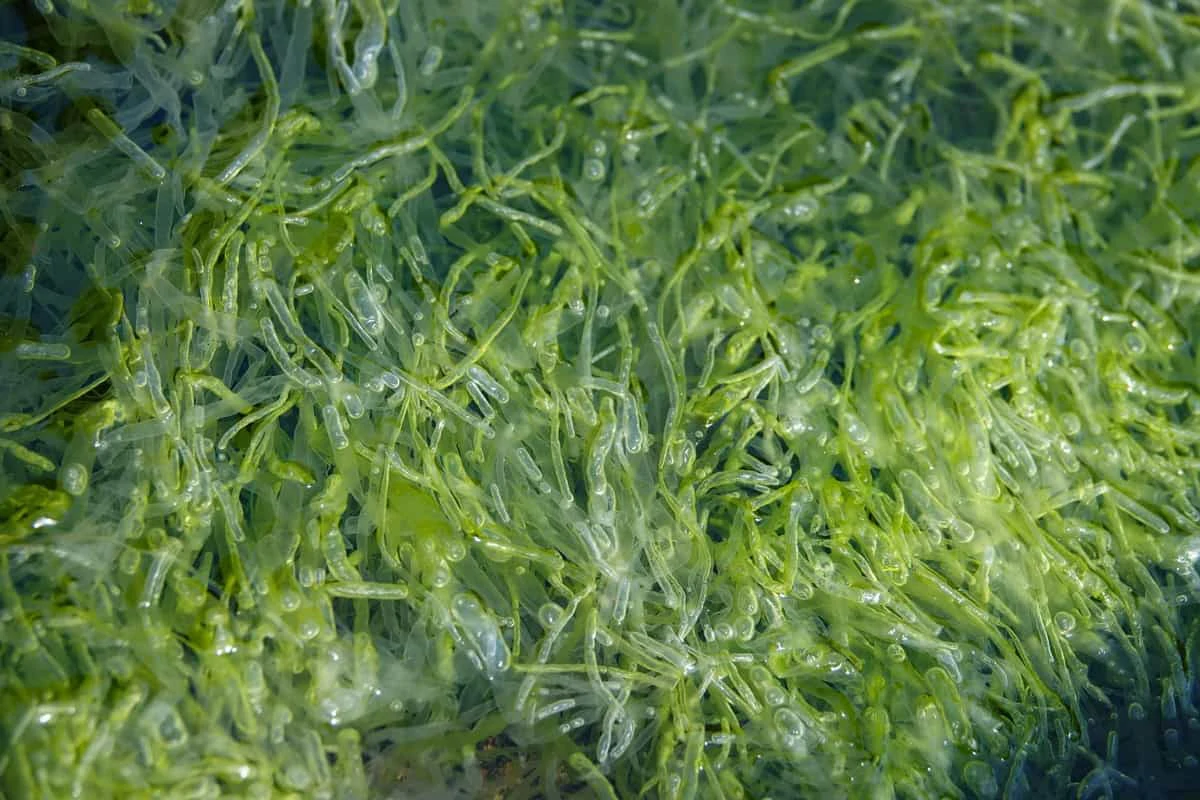
Modern seaweed extract fertilizer production combines biological, physical, and chemical techniques to release all the active substances in seaweed without destroying their natural properties.
Here’s how it typically works in an industrial or semi-industrial setup:
1.Raw Material Collection and Preparation
Fresh seaweed (often kelp, sargassum, or ascophyllum nodosum) is collected, washed to remove sand and salt, and then chopped into smaller pieces.
The cleaned material is partially dried to reduce moisture content and prevent spoilage before processing.
2.Extraction Stage
This is the heart of making seaweed extract fertilizer.
The extraction process can use several methods:
Enzymatic hydrolysis – breaking down cell walls gently using natural enzymes to release active compounds.
Alkaline extraction – using mild alkali solution at controlled temperature to extract nutrients.
Ultrasonic or mechanical crushing – physically releasing bioactive substances while preserving their structure.
For high-quality liquid fertilizer, enzymatic hydrolysis is the preferred method because it maintains biological activity and natural balance.
3.Filtration and Separation
Once extraction is complete, the liquid mixture is filtered through dual filters to remove fibers and residues.
A clear, nutrient-rich liquid remains — the base of the seaweed extract fertilizer.
Fine filtration ensures that the solution can later be used in irrigation systems or foliar sprays without clogging.
4.Concentration and Mixing
The filtered extract is then concentrated to achieve the desired nutrient density.
Depending on the formula, other natural ingredients such as humic acid, amino acids, or trace elements can be added.
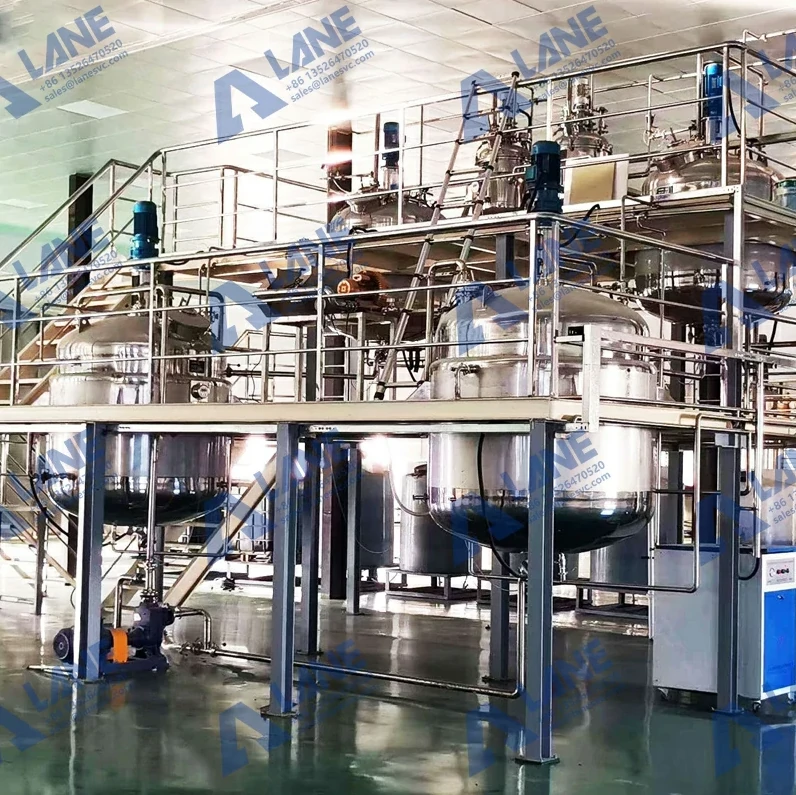
In LANE’s production systems, a liquid fertilizer mixing tank with an inline homogenizer ensures full uniformity and long-term stability of the final product.
5.Sterilization and Packaging
Before bottling, the product is sterilized using mild heat treatment or filtration to remove harmful microbes.
Finally, it’s filled into bottles or drums using an automatic liquid fertilizer filling machine — ready for transport and use.
Seaweed extract fertilizer is typically applied as a liquid foliar spray, seed soak, or drip irrigation solution.
It’s widely used in vegetables, fruit trees, tea, and ornamental plants, as well as large-scale crops such as rice and maize.
Key benefits include:
Promotes root growth and early seedling vigor
Increases photosynthetic efficiency
Enhances flowering and fruit setting
Strengthens plant resistance to stress (drought, heat, cold, salinity)
Improves soil microbial activity and organic carbon content
Regular use of seaweed extract fertilizer helps maintain soil fertility naturally and reduces dependence on chemical fertilizers.
One of the most important aspects of making seaweed extract fertilizer is its sustainability.
Seaweed grows rapidly without needing freshwater, fertilizers, or arable land — making it one of the most eco-friendly agricultural inputs available.
Many coastal regions, including China, Indonesia, and Norway, are now developing seaweed-based fertilizer industries to support green agriculture and circular economies.
At LANE Heavy Industry, the focus is on efficient and clean processing systems — combining liquid fertilizer reactors, filtration units, and stainless-steel mixing tanks — to maximize yield while minimizing energy and chemical use.
The process of making seaweed extract fertilizer is a perfect example of how modern technology and natural resources can work together.
From harvesting fresh seaweed to extracting bioactive compounds and blending them into a stable liquid product, every step reflects innovation and respect for the environment.
Seaweed extract fertilizer not only nourishes plants but also nurtures the planet — proving that sustainable agriculture begins with sustainable production.
For more details, please feel free to contact us.
Henan Lane Heavy Industry Machinery Technology Co., Ltd.
Email: sales@lanesvc.com
Contact number: +86 13526470520
Whatsapp: +86 13526470520
Leave a Comment
Latest Posts
LANE has more than 500 successful cases and is committed to providing customers with first-class solutions, high-end machinery and equipment, and one-stop pre-sales, sales and after-sales comprehensive customer service.