
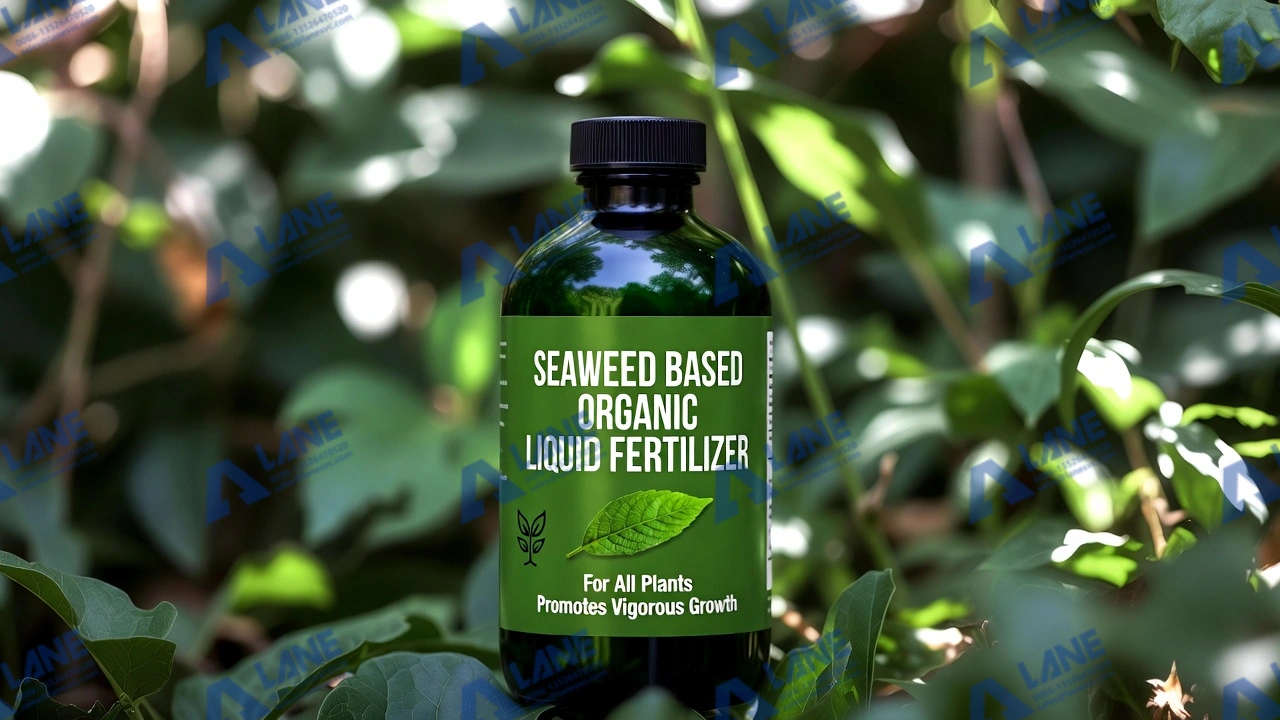
A Step-by-Step Look at the Commercial Production and Proper Usage of Seaweed-based organic liquid fertilizer for beans
Table of Contents
Beans are valued for their high protein content and their adaptability to various growing conditions. In recent years, people are getting more interested in organically produced vegetables. To maximize bean yield, improve quality, and promote sustainable agriculture, farmers are turning to seaweed-based organic liquid fertilizer for beans. This natural fertilizer, made from marine seaweed, is rich in bioactive compounds, essential nutrients, and growth stimulants. It also enhances root development, flowering, and pod formation in the soil.
LANE Heavy Industry Machinery Technology Co., Ltd., a leader in organic fertilizer equipment manufacturing, offers a specialized liquid fertilizer production line which is designed to efficiently produce high-quality seaweed-based organic liquid fertilizer for beans.
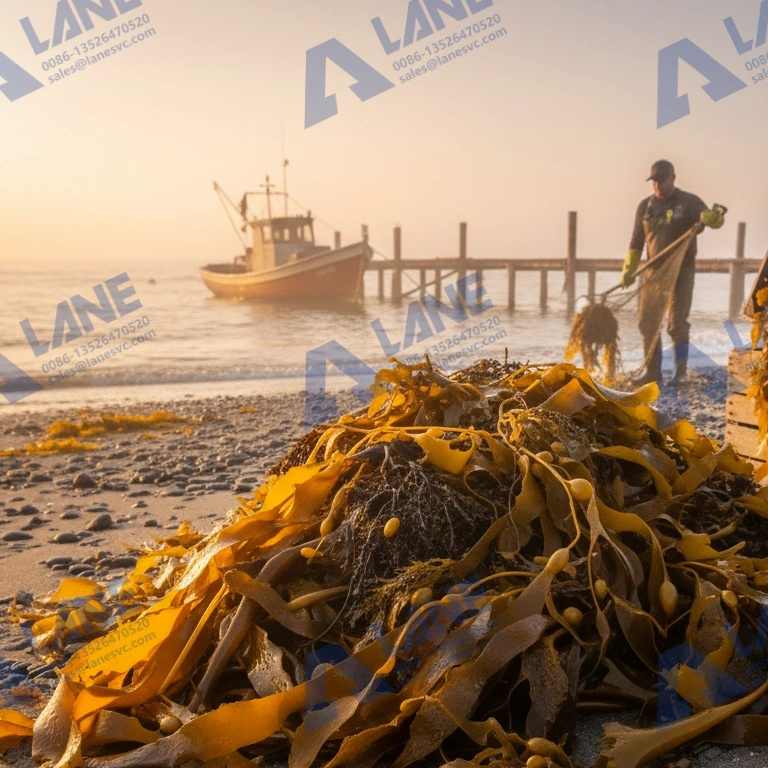
Beans are valued worldwide due to their high nutritional value and culinary cultures. Many dishes around the world use beans as one of their main ingredients. However, to achieve optimal growth and maximum yield, beans require proper nutrition and care. Seaweed-based organic liquid fertilizer is an excellent solution for sustainable bean farming.
Seaweed is rich in micronutrients, minerals, amino acids, and growth hormones. All of these play a key role in plant health. When used as a fertilizer, seaweed-based liquid fertilizers help improve plant growth, disease resistance, and soil fertility. Additionally, this organic fertilizer has the advantage of being both environmentally friendly and highly effective.
At LANE Heavy Industry, the manufacturing of seaweed-based organic liquid fertilizer for beans follows a carefully designed production process. Our production system ensures high-quality, eco-friendly, and efficient output. We design advanced machinery that helps produce high-performance fertilizer while maintaining the sustainability of the process.
3.1 Raw Materials
The first step in the production is sourcing high-quality seaweed. We suggest the use of sustainably harvested seaweed from the ocean and ensure that it is free from contaminants and heavy metals. The raw seaweed should first undergo cleaning to remove any sand, salt, or debris. LANE provides cleaning machines to effectively remove sand, salt, or debris.
3.2 Processing and Extraction
After cleaning, the seaweed is subjected to a cold extraction process. This method ensures that compounds such as alginates, vitamins, minerals, and trace elements are retained in the finished liquid fertilizer. The seaweed is soaked in water and then blended into a slurry. Then it is filtered to remove any solid particles.
In this step, the seaweed extract is mixed with other organic compounds to enhance its nutrient content. The precision formulation process ensures the correct balance of nutrients and micronutrients. LANE’s mixers can incorporate:
Our advanced mixing machinery guarantees uniform distribution of ingredients. The result is a high-quality seaweed-based organic liquid fertilizer that is effective for beans and vegetables.
3.4 Packaging and Distribution
Once the seaweed-based organic liquid fertilizer for beans is formulated, it undergoes filtration and other quality control checks to ensure consistency and effectiveness. After filtration, the liquid fertilizer goes through a quality checking process and is sent to storage. From storage, the seaweed-based organic liquid fertilizer for beans is sent to packaging. After packaging, the product is distributed to various markets, ensuring global access to this organic solution.
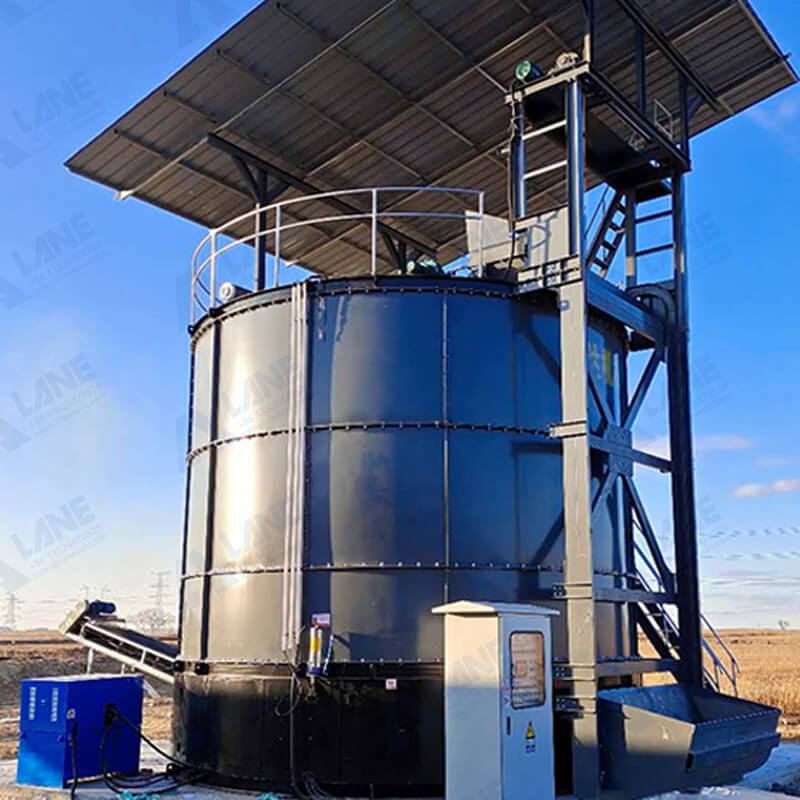
To get the best results, it’s crucial to apply seaweed-based organic liquid fertilizer correctly. The following sections outline the best practices for using this organic solution to maximize bean plant growth and yield.
4.1 Application Methods
There are two primary ways to apply seaweed-based organic liquid fertilizer for beans:
4.2 Recommended Dosage
For optimal results, it is important to follow the recommended dosage which is described on the label. For soil application, 1 liter of seaweed-based organic liquid fertilizer should be mixed with 10–15 liters of water. For foliar application, a weaker concentration of around 1 liter per 20 liters of water is suggested. Over-fertilization can cause nutrient imbalances and leaf burn, so it’s crucial to follow the guidelines for the best results.
4.3 Timing of Application
The timing of application is also important for proper nutrient delivery and development of beans. Apply the seaweed-based organic liquid fertilizer for beans during the early stages of growth when the seedlings are developing roots and during flowering and fruiting stages for improved yield. Apply regularly every 10–14 days to ensure that the beans receive a continuous supply of nutrients throughout their growth cycle.
There are many benefits to using seaweed-based organic liquid fertilizer for beans, these include:
Seaweed-based organic liquid fertilizer for beans offers a sustainable, eco-friendly, and effective nutrient solution for bean farmers worldwide. LANE Heavy Industry’s specialized production line simplifies the commercial production of this valuable fertilizer while ensuring consistent quality and efficiency through automation. Whether you are a large-scale commercial farmer or a small-scale grower, investing in seaweed-based organic liquid fertilizer for beans with LANE Heavy Industry is a step toward more productive, eco-friendly bean cultivation.
Q1: How often should I apply seaweed-based organic liquid fertilizer for beans?
A: It is recommended to apply the fertilizer every 10–14 days during the growing season to ensure consistent nutrient supply.
Q2: Can I use seaweed-based organic liquid fertilizer for other crops?
A: Yes, this fertilizer can be used on a wide range of crops, including vegetables, fruits, and ornamental plants.
Q3: Is the seaweed-based organic liquid fertilizer safe for the environment?
A: Absolutely! The fertilizer is biodegradable, non-toxic, and safe for both plants and the environment.
Q4: Can seaweed-based organic liquid fertilizer be used for soil improvement?
A: Yes, this fertilizer not only provides nutrients to plants but also enhances soil structure, improves water retention, and promotes microbial activity.
Q5: How do I store seaweed-based organic liquid fertilizer?
A: Store the fertilizer in a cool, dry place away from direct sunlight and ensure that the container is tightly sealed to preserve its potency.
For more details, please feel free to contact us.
Henan Lane Heavy Industry Machinery Technology Co., Ltd.
Email: sales@lanesvc.com
Contact number: +86 13526470520
Whatsapp: +86 13526470520
Leave a Comment
Latest Posts
LANE has more than 500 successful cases and is committed to providing customers with first-class solutions, high-end machinery and equipment, and one-stop pre-sales, sales and after-sales comprehensive customer service.