
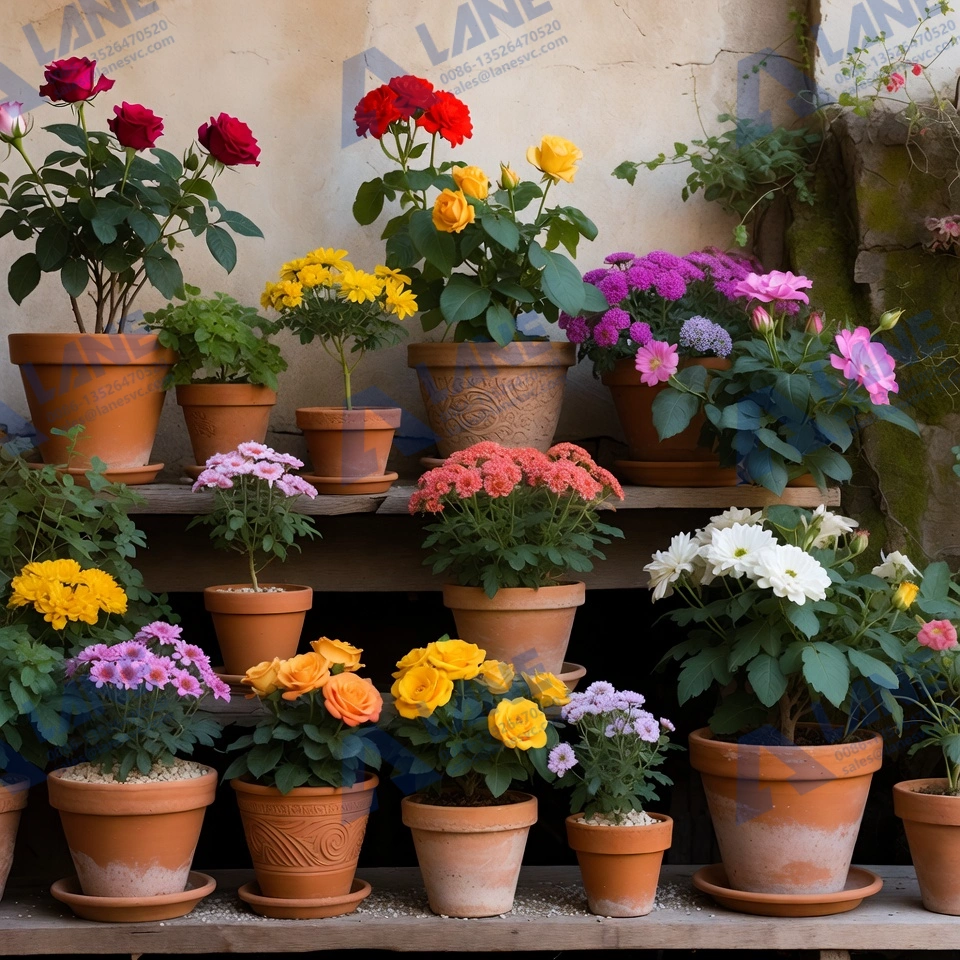
How to Produce Liquid Fertilizer for Flower Cultivation Efficiently
Flower cultivation is an important part of modern agriculture. Many farms grow roses, lilies, orchids, tulips, and many other flowers for landscaping, decoration, and export markets. However, producing healthy flowers with bright colors and strong stems requires proper nutrition.
Because of this, more growers are choosing to produce liquid fertilizer for flower cultivation. Liquid fertilizers provide nutrients in a form that plants can absorb quickly. They can also be applied evenly through irrigation systems.
In recent years, fertilizer manufacturers and flower farms have started to produce liquid fertilizer for flower cultivation on a larger scale. This method improves nutrient management and reduces fertilizer waste.
In this article, we will explain flower cultivation challenges, what liquid fertilizer is, how to produce liquid fertilizer for flower cultivation, and why this production method is becoming more popular worldwide.
Although flower farming can be profitable, growers often face several practical problems. Understanding these issues helps explain why many farms choose to produce liquid fertilizer for flower cultivation.
Slow Nutrient Absorption
Traditional solid fertilizers dissolve slowly in the soil. Sometimes plants cannot absorb nutrients in time. When this happens, plant growth becomes slow and flowers may develop poorly.
Many growers solve this problem when they produce liquid fertilizer for flower cultivation, because nutrients are already dissolved and available for plant roots.
Uneven Fertilizer Distribution
When granular fertilizer is applied to the soil, it is not always distributed evenly. Some plants receive more nutrients while others receive less.
This uneven distribution can lead to inconsistent flower quality. Some plants grow strong while others remain weak. When farms produce liquid fertilizer for flower cultivation, nutrients can be mixed thoroughly and applied evenly through irrigation systems.
Soil Nutrient Imbalance
Flower farms often reuse the same soil for several planting cycles. Over time, the nutrient balance of the soil changes. Some elements become depleted while others accumulate.
This imbalance can reduce flower yield and affect plant health. By choosing to produce liquid fertilizer for flower cultivation, growers can easily adjust nutrient formulas to meet the needs of different flowers.
Increasing Labor Costs
Applying traditional fertilizers requires more manual labor. Workers must spread fertilizers, monitor soil conditions, and repeat the process regularly.
Liquid fertilizer systems simplify this process. When farms produce liquid fertilizer for flower cultivation, fertilizers can be delivered automatically through irrigation equipment. This reduces labor and improves efficiency.
Liquid fertilizer is a type of fertilizer where nutrients are dissolved in water. This liquid solution contains essential nutrients such as nitrogen, phosphorus, potassium, and trace elements that plants need for healthy growth.
Unlike solid fertilizers, liquid fertilizer is quickly absorbed by plant roots or leaves. This makes it very effective for flowers that require precise nutrient control.
When fertilizer manufacturers produce liquid fertilizer for flower cultivation, they carefully mix different nutrient materials to create balanced formulas. These formulas can be designed for different types of flowers or different growth stages.
Because of its flexibility and fast absorption, liquid fertilizer has become an important tool in modern flower farming.
Many flower growers prefer liquid fertilizers because they provide several practical benefits.
One major advantage is faster nutrient absorption. Since nutrients are already dissolved, plant roots can take them in immediately. This helps flowers grow faster and produce stronger stems.
Another advantage is better nutrient control. When growers produce liquid fertilizer for flower cultivation, they can adjust nutrient ratios according to plant needs. For example, young plants may require more nitrogen, while flowering plants need more potassium.
Liquid fertilizers also improve uniformity in flower production. Because the fertilizer solution is evenly distributed, plants receive similar nutrient levels. This helps produce flowers with consistent size and color.
Finally, liquid fertilizer works very well with modern irrigation systems. Drip irrigation and spraying systems allow fertilizers to be applied accurately and efficiently.
Producing liquid fertilizer requires several steps. Although the process is technical, the overall concept is simple.
Raw Material Preparation
The process begins with selecting appropriate raw materials. These materials provide essential nutrients required for plant growth. Common materials include nitrogen sources such as urea, phosphorus sources like phosphoric acid, and potassium salts. Trace elements such as iron, zinc, and magnesium are also added.
When manufacturers produce liquid fertilizer for flower cultivation, they must carefully measure each ingredient to maintain correct nutrient ratios.
Dissolving and Mixing
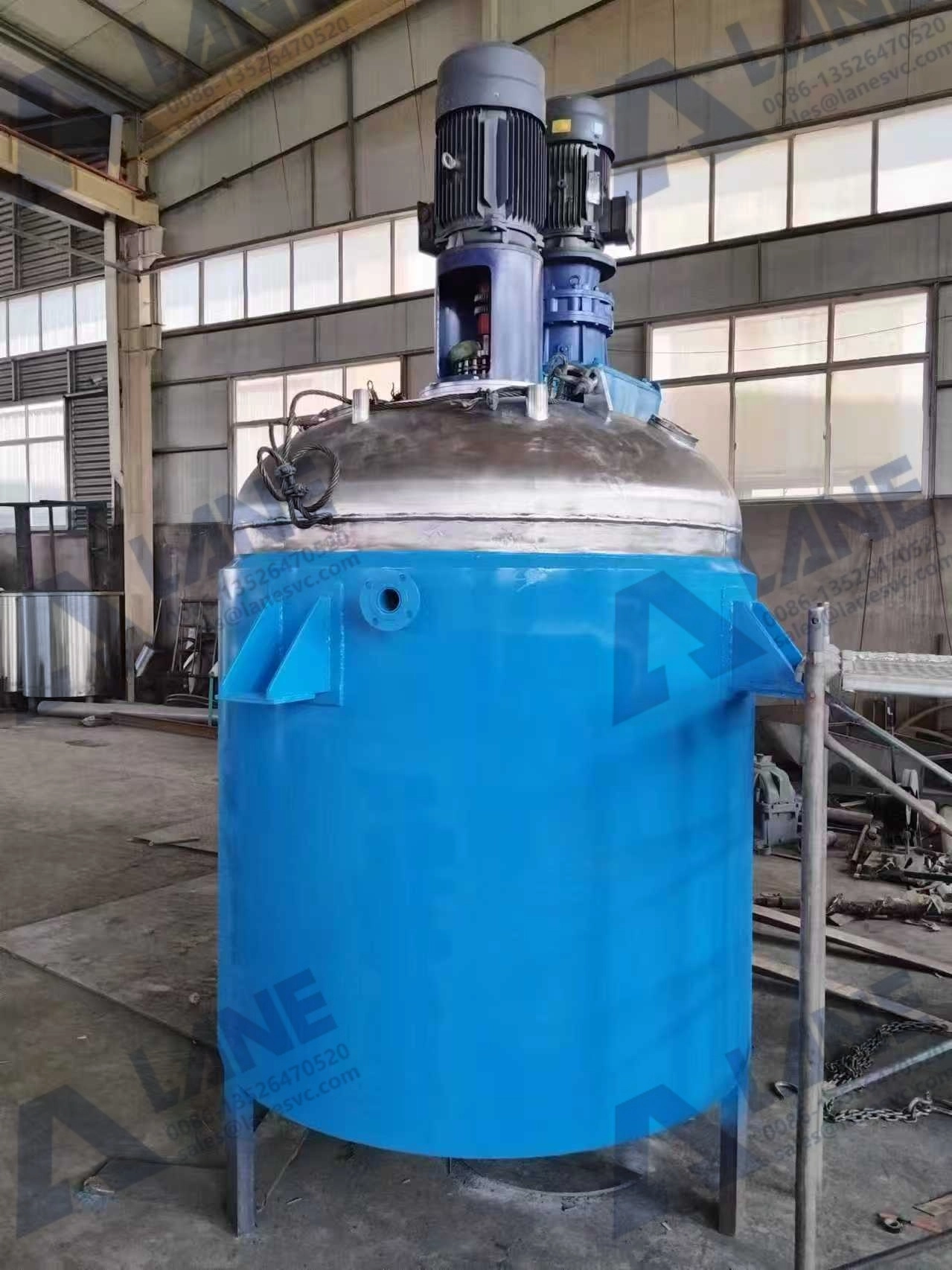
After preparing raw materials, they are added to a mixing tank filled with water. Mechanical mixers or agitators are used to dissolve the materials completely.
Proper mixing ensures that nutrients are evenly distributed in the solution. This stage is essential when companies produce liquid fertilizer for flower cultivation, because uneven mixing could lead to inconsistent fertilizer quality.
Reaction and Formula Adjustment
In some cases, chemical reactions are required to stabilize the fertilizer solution. During this stage, technicians monitor the pH value and nutrient concentration.
Adjustments may be made to ensure the final product matches the desired formula. When producers produce liquid fertilizer for flower cultivation, this step ensures that nutrients remain stable and effective during storage and application.
Filtration and Purification
Before the fertilizer is packaged, the solution is usually filtered. Filtration removes impurities and undissolved particles.
This step is especially important for fertilizers used in drip irrigation systems. Clean fertilizer solutions prevent blockages and maintain smooth irrigation operation.
Storage and Packaging
Once the liquid fertilizer passes quality checks, it is transferred into storage tanks or packaging containers. Depending on market needs, the fertilizer may be packaged in small bottles, large drums, or bulk containers.
At this stage, the product is ready to be transported and used in flower farms.
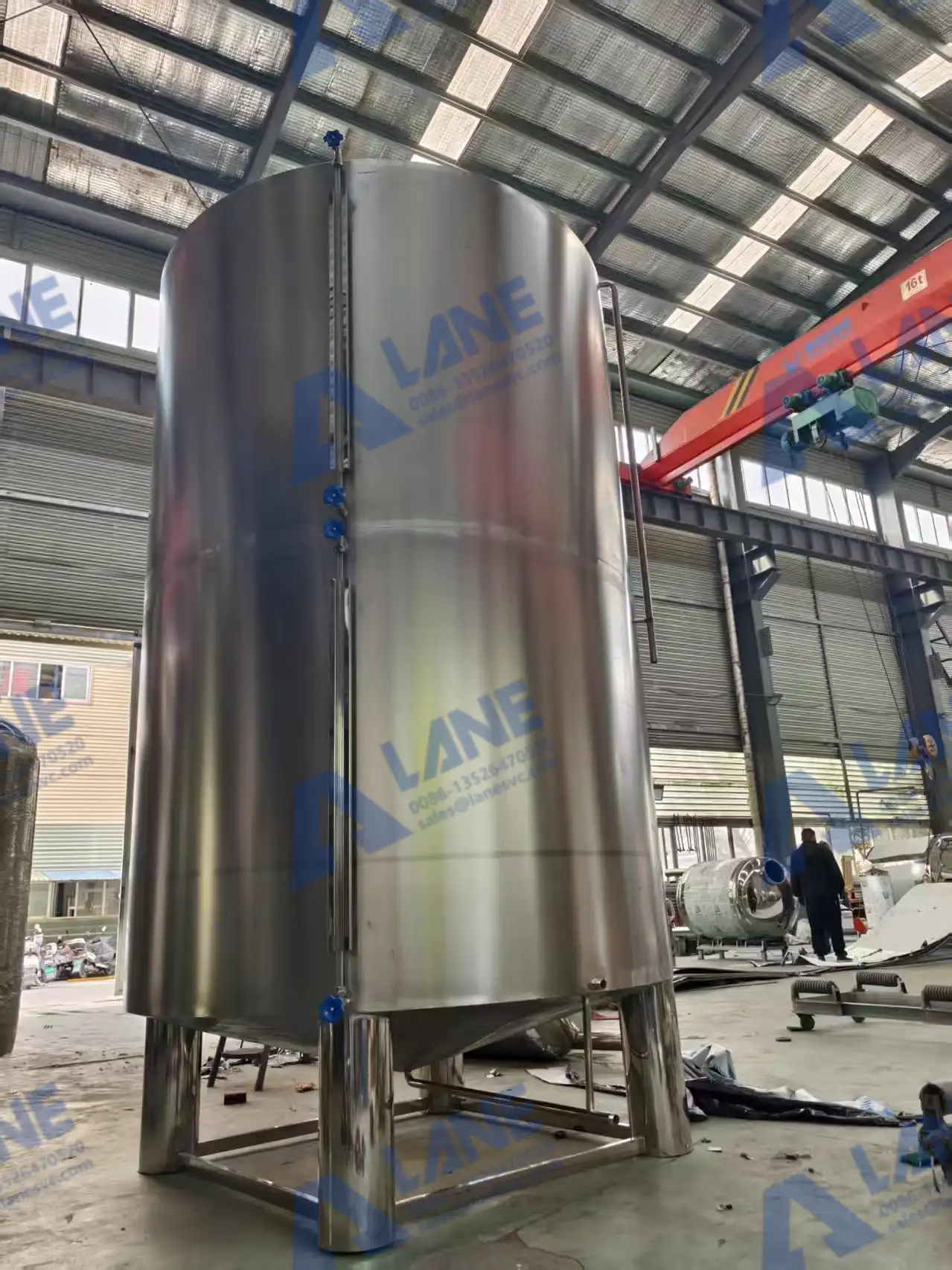
Modern fertilizer production uses specialized equipment to ensure stable operation and product quality.
When companies produce liquid fertilizer for flower cultivation, they usually rely on a production line that includes mixing tanks, reaction tanks, filtration systems, and filling machines.
These machines work together to create a smooth production process. Automated control systems also help maintain accurate nutrient ratios and improve production efficiency.
When fertilizer manufacturers plan to produce liquid fertilizer for flower cultivation, reliable equipment and technical support are extremely important.
Our company has more than 20 years of experience in fertilizer equipment manufacturing. We help customers build customized fertilizer production lines designed for organic fertilizer, compound fertilizer, and liquid fertilizer production.
We work closely with our customers to design equipment that fits their production capacity and raw material requirements. Our services include production line planning, equipment manufacturing, installation guidance, and technical training.
We also provide continuous after-sales support to ensure the equipment operates smoothly. Our systems follow international standards such as ISO9001 quality management and CE certification, ensuring stable and reliable performance.
With our experience and professional team, we help businesses successfully produce liquid fertilizer for flower cultivation and expand their fertilizer production capacity.
A medium-sized flower farm in Asia was experiencing several production problems. The farm grew roses and lilies but often faced slow growth and inconsistent flower sizes.
After studying fertilizer options, the farm decided to produce liquid fertilizer for flower cultivation using a small production system.
Within a few months, the results became clear. Plants grew more evenly, flower colors became brighter, and the number of flowers per plant increased. Because the fertilizer could be applied through irrigation, labor costs were also reduced.
Within one year, the farm increased flower yield by nearly thirty percent. This example shows how effective liquid fertilizer production can be for flower growers.
After growers produce liquid fertilizer for flower cultivation, correct application methods are important.
It is generally recommended to apply fertilizer in the early morning or late afternoon. During these times, temperatures are lower and plants absorb nutrients more effectively.
Growers should also adjust fertilizer concentration according to plant growth stages. Young plants need different nutrient levels compared to flowering plants.
Regular monitoring of plant health is also important. By observing leaf color, stem strength, and flower development, growers can adjust fertilizer formulas when necessary.
Another reason many farms choose to produce liquid fertilizer for flower cultivation is environmental sustainability.
Liquid fertilizers reduce nutrient waste because nutrients dissolve completely and are absorbed more efficiently. This means fewer nutrients are lost in soil or water.
In addition, precise fertilizer application reduces chemical accumulation in soil. When used with drip irrigation systems, liquid fertilizers also improve water efficiency.
These environmental advantages make liquid fertilizer an attractive option for modern agriculture.
The global flower market continues to grow, especially with increasing demand for decorative plants and landscaping.
As technology advances, more farms will adopt modern fertilization methods. Systems used to produce liquid fertilizer for flower cultivation will become more automated and intelligent.
Smart nutrient monitoring, automated mixing systems, and precision irrigation will allow growers to manage plant nutrition more accurately. These innovations will help produce higher-quality flowers while reducing environmental impact.
–Why do many farms produce liquid fertilizer for flower cultivation?
-Liquid fertilizer allows faster nutrient absorption and more precise nutrient management. It can also be applied through irrigation systems, which improves efficiency and reduces labor.
–Is liquid fertilizer suitable for greenhouse flowers?
-Yes. In fact, greenhouse flower production often relies on liquid fertilizer because nutrient levels can be controlled very accurately.
–Can small farms produce their own liquid fertilizer?
-Yes. Small-scale production systems are available for farms that want to control fertilizer formulas and reduce purchasing costs.
–What equipment is needed to produce liquid fertilizer?
-Basic equipment includes mixing tanks, reaction tanks, filtration systems, and filling machines. These machines help maintain product quality and production efficiency.
Flower cultivation requires careful nutrient management to achieve strong plant growth and beautiful blooms. Traditional fertilizers sometimes cannot provide the flexibility and efficiency that modern flower farming requires.
When farms produce liquid fertilizer for flower cultivation, they gain better control over nutrient formulas and fertilizer application. This leads to healthier plants, improved flower quality, and higher production efficiency.
As the flower industry continues to expand, liquid fertilizer production will play an increasingly important role in supporting sustainable and profitable flower cultivation.
For more details, please feel free to contact us.
Henan Lane Heavy Industry Machinery Technology Co., Ltd.
Email: sales@lanesvc.com
Contact number: +86 13526470520
Whatsapp: +86 13526470520
Leave a Comment
Latest Posts
LANE has more than 500 successful cases and is committed to providing customers with first-class solutions, high-end machinery and equipment, and one-stop pre-sales, sales and after-sales comprehensive customer service.