
How to Produce & Use Phosphorus Liquid Fertilizer for Tomatoes Commercially
Table of Contents
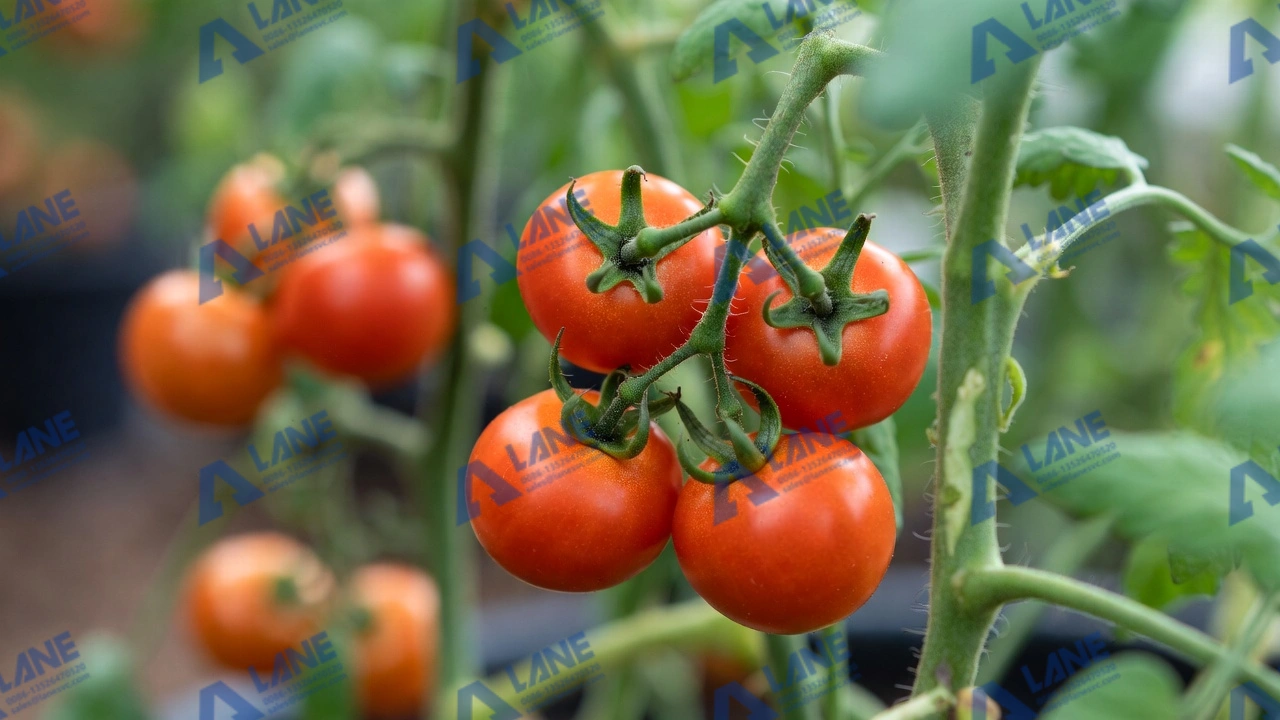
Tomatoes are one of the most popular vegetables in the world. They are also one of the most widely cultivated vegetables globally. They are prized for their use in recipes, sauces, nutritional value, and economic significance. Their growth, yield, and quality heavily depend on adequate nutrient supply. Among the various nutrients needed, phosphorus plays a vital role in root development, flowering, and fruiting. Phosphorus liquid fertilizer for tomatoes is a highly effective solution for delivering this essential nutrient.
Phosphorus liquid fertilizer for tomatoes is an efficient, fast-acting nutrient solution that provides tomatoes with the phosphorus they need at every growth stage, from seedling root development to flowering and fruit ripening. This article details the commercial production process of phosphorus liquid fertilizer for tomatoes using LANE Heavy Industry’s specialized machinery and provides insights on its application in tomato cultivation.
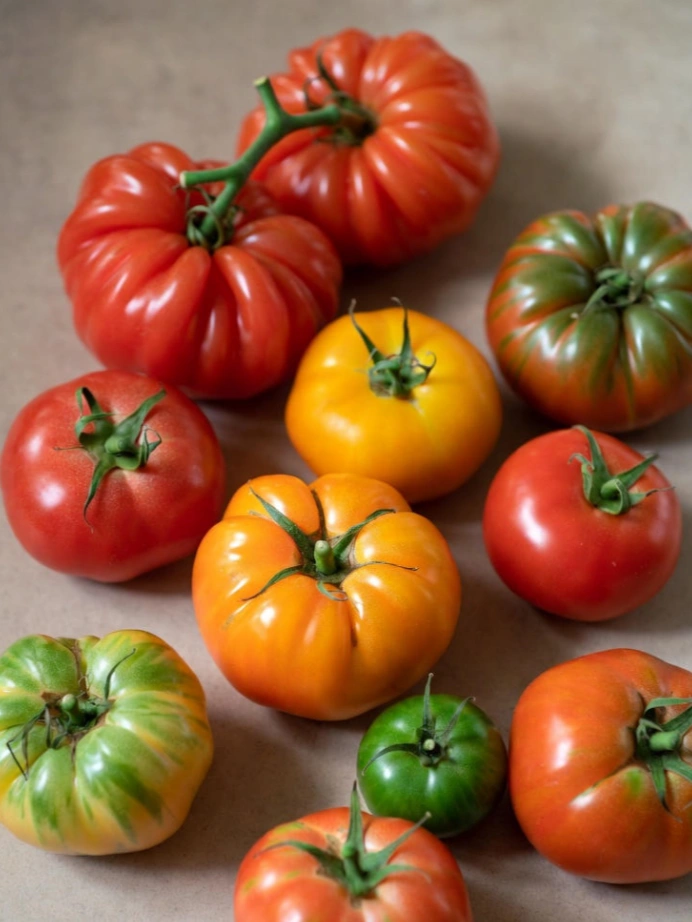
Phosphorus is an essential nutrient for plant metabolism, energy transfer, and root growth. In liquid form, it can be easily absorbed by tomato plants. This method ensures better nutrient utilization compared to solid fertilizer. Commercial-grade phosphorus liquid fertilizer for tomatoes provides consistent quality and nutrient content, which is essential for large-scale tomato farming.
Raw Materials Required for Commercial Production
Producing phosphorus liquid fertilizer for tomatoes requires high-quality raw materials like:
The quality of the raw materials determines the final fertilizer quality and effectiveness.
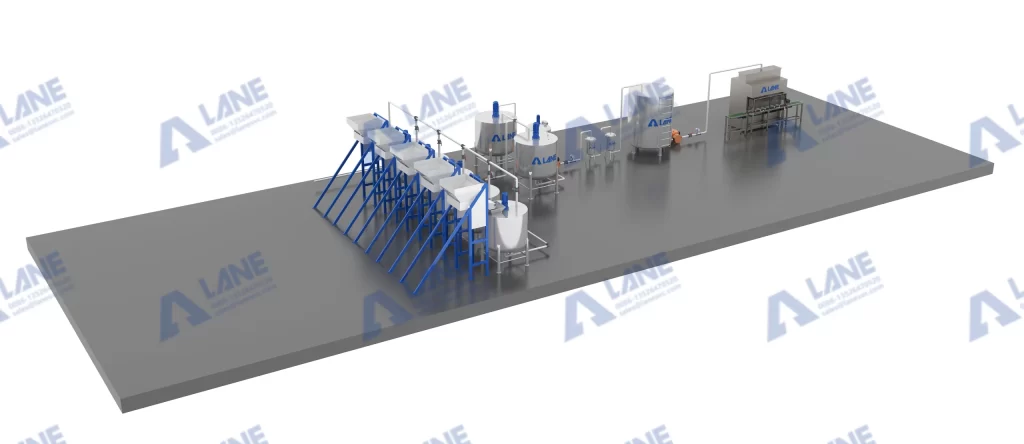
LANE Heavy Industry offers advanced machinery for your liquid fertilizer production. We provide stainless steel storage for your raw materials. The production of phosphorus liquid fertilizer for tomatoes follows these steps:
Raw materials are first accurately measured in LANE batching scales. Then the powdered raw materials are separately mixed with water to dissolve. The dissolved raw materials are mixed in an automated mixing tank. LANE machinery ensures precise ratios to maintain nutrient balance. This is critical for producing high-quality fertilizer.
4.2 Reaction and Heating Stage
The mixture undergoes controlled heating and homogenization. This allows phosphoric acid to react with other nutrients. This stage ensures the uniformity of the fertilizer and enhances nutrient availability for tomato plants.
After reaction, the liquid fertilizer is filtered to remove impurities and make the liquid fertilizer look clear. LANE Heavy Industry’s dual filtration systems prevent sedimentation, ensuring long-term stability.
The finished phosphorus liquid fertilizer for tomatoes is stored in corrosion-resistant stainless-steel tanks. It is then sent to LANE’s automatic liquid packing machine. LANE’s machinery supports large-volume production, making it ideal for commercial operations.
Quality control is essential to produce phosphorus liquid fertilizer for tomatoes. LANE addresses this by adding sensors to monitor:
Routine quality testing ensures that the fertilizer meets industry standards and builds trust among buyers.
Proper application of phosphorus liquid fertilizer for tomatoes is crucial to achieve maximum yield.
6.1 Recommended Dosage
The dosage depends on the soil type, crop stage, and environmental conditions. Normally, 1–2 liters per 100 square meters is applied during early vegetative growth. This is repeated every 2–3 weeks during fruiting stages.
6.2 Application Methods
There are several effective ways to apply phosphorus liquid fertilizer for tomatoes:
6.3 Optimal Timing for Maximum Yield
Benefits of Using Phosphorus Liquid Fertilizer for Tomatoes
Tips for Commercial Tomato Farmers
Q1: Can phosphorus liquid fertilizer be used for all tomato varieties?
A: Yes, it is suitable for cherry, beefsteak, roma, and other tomato varieties.
Q2: How frequently should phosphorus liquid fertilizer be applied?
A: Every 2–3 weeks during growth and fruiting stages, depending on soil nutrient levels.
Q3: Is LANE Heavy Industry machinery easy to operate for commercial production?
A: Yes, it is automated, user-friendly, and designed for high efficiency and reliability.
Q4: Can phosphorus liquid fertilizer be mixed with other fertilizers?
A: Yes, but compatibility testing is recommended to avoid chemical reactions.
Q5: What is the primary benefit of phosphorus liquid fertilizer for tomatoes?
A: It boosts root development, flowering, and fruiting, leading to higher yields and better-quality tomatoes.
Commercial production and proper use of phosphorus liquid fertilizer for tomatoes are essential for maximizing tomato yield and quality. LANE Heavy Industry provides an efficient, reliable production line that ensures high-quality liquid fertilizer. We integrate advanced technology and strict quality control to ensure the final quality of the liquid fertilizer. Investing in advanced production and proper usage of phosphorus liquid fertilizer for tomatoes is a key step toward sustainable and profitable tomato farming.
For more details, please feel free to contact us.
Henan Lane Heavy Industry Machinery Technology Co., Ltd.
Email: sales@lanesvc.com
Contact number: +86 13526470520
Whatsapp: +86 13526470520
Leave a Comment
Latest Posts
LANE has more than 500 successful cases and is committed to providing customers with first-class solutions, high-end machinery and equipment, and one-stop pre-sales, sales and after-sales comprehensive customer service.