
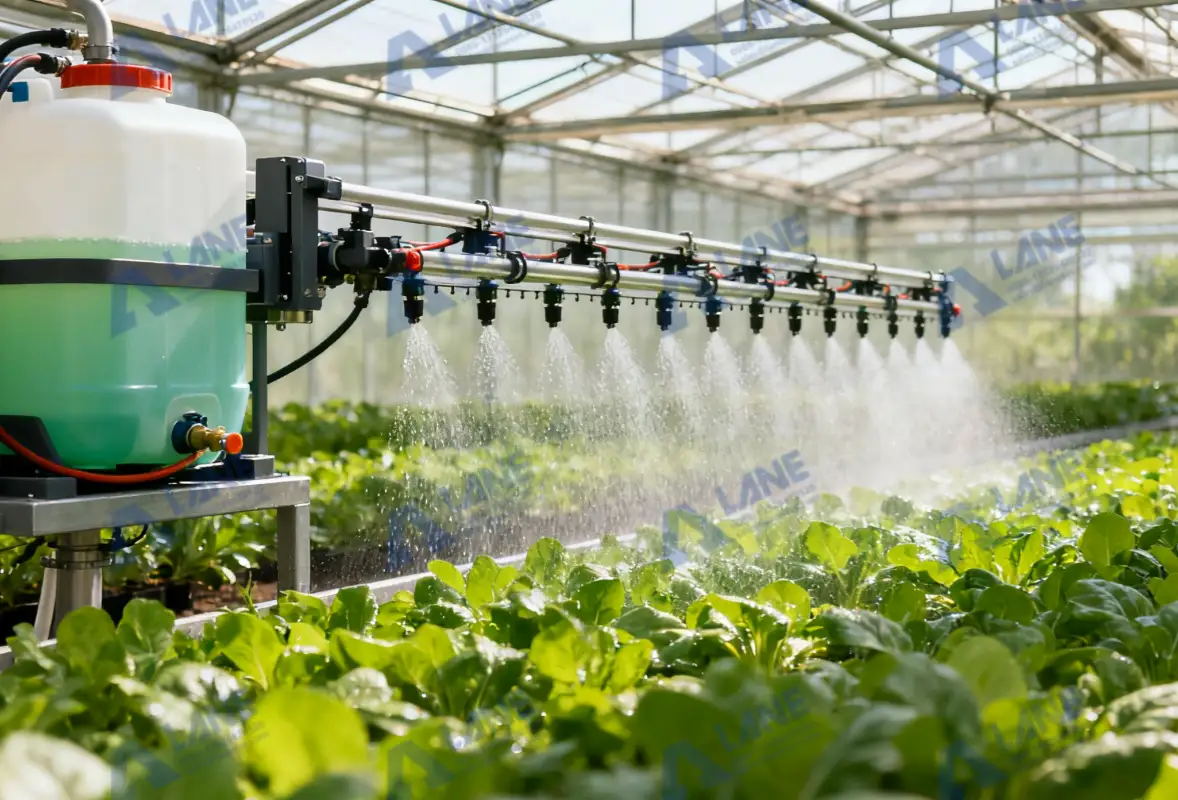
A Farmer’s Guide to Investing in Organic Liquid Fertilizer Production Equipment for European Farms
European agriculture is shifting toward sustainable and eco-friendly practices. The rising costs of imported fertilizers, EU environmental regulations, and the rise of organically produced food are the main reasons for that. Many European farmers are looking for independence and want to create their own fertilizer. Investing in organic liquid fertilizer production equipment for European farms can be a solution for this. Organic liquid fertilizer enriches soil with organic matter, beneficial microbes, and balanced nutrients. This enhances crop yield and quality.
The market for organic liquid fertilizer in Europe is expanding. This has made investing in organic liquid fertilizer production equipment for European farms a business opportunity for agricultural businesses looking to align with sustainable development goals. This guide explores how investing in organic liquid fertilizer production equipment for European farms from LANE Heavy Industry can turn your waste into premium nutrients.
Liquid fertilizer is getting more popular among European farmers. Liquid fertilizers offer rapid absorption, precise application, and uniform distribution. However, the most promising aspect is on-site production.
By installing organic liquid fertilizer production equipment for European farms, growers can:
The question is no longer if farmers should consider organic liquid fertilizer production equipment for European farms, but which equipment provider offers the most reliable, compliant, and efficient solution.
LANE Heavy Industry has over 20 years of experience in the fertilizer machinery industry. We have developed a wide range of organic liquid fertilizer production equipment for European farms designed to handle varying scales and raw material types. From small family farms to large agricultural cooperatives, LANE offers customizable production lines with capacities ranging from 1–3 tons per hour up to industrial-scale operations.
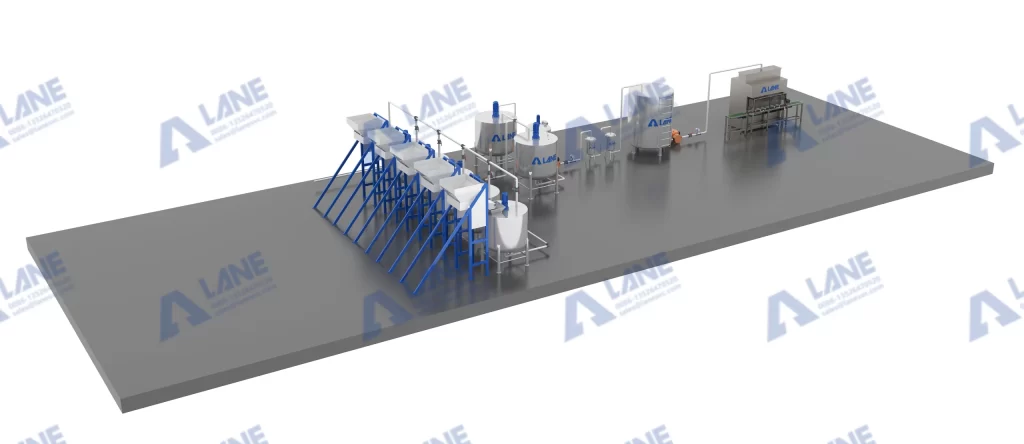
What sets LANE apart from other manufacturers is that we don’t just sell machines. We engineer complete systems. A LANE liquid fertilizer production line includes:
All our equipment is constructed from industrial-grade stainless steel, ensuring longevity while processing corrosive materials. This is critical for European farms expecting a 10+ year lifespan from their capital investments.
Here are the essential components you can expect:
| Component | Function | Why It Matters for European Farms |
| Hopper Lift / Feed System | Transports raw organic matter (slurry, manure, digestate) into the production line. | Ensures consistent feedstock flow, reducing labor costs. |
| Macromolecule Mixing Reactor | Facilitates initial chemical reactions to break down complex organic compounds. | Optimizes nutrient availability for crops, improving fertilizer efficacy. |
| High-Shear Mixing Tanks | Creates stable emulsions by homogenizing oils, emulsifiers, and water-soluble nutrients. | Essential for producing foliar fertilizers that adhere to leaves and are absorbed quickly. |
| Dual-Stage Filtration System | Removes solid particles and impurities to ensure a pure, nozzle-friendly liquid. | Prevents clogging in precision irrigation and spraying equipment. |
| Automated Filling Machine | Packages the finished product into drums, IBCs, or totes for storage or sale. | Allows farms to create an additional revenue stream by selling surplus fertilizer. |
LANE also integrates a fully automated control system, enabling real-time monitoring of pH, temperature, and nutrient ratios. This level of automation ensures consistent product quality batch after batch, making it especially suitable for organic liquid fertilizer production equipment for European farms.
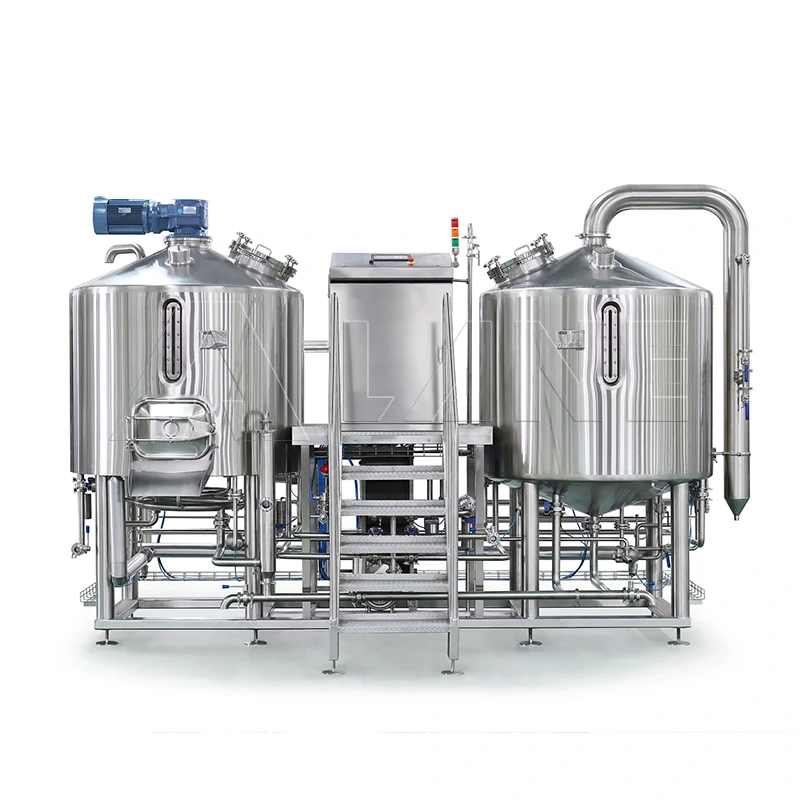
It is necessary for farmers or investors to understand the process of organic liquid fertilizer production equipment for European farms.
Selecting the right partner for organic liquid fertilizer production equipment for European farms is as important as the technology itself. LANE Heavy Industry brings several distinct advantages to the table:
Q1: What raw materials can I use with LANE’s organic liquid fertilizer production equipment for European farms?
A: LANE systems are highly versatile. Common feedstocks include livestock manure (cattle, pig, poultry), anaerobic digestate, crop residues, food waste, and even seafood processing byproducts like shellfish shells. The equipment can be customized to handle specific raw material characteristics.
Q2: How much space do I need for a production line?
A: Space requirements vary by capacity. LANE designs compact systems suitable for European farmsteads, with small to medium lines occupying approximately 500-800 square meters. Their team can conduct a site survey to optimize layout.
Q3: Is the equipment compliant with EU regulations?
A: Yes. LANE equipment can be manufactured to meet CE standards, and the use of food-grade stainless steel for product contact parts ensures compliance with regulations concerning contamination. An integrated environmental protection system can also be added to meet emission standards.
Q4: How automated is the production line?
A: LANE offers fully automated solutions with PLC control systems. Operators can monitor and adjust parameters in real-time. Training is straightforward; workers can master operations within a few hours.
Q5: What support does LANE provide after installation?
A: LANE provides comprehensive after-sales support, including a 5-year warranty, remote technical guidance, and on-site engineering support for commissioning and troubleshooting, making it a reliable partner for organic liquid fertilizer production equipment for European farms.
For more details, please feel free to contact us.
Henan Lane Heavy Industry Machinery Technology Co., Ltd.
Email: sales@lanesvc.com
Contact number: +86 13526470520
Whatsapp: +86 13526470520
Leave a Comment
Latest Posts
LANE has more than 500 successful cases and is committed to providing customers with first-class solutions, high-end machinery and equipment, and one-stop pre-sales, sales and after-sales comprehensive customer service.