
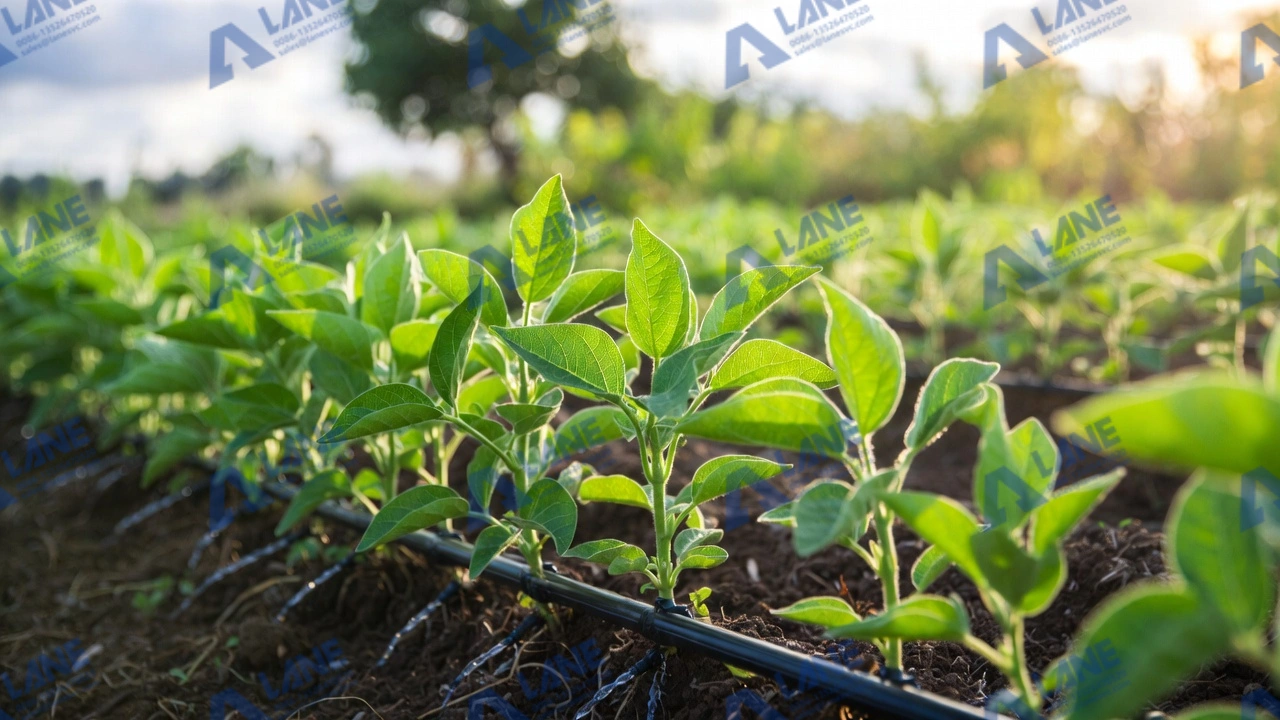
How to Produce and Use Organic Liquid Fertilizer for Beans on a Large Scale
Table of Content
Introduction
Why Beans Need Specialized Organic Liquid Fertilizer
The LANE Heavy Industry Production Line Overview
Step-by-Step Production Process
How to Use Organic Liquid Fertilizer for Beans
Frequently Asked Questions (FAQ)
Beans are valued for their high protein content and versatility in various cuisines. Beans, being legumes, require balanced nutrition throughout their growth cycle. Unlike chemical fertilizers that can degrade soil quality over time, organic liquid fertilizer for beans provides essential nutrients in a readily absorbable form. This liquid fertilizer improves soil health and ensures environmentally sustainable bean cultivation.
For large-scale bean farmers, investing in a liquid fertilizer production line is crucial to efficiently produce high-quality organic liquid fertilizer for beans. LANE Heavy Industry, a leading manufacturer of agricultural machinery, offers scalable specialized production lines designed for bean farmers and commercial producers.
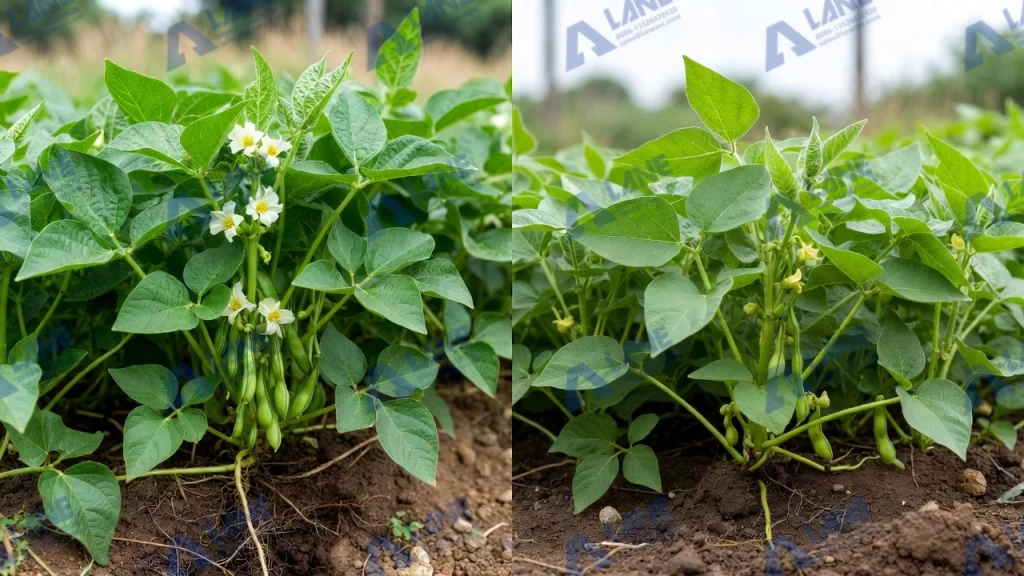
Beans respond well to liquid organic nutrition. Research conducted on green beans in red-yellow podzolic soil demonstrated that organic nutrients improved plant height, leaf production, branching, and overall yield compared to conventional methods.
The benefits of using organic liquid fertilizer for beans include:
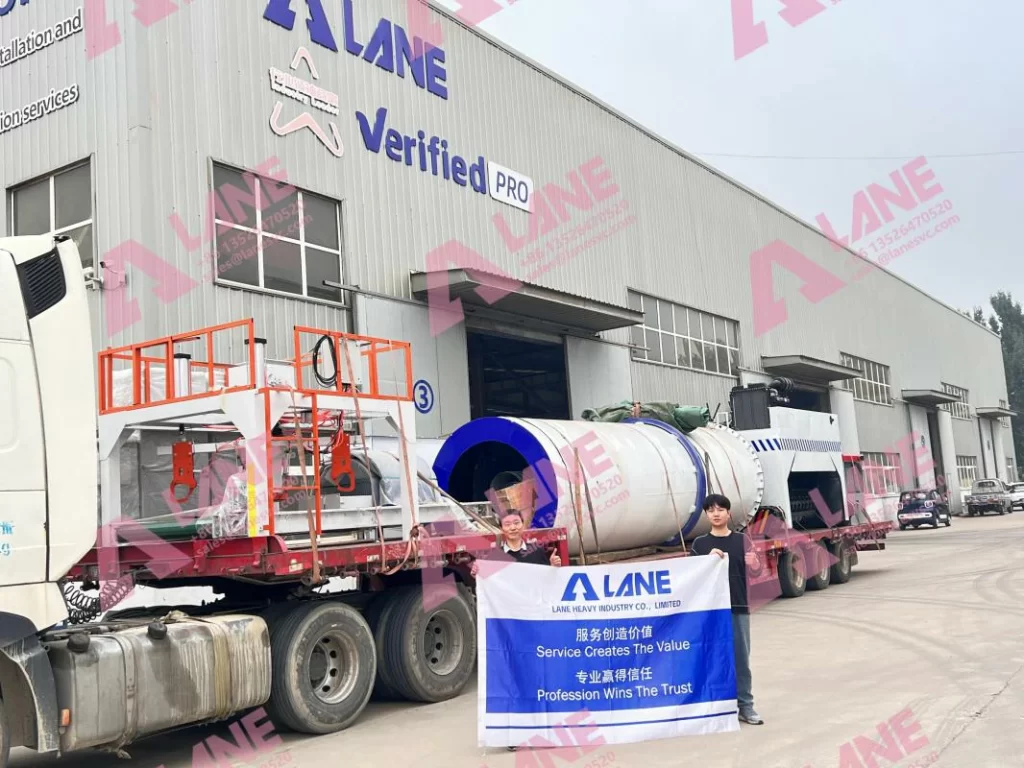
LANE Heavy Industry Machinery Technology Co., Ltd specializes in designing and manufacturing customized liquid fertilizer production solutions. We accommodate scales from 1–3 tons per hour to industrial scale operations processing 40 tons daily.
We approach the production of organic liquid fertilizer for beans by focusing on:
A notable example is LANE’s project in Southeast Asia, where a client successfully established a 10-ton-per-day facility converting soybean residue into high-value liquid fertilizer for local vegetable and rice cultivation.
Raw Material Collection & Pre-treatment
The journey of producing premium organic liquid fertilizer for beans begins with selecting high-quality organic raw materials. Common raw materials include:
In LANE production lines, some types of raw materials first enter a crusher for ensuring uniform particle size for efficient decomposition.
Fermentation Stage
The pre-treated materials are then transferred to stainless steel fermentation tanks equipped with advanced temperature control systems and stirring devices. During this phase:
LANE’s fermentation tanks ensure complete decomposition while eliminating pathogens and weed seeds.
Enzymatic Hydrolysis
Following primary fermentation, the mixture enters enzyme digestion tanks. These are 5 cubic meter tanks constructed with corrosion-resistant materials. This stage employs proteases and other enzymes to break down complex proteins into amino acids and oligopeptides.
This is particularly important when producing organic liquid fertilizer for beans from protein-rich soybean residues. It maximizes nitrogen availability in forms beans can readily use.
Nutrient Blending
The liquids are moved to the mixing tanks equipped with automatic measuring systems. Here, manufacturers can:
LANE’s mixing reactors and additive mixing tanks ensure homogeneous distribution of all components. This guarantees consistent quality in every batch.
The blended liquid passes through multi-stage filtration systems to remove solid particles and impurities. LANE utilizes duplex strainers and dual filters that:
This is a critical step for organic liquid fertilizer for beans intended for drip irrigation or foliar application. It prevents equipment blockage and ensures even distribution.
Finished products are stored in industrial-grade stainless steel tanks. After that, they are sent to packaging machines. LANE’s automatic filling machines efficiently package the fertilizer into various container sizes.

Proper application of the organic liquid fertilizer for beans determines the result of the production.
Application Methods
Soil Application (Drip Irrigation): For field-grown beans, it is recommended to use 10–20 liters per hectare diluted in 1000 liters of water. In greenhouse settings, 20–30 liters per 1000 liters of water per hectare is appropriate. Apply:
Foliar Application: For foliar feeding, dilute 1.5–2 liters of organic liquid fertilizer for beans in 500–1000 liters of water per hectare. Apply:
Research suggests that a 0.5% vermiwash solution combined with poultry manure basal application produces the best results for green beans. It increases flowers per plant and total harvest yield.
Timing matters: Timing is everything in liquid fertilizer application. Apply during cool hours like early morning or late evening to prevent leaf burn and maximize absorption.
Water quality: Use good quality water. Avoid high salinity, sulfur, or chlorine content that might harm beneficial microorganisms.
Compatibility: Avoid mixing with copper or chlorine-containing pesticides. Organic liquid fertilizer for beans contains live microorganisms and enzymes.
Irrigation follow-up: After drip irrigation application, continue with plain water for 30 minutes to push nutrients to the root zone.
Consistency: Maintain a regular application schedule throughout the growing season for best results.
Expected Outcomes
Farmers who use quality organic liquid fertilizer for beans can expect:
Q: What raw materials work best for producing organic liquid fertilizer for beans?
A: Protein-rich materials like soybean dregs, Moringa leaves, and vermicompost are excellent choices. LANE Heavy Industry has successfully implemented projects using soybean residue, demonstrating the viability of this approach.
Q: Can I produce organic liquid fertilizer for beans using agricultural waste?
A: Absolutely. LANE’s production lines are designed to process various organic materials including crop residues, food waste, and animal manure, converting them into high-value liquid fertilizers.
Q: What production capacity can LANE equipment achieve?
A: LANE offers solutions ranging from 1–3 tons per hour to 40-ton daily capacities, with customizable options to meet specific business requirements.
Q: How often should I apply organic liquid fertilizer to beans?
A: For optimal results, apply 2–3 times before flowering at 15–20 day intervals, followed by 2–3 applications during pod development. Total applications typically range from 4–6 per growing season.
Q: Is organic liquid fertilizer suitable for all bean varieties?
A: Yes, research confirms effectiveness across various types including green beans, cowpeas, soybeans, and common beans (Phaseolus vulgaris).
Q: How long does it take to set up a commercial production line?
A: LANE’s typical project timeline includes 1 months for equipment manufacturing, followed by installation and commissioning (approximately 1 week on-site).
Q: Can I use the same organic liquid fertilizer for other crops?
A: While formulated for beans, these fertilizers are effective on vegetables, fruits, and field crops. Adjust application rates according to specific crop requirements.
Q: What quality control measures ensure consistent product?
A: LANE production lines feature real-time monitoring systems, automated nutrient dosing, and multi-stage filtration to maintain consistent quality. Regular testing during fermentation and blending stages ensures specifications are met.
For more details, please feel free to contact us.
Henan Lane Heavy Industry Machinery Technology Co., Ltd.
Email: sales@lanesvc.com
Contact number: +86 13526470520
Whatsapp: +86 13526470520
Leave a Comment
LANE has more than 500 successful cases and is committed to providing customers with first-class solutions, high-end machinery and equipment, and one-stop pre-sales, sales and after-sales comprehensive customer service.