
How to Make Organic Fertilizer Using Waste Tea Grounds: A Liquid Gold Journey
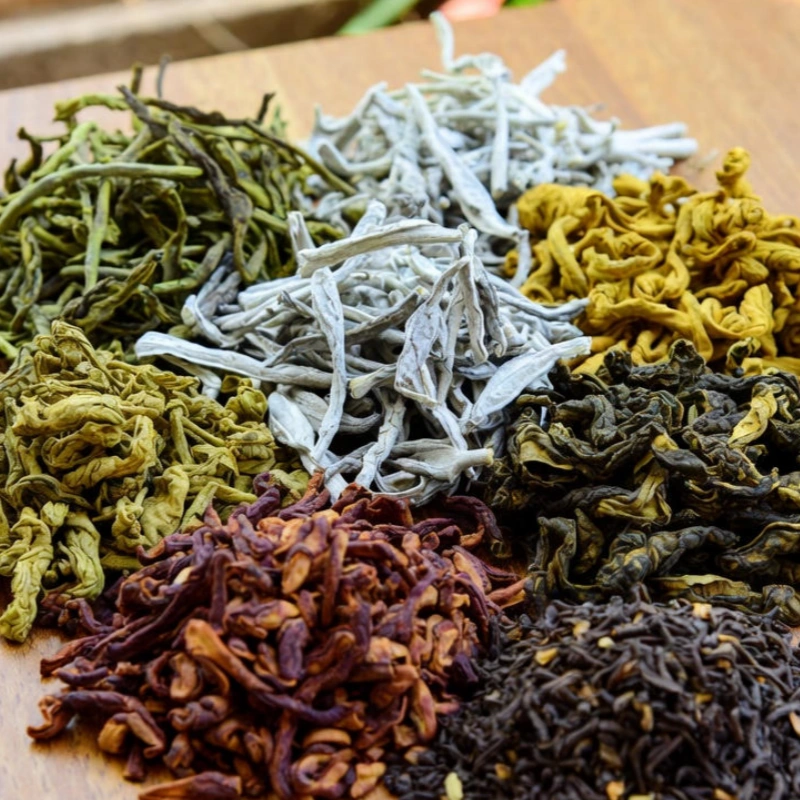
Turning kitchen waste into valuable plant nutrition is one of the most rewarding transformations in the world of sustainable agriculture. Among all common household wastes, tea grounds stand out because of their rich nutrient content, natural acidity, and rapid decomposition rate. Gardeners, hobbyists, and organic fertilizer producers have discovered that tea waste can easily be converted into nutrient-rich liquid fertilizer. In this guide, we will explore in detail how to Make Organic Fertilizer Using Waste Tea Grounds, the essential machinery involved, and why choosing professional equipment from established manufacturers—such as Lane Company—can dramatically improve productivity and final product quality.
Tea leaves are naturally rich in nitrogen, minerals, antioxidants, and trace elements that benefit plant growth. When soaked, fermented, or composted, they release these nutrients in a form that plants can readily absorb. This makes tea grounds an ideal feedstock for producing both solid and liquid organic fertilizers.
Tea grounds offer several advantages:
Fast decomposition rate
Excellent microbial activity during fermentation
Balanced organic matter structure
Nutrient-rich extract suitable for liquid fertilizers
Natural pest-repelling aromatic compounds
Minimal carbon-to-nitrogen balancing requirements
Because of these qualities, tea waste produces a particularly effective liquid fertilizer—concentrated, stable, and easy to apply. Many small and large producers now seek to Make Organic Fertilizer Using Waste Tea Grounds to reduce operational costs, recycle material, and expand their product lines.
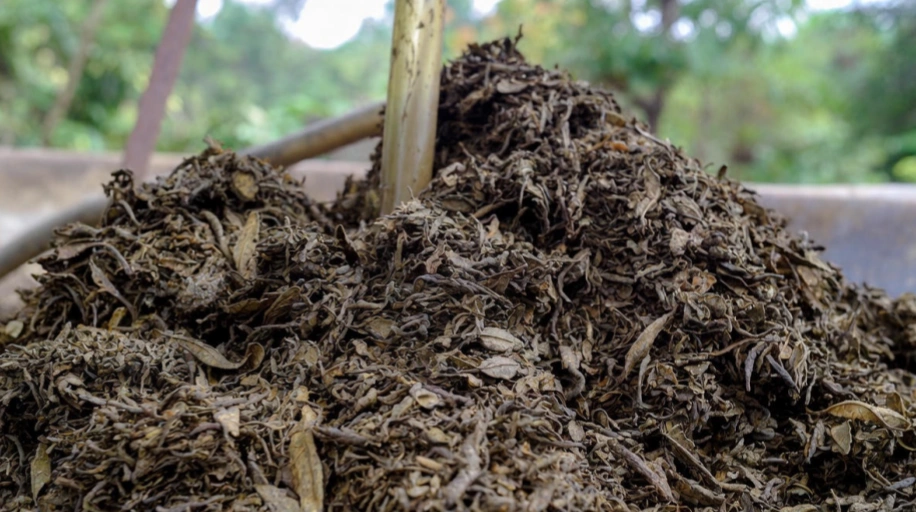
When you choose to Make Organic Fertilizer Using Waste Tea Grounds, you are essentially extracting nutrients from the grounds through controlled fermentation. The final product is a nutrient-rich solution that can be used as:
Foliar spray
Soil drench
Microbial inoculant
Organic nutrient booster for greenhouse crops
Fertilizer for flowers, vegetables, and fruit trees
This liquid fertilizer is especially popular in organic cultivation because it improves soil structure, increases microbial diversity, and provides slow-release nutrients without causing chemical buildup.
Below is a full workflow detailing how professional producers convert tea grounds into high-quality liquid fertilizer. This precise process is designed for both small-scale workshops and industrial organic fertilizer production lines.
Step 1: Collection and Initial Screening
The first step to Make Organic Fertilizer Using Waste Tea Grounds is acquiring consistent raw materials. Many producers collect waste from:
Tea factories
Beverage companies
Cafés and restaurants
Packaged tea processing plants
Once collected, tea grounds must be screened to remove contaminants such as plastic wrappers, paper tea bags, and other foreign materials.
Required machine:
Debris Separation Machine / Screening Machine
This machine ensures that only pure tea grounds enter the fertilizer production line, which is essential for maintaining consistent nutrient quality.
Step 2: Moisture Adjustment and Pre-processing
Fresh tea waste often contains high moisture levels (around 60–70%), which is ideal for fermentation but must still be homogenized. To optimize microbial activity, the moisture, structure, and aeration of the material must be properly controlled.
Machines commonly used:
Mixer Machine (Horizontal or Vertical)
Ensures even moisture distribution. Additives like molasses, microbial inoculants, or other organic materials can be incorporated during mixing.
Crusher (if needed)
If the tea grounds clump or contain fibrous material, a crusher helps homogenize the particle size, improving fermentation efficiency.
This step is crucial because consistent particle size and moisture level create a perfect environment for microbial breakdown.
Step 3: Fermentation — The Heart of the Process
To professionally Make Organic Fertilizer Using Waste Tea Grounds, fermentation must be controlled, efficient, and hygienic. Fermentation breaks down organic matter, stabilizes nutrients, and eliminates harmful pathogens.
There are two fermentation methods:
This method uses oxygen-loving microbes. It produces heat, kills harmful bacteria, and transforms tea grounds into a nutrient-rich pre-liquid concentrate.
Perfect for liquid fertilizers. Tea grounds are submerged in water and fermented without oxygen, creating a microbially active nutrient solution.
Machines required for fermentation:
Vertical Fermentation Tanks (Stainless Steel or Carbon Steel)
Equipped with temperature control, mixing arms, heating jackets, and insulation.
Composting Machine
For large-scale tea waste processing, these closed systems ensure stable and odor-free fermentation.
A well-managed fermentation process ensures a high-quality, stable liquid fertilizer with enhanced microbial content.
Step 4: Extraction and Filtration
Once fermentation is complete, the slurry contains both liquid and solid fractions. To Make Organic Fertilizer Using Waste Tea Grounds into a marketable liquid product, the mixture must be filtered and refined.
Necessary equipment includes:
Solid–Liquid Separator
Separates fermented solids from the nutrient liquid extract. The solids can be reused to make solid organic fertilizer, while the liquid becomes the main product.
Additional mesh filters or membrane filters remove particles to ensure the final product is uniform and clog-free for spraying systems.
Filtration quality directly affects the appearance, stability, and usability of the liquid fertilizer.
Step 5: Additive Blending and Nutrient Enhancement
Depending on your target market and crop requirements, you can enhance your liquid fertilizer using safe organic additives. After all, many professional producers want to Make Organic Fertilizer Using Waste Tea Grounds but also create diversified formulas.
Possible additives include:
Beneficial microbial inoculants
Seaweed extract
Humic acid
Amino acids
Fish protein hydrolysate
Molasses to boost microbial population
Plant-based mineral extracts
Mixer machines or automatic batching systems ensure precise ratios and consistent product quality.
Step 6: Sterilization and Stabilization (Optional but Recommended)
Although fermentation usually eliminates harmful pathogens, some producers prefer to pasteurize or stabilize their liquid fertilizer to extend shelf life.
Common stabilization methods:
Low-temperature heat treatment
Natural pH adjustment
Addition of beneficial microbes that outcompete harmful species
This step is particularly important for large-scale producers seeking commercial certification.
Step 7: Storage and Packaging
Once refined, the liquid fertilizer must be stored safely.
Machines required:
Storage Tanks
Stainless steel storage tanks with agitation prevent stratification.
Automatic Filling Machines
Suitable for bottles, barrels, or large IBC tanks.
Labeling Systems
Ensure professional packaging that meets agricultural product regulations.
By following these steps, you can efficiently Make Organic Fertilizer Using Waste Tea Grounds at both small and industrial scales.
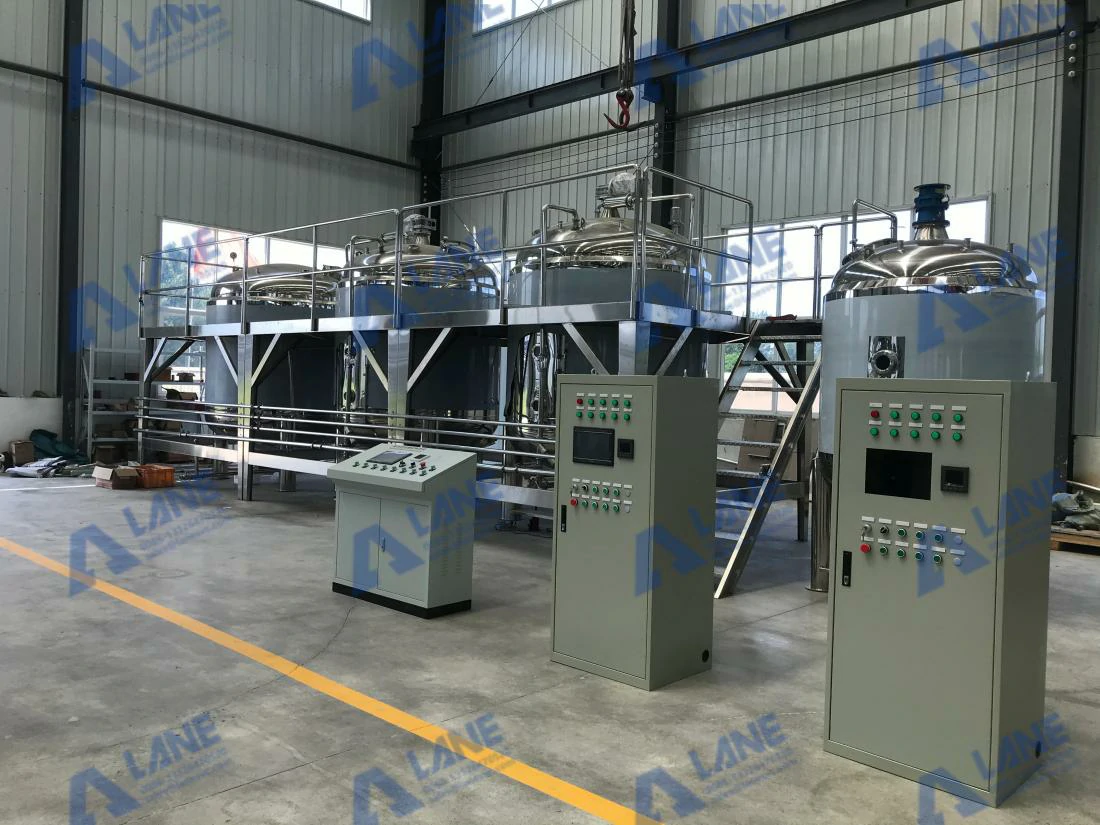
Using tea grounds may sound simple, but producing consistent, high-quality liquid fertilizer requires precision. Factors such as retention time, temperature, microbial balance, filtration fineness, safety, and production line stability all depend on reliable machinery.
This is where choosing a professional manufacturer becomes essential.
When you decide to Make Organic Fertilizer Using Waste Tea Grounds, partnering with an experienced fertilizer machinery manufacturer significantly increases production efficiency and product quality. Lane Company is one of the most specialized and respected manufacturers in China, with more than 20 years of industry experience.
Here are Lane Company’s key advantages:
1.Two Decades of Expertise in Fertilizer Machinery
Lane Company has specialized in fertilizer equipment manufacturing for over 20 years. This long-term focus enables them to understand exactly what producers need—whether you’re creating tea-based liquid fertilizer, solid organic fertilizer, NPK blends, or compound granules.
Their engineering team has deep knowledge in:
Fermentation technology
Organic fertilizer production
Liquid fertilizer extraction
Large-scale industrial automation
Customized plant design
This makes them an ideal partner when you want to Make Organic Fertilizer Using Waste Tea Grounds at a professional level.
2.Complete Engineering Capabilities
Lane Company provides full, end-to-end engineering services:
Design of entire fertilizer production lines
Customized equipment manufacturing
Professional installation and on-site training
Commissioning and system optimization
Long-term maintenance and upgrades
They are one of the few manufacturers capable of delivering full-scale solutions tailored to raw materials like tea grounds.
3.International Quality Standards (ISO 9001 & CE)
All equipment produced by Lane Company follows strict quality control requirements. Their ISO 9001 and CE certifications guarantee:
Safety
Durability
Stability
High production efficiency
This is especially important if your plan to Make Organic Fertilizer Using Waste Tea Grounds includes export, large-scale distribution, or brand expansion.
4.Expertise Across All Fertilizer Production Lines
Lane Company specializes in:
Organic fertilizer machines
NPK fertilizer production lines
Compound fertilizer machinery
Granulation systems
Fermentation equipment
Solid–liquid separators
Packaging machines
These systems integrate perfectly to create reliable tea-based fertilizer production lines.
5.Strong After-Sales Support
Lane Company provides:
Troubleshooting
Spare parts supply
24/7 technical support
On-site service if needed
Remote diagnostics
Upgrade and expansion consultation
When you aim to Make Organic Fertilizer Using Waste Tea Grounds, continuous equipment support ensures smooth, uninterrupted production.
The global demand for organic fertilizer is growing rapidly, and tea grounds are a powerful, sustainable raw material. By following the steps and using the correct machinery, you can efficiently Make Organic Fertilizer Using Waste Tea Grounds—a product that improves soil health, boosts crop yield, and minimizes environmental impact.
Whether you are planning a small workshop or a complete industrial production line, choosing an experienced machinery manufacturer is crucial. With over 20 years of specialization, advanced engineering, comprehensive after-sales services, and internationally certified quality, Lane Company is a reliable partner for anyone looking to Make Organic Fertilizer Using Waste Tea Grounds on a professional scale.
If you are ready to build a production line, expand your capacity, or upgrade your equipment, Lane Company can provide the technology and expertise you need to succeed.
For more details, please feel free to contact us.
Henan Lane Heavy Industry Machinery Technology Co., Ltd.
Email: sales@lanesvc.com
Contact number: +86 13526470520
Whatsapp: +86 13526470520
Leave a Comment
LANE has more than 500 successful cases and is committed to providing customers with first-class solutions, high-end machinery and equipment, and one-stop pre-sales, sales and after-sales comprehensive customer service.