
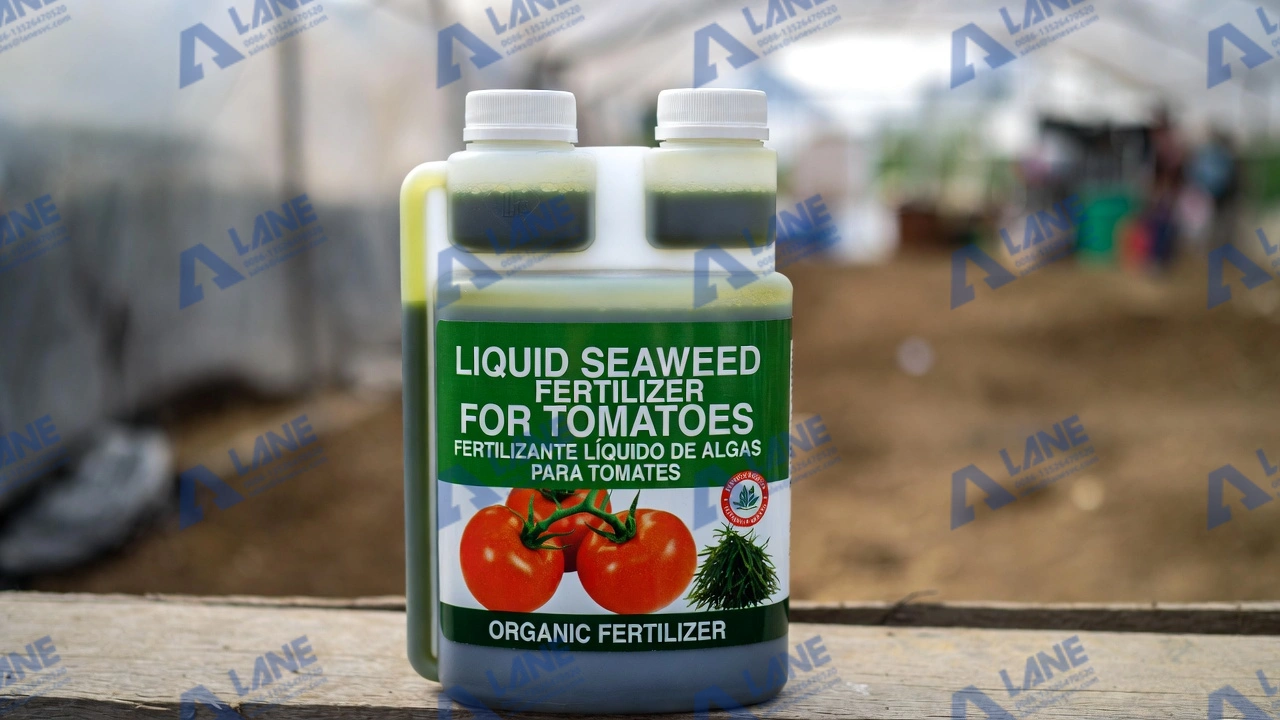
Liquid Seaweed Fertilizer for Tomatoes in Mexico: Commercial Production and Practical Usage Guide
Table of Contents
Mexico is the leading producer of tomatoes. It is among the most valuable vegetable crops in Mexico. It is grown across open fields in Mexico and in protected agriculture for domestic use and export. As global demand for clean, residue-free food rises, organic liquid fertilizer for tomatoes in Mexico has become a top choice for sustainable, high-quality production. Liquid Seaweed Fertilizer for Tomatoes in Mexico is a natural, bioactive fertilizer. It is made from seaweed extracts and is rich in amino acids, minerals, and plant growth hormones.
LANE Heavy Industry has engineered an organic liquid fertilizer production line that delivers effective Liquid Seaweed Fertilizer for Tomatoes in Mexico. This article covers industrial production using LANE Heavy Industry’s machinery and field-proven usage for Mexican tomato cultivation.
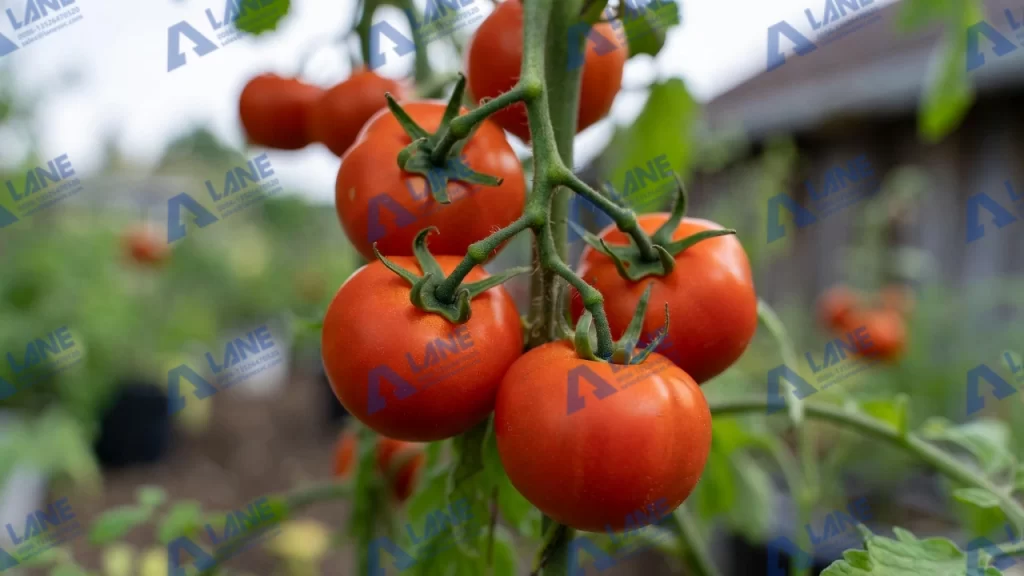
There are several reasons why growers are turning to Liquid Seaweed Fertilizer for Tomatoes in Mexico:
By integrating Liquid Seaweed Fertilizer for Tomatoes in Mexico into crop management, growers can achieve both sustainability and profitability.
Producing Liquid Seaweed Fertilizer for Tomatoes in Mexico involves multiple stages. Each stage is critical to maintaining the nutrient content and biological activity for the tomato plant.
Raw Material Preparation
The first step is collecting high-quality seaweed from coastal sources. It is washed to remove salts and impurities. After washing, the seaweed is chopped into smaller pieces. This ensures the raw material is ready for efficient nutrient extraction.
The extraction process uses LANE Heavy Industry machinery to maximize bioactive compounds:
This method produces a concentrated, nutrient-rich Liquid Seaweed Fertilizer for Tomatoes in Mexico suitable for both foliar and soil application.
The next step is filtration. The liquid fertilizer is filtered to remove any dusty particles and make the fertilizer clear. This gives the fertilizer a premium clear look and protects the user’s application equipment from clogging. After filtration, the liquid fertilizer is sent to a holding tank and from there the liquid fertilizer is packaged. LANE Heavy Industry machinery ensures consistency in filtration and reduces the risk of contamination while maintaining nutrient potency.
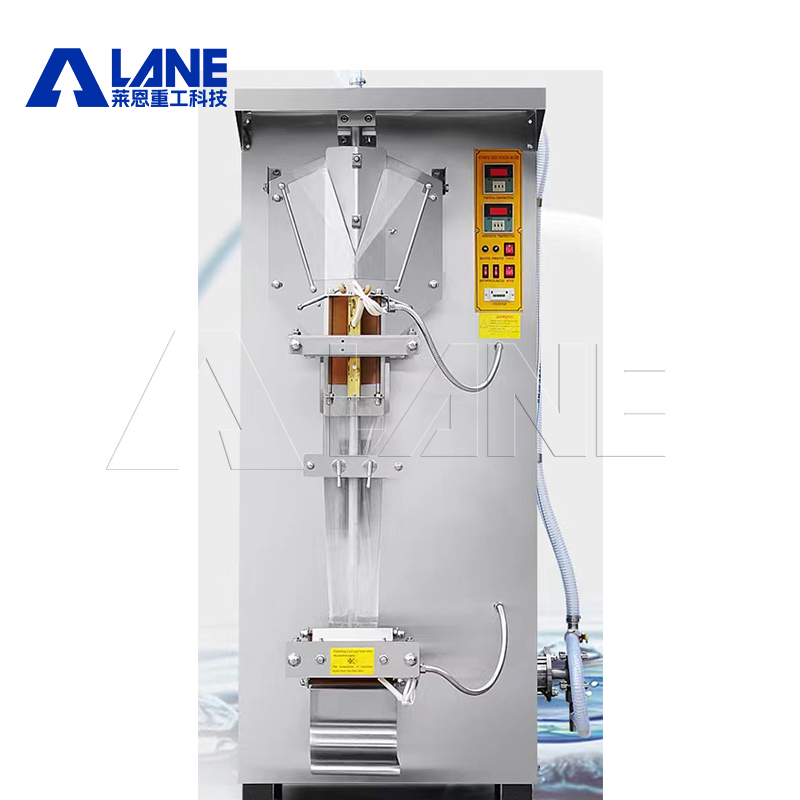
LANE Heavy Industry Machinery for Production
LANE Heavy Industry offers a complete production line for Liquid Seaweed Fertilizer for Tomatoes in Mexico:
Using LANE machinery ensures high-quality production that meets agricultural standards and can be scaled up as needed.
Having a high-quality product is only half the battle. To maximize the return on investment when using Liquid Seaweed Fertilizer for Tomatoes in Mexico, farmers must follow best practices.
Application Methods
Timing and Frequency
Important Considerations
Compatibility with Other Fertilizers
Liquid Seaweed Fertilizer for Tomatoes in Mexico is compatible with most NPK fertilizers. Growers should test pH-sensitive nutrients to avoid precipitation or reduced effectiveness.
Economic and Environmental Benefits
Adopting Liquid Seaweed Fertilizer for Tomatoes in Mexico provides multiple benefits:
Liquid Seaweed Fertilizer for Tomatoes in Mexico is a sustainable, high-efficiency solution that addresses the unique challenges of Mexican tomato cultivation. It boosts plant health, stress resistance, yield, and fruit quality, while supporting eco-friendly and organic farming. The commercial production of Liquid Seaweed Fertilizer for Tomatoes in Mexico is streamlined through LANE Heavy Industry machinery. Our production line ensures high-quality, scalable output.
Whether you’re a fertilizer manufacturer or a tomato farmer, adopting Liquid Seaweed Fertilizer for Tomatoes in Mexico is a smart investment in Mexico’s thriving agricultural sector.
Q1: What is Liquid Seaweed Fertilizer?
A: A natural liquid fertilizer made from seaweed extract, containing nutrients, amino acids, and plant hormones.
Q2: Why use it for tomatoes in Mexico?
A: It improves root development, nutrient absorption, stress tolerance, and overall yield.
Q3: Can it be used with chemical fertilizers?
A: Yes, it is compatible with most NPK fertilizers, but pH-sensitive nutrients should be tested.
Q4: How often should it be applied?
A: Every 10–14 days depending on the plant growth stage.
Q5: What benefits does LANE Heavy Industry machinery provide?
A: Efficient extraction, fermentation, filtration, and packaging for consistent, high-quality production.
Q6: Is it environmentally sustainable?
A: Yes, it reduces synthetic fertilizer use and supports eco-friendly farming practices.
Q7: Does it improve fruit quality?
A: Absolutely, enhancing color, firmness, and sugar content in tomatoes.
For more details, please feel free to contact us.
Henan Lane Heavy Industry Machinery Technology Co., Ltd.
Email: sales@lanesvc.com
Contact number: +86 13526470520
Whatsapp: +86 13526470520
Leave a Comment
Latest Posts
LANE has more than 500 successful cases and is committed to providing customers with first-class solutions, high-end machinery and equipment, and one-stop pre-sales, sales and after-sales comprehensive customer service.