
How Liquid Organic Fertilizers for Higher Yield Modern Farming
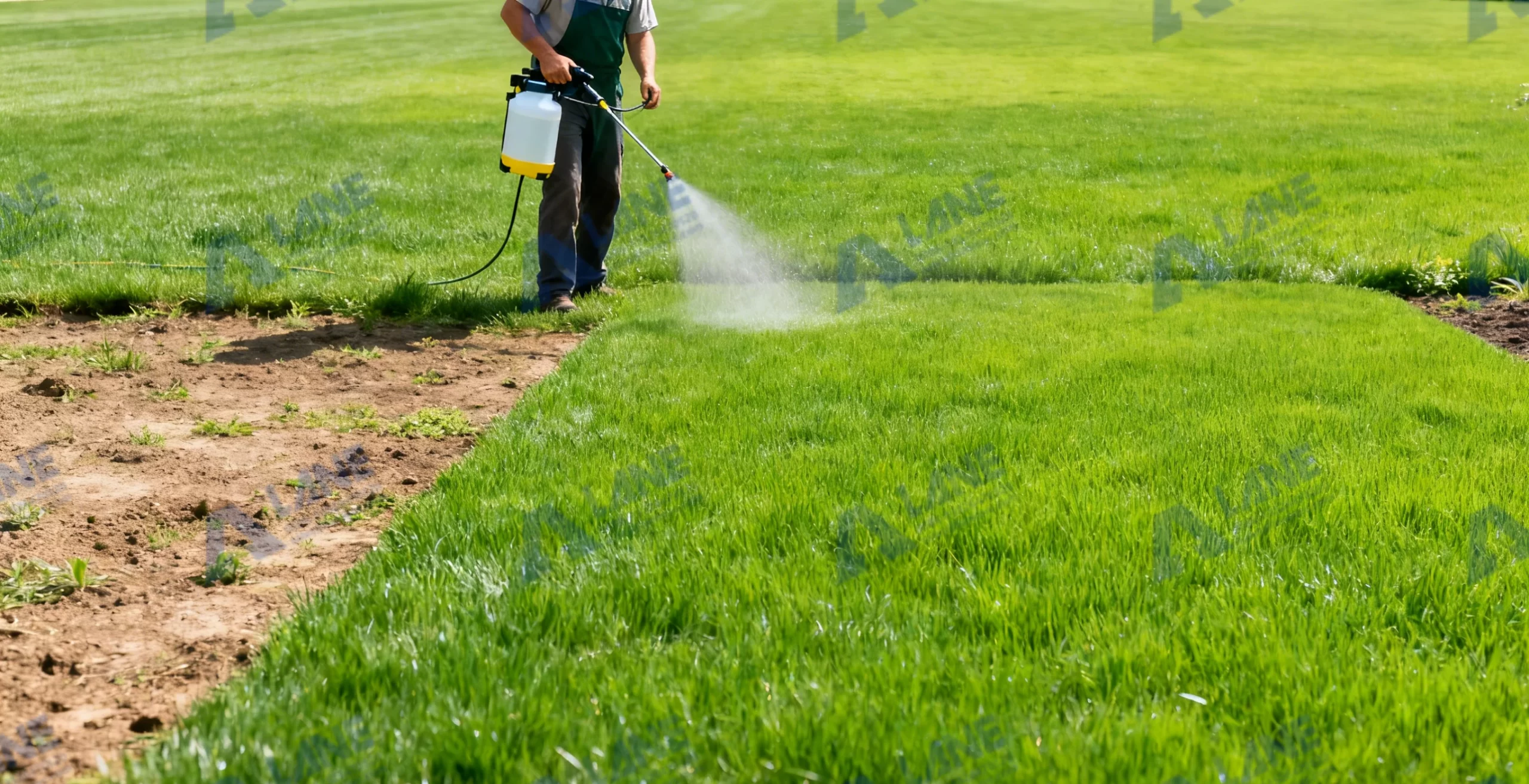
As global agriculture pushes toward sustainability, many growers have shifted their attention to liquid organic fertilizers for higher yield. These fertilizers are not only environmentally friendly but also offer fast nutrient absorption, flexible application methods, and significant improvements in crop vigor. Whether used in open-field vegetables, greenhouse crops, fruit trees, or hydroponics, liquid formulations consistently show earlier plant recovery, quicker root activation, and more uniform growth.
For many farmers, the core question is no longer whether liquid fertilizers work—the question is how to produce them efficiently and professionally. This becomes especially important when production is based on agricultural waste. Transforming organic waste into valuable fertilizer requires a scientific process and reliable machinery to ensure stable quality.
To understand this transformation clearly, let us explore the advantages, the equipment involved, and a real-world case of how a major vegetable-processing factory in Shandong successfully produces liquid organic fertilizers for higher yield from daily agricultural waste.
Liquid fertilizers differ from granular or powdered organic fertilizers because the nutrients are already solubilized or partially predigested through microbial activity. When applied through irrigation systems or foliar spraying, nutrients bypass the long decomposition period typically required in soil.
1.Faster Nutrient Availability
Plants absorb dissolved nutrients almost immediately. Elements such as nitrogen, amino acids, potassium, and trace minerals are rapidly transported to roots and leaves. This is ideal for crops under stress—heat, water shortage, transplanting, or disease recovery.
2.Perfect Suitability for Modern Irrigation Systems
Greenhouse agriculture in China, Europe, and South America increasingly relies on drip irrigation or fertigation. Liquid organic fertilizers for higher yield integrate seamlessly with these systems, improving uniformity and automation level.
3.Improved Soil Microbial Life
Liquid organics are rich in active microbiota, organic acids, and enzymes. When applied to soil, they stimulate beneficial microbial populations, enhancing soil structure, water retention, and nutrient cycling.
4.Flexible Formulation Possibilities
Manufacturers can customize formulas using:
This flexibility is why so many growers rely on liquid organic fertilizers for higher yield during key growth stages—rooting, flowering, and fruit expansion.
To show how this works in practice, let’s look at a realistic industry case—a vegetable-processing factory in Shandong’s well-known agricultural region, Shouguang.
This factory processes over 150,000 tons of vegetables per year, producing large volumes of carrot peels, tomato scraps, cabbage leaves, and celery stems. For years, these materials were transported to landfills, generating odors and environmental pressure. In 2022, the company decided to build its own liquid fertilizer line to create liquid organic fertilizers for higher yield, turning waste into value.
From Low-Value Waste to Valuable Input
Every morning, forklifts deliver blue crates filled with vegetable waste to the raw-material receiving area. Instead of being discarded, the waste is sent to an industrial crusher. Tomato slices, carrot skins, and leafy residues are ground into a uniform slurry. This consistency is critical for efficient fermentation.
Technicians then prepare a nutrient-adjusted blend. In a stainless steel mixing tank, they combine:
the vegetable slurry
sugarcane molasses as a carbon source
a specialized microbial starter culture
controlled amounts of water
After mixing for about 10 minutes, the material is pumped into 30-cubic-meter sealed fermentation tanks.
Controlled Fermentation for Stable Output
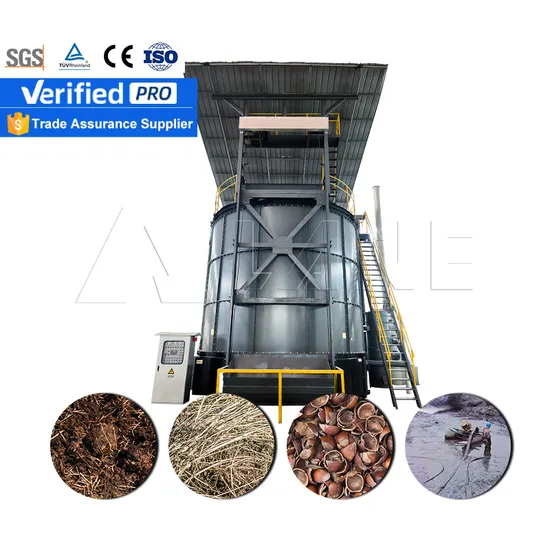
Inside these fermentation tanks, automated stirring paddles rotate at set intervals. Temperature sensors monitor the internal heat, keeping it between 48°C and 58°C, the optimal range for microbial breakdown. For five to seven days, the vegetable waste is transformed into a nutrient-rich fermented broth.
The factory previously relied on manual composting piles, which required constant flipping and subjective judgment. With automated fermentation, quality became consistent, and labor dropped dramatically.
Solid–Liquid Separation and Filtration
After fermentation, the material flows to a dual filter. The liquid portion—warm, brown, and rich in amino acids and soluble potassium—becomes the base for liquid organic fertilizers for higher yield.
The solids, still rich in stable matter, are sent to another machine to produce organic fertilizer pellets.
To ensure compatibility with drip irrigation, the liquid undergoes:
Only then does it enter the dosing tank for final formulation.
Blending, Nutrient Adjustment, and Packaging
Depending on customer requirements, the factory may add:
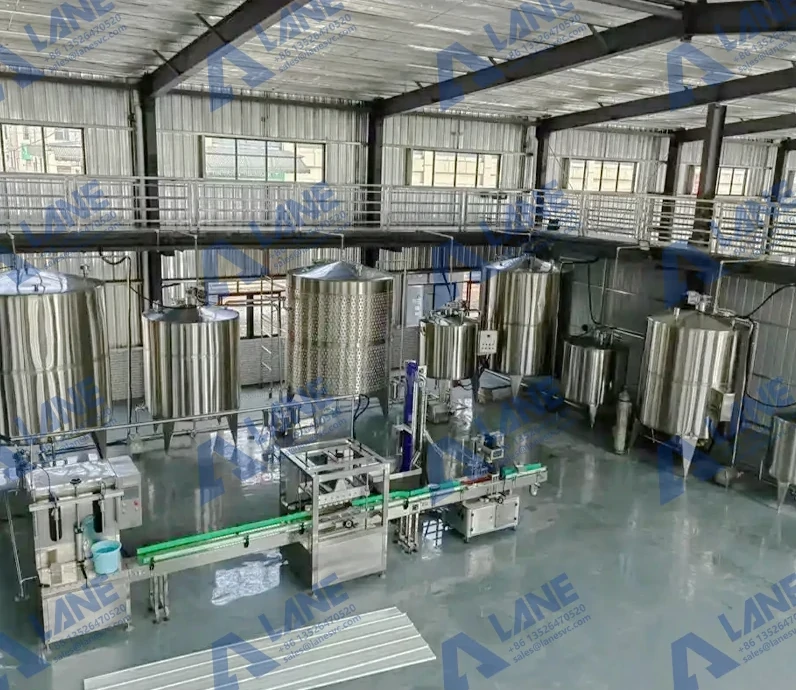
The finished fertilizer is pumped into an automatic filling or packaging machine and packaged into 1-liter, 5-liter, or 20-liter containers.
The result? A stable, high-quality liquid organic fertilizer for higher yield that the factory uses in its own contracted farms and sells to greenhouses throughout northern China.
Producing liquid organic fertilizers for higher yield requires reliable equipment, not guesswork. Key machines typically include:
1.Raw Material Crusher and Conveyor System
Creates uniform particle size for faster microbial digestion.
2.High-Precision Mixing Tanks
Ensures even blending of waste, molasses, inoculants, and water.
3.Automated Fermentation Tanks
Equipped with temperature control, agitation, and sealed design for safe and efficient microbial processing.
4.Solid–Liquid Separator
Separates fermented slurry into liquid extract and solid organic matter.
5.Multi-Stage Filtration Units
Prevents clogging of drip irrigation systems and guarantees smooth product flow.
6.Formulation and Dosing Tanks
Allow precise adjustment of nutrients and organic components.
7.Automatic Filling and Packaging Lines
Increase productivity and maintain product hygiene.
Each step is essential for producing liquid organic fertilizers for higher yield that are stable, safe, and effective.
Chapter 4: Why Many Producers Choose Lane as Their Machinery Partner
As more businesses try to produce liquid organic fertilizers for higher yield, the challenge is not the idea—it is finding reliable equipment and a partner who understands the full production process.
This is where Lane stands out.
Lane has been specialized in fertilizer machinery manufacturing in China for over 20 years. Their engineering team designs complete production lines tailored to each client’s raw materials, capacity, and market goals. They do not simply sell machines—they deliver:
factory layout planning
equipment manufacturing
installation and commissioning
operator training
long-term after-sales support
The company adheres to international quality standards such as ISO 9001 and CE, giving customers confidence that the equipment meets global requirements for safety and reliability.
Whether clients need a full organic fertilizer line, a compound fertilizer plant, an NPK production system, or a dedicated line for liquid organic fertilizers for higher yield, Lane provides customized engineering solutions with stable performance and long machine life.
This combination of experience, quality, and service is why Lane has become a trusted partner for fertilizer manufacturers worldwide.
Liquid organic fertilizers have become a cornerstone of high-efficiency, sustainable agriculture. Their rapid nutrient availability, compatibility with modern irrigation, and positive impact on soil biology make them ideal for boosting productivity. As demonstrated by the real case in Shandong, agricultural waste can be transformed into valuable liquid organic fertilizers for higher yield when supported by advanced machinery and scientific processing.
With professional manufacturers like Lane offering complete machinery solutions, more producers can confidently enter this growing market and create high-quality products that benefit both farmers and the environment.
For more details, please feel free to contact us.
Henan Lane Heavy Industry Machinery Technology Co., Ltd.
Email: sales@lanesvc.com
Contact number: +86 13526470520
Whatsapp: +86 13526470520
Leave a Comment
LANE has more than 500 successful cases and is committed to providing customers with first-class solutions, high-end machinery and equipment, and one-stop pre-sales, sales and after-sales comprehensive customer service.