
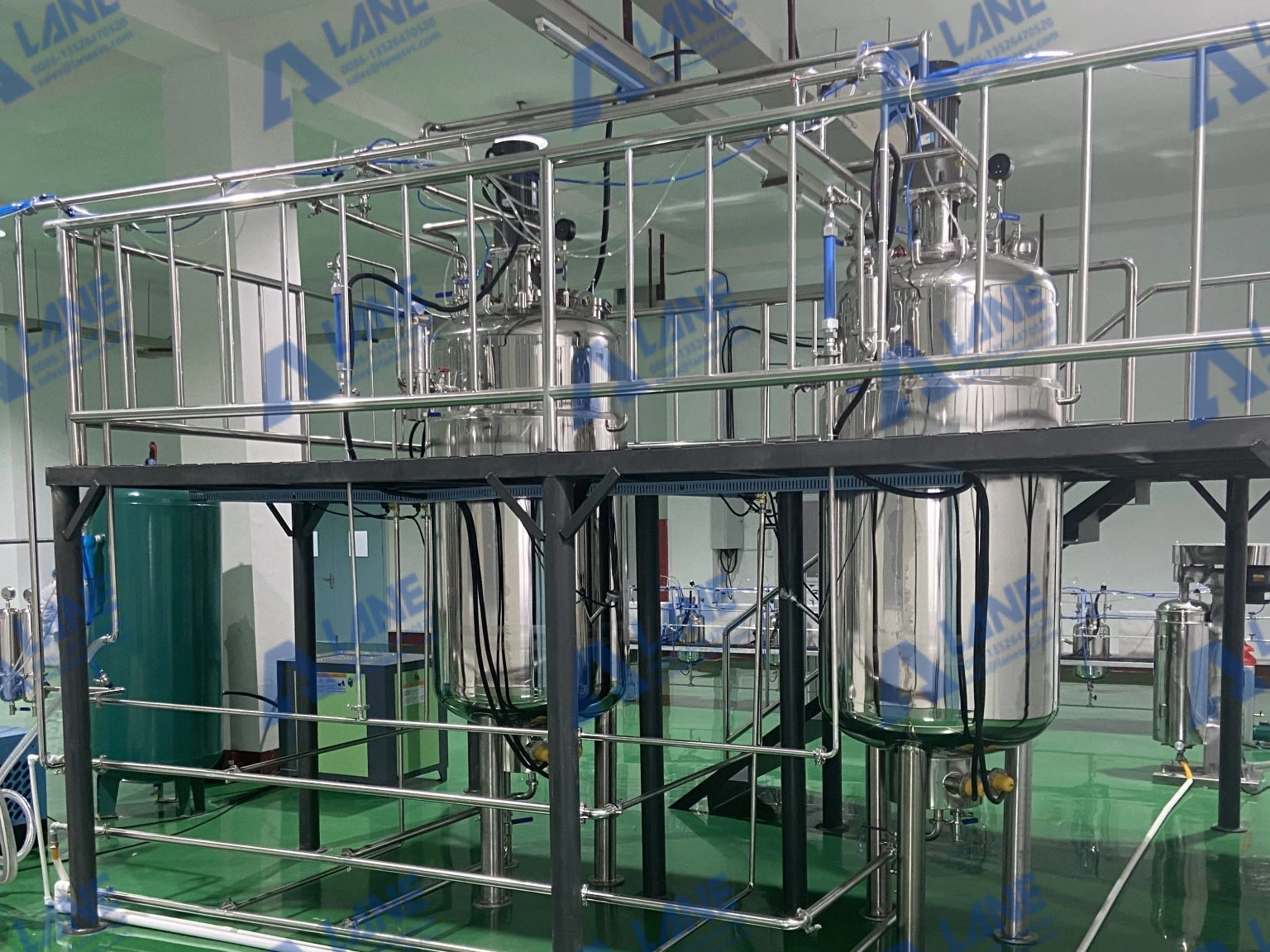
10T/H Liquid Nitrogen-Based Fertilizer Processing System Project in Brazil
Brazil’s farming industry has grown quickly in recent years. Large areas of farmland, long growing seasons, and high crop demand mean fertilizer factories must keep up with fast and stable production. For many manufacturers, a Liquid Nitrogen-Based Fertilizer Processing System has become one of the most practical solutions. It is simple to operate, easy to adjust, and much cleaner than traditional solid fertilizer production.
Farmers prefer liquid nitrogen fertilizer because it works quickly in the soil and can be sprayed or mixed with water systems. For fertilizer companies, this system makes production more flexible. They can adjust the nitrogen level, add other nutrients, or create different formulas without rebuilding the whole factory. This is a big reason why many companies in Brazil are now choosing a Liquid Nitrogen-Based Fertilizer Processing System for their new projects.
A Liquid Nitrogen-Based Fertilizer Processing System allows manufacturers to produce fertilizer with fewer steps. The process is cleaner, uses less energy, and makes it easier to control the quality of each batch. Farmers get a product that works faster in the field, and producers can react quickly to seasonal demand.
Traditional solid fertilizer requires drying, crushing, and granulating. These steps take time and require large machines. A liquid system is simpler. Most of the work involves mixing, pumping, storing, and filling tanks. This is why producers who want faster turnaround times and fewer production problems often switch to a Liquid Nitrogen-Based Fertilizer Processing System.
The stainless-steel mixing tank is the “heart” of the Liquid Nitrogen-Based Fertilizer Processing System. This is where water, nitrogen liquid, and other small ingredients come together to form the final fertilizer. Inside the tank, there is a mixer that keeps everything moving so the solution stays even and doesn’t separate.
These tanks are usually made of stainless steel so they don’t rust. The lids close tightly to keep dust and outside air from entering. Many factories also add small devices that help measure how much liquid is inside the tank. This helps workers know exactly when to add more materials or when a batch is finished.
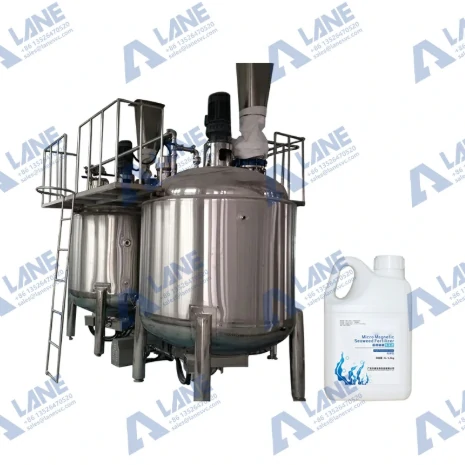
Once the fertilizer is mixed, pumps push it through pipelines to the next part of the Liquid Nitrogen-Based Fertilizer Processing System. These pumps are important because they control how fast the fertilizer moves. If the flow is too fast or too slow, the mixture may not stay uniform.
Filters are added along the pipes to catch tiny particles so the final fertilizer stays clear and smooth. Strong pipes and valves prevent leaks and help the system run safely for long periods.
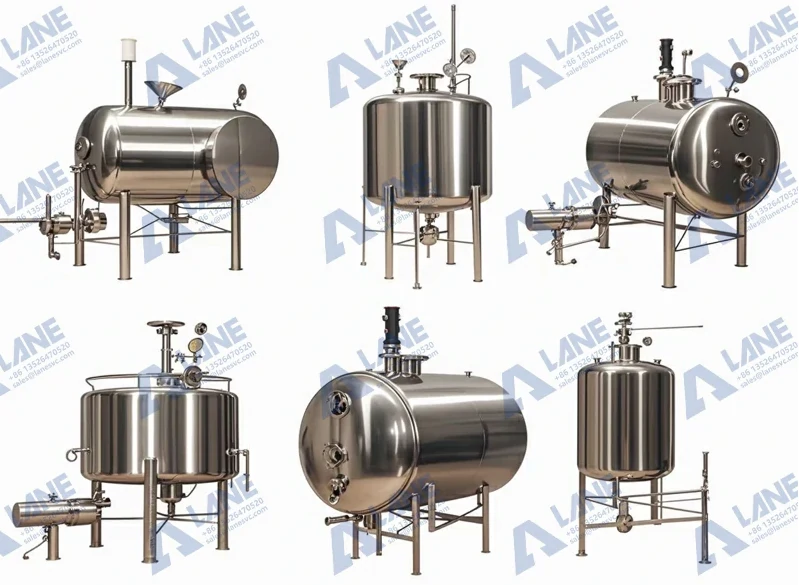
A Liquid Nitrogen-Based Fertilizer Processing System always includes storage tanks. These tanks hold the fertilizer after mixing and before filling. Some factories also use storage tanks to hold water and other materials needed for production.
The tanks may be made of plastic or steel. They are usually placed in a cool and ventilated area to keep the fertilizer stable. Sensors measure the liquid level so workers can see how much product is available at all times.
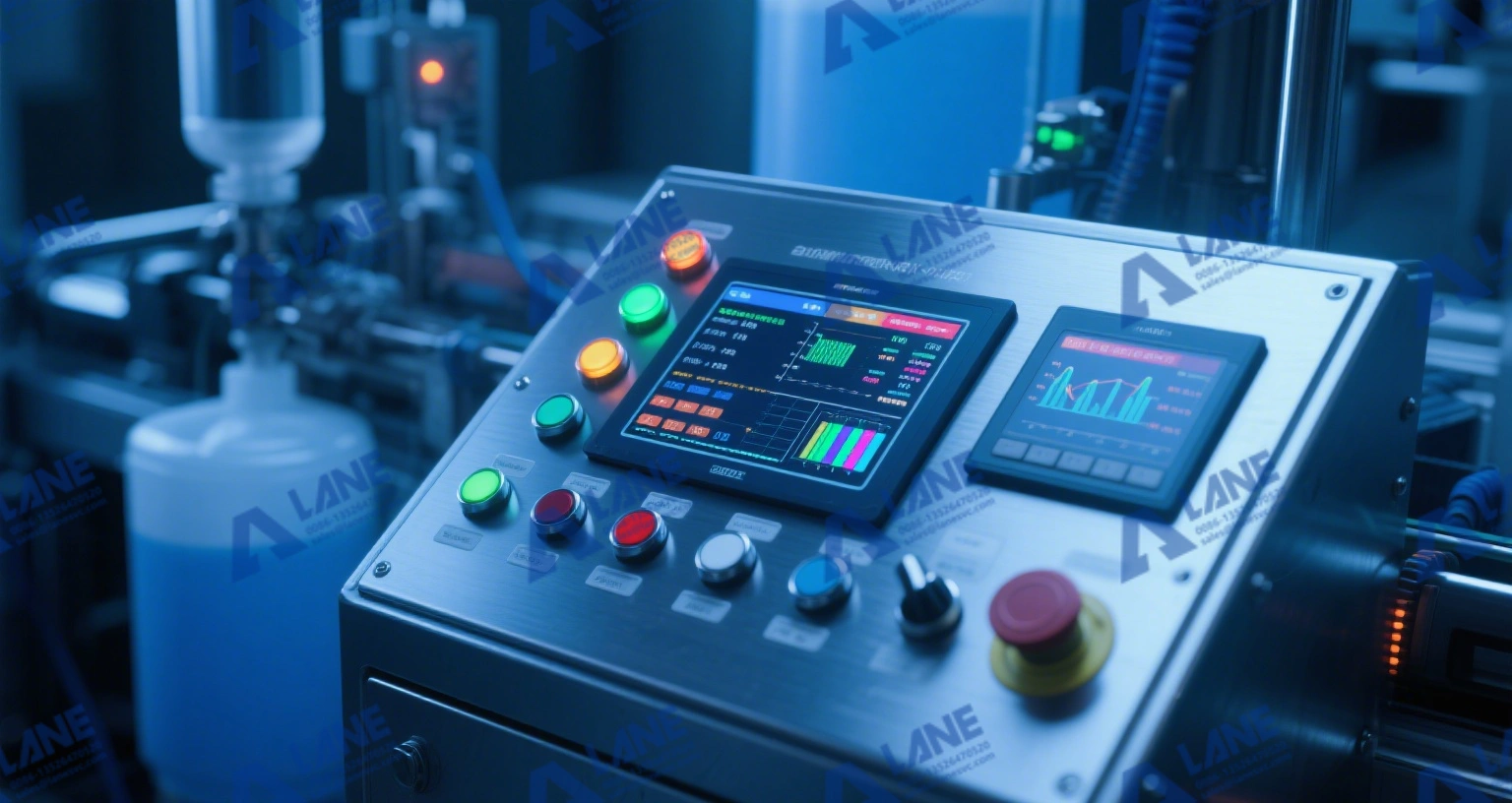
Modern factories prefer automation because it reduces mistakes and makes production easier to manage. A Liquid Nitrogen-Based Fertilizer Processing System often has a central control panel where operators can see every part of the production line on a screen.
With this system, workers can:
Automation helps reduce labor costs and ensures each batch of fertilizer is made the same way every time.
Cooling or Temperature-Adjustment Units
These help keep the fertilizer at the right temperature so it remains stable.
Safety Valves and Pressure Controls
These protect workers and equipment by releasing pressure if it becomes too high.
Filling Machines
These liquid packaging machines fill the final fertilizer into drums, IBC tanks, or trucks. This step must be clean and accurate.
Small Testing Area
Many factories include a small testing room to check the quality of each batch. They test pH, thickness, and nitrogen content to make sure the fertilizer is ready to sell.
Together, these parts help create a smooth and reliable Liquid Nitrogen-Based Fertilizer Processing System.
When choosing a supplier for a Liquid Nitrogen-Based Fertilizer Processing System, experience is important. LANE has been producing fertilizer machinery for more than 20 years. With long-term experience and a strong engineering team, we design systems that match the customer’s budget, plant layout, and production goals.
We offer complete services, including:
Our company follows ISO 9001 and CE quality standards, which means we take quality control very seriously. LANE also supplies complete fertilizer production lines, including NPK, organic fertilizer, and compound fertilizer systems. No matter which part you need, we make sure your Liquid Nitrogen-Based Fertilizer Processing System runs smoothly from day one.
Factories that use a Liquid Nitrogen-Based Fertilizer Processing System often notice several improvements:
Faster production
There is no drying or granulating step, so batches finish quickly.
Cleaner environment
No dust, less heat, and simpler waste management.
Easy recipe changes
Switching formulas only requires adjusting ingredient amounts.
Lower maintenance
Fewer moving parts mean fewer breakdowns.
More stable product
Liquid fertilizer stays uniform when the system mixes it properly.
For countries like Brazil, where fertilizer demand changes during planting seasons, these benefits make production more reliable and more efficient.
Even in a simple system, equipment quality matters. Strong pumps, durable tanks, and stable mixers help reduce repair costs and keep the line running longer. A high-quality Liquid Nitrogen-Based Fertilizer Processing System also helps maintain product consistency, which improves customer trust and helps the brand grow.
Bad equipment may be cheaper at first, but it often leads to leaks, uneven fertilizer, and more downtime. Many manufacturers find that choosing a well-built system saves more money in the long run.
Future Trends in Liquid Fertilizer Production
Technology continues to improve, and future Liquid Nitrogen-Based Fertilizer Processing System designs may include:
LANE is already developing new ideas in these areas to help customers stay ahead of industry changes.
A Liquid Nitrogen-Based Fertilizer Processing System is a smart choice for any fertilizer company looking to improve efficiency, cut costs, and meet the growing demand for liquid nitrogen fertilizer. Its simple process, easy operation, and flexible formula adjustment make it one of the best solutions for modern agriculture.
With the support of experienced partners like LANE, producers can build a stable, long-lasting system that keeps their fertilizer business growing for many years.
For more details, please feel free to contact us.
Henan Lane Heavy Industry Machinery Technology Co., Ltd.
Email: sales@lanesvc.com
Contact number: +86 13526470520
Whatsapp: +86 13526470520
Leave a Comment
LANE has more than 500 successful cases and is committed to providing customers with first-class solutions, high-end machinery and equipment, and one-stop pre-sales, sales and after-sales comprehensive customer service.