
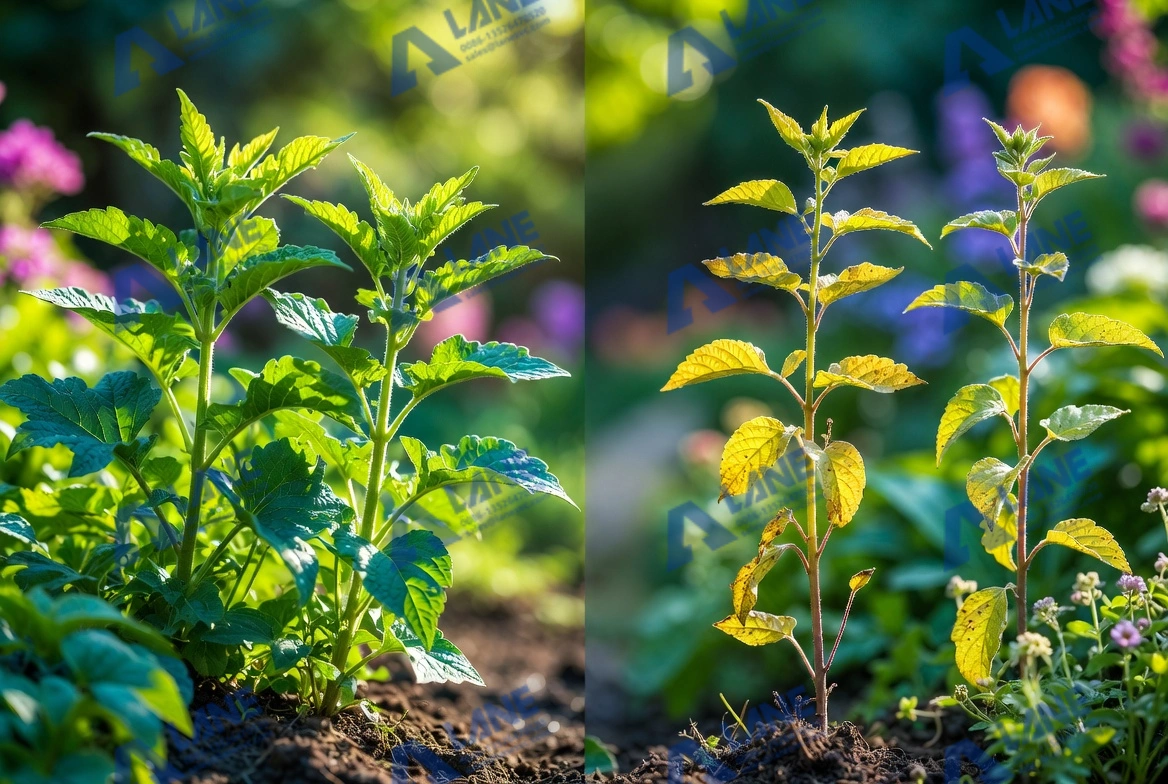
The Benefits of Liquid Fertilizer with Trace Elements for Healthier Plants
Cultivating thriving plants requires quality fertilizer, and in the modern fertilizer industry, a quality fertilizer is defined by efficiency and precision. As we strive to maximize yields while maintaining nutrient value, liquid fertilizers with trace elements have become an essential product for farmers and gardeners. This fertilizer is rich with essential micronutrients. These are critical for plant development, growth, and disease resistance.
Liquid fertilizer with trace elements is a fertilizer solution that contains small amounts of micronutrients like iron (Fe), manganese (Mn), zinc (Zn), copper (Cu), and molybdenum (Mo). This type of fertilizer delivers a complete, balanced, and readily available nutrient package to plants.
In this article, we’ll explore the benefits of using liquid fertilizers with trace elements and discuss how modern machinery, such as that produced by LANE Heavy Industry, enhances the production process, ensuring consistency, quality, and efficiency in fertilizer manufacturing.
Liquid fertilizers are designed to provide essential elements directly to the plant roots. granular fertilizers takes time to break down and be absorbed. liquid fertilizers deliver nutrients in a form that plants can use immediately.
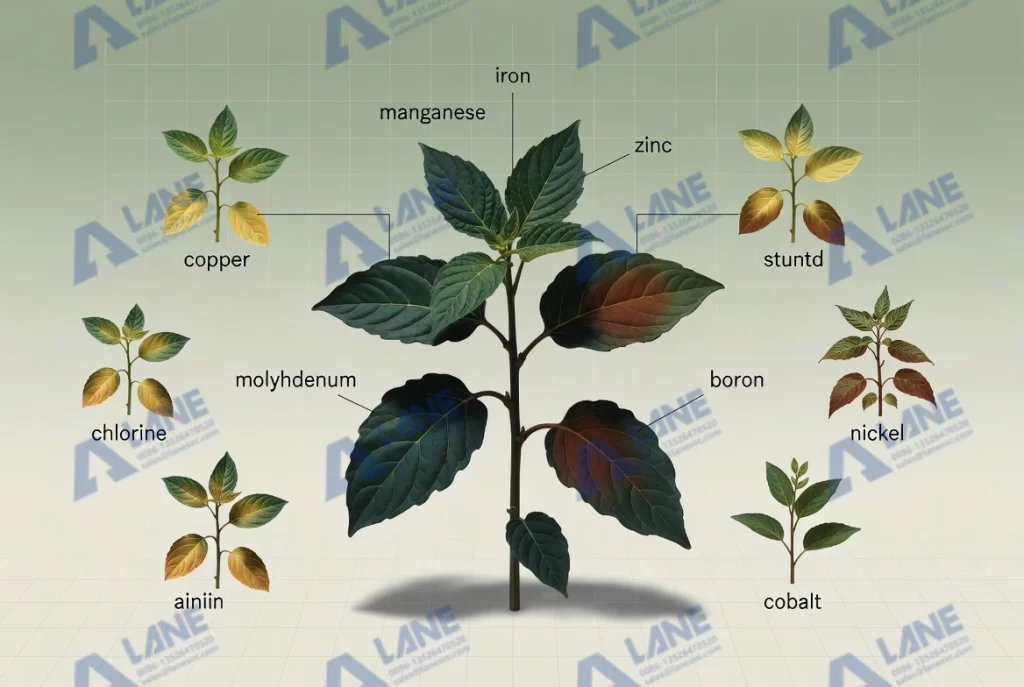
Trace elements, or micronutrients, are essential for plant growth but are needed in smaller quantities than macronutrients. These nutrients include elements like iron (Fe), manganese (Mn), zinc (Zn), copper (Cu), molybdenum (Mo), and boron (B). These elements are often overlooked when cultivating, but they play a vital role in growing crops. Although they are required in small amounts, these micronutrients are crucial for processes such as photosynthesis, chlorophyll production, and enzyme activation. A deficiency in any of these elements can lead to stunted growth and poor plant health.
Like all other nutrients, trace elements have specific functions that significantly impact plant development. Here’s a brief overview of the most common trace elements found in liquid fertilizers and their role in plant health:
Liquid fertilizers with trace elements ensure that plants have access to the full spectrum of nutrients they need for optimal health.
LANE Heavy Industry specializes in advanced machinery for fertilizer production. The company’s equipment ensures that liquid fertilizers are manufactured with precision and consistency. Here’s how their machinery benefits the production process:
By leveraging equipment from LANE Heavy Industry, fertilizer manufacturers can produce high-quality liquid fertilizers that are both effective and environmentally friendly.

Not all plants require the same type of liquid fertilizer. All plants have some nutrients that they prefer. Choosing the right one is crucial for their growth. When choosing a liquid fertilizer with trace elements, consider the following:
Liquid fertilizers with trace elements help plants with their health, growth, and yields. Realizing these benefits depends on the technological sophistication of the production process. By investing in a precision-engineered liquid fertilizer production line from a provider like LANE Heavy Industry, manufacturers can produce a superior, stable, and highly effective product that empowers farmers to cultivate healthier, more productive, and more resilient crops, securing the future of precision agriculture. As we continue to innovate in agricultural technology, liquid fertilizers will remain a key component in growing healthier, more resilient crops.
Q1: What makes liquid fertilizers with trace elements different from regular fertilizers?
A: Liquid fertilizers with trace elements are specially formulated with essential micronutrients like iron, zinc, and copper. These trace elements help plants grow stronger, develop better roots, and resist diseases, while regular fertilizers may only provide macronutrients like nitrogen, phosphorus, and potassium.
Q2: Can I use liquid fertilizer with trace elements on all types of plants?
A: Yes, liquid fertilizers with trace elements can be used on a variety of plants, including fruits, vegetables, flowers, and ornamental plants. However, it’s essential to select a fertilizer tailored to the specific nutrient needs of your plants.
Q3: How often should I apply liquid fertilizer with trace elements?
A: The frequency of application depends on the plant’s growth stage and the soil’s nutrient levels. Generally, it’s best to follow the manufacturer’s instructions, applying every 1-4 weeks.
Q4: Can liquid fertilizers with trace elements be harmful to my plants?
A: Overuse of any fertilizer, including liquid fertilizers with trace elements, can harm plants. It’s crucial to follow the recommended dosage and avoid over-fertilization to prevent nutrient burn or toxicity.
For more details, please feel free to contact us.
Henan Lane Heavy Industry Machinery Technology Co., Ltd.
Email: sales@lanesvc.com
Contact number: +86 13526470520
Whatsapp: +86 13526470520
Leave a Comment
Latest Posts
LANE has more than 500 successful cases and is committed to providing customers with first-class solutions, high-end machinery and equipment, and one-stop pre-sales, sales and after-sales comprehensive customer service.