
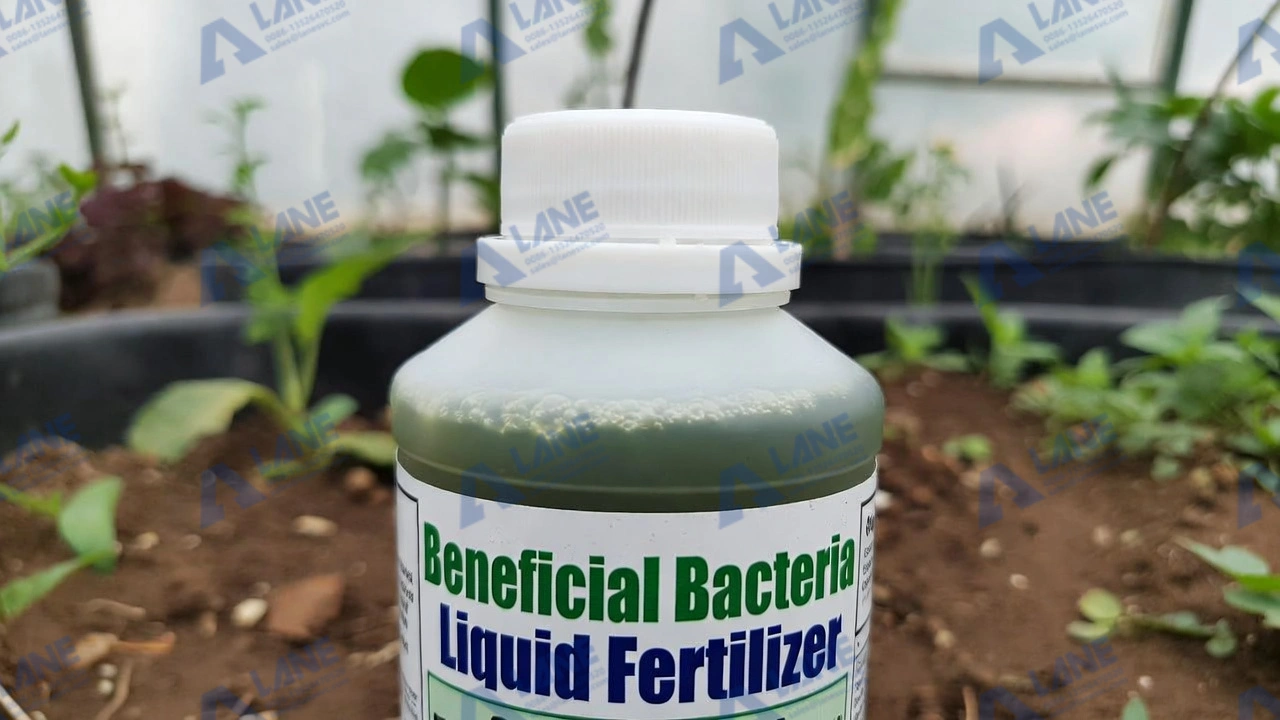
Integrating Waste Streams into Your liquid fertilizer with beneficial bacteria production line
Government all around the world are pushing legislation for sustainable agriculture. These legislation gives subsidiary to agribusiness and entrepreneurs who builds sustainable fertilizer production line. liquid fertilizer with beneficial bacteria has emerged as one of the most useful fertilizers. This fertilizer leverages microbial activity to enhance soil fertility and crop yield. By integrating waste stream directly into a modern production line, manufacturer can produce a high-value product that revitalizes soil. The raw material cost for liquid fertilizer with beneficial bacteria is low. Leveraging machinery from LANE Heavy Industry, makes this circular model both scalable and reliable.
Table of Contents
Waste disposal has become costly and unsustainable. Agricultural operations and food processing plants generates vast amount of organic by products. The organic by product like crop residues, animal manure, and food processing sludge are often viewed as a liability. liquid fertilizer with beneficial bacteria production line transforms a disposal problem into a profit center.
The economic case for liquid fertilizer with beneficial bacteria production line is compelling. Case studies from operational projects show that converting waste into fertilizer can deliver an investment return rate of 17% to 51%. For farmers, this model offers a low-cost source of organic fertilizer. Liquid fertilizer has a reputation for fast absorption and precise application. liquid fertilizer with beneficial bacteria can reduce input cost by over 30 % while improving crop yield. This creates a “win-win-win” scenario: waste generators eliminate disposal fees, fertilizer producers gain cheap feedstock, and end-users access affordable, high-quality products.
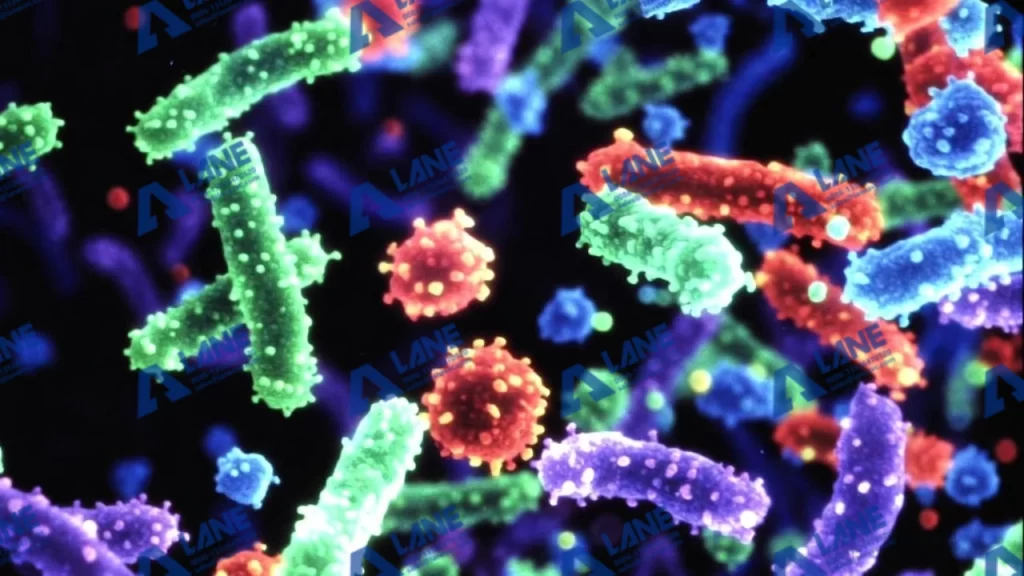
The successful transformation of waste into a stable, effective liquid fertilizer with beneficial bacteria hinges on a controlled, multi-stage process. Not all waste is equal, and the initial handling is critical.
| Waste Stream Type | Common Examples | Pre-Treatment Requirement | Key Nutrient Contribution |
| Animal-Based | Manure, slaughterhouse waste, fish offal | High-temperature hygienization, solids separation | Nitrogen, Phosphorus, Amino Acids |
| Plant-Based | Crop straw, fruit/vegetable pomace, brewery grains | Shredding/grinding, moisture adjustment | Potassium, Soluble Carbon, Trace Elements |
| Food Processing | Starch sludge, dairy whey, fermentation broth | Screening, consistency standardization | Readily available sugars, Organic Acids |
Modern machinery from LANE enhances this process. For instance, LANE fermentation tanks can process mixed organic wastes without manual turning while controlling odors and reducing greenhouse gas emissions by over 48% compared to traditional methods.
A dedicated production line can automate this conversion. Smart production ensures consistent high-quality liquid fertilizer with beneficial bacteria.
Implementing a liquid fertilizer with beneficial bacteria production line requires durable, efficient equipment. LANE Heavy Industry Machinery provides integrated solutions tailored for fertilizer production. Our liquid fertilizer production line is designed to handle organic waste streams like food residue and animal manure.
Key advantages of our systems include:
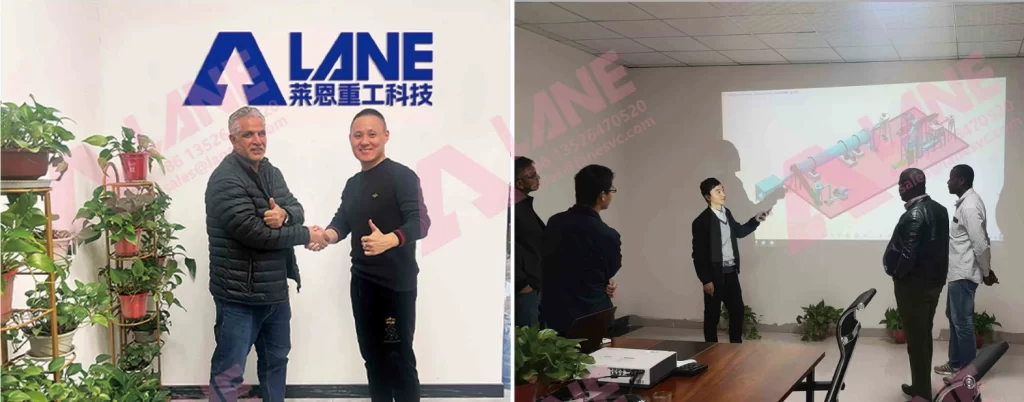
A liquid fertilizer with beneficial bacteria production line is a win-win strategy for environmental protection and economic benefit. It’s a fundamental shift toward a circular agriculture economy. It closes the nutrient loop, builds soil health, reduces reliance on synthetic inputs, and creates new revenue streams. By partnering with LANE Heavy Industry, businesses can manufacture liquid fertilizer with beneficial bacteria that is not only profitable but also a driver of positive environmental change.
Q1: What types of waste are most suitable for liquid fertilizer production?
A wide variety of organic wastes are suitable, including animal manure, crop residues, food processing by-products, and municipal green waste. The key is consistency in feedstock and proper pre-treatment to create a uniform slurry for processing.
Q2: How do you ensure the beneficial bacteria remain alive and effective in the final product?
Quality control is paramount. This involves using stable carrier materials in the liquid formulation, maintaining optimal conditions (pH, temperature, nutrients) during production and storage, and using proper packaging. Adhering to established biofertilizer quality management protocols is essential for ensuring microbial survival and potency.
Q3: Is a waste-integrated fertilizer production line profitable for a small to medium-sized operation?
Yes, profitability is achievable at various scales. The modular and scalable design of lines, like those from LANE which offer capacities starting from 1 ton/hour, allows businesses to start according to their budget and feedstock availability. The business model reduces or eliminates raw material costs and turns a waste liability into a saleable product, with pilot projects showing strong investment returns.
Q4: What are the main challenges in setting up such a production line?
Primary challenges include securing a consistent supply of uncontaminated waste feedstock, managing odors during initial processing (which can be mitigated with closed-tank systems), navigating local environmental regulations for waste handling and product registration, and the initial capital investment. Working with an experienced equipment provider can help address many of these technical and planning challenges.
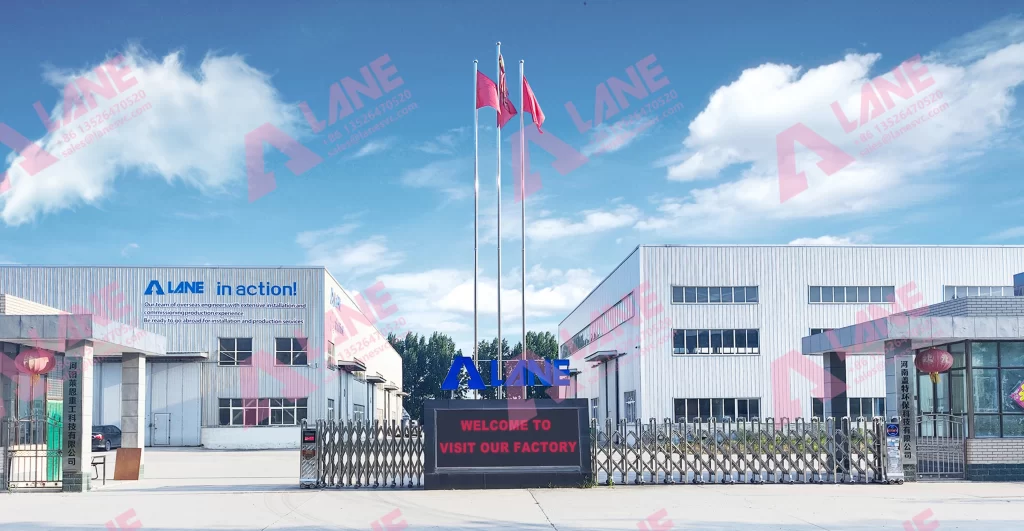
For more details, please feel free to contact us.
Henan Lane Heavy Industry Machinery Technology Co., Ltd.
Email: sales@lanesvc.com
Contact number: +86 13526470520
Whatsapp: +86 13526470520
Leave a Comment
Latest Posts
LANE has more than 500 successful cases and is committed to providing customers with first-class solutions, high-end machinery and equipment, and one-stop pre-sales, sales and after-sales comprehensive customer service.