

Liquid Fertilizer vs Solid Fertilizer: Which Type of Fertilizer is Best for Your Crops?
When it comes to farming or even home gardening, one question often pops up: should I use liquid fertilizer or solid fertilizer? Understanding the difference between liquid fertilizer vs solid fertilizer is key because it affects not only how plants grow but also the equipment needed to produce and apply the fertilizers efficiently. In this article, we will break down their functional differences and explore the unique production equipment behind each type, making it easy to choose the best option for your crops. Additionally, we’ll touch on how different scales of farming—from small backyard gardens to commercial farms—affect the choice between liquid and solid fertilizers.
Absorption Speed and Effectiveness
One of the main differences between liquid fertilizer vs solid fertilizer is how quickly plants can absorb nutrients. Liquid fertilizer dissolves almost instantly, allowing plants to take up nutrients through roots or leaves quickly. This makes it ideal for fast-growing crops or for times when plants need a quick boost, such as during flowering or fruiting stages.
On the other hand, solid fertilizer releases nutrients slowly over time. Granules or powdered fertilizers require soil moisture to dissolve, which means the nutrients are available gradually. This slow release is perfect for long-term soil nourishment and acts as a steady food source for plants over weeks or months. In fact, many farmers choose solid fertilizers specifically for crops that need a consistent nutrient supply rather than a rapid spike.

Application Methods
Another major difference in liquid fertilizer vs solid fertilizer lies in application methods. Liquid fertilizers are extremely versatile. Farmers and gardeners can use drip irrigation, spraying systems, or foliar feeding to apply them directly where they are needed. This precision reduces waste and ensures plants get the nutrients they need exactly when they need them.
Solid fertilizers are often easier to store and transport, and they work well when spread across a field, buried in planting rows, or mixed into soil before planting. They are more suited for large-scale farming or crops that benefit from slow, continuous feeding. It’s also worth noting that the timing of application differs—liquid fertilizers can be applied multiple times during a growing season, whereas solid fertilizers are often applied less frequently.
Crop and Soil Suitability
Considering liquid fertilizer vs solid fertilizer, another key factor is how different crops and soils respond. Leafy vegetables and high-value crops benefit from liquid fertilizer because it gives them a fast nutrient boost. Meanwhile, grains and root crops often thrive with solid fertilizers that release nutrients slowly, improving soil structure and supporting long-term growth.
Liquid fertilizers can sometimes leach quickly from soil if over-applied, while solid fertilizers tend to stay in place longer. Understanding this difference can help prevent nutrient loss and ensure your crops thrive. Additionally, combining both types in a hybrid fertilization plan is becoming popular, allowing growers to take advantage of fast-acting nutrients while maintaining steady soil fertility.
Liquid Fertilizer Production Equipment
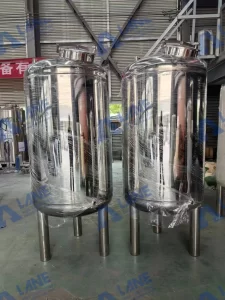
When comparing liquid fertilizer vs solid fertilizer, the production equipment for liquid fertilizer is quite specialized. Producing liquid fertilizer requires mixing tanks, fermenters, filtration systems, and packing machines. The process often involves dissolving nutrients, adjusting pH levels, and ensuring consistent quality throughout the batch.
The advantage of liquid fertilizer equipment is that it allows for fast production and immediate use, which is ideal for modern farming practices that rely on precise nutrient management. Small-scale liquid fertilizer machines are also available for home gardeners, making it accessible for personal projects.
Solid Fertilizer Production Equipment
Solid fertilizer production equipment is a bit different. It usually includes granulators, rotary drum dryers, coolers, and sieving machines. Producing granules requires careful control of moisture and particle size to ensure even nutrient distribution. Because solid fertilizers are easier to store and transport, the production line focuses on creating uniform and durable pellets suitable for large-scale application.
In terms of investment, solid fertilizer equipment can be more cost-effective for large production volumes, while liquid fertilizer machines often require higher precision but are highly flexible for different formulations.
Choosing the Right Fertilizer for Your Needs
When deciding between liquid fertilizer vs solid fertilizer, consider your crop type, application method, and production scale. If you need fast-acting nutrients or have precision irrigation systems, liquid fertilizer may be the better choice. For long-term soil health or large field crops, solid fertilizer often works best.
Many farms now adopt a combination approach—using solid fertilizers for base nutrition and supplementing with liquid fertilizers during critical growth stages. This strategy ensures that crops receive steady nutrition while also allowing quick adjustments when growth conditions change.
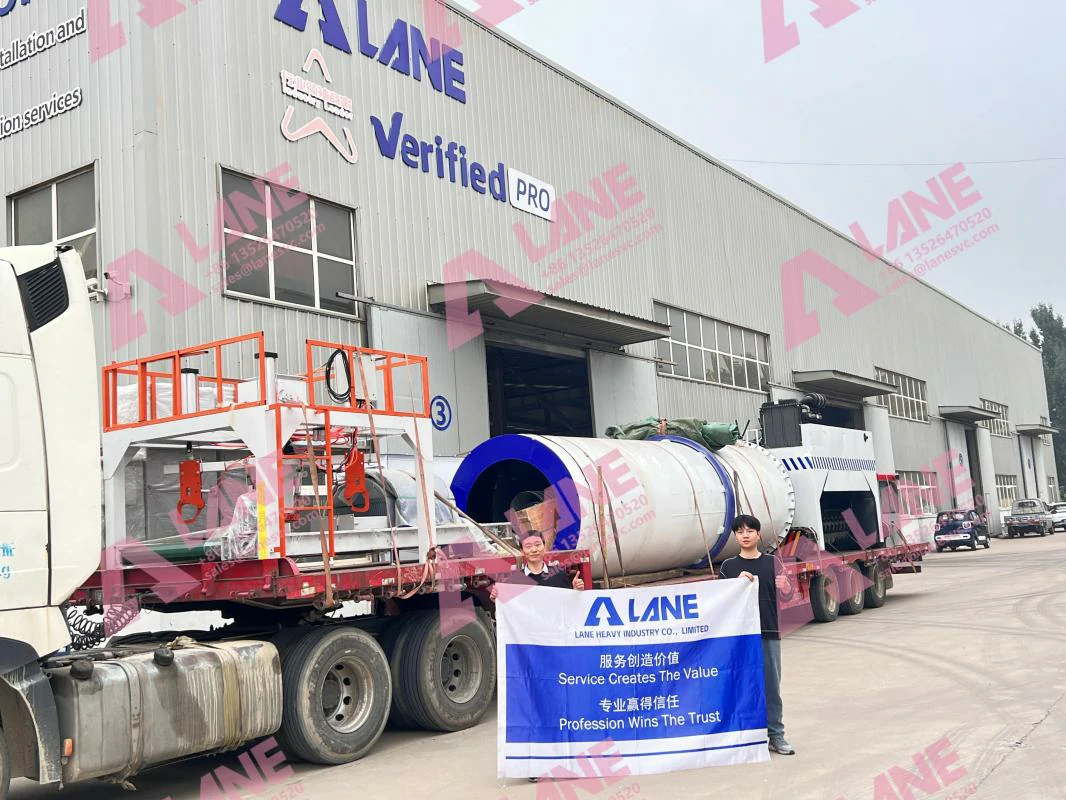
At LANE, our company has over 20 years of experience in fertilizer equipment manufacturing in China. We provide complete solutions for both liquid and solid fertilizer production lines, including design, manufacturing, and installation. We ensure your production lines operate efficiently with ongoing support and maintenance. Choosing LANE means partnering with a trusted supplier that prioritizes quality and reliability for every fertilizer project.
In the debate of liquid fertilizer vs solid fertilizer, there is no one-size-fits-all answer. Understanding functional differences—like absorption speed, application methods, and crop suitability—along with the production equipment requirements, can guide your decision. Whether you prioritize fast nutrient uptake with liquid fertilizer or long-term soil support with solid fertilizer, knowing the strengths of each type will help you achieve better crop results. Combining both types is also a smart strategy for many modern farmers seeking efficiency and flexibility.
For more details, please feel free to contact us.
Henan Lane Heavy Industry Machinery Technology Co., Ltd.
Email: sales@lanesvc.com
Contact number: +86 13526470520
Whatsapp: +86 13526470520
Leave a Comment
LANE has more than 500 successful cases and is committed to providing customers with first-class solutions, high-end machinery and equipment, and one-stop pre-sales, sales and after-sales comprehensive customer service.