
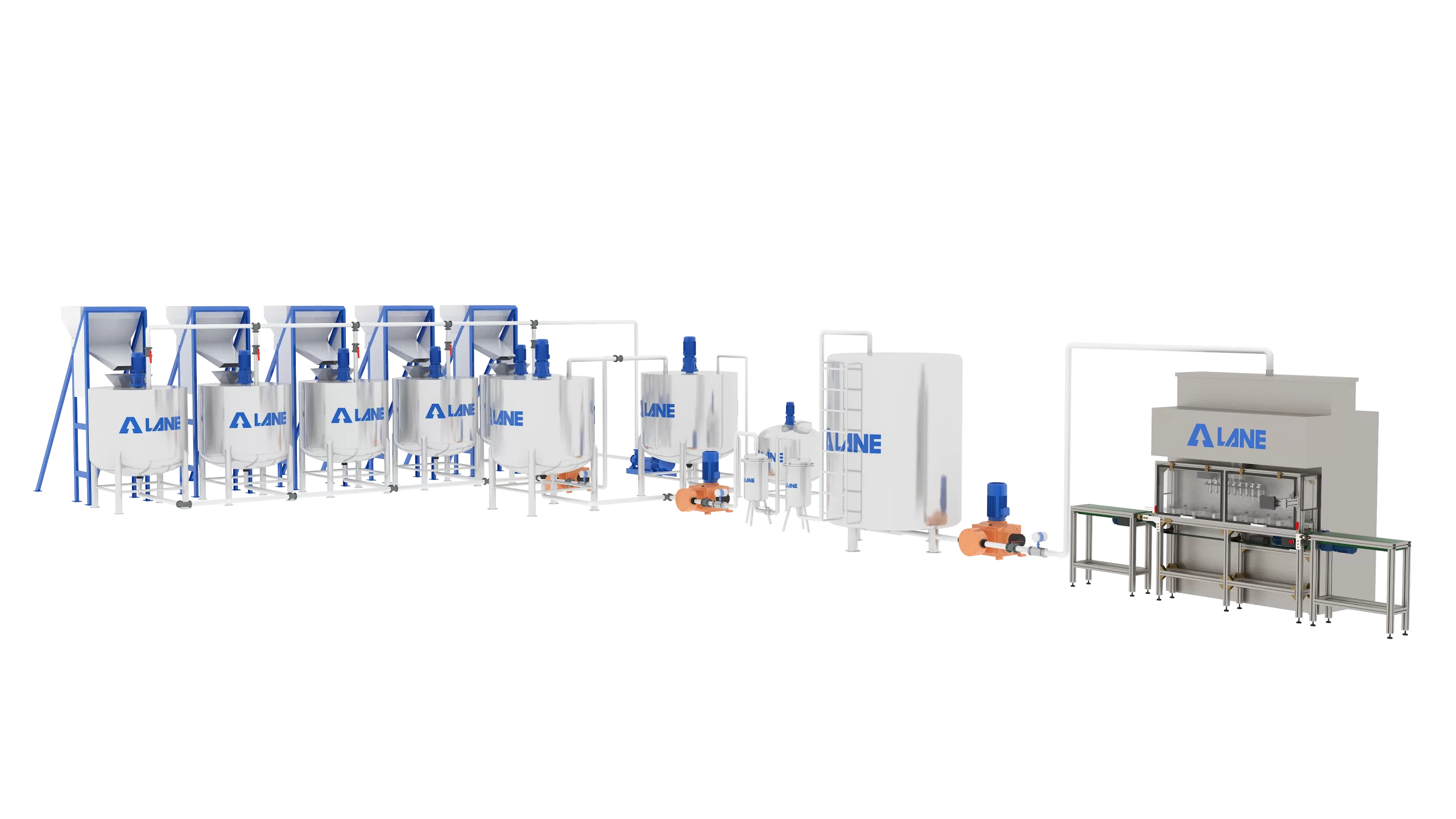
Liquid fertilizer use in Latin American
The agricultural sector in Latin America is undergoing a transformative phase, with Liquid fertilizer use in Latin American emerging as a key growth driver. From large plantations in Brazil to small farms in Mexico, Liquid fertilizer use in Latin American is becoming mainstream practice.
This expansion reflects the region’s growing commitment to precision agriculture and sustainable farming methods through increased Liquid fertilizer use in Latin American.
Market Overview and Growth Drivers
From a market perspective, there are significant regional and crop differences in the use of liquid fertilizers in Latin America. In the large soybean-growing belt of Brazil, the market penetration rate of liquid fertilizers has exceeded 40%, while in the wheat-growing areas of the Pampas in Argentina, this proportion is approximately 35%.
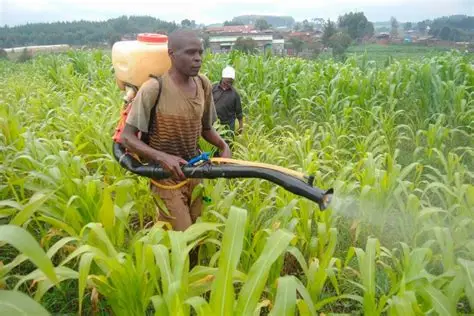
The improvement in economic benefits is the most direct driver. Practice has shown that farms using liquid fertilizers from Latin America have a fertilizer utilization rate 25% to 30% higher than traditional fertilization methods.
This is of great significance for reducing production costs and enhancing the market competitiveness of agricultural products.
The advancement in agricultural technology provides strong support for the use of liquid fertilizers in Latin America.
In recent years, precise irrigation systems such as drip irrigation and sprinkler irrigation have seen a significant increase in adoption in Latin America. These systems are highly compatible with liquid fertilizer application equipment, enabling farmers to apply precise fertilization while irrigating.
The tomato-growing area in Mexico is a typical example; local farmers have achieved water and fertilizer management integration by combining Latin American liquid fertilizers with drip irrigation systems, saving water resources and improving fertilizer utilization efficiency.
Policy guidance and industry promotion are also accelerating the popularization of liquid fertilizers in Latin America. Many governments in Latin American countries have incorporated the promotion of efficient fertilizer use into their national agricultural development strategies and encouraged farmers to change their fertilization methods through subsidies and technical training.
At the same time, the localization efforts and product innovations of international fertilizer companies are constantly emerging, launching liquid fertilizer products that are more adapted to the climate and soil characteristics of Latin America, further promoting the maturity and development of the market.
Application in Different Crop Systems
In different crop systems, the application of liquid fertilizers in Latin America shows diverse application characteristics and significant benefits. In the bean cultivation in the state of Mato Grosso of Brazil, farmers have successfully solved the problem of micronutrient deficiency in red soil regions through the adoption of customized liquid fertilizer schemes.
These growers usually treat the seeds with liquid fertilizers containing micronutrients (such as molybdenum and cobalt) at sowing, and then supplement nitrogen, phosphorus, and potassium and other macronutrients through foliar spraying during critical growth stages. In Latin America, this phased and precise application strategy of liquid fertilizers has increased the average yield of soybeans by more than 20%.
The innovative application of liquid fertilizers in the coffee-growing system in Latin America is particularly worthy of attention. Coffee growers in the Andes Mountains of Colombia have developed a unique liquid fertilizer application system that applies different formulations of liquid fertilizers at different growth stages according to the characteristics of coffee trees.
For example, in the early flowering stage, emphasis is on supplementing trace elements such as boron and zinc, and during the fruit expansion stage, potassium supply is increased. This fine liquid fertilizer application method adopted in Latin America not only enhances coffee yield and quality but also significantly improves the adaptability of coffee trees to climate change.
Types of raw materials
The equipment selection during the raw material processing stage fully took into account the resource endowments of various regions in Latin America.
In the central-southern part of Brazil, which is the main sugarcane production area, the production line requires powerful hammer-crusher to handle by-products such as fibrous sugarcane residue.
Fermentation process
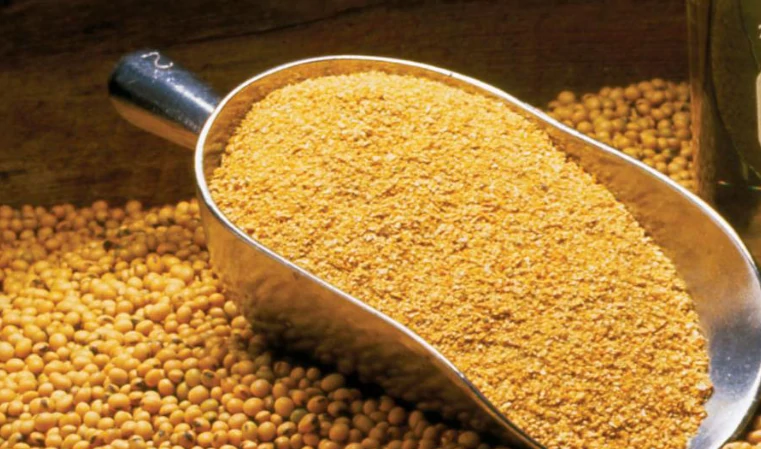
These equipment employ special wear-resistant blades and filtration systems, which can effectively separate solid residues and nutrient-rich juice. In the Pampas grassland of Argentina, the raw materials mainly consist of processing by-products of soybeans and livestock manure. The and fermentation tank configuration is more focused on efficient mixing and emulsification functions to ensure the thorough mixing of different texture raw materials.
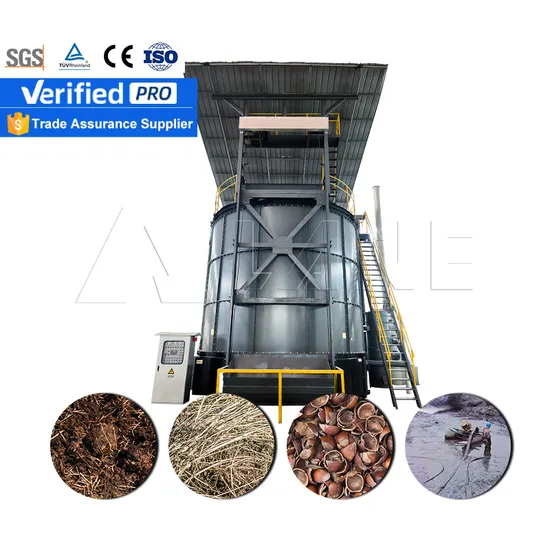
The design of the fermentation system must be adapted to the diverse climatic conditions in Latin America.
In the hot and humid coastal areas, the fermentation tanks are equipped with powerful cooling and ventilation systems to prevent excessively high fermentation temperatures from affecting microbial activity.
On the contrary, in the colder Andes Mountains region, the equipment needs to enhance insulation and heating functions to ensure the continuity and stability of the fermentation process.
These adaptive designs enable the production line to maintain stable production efficiency under significantly different environmental conditions.
In the production of liquid fertilizers, modular production systems demonstrate unique advantages.
These systems enable producers to quickly adjust product formulas according to the soil characteristics and crop requirements of different regions.
From high-potassium formulas suitable for tropical crops to balanced nutrition formulas suitable for temperate grains, a single production line can flexibly meet the diverse market demands. This flexibility is crucial for the diversity of agricultural production in Latin America.
Mixing and filling process
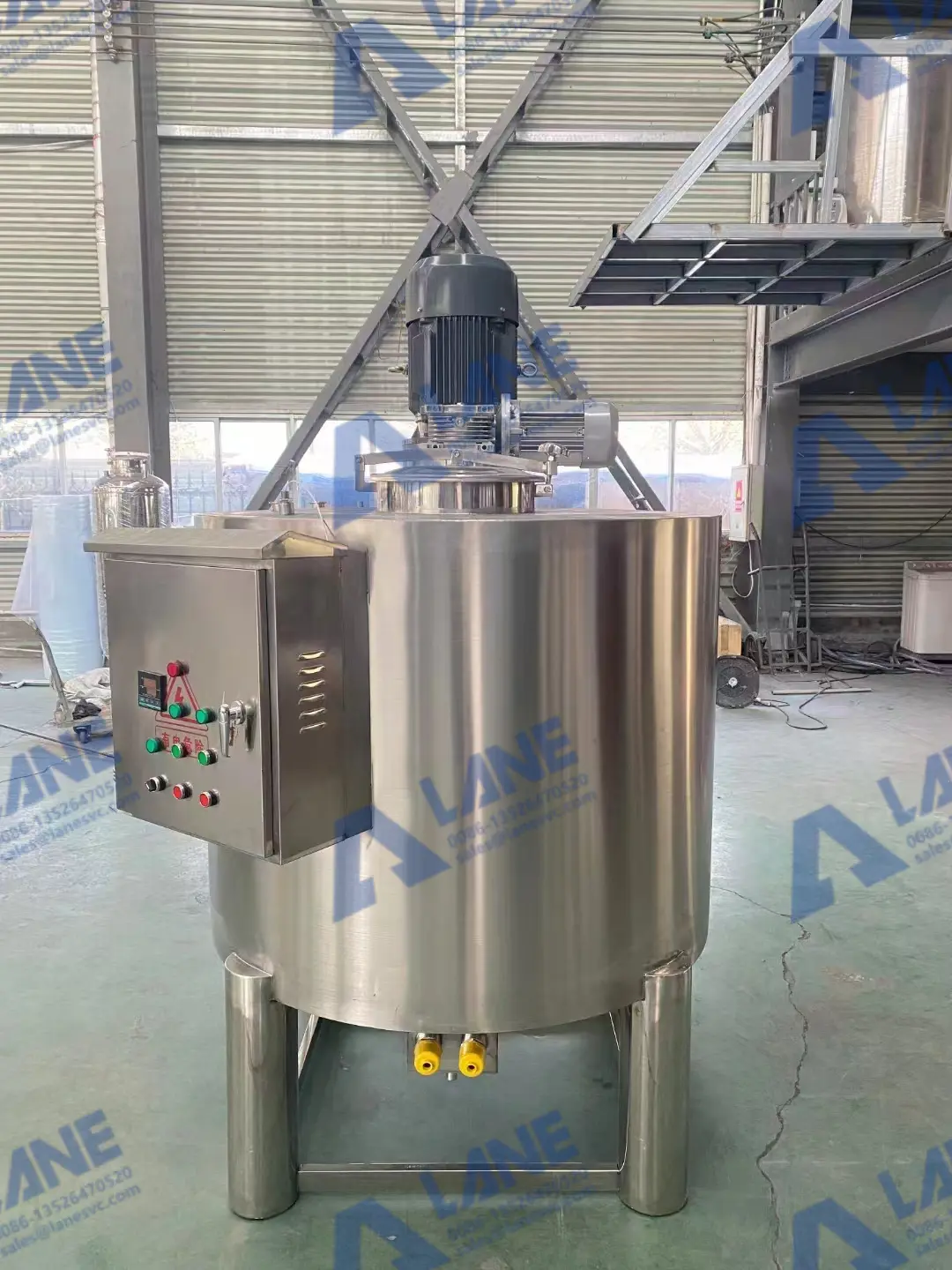
The configuration of dual-filter andstainless-steel storage tunk also reflects regional characteristics. In the core areas with a high degree of agricultural integration, fully automatic filling lines can achieve efficient large-scale production; while in remote rural areas, semi-automatic or mobile equipment is more practical.
These devices not only consider production efficiency but also take into account the local power and water supply conditions.
To address the water shortage problem in some parts of Latin America, advanced liquid fertilizer production lines are equipped with water recycling systems. These systems use multi-stage filtration and purification processes to treat and recycle the wastewater generated during production, thereby reducing production costs and environmental impact. This design is particularly important in arid regions such as northern Mexico.
Specialized supporting equipment
From the perspective of energy utilization, the design of the production line also demonstrates innovative thinking.
In regions with abundant solar resources, some equipment adopts solar-assisted power generation systems; while in the Andes Mountains where hydropower is prevalent, clean electricity is given priority consideration. These energy configurations reflect the principle of sustainable development and are in line with the local energy structure.
With the promotion of precision agriculture in Latin America, liquid fertilizer production lines are also integrating deeply with digital technology. By installing sensors and data analysis systems, manufacturers can monitor the operation of equipment in real time, optimize production processes, and adjust product formulas according to the real-time needs of the farmland. This intelligent transformation is driving the liquid fertilizer industry in Latin America towards higher efficiency and accuracy.
For more details, please feel free to contact us.
Henan Lane Heavy Industry Machinery Technology Co., Ltd.
Email: sales@lanesvc.com
Contact number: +86 13526470520
Whatsapp: +86 13526470520
Leave a Comment
Latest Posts
LANE has more than 500 successful cases and is committed to providing customers with first-class solutions, high-end machinery and equipment, and one-stop pre-sales, sales and after-sales comprehensive customer service.