
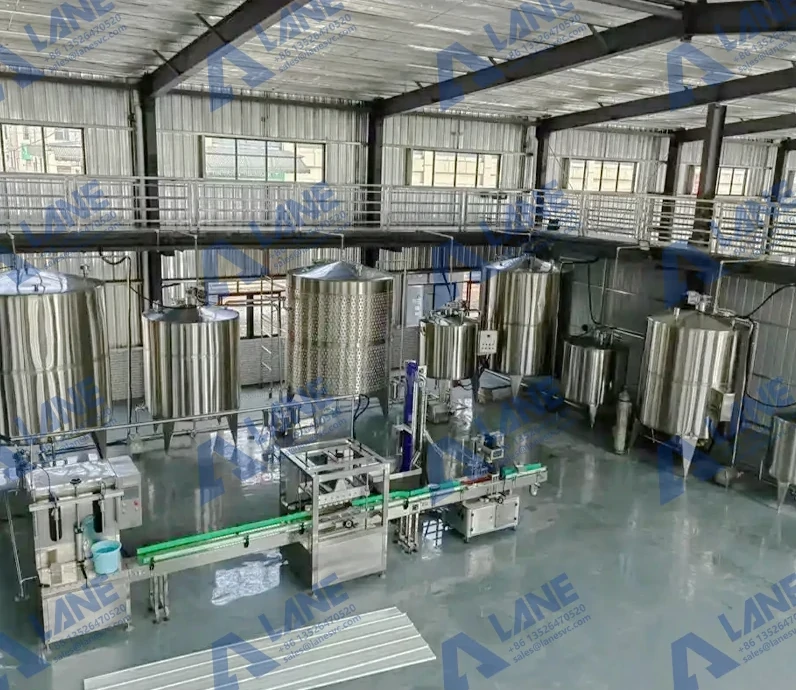
Challenges and Opportunities in Liquid Fertilizer Production in Australia
Table of Contents
Australia’s agricultural sector is one of the cornerstones of its economy. It represents 7.6 to 11% of its economy. Liquid fertilizer plays an essential role in ensuring sustainable and high-yielding crop production. Liquid fertilizers offer several advantages over traditional dry granular alternatives, including faster nutrient absorption by crops, precise application, and reduced environmental runoff. However, liquid fertilizer production in Australia faces a combination of challenges, including raw material procurement, regulatory compliance, and high production costs. At the same time, there are numerous opportunities, including advancement in agriculture methods and machinery, increasing demand, and expanding export markets.
This article explores the key challenges and opportunities in liquid fertilizer production in Australia with the help of LANE Heavy Industry’s industry insights.
Australia has a vast agricultural landscape. It has diverse crop types ranging from grains and vegetables to fruits and pastures. Several interconnected factors like rising global food demand, coupled with shrinking available farmland, have intensified pressure to maximize agricultural productivity. This is driving interest in high-efficiency fertilizers. Liquid fertilizer production in Australia has grown steadily due to its compatibility with modern farming practices. While the industry has seen significant progress, several barriers need to be addressed to enhance the productivity and efficiency of liquid fertilizer production.
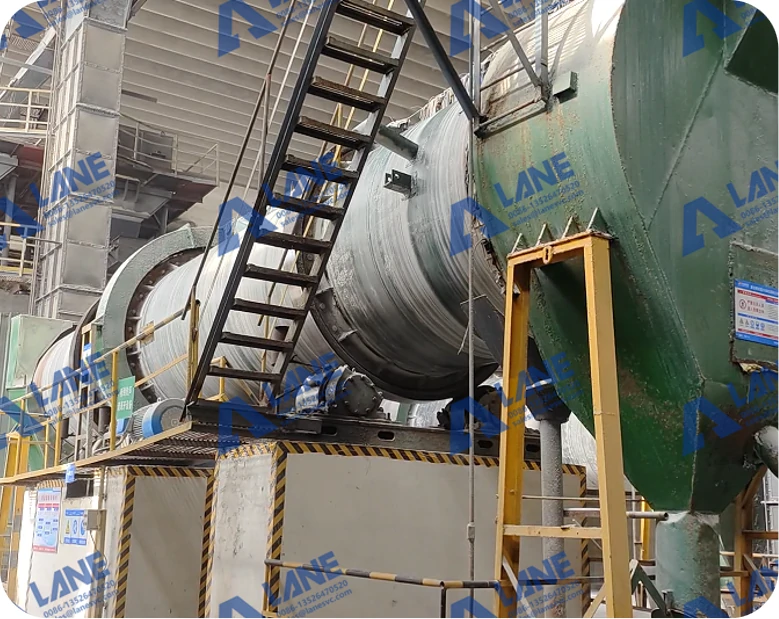
3.1. Raw Material Supply Issues
Liquid fertilizers are composed of water-soluble nutrients, such as nitrogen, phosphorus, and potassium. They are sourced from natural minerals or organic raw materials. However, for certain chemicals, Australia depends on international suppliers. Any disruption in the supply chain can halt the production process.
As a result, Australian liquid fertilizer producers face fluctuating production costs. This affects pricing strategies and ultimately, farmers are the ones who pay the price.
3.2. Regulatory Compliance and Environmental Concerns
Australia has strict environmental and regulatory standards. Manufacturers must adhere to these regulations to prevent soil degradation, water pollution, and environmental damage. Compliance with regulations such as the Australian Pesticides and Veterinary Medicines Authority (APVMA) standards and the Environmental Protection Authority (EPA) guidelines can be costly for producers.
Additionally, the growing awareness of the environmental impact of fertilizers has led to an increased demand for eco-friendly and sustainable production methods. Balancing profitability with environmental responsibility is a significant challenge for Australian manufacturers.
3.3. High Production Costs
The production of liquid fertilizers is capital- and energy-intensive. Manufacturers invest in specialized machinery, such as mixing, blending, and packaging equipment, which can be expensive to operate and maintain. Furthermore, the cost of electricity and water, essential components in fertilizer production, continues to rise in Australia. This further impacts production costs.
These costs are then passed on to farmers who are already struggling due to fluctuating commodity prices. This can result in lower demand or the adoption of cheaper, potentially less effective alternatives.
3.4. Technological Limitations
While liquid fertilizers offer benefits such as better nutrient absorption, the technology for efficient production sometimes lags behind industry needs. Australia’s liquid fertilizer producers face challenges in adopting the latest innovations that can increase efficiency, reduce waste, and improve the precision of nutrient delivery systems.
Outdated machinery, inadequate automation, and inefficient production lines hinder the ability to scale up production and improve competitiveness. But there is a solution: LANE Heavy Industry has been focusing on providing state-of-the-art machinery that can help producers streamline operations and overcome technological limitations.
Despite the challenges, there are abundant opportunities for growth in liquid fertilizer production in Australia.
4.1. Sustainability and Environmental Impact
The demand for sustainable agricultural solutions is rising globally. Liquid fertilizer production in Australia has a unique opportunity to align itself with the growing trend towards sustainable farming practices. This includes producing bio-based and organic-based liquid fertilizers that minimize environmental impact. Fertilizer producers can capitalize on this opportunity by developing eco-friendly formulations that reduce nutrient runoff and contribute to healthier soil and water systems.
4.2. Technological Advancements
Advancements in production machinery and technology are revolutionizing liquid fertilizer manufacturing. Automated systems, precise nutrient formulation, and real-time monitoring are some of the innovations reshaping the industry. LANE Heavy Industry plays a vital role by providing cutting-edge machinery designed to enhance efficiency, reduce waste, and optimize production lines.
4.3. Expansion into Export Markets
Australia’s liquid fertilizer industry has a huge expansion opportunity beyond its borders. Countries in the Asia-Pacific region and beyond are experiencing rapid agricultural growth, increasing the demand for high-quality fertilizers. By capitalizing on export opportunities, Australian manufacturers can tap into new markets and boost revenue.
4.4. Government Support and Industry Collaboration
The Australian government has increased its support for agricultural innovation, sustainability, and local production. This support can come in the form of grants, subsidies, and research funding, encouraging the development of more advanced and sustainable liquid fertilizer formulations and production lines.
LANE Heavy Industry has over 20 years of experience in fertilizer machinery production. We provide advanced machinery solutions for liquid fertilizer production in Australia. Our company’s equipment is designed to optimize every stage of the production process. LANE’s machinery allows producers to:
By adopting LANE Heavy Industry’s advanced machinery, Australian producers can streamline operations, reduce costs, and stay competitive in the global market.
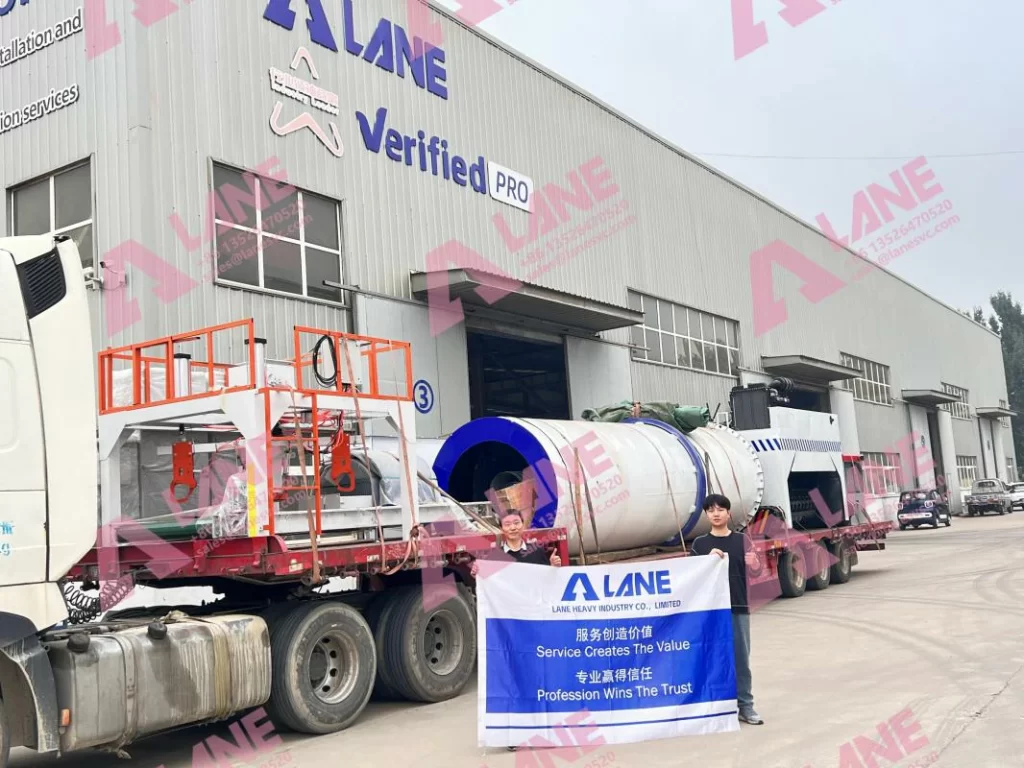
Liquid fertilizer production in Australia is at a crossroads, facing significant challenges but also poised for substantial growth. However, the industry also has significant opportunities for growth, driven by sustainability trends, technological advancements, and global market expansion. LANE Heavy Industry’s advanced production lines are playing a critical role in unlocking this potential, providing Australian producers with efficient, sustainable, and scalable solutions tailored to their unique needs.
As the industry continues to evolve, liquid fertilizer production in Australia will remain a key driver of the country’s agricultural sustainability and economic growth. It will drive both domestic and international success.
Liquid fertilizers are easier to apply and offer better nutrient uptake for crops, which can lead to higher yields. They are also more versatile, allowing farmers to apply a range of nutrients in precise amounts.
LANE Heavy Industry provides advanced machinery that enhances the efficiency and scalability of liquid fertilizer production. Their equipment allows for precise nutrient blending, better waste management, and improved automation.
Challenges include raw material supply issues, compliance with environmental regulations, high production costs, and technological limitations in production systems.
Opportunities include the growing demand for sustainable fertilizers, advancements in production technology, potential expansion into export markets, and government support for innovation.
The government provides grants, subsidies, and research funding to encourage sustainable agricultural practices and innovation in the fertilizer industry.
For more details, please feel free to contact us.
Henan Lane Heavy Industry Machinery Technology Co., Ltd.
Email: sales@lanesvc.com
Contact number: +86 13526470520
Whatsapp: +86 13526470520
Leave a Comment
Latest Posts
LANE has more than 500 successful cases and is committed to providing customers with first-class solutions, high-end machinery and equipment, and one-stop pre-sales, sales and after-sales comprehensive customer service.