

Liquid Fertilizer Plant Profitability Analysis: A Comprehensive Study for Modern Production
The rise of precision agriculture is fueling the demand for liquid fertilizers. With the rising demand for high-efficiency fertilizers, modern liquid fertilizer plants have emerged as profitable ventures. It represents a significant opportunity aligned with powerful global agricultural trends. Recent liquid fertilizer plant profitability analysis reveals that a planned operation can achieve strong financial returns by capitalizing on the shift toward precision, sustainable agriculture.
Another liquid fertilizer plant profitability analysis has shown that it has 60-75% absorption rates compared to 30-40% for solid fertilizer. This aligns with precision farming practices. But creating a premium liquid fertilizer requires precision and industrial-grade production lines. A customized liquid fertilizer production line from LANE Heavy Industry can create consistent premium-grade liquid fertilizer, helping you target high-growth market segments like organic solutions and specialized crop nutrition. This article conducts a comprehensive liquid fertilizer plant profitability analysis with the help of LANE Heavy Industry.
The global liquid fertilizers market is on a growth trajectory. A recent liquid fertilizer plant profitability analysis highlights that the market is projected to grow from $9.76 billion in 2025 to $14.58 billion by 2029. This means this segment has a compound annual growth rate (CAGR) of 10.6%. This growth is fueled by several key drivers:
A credible liquid fertilizer plant profitability analysis must be built on detailed financial modeling. Based on standardized project frameworks, the following table outlines the core economics for a medium-scale plant.
| Financial Metric | Projected Value/Outcome | Notes |
| Estimated Capital Investment (CapEx) | $500,000 – $1.5 Million | Includes land, construction, machinery (e.g., LANE production line), and initial setup. |
| Key Operating Costs (OpEx) | Raw Materials, Utilities, Labor, Packaging | Raw material sourcing (e.g., soybean dregs, nutrients) is a major variable cost. |
| Projected Payback Period | 4 – 5 Years | Highly dependent on capacity utilization, product pricing, and market penetration speed. |
| Net Present Value (NPV) | Positive (Scenario-dependent) | A positive NPV indicates the project is expected to generate value over its lifetime, considering the cost of capital. |
| Internal Rate of Return (IRR) | 15% – 25%+ | The IRR is a key profitability metric for investors; a higher IRR denotes a more attractive investment potential. |
Revenue Streams:A modern plant can diversify income beyond fertilizer sales. A recent liquid fertilizer plant profitability analysis shows that potential revenue includes sales of specialized blends (e.g., high-potassium for fruits, nitrogen-rich for greens), organic/biofertilizers, and by-products like mulch for animal feed.
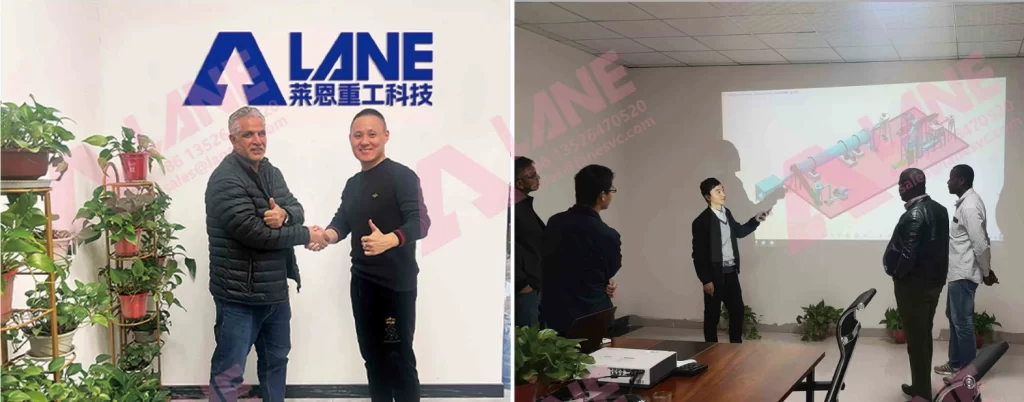
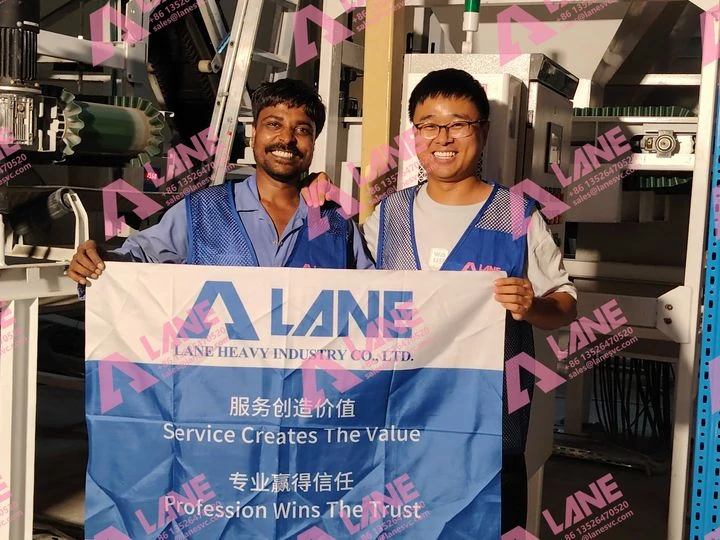
A recent liquid fertilizer plant profitability analysis shows that the choice of production line directly impacts efficiency, product quality, and long-term operating costs. According to the same liquid fertilizer plant profitability analysis, LANE Heavy Industry designs customized production lines that offer efficiency and precision in a controlled environment.
Key Advantages of LANE Equipment:
Process Flow with LANE Machinery:
A thorough liquid fertilizer plant profitability analysis must address potential risks:
Q: What is the typical break-even period for a liquid fertilizer plant?
A: Based on standard financial models, a well-executed plant can expect to reach its break-even point within 4 to 7 years. This timeline depends heavily on achieving planned capacity utilization, managing input costs, and successfully executing market entry.
Q: Can I produce both organic and chemical liquid fertilizers on the same LANE production line?
A: While lines can be customized, cross-contamination is a major concern. Dedicated lines are strongly recommended for organic certification. LANE designs lines for specific processes, so you would need to specify your primary product focus (organic biofertilizer vs. emulsified chemical fertilizer) during the consultation phase.
Q: How important is the choice of raw materials for profitability?
A: It is crucial. Using locally available, low-cost organic waste streams (like soybean dregs, animal manure, or food processing waste) can dramatically improve profit margins by reducing the largest variable cost component. This approach is central to a successful liquid fertilizer plant profitability analysis.
Q: What are the most promising target markets for a new plant?
A: The fastest-growing segments are the horticulture sector (fruits, vegetables, greenhouse crops), which values premium, customized solutions, and regions with strong government subsidies for fertigation and precision farming, such as parts of Asia-Pacific, the Middle East, and Africa.
For more details, please feel free to contact us.
Henan Lane Heavy Industry Machinery Technology Co., Ltd.
Email: sales@lanesvc.com
Contact number: +86 13526470520
Whatsapp: +86 13526470520
Leave a Comment
Latest Posts
LANE has more than 500 successful cases and is committed to providing customers with first-class solutions, high-end machinery and equipment, and one-stop pre-sales, sales and after-sales comprehensive customer service.