
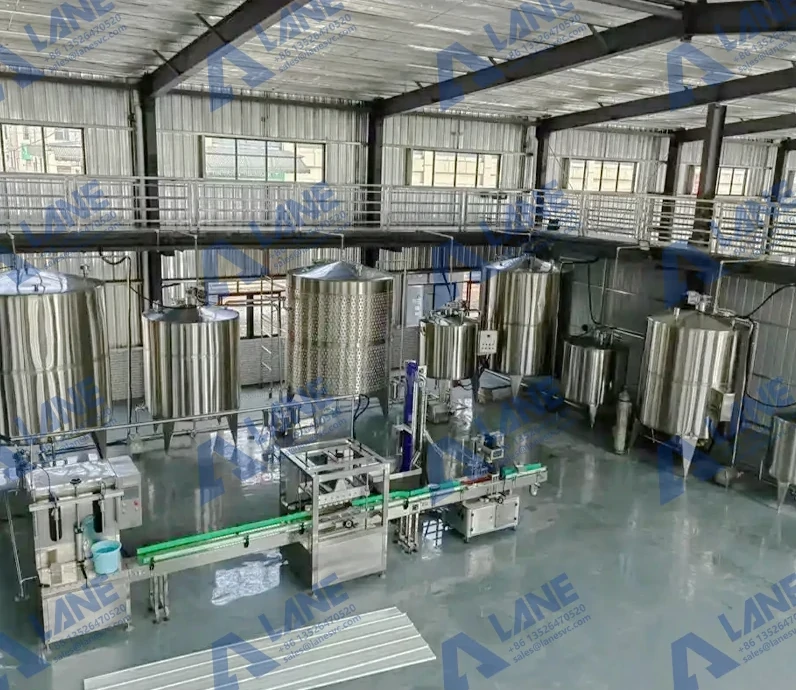
A Guide to the Liquid Fertilizer Manufacturing Process and Production
The liquid fertilizer manufacturing process is a uniform process. In this process, we transform raw materials into fertilizers suitable for commercial and home use. Unlike granules, liquid fertilizers can be rapidly absorbed by crops. Farmers who seek optimal soil health often choose liquid fertilizers for their crops. The whole process relies on chemical reactions and different quality control measures to obtain a high-quality end product for modern agriculture farms.
1.Sourcing and Preparation
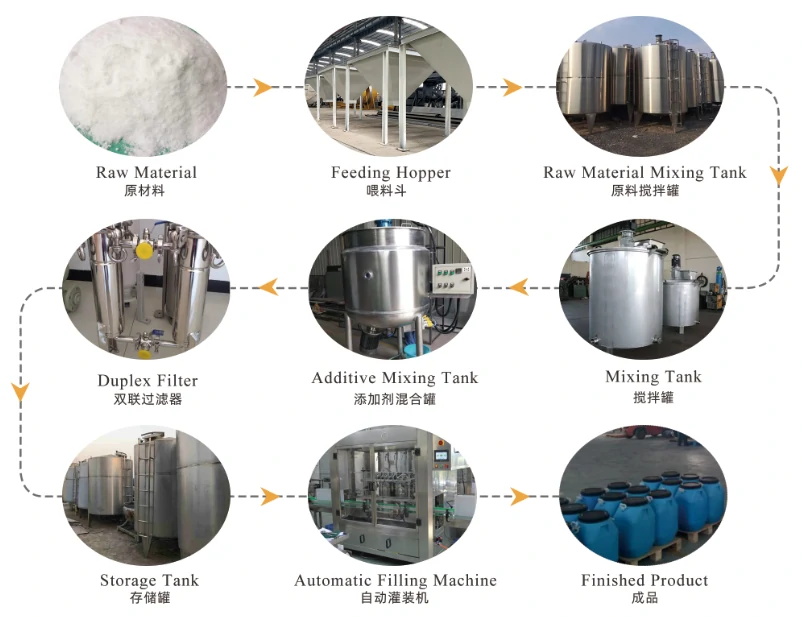
The first steps of the liquid fertilizer manufacturing process involve finding a suitable source of high-quality raw materials. The raw materials can be ammonia, phosphoric acid, potassium chloride, and various micro-nutrients. The quality of the raw materials directly influences the end fertilizer’s nutrient content and stability. Those raw materials can be solid or concentrated liquids. After that, those materials have to be ground or pre-dissolved before use. This initial stage is critical for a smooth manufacturing process and a homogeneous final product with no sedimentation issues.
2.Chemical Reaction Chamber
The chemical reaction chambers are the core of the liquid fertilizer manufacturing process. In the reaction chamber, the raw materials are processed under controlled temperatures and pressure. For instance, ammonia and phosphoric acid react to create ammonium phosphate, a common nitrogen-phosphorus solution. The process is monitored and operated by an operator. The goal is to achieve complete neutralization, which stabilizes the liquid fertilizer and prevents nutrient lock-up. In this process, the operator can control the NPK ratio for the final end product.
3.Suspension and Solution Fertilizer
There are two primary types of liquid fertilizers in the liquid fertilizer manufacturing process: solution and suspension fertilizers. Solution fertilizer contains fully dissolved nutritious raw materials. They look clear and easy to handle, but this comes with a huge drawback: they have a lower nutrient content. Suspension fertilizers, however, have a higher nutrient content. They have clay-based gelling agents, which increase their viscosity. This allows for a much higher nutrient content in the final product. The choice depends on the desired concentration and application method.
4.Quality Control and Testing
Quality control is very critical for the liquid fertilizer manufacturing process. Technicians constantly test samples for pH, salinity, and specific gravity. The chemist verifies the precise NPK ratio and sends feedback to the operator if any inconsistency is found. He also checks for impurities. Technicians ensure that there is no nozzle clogging and ensure optimal operation performance.
5.Additives and Micronutrient Integration
Other raw materials may be added to enhance fertilizer efficacy, such as stabilizers that block crystallization, chelating agents. Creating custom fertilizer formulations happens in this step. Depending on the regional soil and crop, the operator can add various additives. The integration must be done carefully to avoid adverse chemical reactions in the liquid fertilizer.
6.Mixing, Storage, and Packaging
After reactions are complete and quality is confirmed, the liquid fertilizer moves to final mixing tanks. In this step, the operator can mix or blend different batches of liquid fertilizer to achieve the final product. Then the product is transferred to the final storage tanks via pipes. From the storage tank, with the help of an automated bottle or gallon packing machine, the final liquid can be packaged. You can also transfer the final liquid to bulk tanker trucks for large-scale farming. Each container must be corrosion-resistant to protect the final product’s integrity.
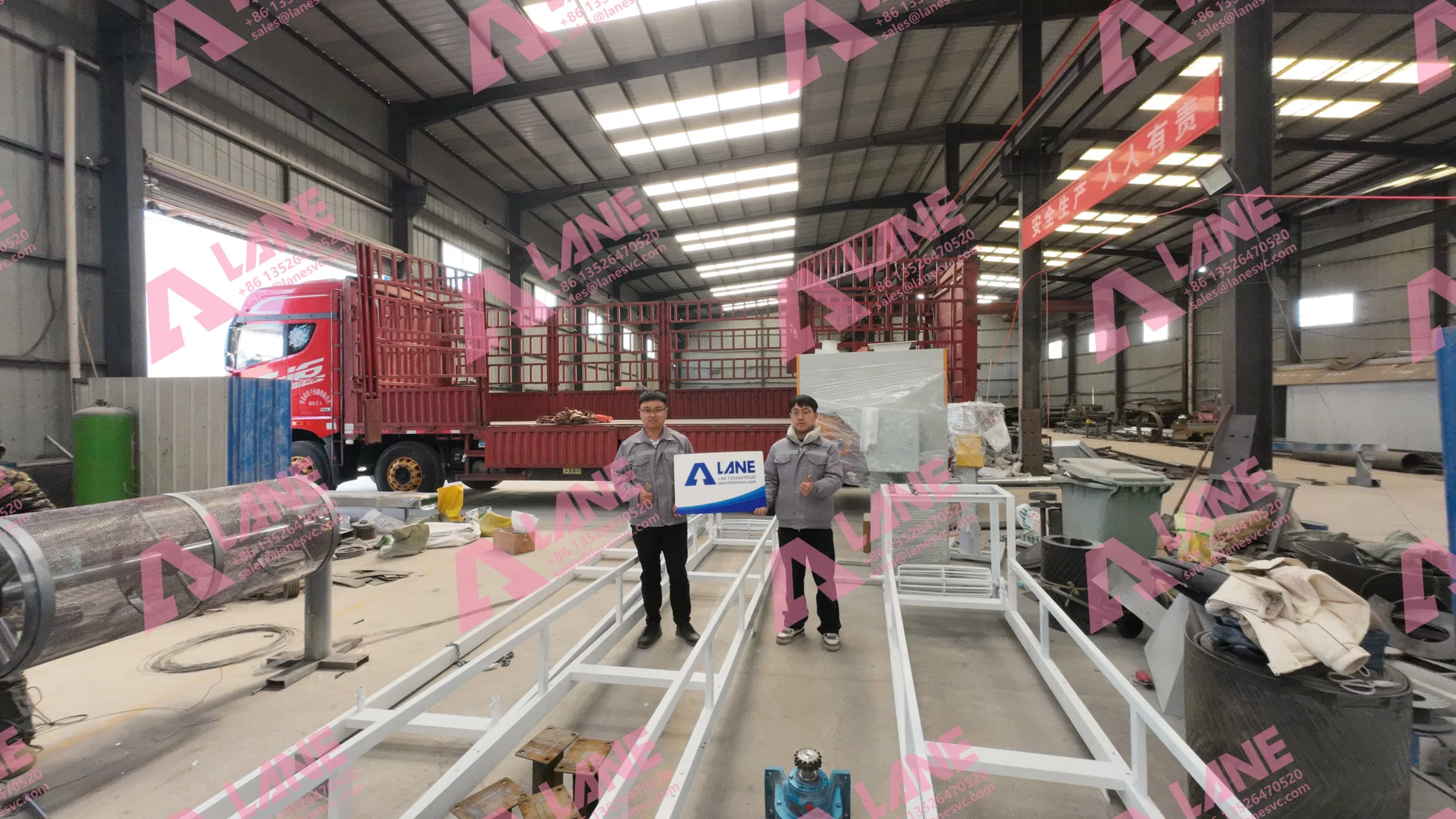
Lane Heavy industry has been making fertilizer machinery for past 20 years. With 20+ years of industry expertise, LANE Heavy Industry Co.,Ltd. excels in designing and manufacturing turnkey fertilizer production lines. Our machinery, certified to ISO 9001 and CE standards, has earned the trust of clients across 120+ countries.
We have an exellet engineering team that can help you create your dream liquid fertilizer production line. We give 24/7 customer services to our customers. From designing to the manufacturing to the training of workers we give one stop solution to our customers.
With population growth, the demand for food is also growing. To keep up with the demand, the fertilizer industry is also improving. The modern liquid fertilizer manufacturing process is a statement of agricultural development. From the initial chemical reaction to the final quality control check, each stage is designed for precision. As a result, the final product is able to meet the needs of farmers. As this production line is very versatile and allows the fertilizers to be modified according to the geo-area soil quality, the result is a reliable final product that helps global food production.The result is a reliable final product that helps global food production.
For more details, please feel free to contact us.
Henan Lane Heavy Industry Machinery Technology Co., Ltd.
Email: sales@lanesvc.com
Contact number: +86 13526470520
Whatsapp: +86 13526470520
Leave a Comment
Latest Posts
LANE has more than 500 successful cases and is committed to providing customers with first-class solutions, high-end machinery and equipment, and one-stop pre-sales, sales and after-sales comprehensive customer service.