
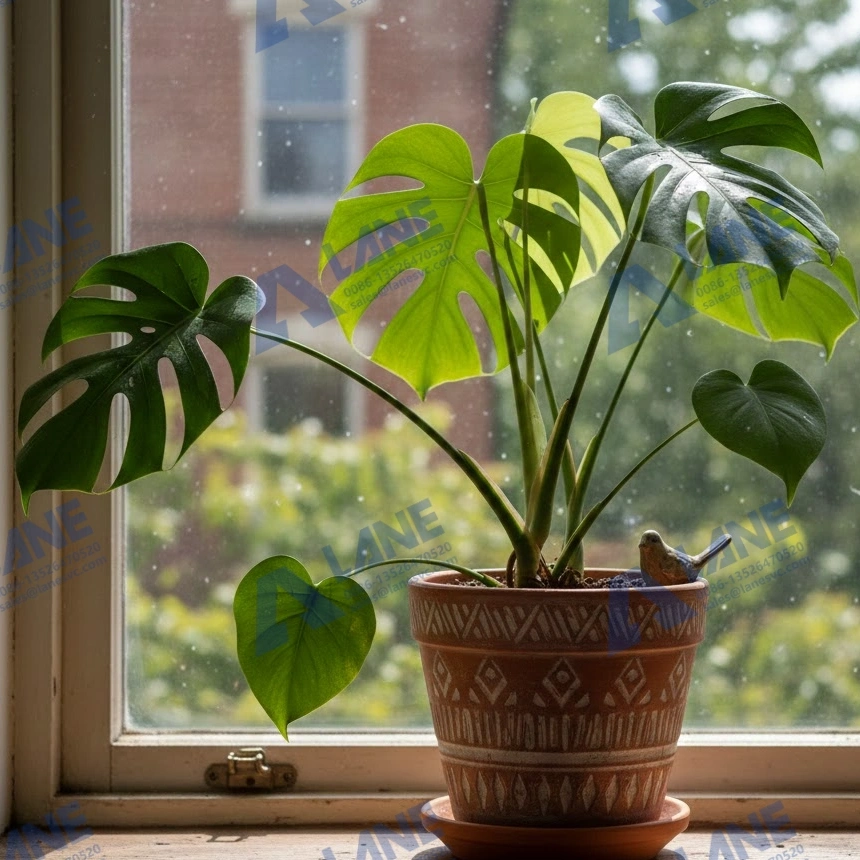
Liquid Fertilizer for Potted Plants: From Plant Needs to Smart Production
Potted plants are everywhere today—on balconies, in offices, in gardens, and inside homes. People want greener leaves, stronger roots, and longer flowering time, but they also want simple care. That is why liquid fertilizer for potted plants has become a hot topic in the gardening and fertilizer industry. It is easy to use, fast to absorb, and fits modern lifestyles. Behind this simple bottle, however, there is a clear logic about plant nutrition and a complete production process supported by reliable equipment.
Unlike plants growing in open soil, potted plants live in a limited space. Their roots cannot search far for nutrients. Everything they need must come from the soil in the pot and from regular feeding. For this reason, balanced nutrition is key when choosing liquid fertilizer for potted plants.
Most potted plants need three basic nutrients: nitrogen for leaf growth, phosphorus for roots and flowers, and potassium for overall strength. They also need small amounts of trace elements like iron, magnesium, and zinc. If any of these are missing, plants may grow slowly, turn yellow, or stop flowering.
Water also plays an important role. Nutrients must dissolve well and move easily to the roots. That is why liquid forms are often preferred. A good liquid fertilizer should mix evenly, stay stable in storage, and deliver nutrients gently without burning the plant.
Compared with solid fertilizers, liquids are easier to apply and control. Many gardeners like liquid fertilizer for potted plants because it can be diluted and adjusted for different plant types. A small dose can be used weekly, which matches the slow and steady needs of potted plants.
Liquid fertilizer is also absorbed faster. Nutrients reach the roots quickly, and results can often be seen in days rather than weeks. This fast response makes liquid products popular not only with home users but also with commercial growers and plant shops.
From a production view, liquid fertilizer allows more flexible formulas. Producers can create products for leafy plants, flowering plants, or indoor green plants by adjusting ratios and ingredients.
A typical formula of liquid fertilizer for potted plants starts with clean water as the base. Into this base, nutrient sources are added. These may include urea or amino acids for nitrogen, phosphate solutions for phosphorus, and potassium salts for strength.
Organic materials are also common. Seaweed extract, humic acid, and plant-based amino acids are popular because they are gentle and improve root health. Micronutrients are added in very small amounts but play a big role in color and vitality.
The challenge is not only choosing ingredients, but making sure they stay evenly mixed and stable over time. This is where proper production equipment becomes essential.
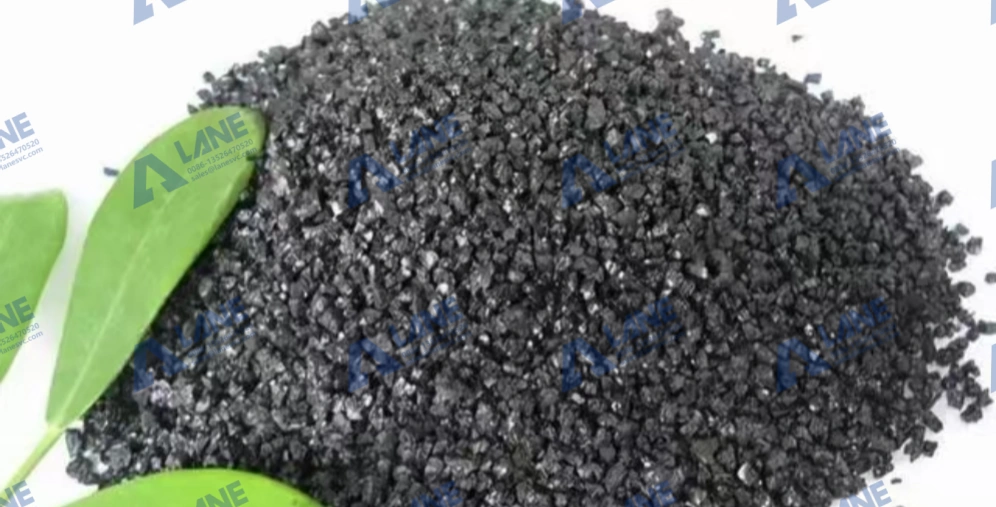
Producing liquid fertilizer for potted plants is a clear and logical process. First comes raw material preparation. All ingredients must be measured accurately. Then comes mixing, where water and nutrients are blended into a uniform solution.
After mixing, some formulas require a short reaction or fermentation period. This helps improve nutrient availability and product stability. Finally, the liquid is filtered, checked for quality, and sent to filling and packaging.
Each step needs the right machinery to keep quality consistent, especially when production scales up.
Good mixing is the foundation of liquid fertilizer for potted plants. High-quality mixing tanks ensure that nutrients dissolve fully and stay evenly distributed. These tanks usually include agitators that keep the liquid moving at a steady speed.
Automated systems help control mixing time and temperature. This reduces human error and keeps every batch the same. For producers, stable mixing means fewer complaints and a stronger brand reputation.
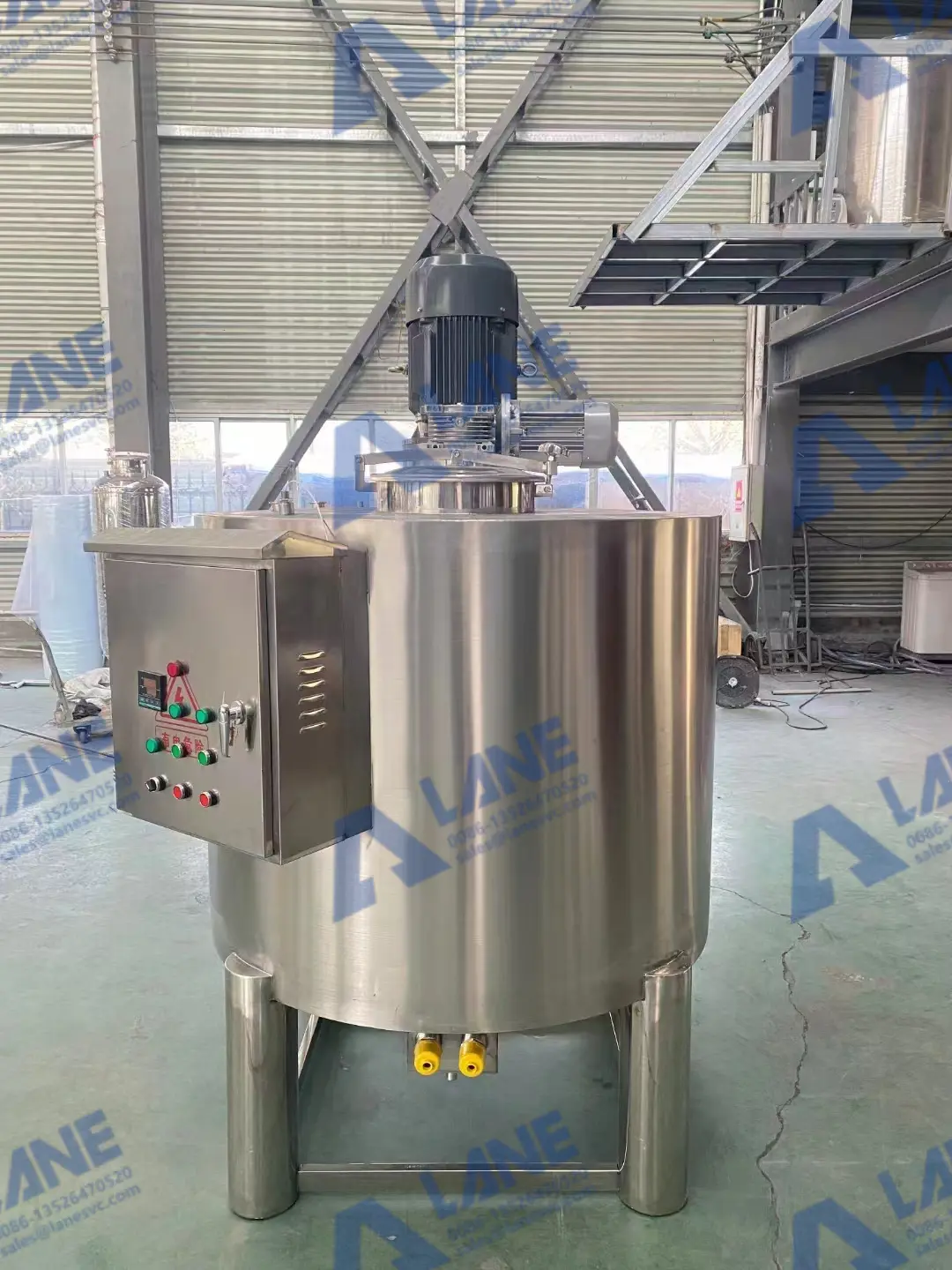
Some types of liquid fertilizer for potted plants benefit from controlled reaction tanks or aging tanks. These systems allow ingredients to interact fully before packaging. Tanks are usually made from corrosion-resistant materials to protect product purity.
Proper storage tanks also matter. They prevent sediment, reduce contamination risk, and make the filling process smoother.
Once the fertilizer is ready, it moves to filling lines. For liquid fertilizer for potted plants, accurate filling is important. Bottles must have the correct volume, and caps must seal tightly to avoid leaks.
Automatic packaging equipments are fast, clean, and adjustable for different bottle sizes. This flexibility helps producers serve different markets without changing the whole line.
Before reaching customers, liquid fertilizer for potted plants must pass basic quality checks. These include nutrient content, pH level, and appearance. A stable product should not separate or form heavy sediment.
Consistent quality builds trust. It also helps products meet local and international market requirements.
At LANE, we have focused on fertilizer machinery manufacturing for over 20 years. During this time, we have helped many clients build reliable production lines for liquid fertilizer for potted plants and other fertilizer types. Our experience allows us to understand both plant needs and production realities.
We work with a professional engineering team that designs and customizes equipment based on real customer requirements. From a single mixing tank to a complete liquid fertilizer production line, we handle design, manufacturing, installation, and testing.
We also provide one-stop service. After installation, we support our customers with maintenance, troubleshooting, and upgrades. Our goal is to keep every production line running smoothly and efficiently.
Our equipment meets international quality standards, including ISO9001 and CE certification. This means our clients can produce with confidence and enter global markets more easily.

As urban gardening continues to grow, demand for easy and effective plant nutrition will rise. Liquid fertilizer for potted plants fits perfectly into this trend. With the right formula and the right machinery, producers can create products that truly help plants thrive.
From understanding what potted plants need, to choosing proper ingredients, to building a stable production line, every step matters. With professional equipment and strong technical support, liquid fertilizer production can be both simple and successful.
For more details, please feel free to contact us.
Henan Lane Heavy Industry Machinery Technology Co., Ltd.
Email: sales@lanesvc.com
Contact number: +86 13526470520
Leave a Comment
Latest Posts
LANE has more than 500 successful cases and is committed to providing customers with first-class solutions, high-end machinery and equipment, and one-stop pre-sales, sales and after-sales comprehensive customer service.