
Liquid Fertilizer for Indoor Plants: From Raw Materials to a Complete Production Line
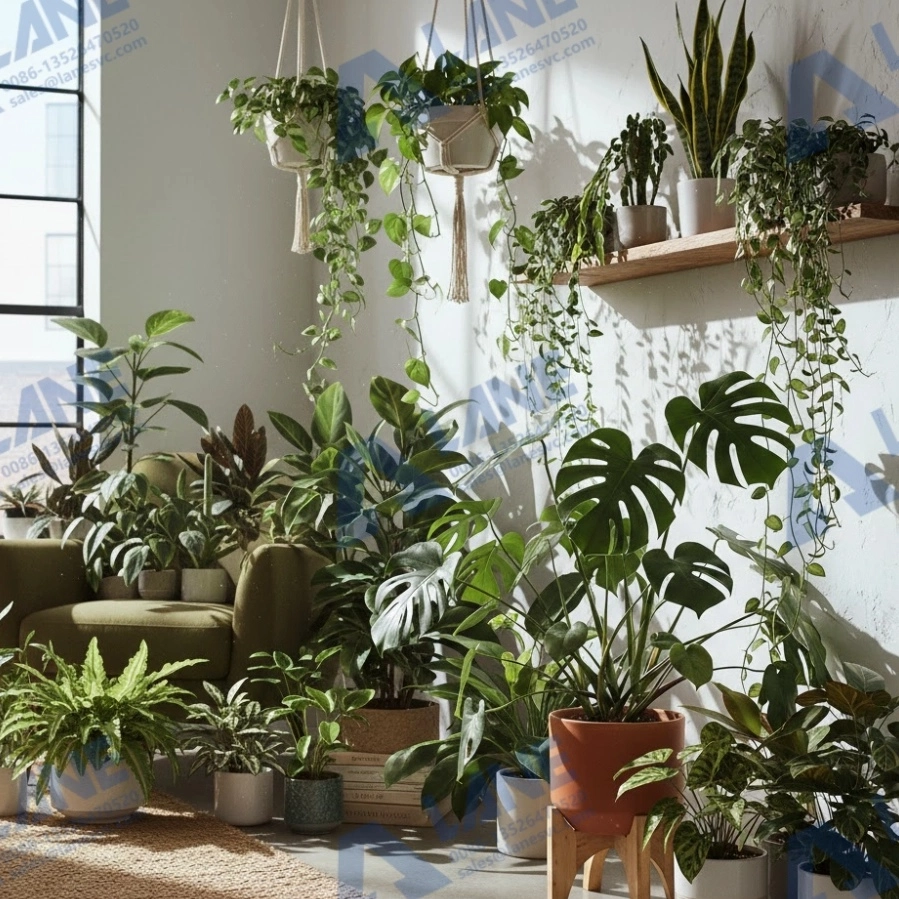
Indoor plants are no longer just decoration. For many people, they are part of daily life, helping to create a calm and healthy indoor space. As more homes and offices fill up with green leaves, the demand for easy plant care products keeps rising. This is where liquid fertilizer for indoor plants plays an important role. It is simple to use, works quickly, and fits well into modern lifestyles where convenience matters.
Indoor plants live in a controlled environment. They grow in pots, rely on limited soil, and depend fully on human care. Liquid fertilizers are popular because nutrients dissolve evenly in water and reach plant roots faster. Compared with solid products, they are easier to measure and reduce the risk of overfeeding. Because of these benefits, manufacturers around the world are investing more in liquid fertilizer for indoor plants to meet the expectations of home users.
Before any machine is switched on, production starts with planning. Producers need to define the target market, plant types, and nutrient strength. Indoor fertilizers are usually milder than outdoor ones. When planning liquid fertilizer for indoor plants, the goal is stable quality, gentle formulas, and a clean final product that is safe for everyday use inside homes.
The base of most liquid fertilizers is water. Clean and treated water helps prevent unwanted reactions and keeps the product clear. Nutrient sources are added next. These often include nitrogen solutions for leaf growth, phosphorus compounds for roots, and potassium for overall strength. Trace elements such as iron, zinc, or magnesium are used in small amounts. In many formulas for liquid fertilizer for indoor plants, organic ingredients like amino acids or seaweed extract are added to improve absorption and plant vitality.
Raw materials need proper storage before mixing. Liquid nutrients are usually kept in sealed tanks, while powders are stored in dry conditions. Accurate weighing and dosing systems are important at this stage. For producers of liquid fertilizer for indoor plants, consistency is key. Using the same ratios every time helps build trust with customers and reduces quality issues later.
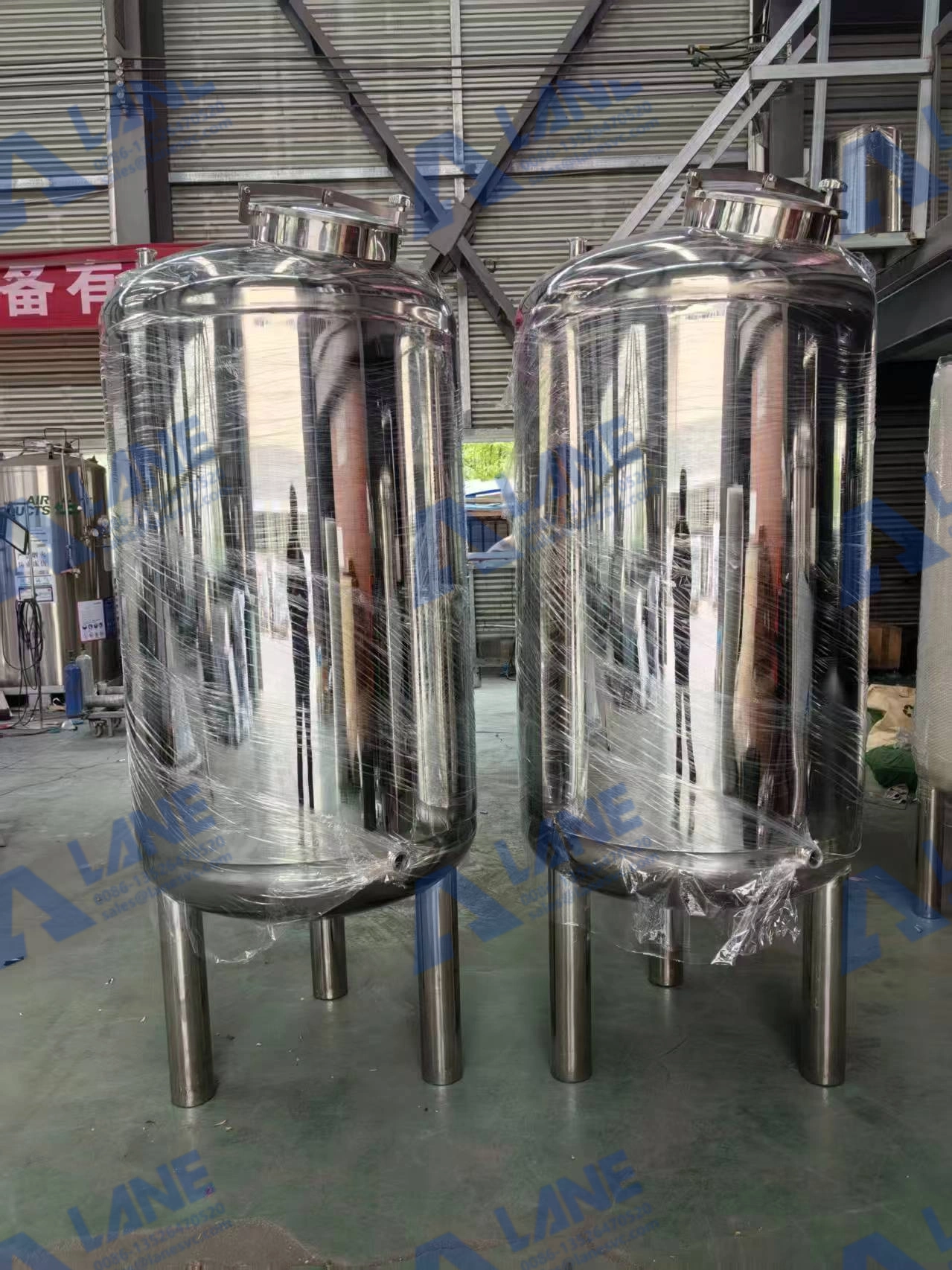
Mixing is the heart of the process. Stainless steel mixing tanks are commonly used because they are easy to clean and resist corrosion. Inside the tank, agitators keep the liquid moving so all ingredients blend evenly. Automated control systems allow operators to set mixing time and speed. This step ensures that liquid fertilizer for indoor plants has a uniform nutrient distribution in every batch.
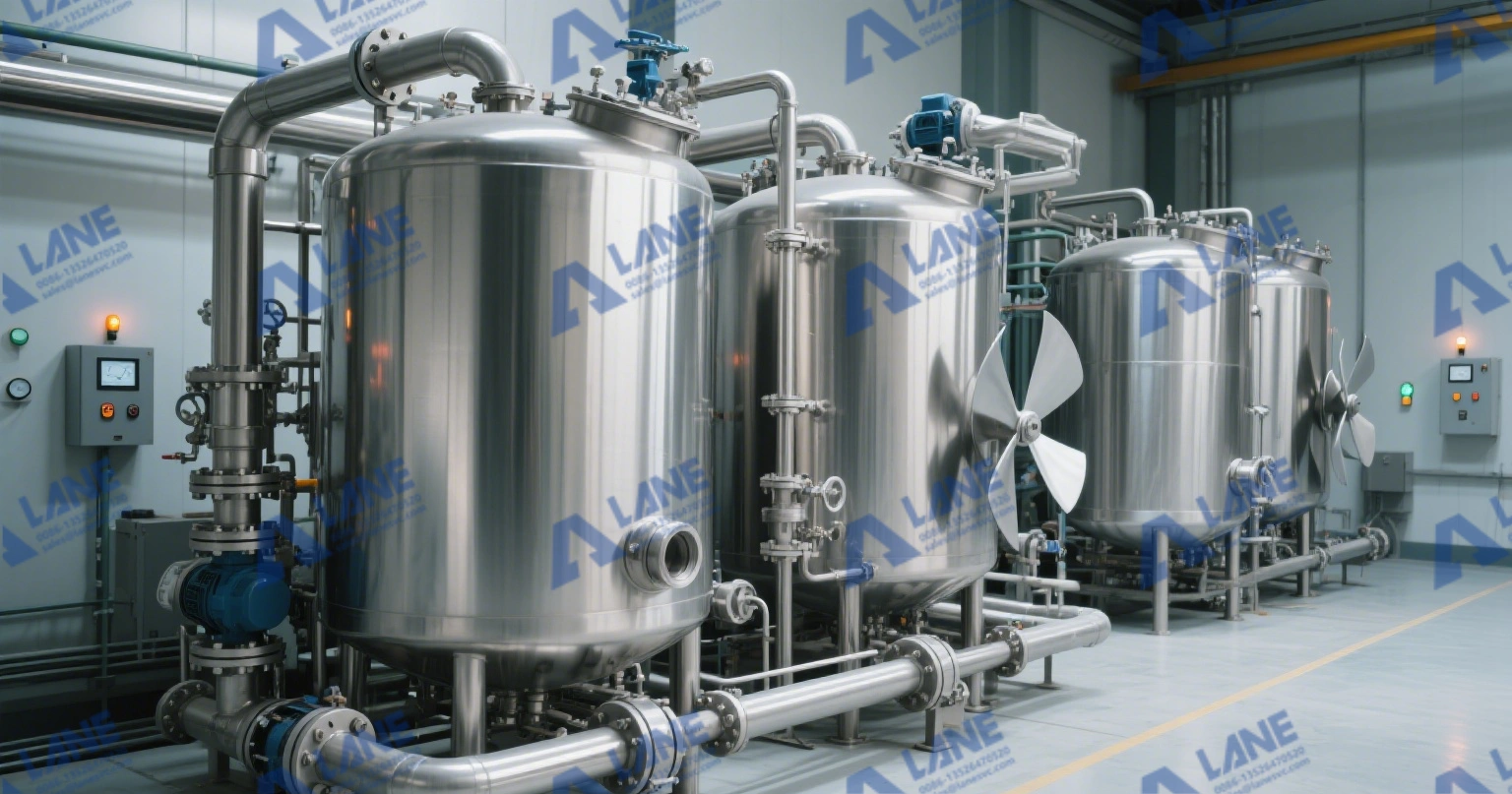
Some formulas require gentle heating to help ingredients dissolve fully. Temperature control systems make sure the liquid does not overheat. After mixing, pH levels are checked and adjusted if needed. A balanced pH helps plants absorb nutrients more easily. Careful control during this stage improves the stability of liquid fertilizer for indoor plants and reduces separation during storage.
After blending, the liquid often passes through filters. This removes small particles that could block spray nozzles or affect appearance. Clear products are especially important for indoor use, where users expect clean and neat solutions. Filtration improves both performance and visual quality, making liquid fertilizer for indoor plants more attractive to consumers.
Once the liquid meets quality standards, it moves to the filling line. Automatic filling machines measure the exact amount for each bottle. Capping machines seal the containers to prevent leaks. Labels are applied with product information and usage instructions. Efficient packaging lines help manufacturers deliver liquid fertilizer for indoor plants quickly and safely to the market.
Different plants have different needs, but some formulas are widely used. A balanced blend of nitrogen, phosphorus, and potassium is suitable for most green plants. Another popular mix includes nitrogen and seaweed extract for leaf shine and steady growth. For flowering plants, higher potassium levels are often used. These flexible formulas make liquid fertilizer for indoor plants suitable for many households.
Quality checks are done throughout production. Samples are tested for nutrient content, pH value, and clarity. Stability tests help ensure the product does not separate over time. Strong quality control protects brand reputation and ensures that liquid fertilizer for indoor plants performs well from the first use to the last drop.
At LANE, we have focused on fertilizer machinery for more than 20 years. Our company designs and manufactures equipment for organic fertilizer, compound fertilizer, and liquid fertilizer production. When our clients plan a project related to liquid fertilizer for indoor plants, we support them with customized equipment design, full liquid fertilizer production line installation, and reliable after-sales service. Our machines meet ISO9001 and CE quality standards, helping customers run stable and efficient production lines with confidence.
Indoor gardening is not a short-term trend. As cities grow and living spaces change, people continue to bring nature indoors. Manufacturers who invest in modern equipment and smart production planning will benefit from this demand. With the right machines, clear formulas, and professional support, producing liquid fertilizer for indoor plants can be a steady and rewarding business for years to come.
For more details, please feel free to contact us.
Henan Lane Heavy Industry Machinery Technology Co., Ltd.
Email: sales@lanesvc.com
Contact number: +86 13526470520
Whatsapp: +86 13526470520
Leave a Comment
Latest Posts
LANE has more than 500 successful cases and is committed to providing customers with first-class solutions, high-end machinery and equipment, and one-stop pre-sales, sales and after-sales comprehensive customer service.