
From Raw Materials to Root Zone: The Journey of Liquid Fertilizer for Hydroponic Vegetables in a Certified Production Line
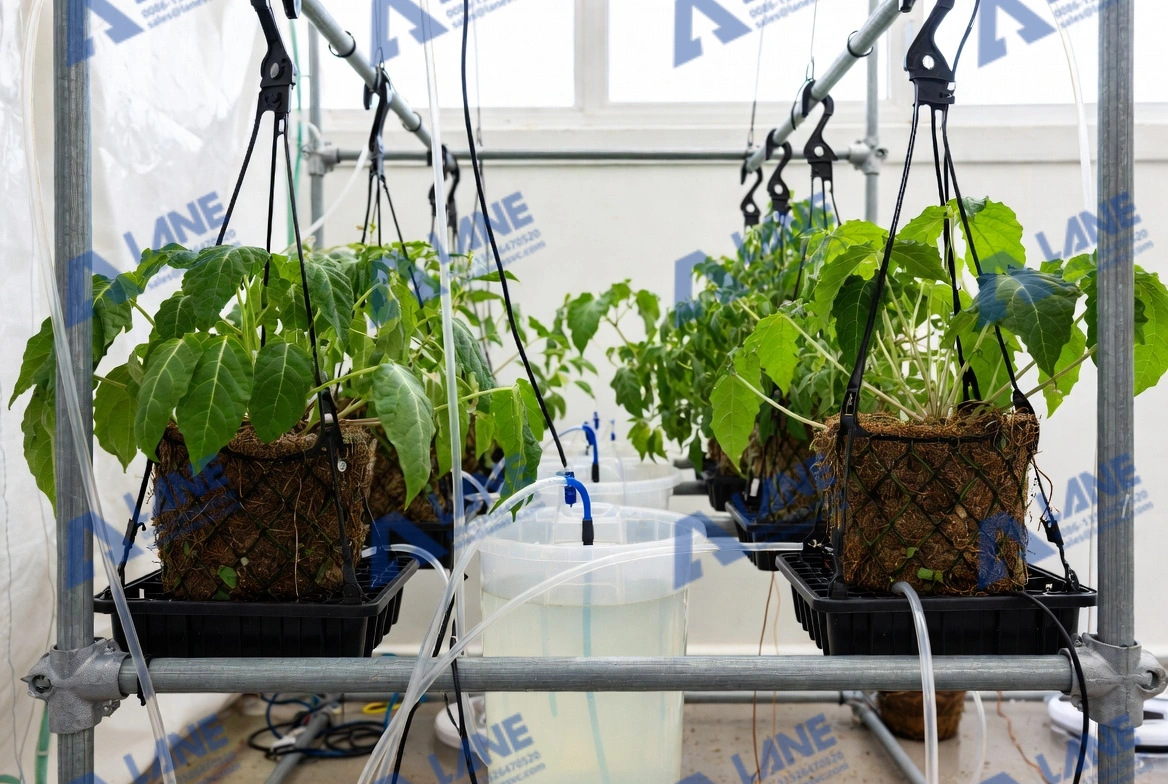
Hydroponic cultivation is a modern agricultural model in which roots are separated from the soil and placed into a nutrient solution. This process relies heavily on the scientific configuration and stable supply of nutrients. This makes the quality and consistency of liquid fertilizer for hydroponic vegetables the single most critical input.
In the soilless world of hydroponics, vegetables like lettuce, tomatoes, and herbs are a direct product of the nutrient solution bathing their roots. Unlike traditional fertilizers, liquid fertilizer for hydroponic vegetables requires precise ratios of nitrogen, phosphorus, potassium, trace elements, and other nutrients. The ratio and nutrient amount change during different growing stages.
The journey from raw materials to the root zone of vegetables is a systematic process. It requires modern, advanced machinery and equipment. LANE Heavy Industry, a professional manufacturer of fertilizer machinery production lines, provides machines for each step of the production line.
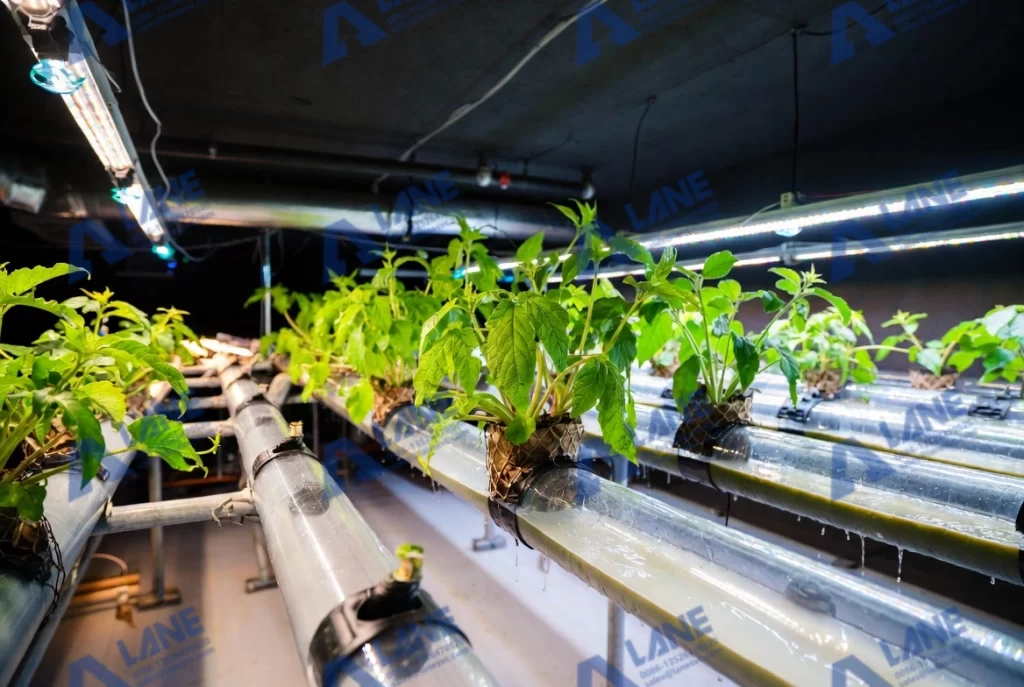
Raw material is the most important factor for liquid fertilizer for hydroponic vegetables. The quality of the fertilizer depends on the raw materials. These materials include:
In an EU-certified production line, each batch of raw materials is tested in the dedicated lab. LANE Heavy Industry’s integrated automated sorting system ensures that materials are handled without contamination.
A recipe is only as good as its execution. Hydroponic formulas require an exact ionic balance. A slight deviation from the formula can cause lockout or harm the plants. This is why precision is a must for liquid fertilizer for hydroponic vegetables.
The liquid production line’s batching system has near-perfect accuracy. LANE Heavy Industry’s computer-controlled batching automates the whole process. An operator can input the recipe for leafy greens, fruiting crops, or seedlings, and it will automatically convey the raw material to the mixing stage.
After precision batching, the raw materials are sent to the mixing process.
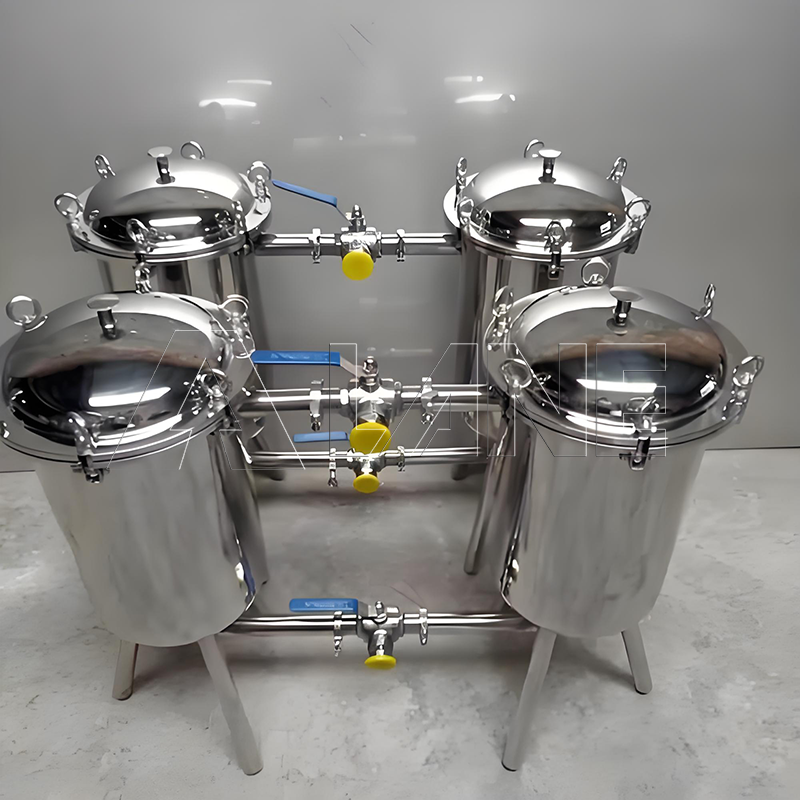
A trusted liquid fertilizer production line is defined by its quality control (QC) certificates. This is part of the production process.
The final product must be properly packaged to prevent it from settling or damaging the inside nutrient. LANE’s automated filling machine precisely dispenses the fertilizer into clean, UV-resistant containers. They are immediately sealed to prevent oxidation or contamination. Then labels with batch numbers, NPK analysis, and usage instructions are applied to the package.
With the continuous development of hydroponic agriculture, the demand for high-quality liquid fertilizer for hydroponic vegetables will continue to grow. This fertilizer fuels modern indoor and greenhouse agriculture. Advanced machinery represented by LANE Heavy Industry will further promote the quality of the fertilizer with our advanced machinery.
Q1: Why can’t I just use any liquid fertilizer in my hydroponic system?
Hydroponic fertilizers are specifically formulated to be complete (containing all essential micro and macronutrients) and highly soluble in water. They use nitrate-based nitrogen sources and chelated micronutrients that remain stable in the solution. Non-hydroponic fertilizers may contain insoluble compounds, urea-based nitrogen, or impurities that can clog systems, cause nutrient lockout, or foster algal growth.
Q2: What does “certified production line” actually mean for me as a grower?
Certification (like ISO) means the manufacturing process is independently audited to follow strict, documented procedures for every step—from raw material checks to final packaging. This translates directly to consistency for you. Every bottle you buy will have the identical nutrient profile and performance, eliminating variability as a factor in your crop health.
Q3: Can this type of production line create organic-certified liquid fertilizer for hydroponics?
Yes, absolutely. The process is similar, but it starts with certified organic raw material inputs (like plant extracts, mined minerals, and approved microbial cultures). The precision and cleanliness offered by a modern production line are actually even more critical for organic formulations to ensure stability and prevent contamination. LANE Heavy Industry’s equipment can be configured to handle these specialized inputs.
Q4: How important is the water quality used in production?
It is paramount. Impurities in water (like chlorine, chloramines, or excessive calcium) can react with nutrient salts, causing precipitation that makes nutrients unavailable. Certified lines use purified water (RO/DI) as their base, ensuring the final liquid fertilizer for hydroponic vegetables is pure, stable, and reacts predictably when you mix your reservoir.
Q5: Is this large-scale machinery only for major fertilizer brands, or can smaller operations benefit?
While full-scale lines are for high-volume production, the principles and technology scale down. LANE Heavy Industry and similar manufacturers offer modular and smaller-capacity systems. This allows smaller, regional producers or large vertical farms to produce their own bespoke, high-quality liquid fertilizer for hydroponic vegetables with the same level of precision and control, ensuring freshness and reducing logistics costs.
For more details, please feel free to contact us.
Henan Lane Heavy Industry Machinery Technology Co., Ltd.
Email: sales@lanesvc.com
Contact number: +86 13526470520
Whatsapp: +86 13526470520
Leave a Comment
Latest Posts
LANE has more than 500 successful cases and is committed to providing customers with first-class solutions, high-end machinery and equipment, and one-stop pre-sales, sales and after-sales comprehensive customer service.