
How to Build a Profitable Turf Safe Liquid Fertilizer for Commercial Lawns Production Line with Smart Investment
Turf safe liquid fertilizer for commercial lawns is no longer a niche product. It has become a standard solution for property management companies, stadium operators, golf course managers, and municipal landscape contractors.
Commercial lawns require uniform color, dense growth, and fast recovery. At the same time, safety is critical. These sites often remain open to the public. Over-fertilization, salt burn, or runoff problems can damage both turf and reputation.
Liquid fertilizer systems provide precise control. They reduce uneven spreading. They improve nutrient absorption efficiency. In many developed landscaping markets, liquid application already represents more than 40% of commercial turf feeding programs.
The good news is that manufacturing turf safe liquid fertilizer for commercial lawns does not require massive capital. With a well-designed small or medium production line, investors can enter the market with controlled financial risk and expand step by step.
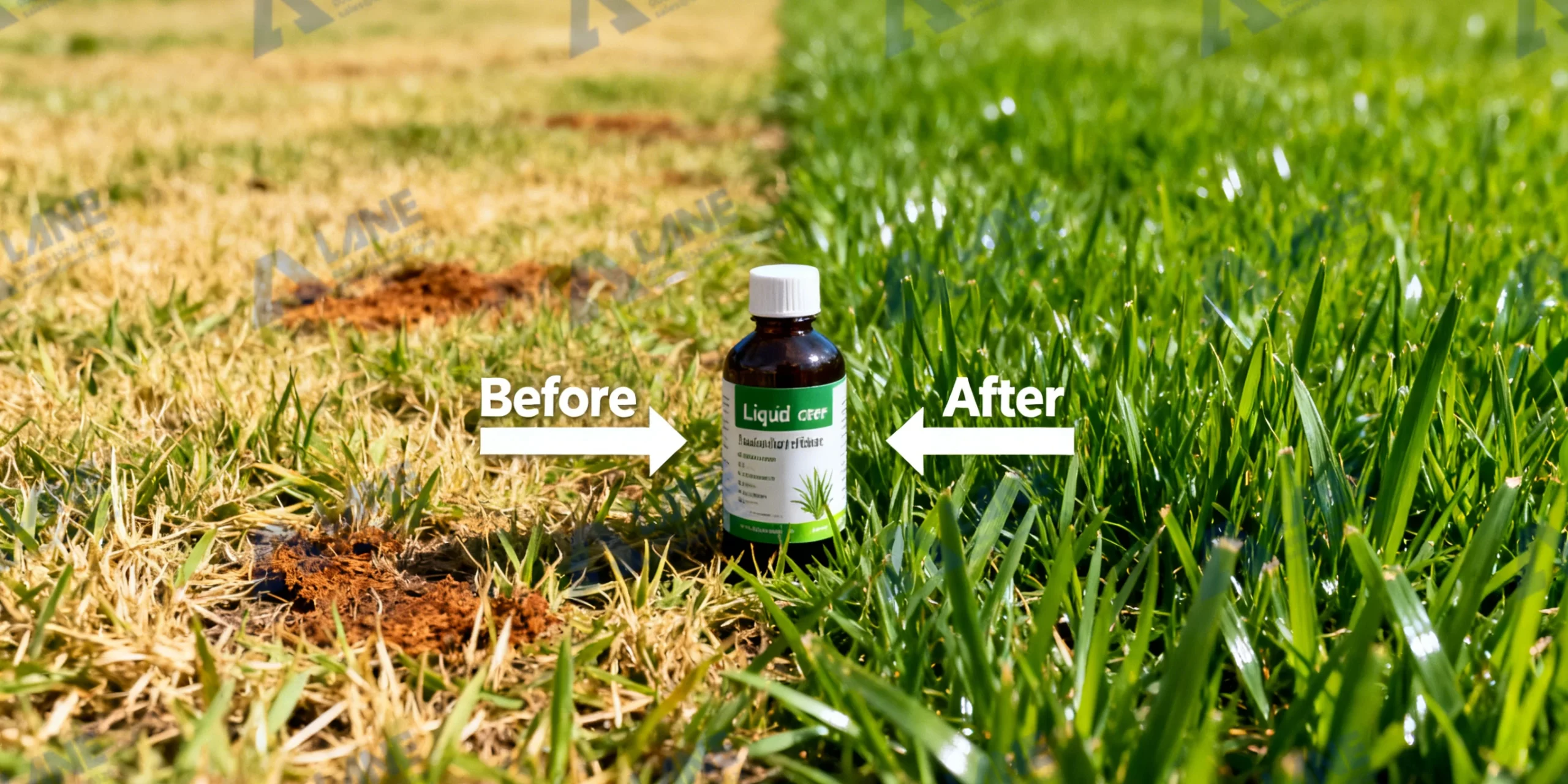
Commercial lawns operate under pressure that residential lawns rarely experience.
High foot traffic compacts soil. Compaction reduces air space in the root zone. When soil density increases beyond optimal levels, roots cannot expand properly. Shallow roots mean weak turf. Weak turf becomes thin, uneven, and vulnerable to disease.
Another issue is visual consistency. Commercial clients expect uniform green color across large areas. A 5–10 acre property must look consistent from every angle. Uneven fertilization creates visible striping and patchiness. This leads to complaints and additional maintenance work.
Environmental regulation is also stricter for commercial properties. Nitrogen runoff control is often mandatory. Over-application can result in fines or contract termination. That is why precision feeding has become essential.
Turf safe liquid fertilizer for commercial lawns directly addresses these issues by improving nutrient distribution and reducing salt stress.
Liquid fertilizers are fully dissolved before application. This means nutrients are already in available form. When sprayed correctly, they distribute evenly across the surface.
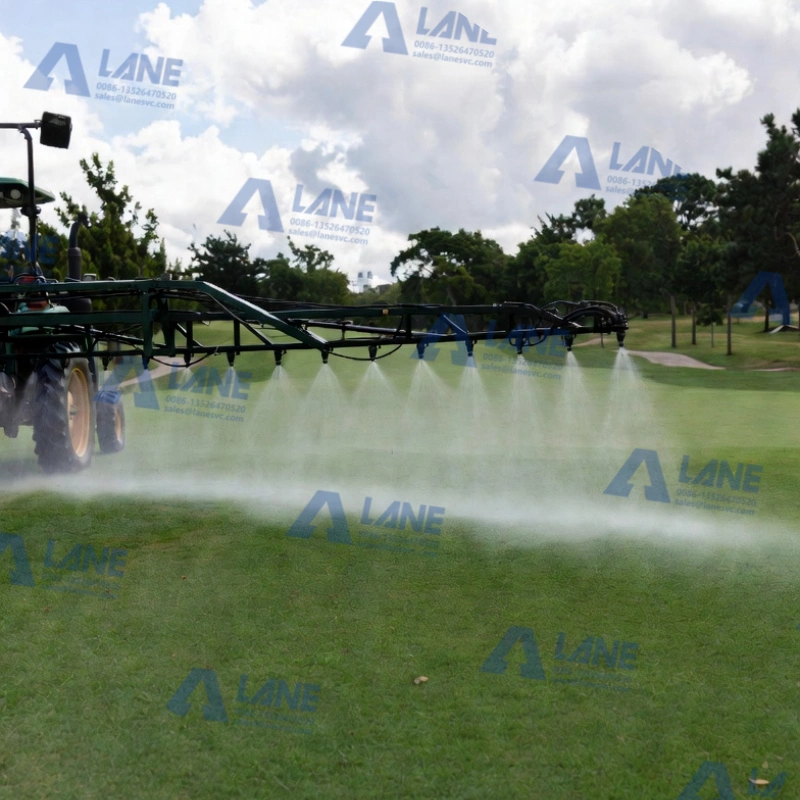
Uniformity is critical. With calibrated boom sprayers, coverage variation can be kept within ±5–8%. This is significantly better than many manual granular spreading methods.
Another advantage is fast response. Because nutrients are dissolved, plant uptake begins quickly. Under suitable temperature and irrigation conditions, visual improvement often appears within 48–72 hours.
A typical balanced formula used in turf safe liquid fertilizer for commercial lawns may include:
| Component | Function | Typical Range |
| Nitrogen (N) | Promotes leaf growth | 15–20% |
| Phosphorus (P) | Supports root development | 3–10% |
| Potassium (K) | Enhances stress resistance | 6–20% |
| Iron (Fe) | Deepens green color | 0.1–0.5% |
The salt index of properly formulated liquid fertilizer is usually lower than comparable granular blends. Lower salt stress reduces burn risk, especially during summer applications.
Labor efficiency is another benefit. A property that requires six workers for granular spreading may only need three workers for liquid spraying. Application time is often reduced by 30–50%.
Building a production line for turf safe liquid fertilizer for commercial lawns requires careful selection of essential equipment. Over-configuration increases cost. Under-configuration reduces stability.
A balanced setup focuses on three major systems: storage, mixing, and filling.
3.1 Raw Material Storage System
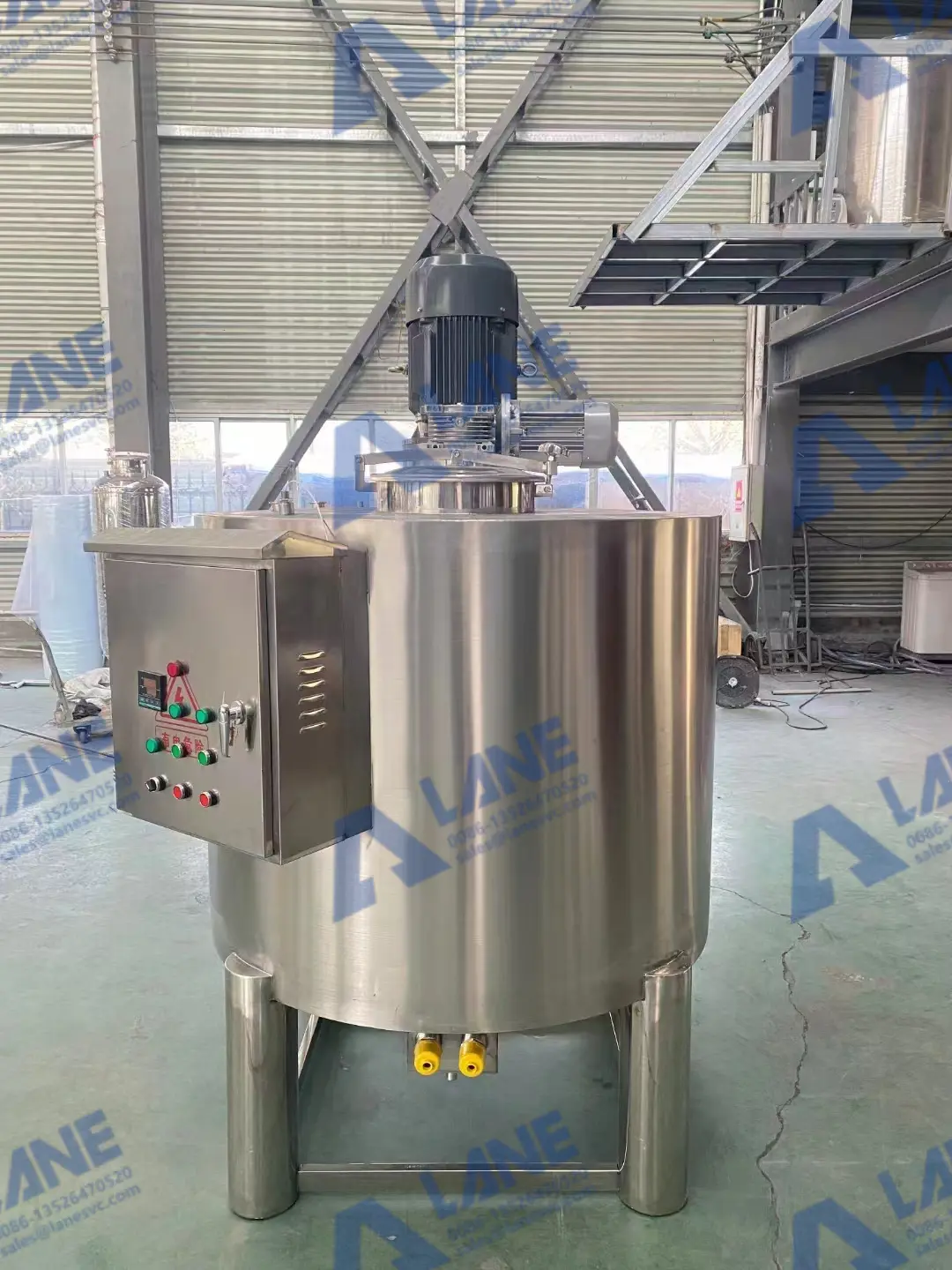
Raw materials include urea solution, phosphoric acid, potassium source, and micronutrients. These materials are corrosive and require proper storage.
A small-scale plant typically uses:
This configuration is sufficient for annual output up to 5,000 tons.
3.2 Mixing and Batching System
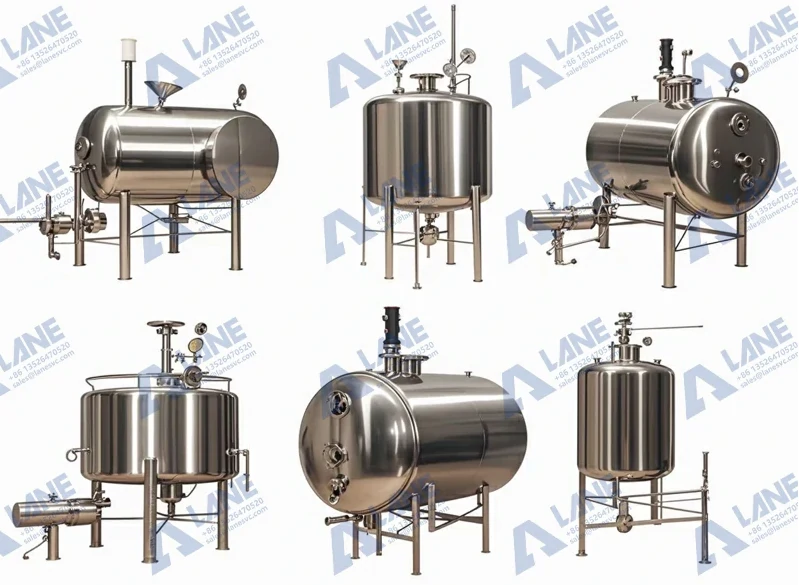
The mixing tank is the heart of the plant. Stability of formula depends on proper agitation and accurate dosing.
A practical configuration includes:
Each batch normally requires 20–30 minutes. With two shifts per day, daily output can reach 15–25 tons.
Precise metering ensures nutrient ratio remains stable. Dosing accuracy within ±1% is acceptable for most commercial formulations.
3.3 Filtration and Filling System
Before packaging, the liquid must pass through filtration to remove impurities.
A simplified setup includes:
Packaging options are selected based on target customers. For commercial lawn service companies, common packaging sizes include:
A automatic filling machine with capacity of 800–1,500 bottles per hour is suitable for entry-level production. This reduces initial capital while maintaining acceptable efficiency.
Investment planning should be realistic. For a 3,000–5,000 ton per year plant, equipment cost can remain controlled.
Estimated equipment budget:
| Item | Estimated Cost (USD) |
| Mixing tank system | 18,000–25,000 |
| Storage tanks | 15,000–20,000 |
| Dosing & control system | 8,000–12,000 |
| Semi-auto filling machine | 12,000–18,000 |
| Filtration system | 3,000–5,000 |
| Total | 60,000–90,000 |
This configuration allows stable production without unnecessary automation expenses.
Operating costs include raw materials, labor, electricity, and packaging. Electricity consumption typically ranges from 60–90 kWh per ton. Labor requirement is usually 3–4 operators per shift.
Depending on formula and regional raw material prices, total production cost often ranges between USD 320–420 per ton. With proper market positioning, profit margins remain competitive in commercial supply contracts.
One advantage of producing turf safe liquid fertilizer for commercial lawns is scalability.
You can begin with one mixing tank and semi-automatic filling. When sales volume increases, additional tanks and automatic filling lines can be integrated without rebuilding the entire plant.
The layout should reserve space for:
This staged investment approach reduces financial pressure while maintaining growth potential.
We have more than 20 years of experience in fertilizer equipment manufacturing. We understand the production process of turf safe liquid fertilizer for commercial lawns from raw material handling to final packaging.
Our approach is practical. We design systems based on your real market demand and financial plan. We do not oversell equipment.
All major equipment complies with ISO9001 quality management standards and CE certification requirements. We provide:
We help you select appropriate tank volume, agitator power, pump capacity, and filling configuration. Our goal is stable formula control, efficient production flow, and reasonable investment recovery period.
From organic liquid fertilizers to compound and specialty turf formulations, we can configure a flexible production solution that supports long-term development.
The demand for turf safe liquid fertilizer for commercial lawns continues to grow as commercial landscape standards become stricter.
Liquid fertilizer offers better nutrient control, improved uniformity, lower burn risk, and higher labor efficiency compared to many traditional granular systems.
By starting with a carefully designed small or medium-scale production line, investors can control capital expenditure while maintaining product quality and scalability.
With proper equipment configuration and professional technical support, manufacturing turf safe liquid fertilizer for commercial lawns can become a stable and profitable long-term business opportunity.
For more details, please feel free to contact us.
Henan Lane Heavy Industry Machinery Technology Co., Ltd.
Email: sales@lanesvc.com
Contact number: +86 13526470520
Whatsapp: +86 13526470520
Leave a Comment
Latest Posts
LANE has more than 500 successful cases and is committed to providing customers with first-class solutions, high-end machinery and equipment, and one-stop pre-sales, sales and after-sales comprehensive customer service.