
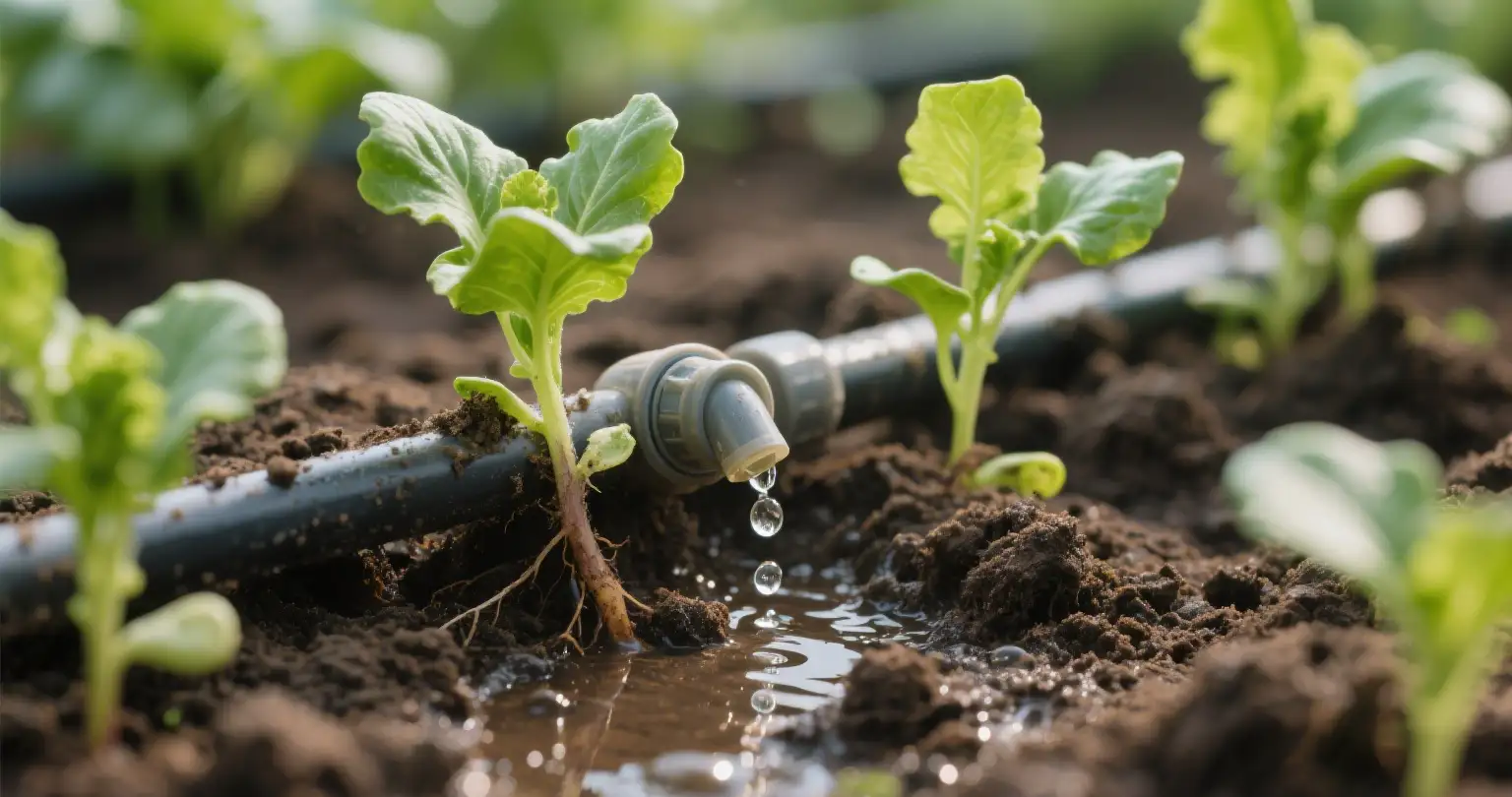
Inside the Leafy-Vegetable Liquid Fertilizer Line That Feeds Modern Greens
The farms that supply today’s supermarkets may look peaceful, but behind every crisp head of lettuce and every leaf of spinach lies a surprisingly advanced industrial backbone. That backbone is often a leafy-vegetable liquid fertilizer line, a coordinated system of tanks, mixers, filters, pumps, and sensors that quietly manufactures the nutrient solutions powering hydroponics and controlled-environment agriculture. Within the first 100 words of this report, it becomes clear that a leafy-vegetable liquid fertilizer line is not just a production setup—it’s a carefully engineered ecosystem designed to keep plants healthy and yields consistent.
Leafy greens are some of the most nutrient-sensitive crops in modern farming. Their shallow root systems respond quickly to changes in pH, EC, and mineral balance. Slight impurities—like sodium, chloride, or heavy metals—can affect texture, color, or flavor. This sensitivity is why the leafy-vegetable liquid fertilizer line has evolved into a specialized production technology, one that prioritizes purity, solubility, and predictable nutrient availability.
The Role of Raw-Material Storage in Ensuring Consistency
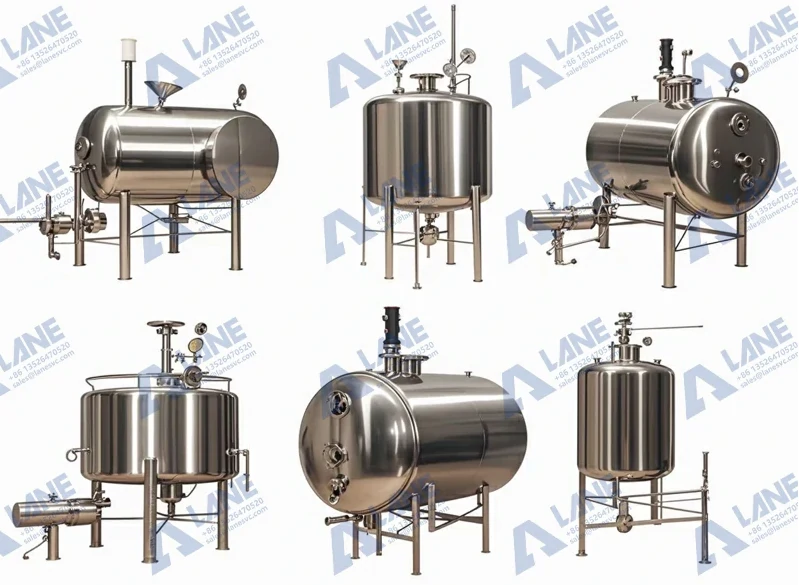
The production process begins with chemical and mineral storage. Stainless steel Raw Material Storage Tanks hold nitric acid, phosphoric acid, potassium solutions, and amino-acid extracts. Next to them, Solid Dissolving Tanks dissolve calcium nitrate, chelated micronutrients, and magnesium salts. These tanks include corrosion-resistant surfaces, enclosed lids, temperature control, and heavy-duty agitators. In a top-tier leafy-vegetable liquid fertilizer line, raw-material tanks and transfer pumps are arranged to avoid cross-contamination and maintain formula accuracy.
Water Purification: The Hidden Hero of Nutrient Stability
Purified water is essential for high-end fertilizer production. Reverse-osmosis filtration removes dissolved solids, sediment, and chlorine compounds that interfere with micronutrient solubility. In many ways, water quality determines whether a nutrient formula will remain stable on warehouse shelves. Long before mixing begins, the leafy-vegetable liquid fertilizer line relies on a combination of RO units, activated-carbon filters, and softening systems to guarantee purity.
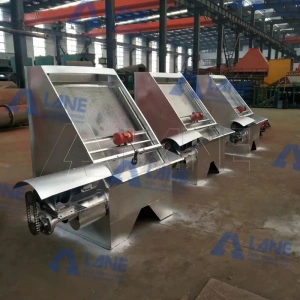
Mixing Tanks: Where Formulas Take Shape
The center of the operation is the Stainless Steel Mixing Tank, where nutrients blend together under precise agitation. These tanks feature variable-speed impellers, pH and temperature sensors, and automated dosing valves. Nitrogen, calcium, magnesium, potassium, and micronutrients all enter the tank at programmed intervals. A premium leafy-vegetable liquid fertilizer line uses PLC automation to log every batch parameter, enabling full traceability and consistent quality for commercial growers.
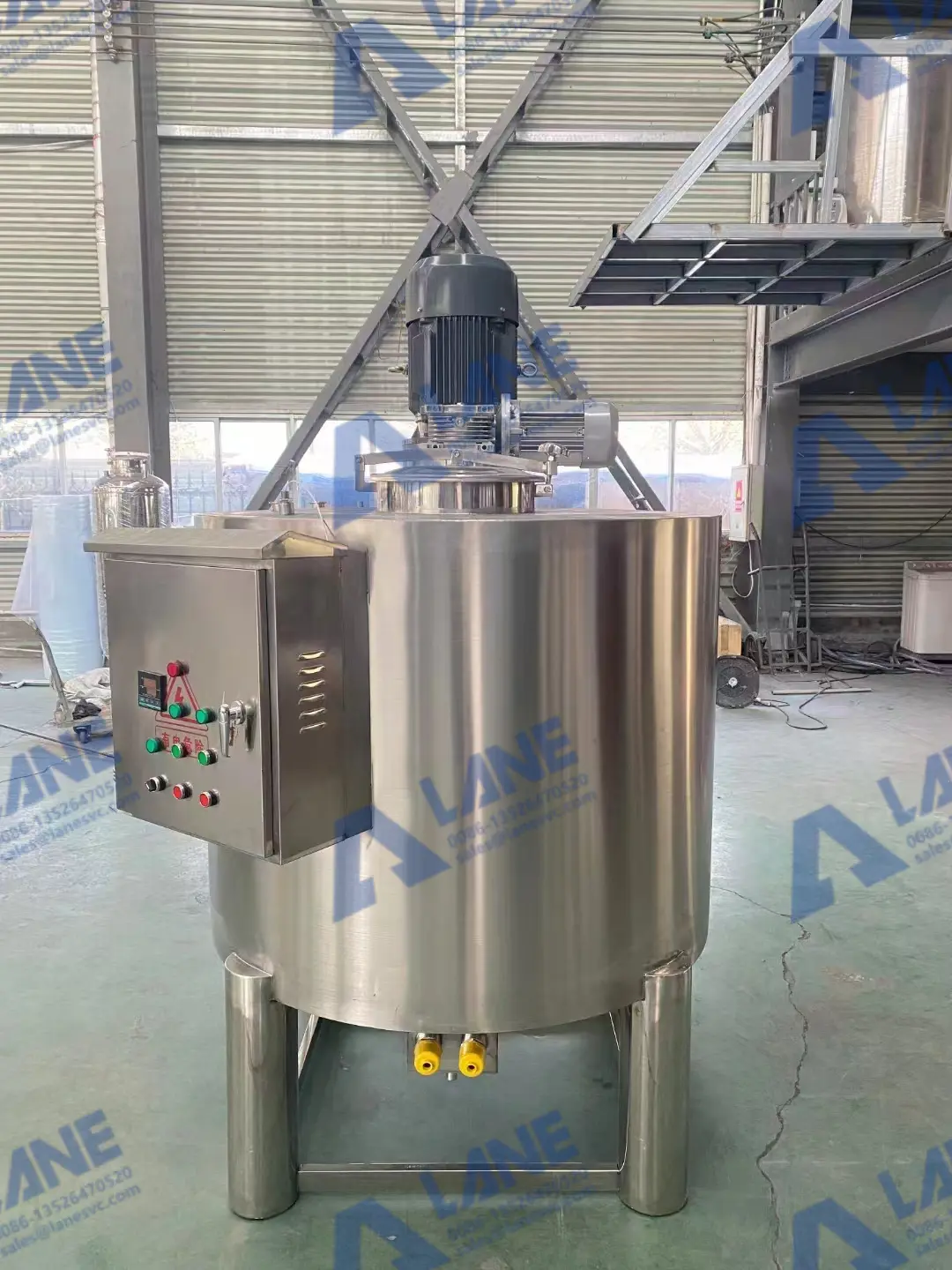
High-Shear Mixers for Ingredients That Resist Dissolving
Some materials, especially iron chelates, humic acids, or seaweed extracts, need intense dispersion to remain stable. A High-Shear Mixing Unit breaks down particles, creating smooth, uniform nutrient solutions. Without this machine, sedimentation would be common—something leafy vegetable farms cannot tolerate. This piece of equipment is often regarded as the “clarity engine” of the entire system.
Filtration Systems That Protect Greenhouse Irrigation
A mixture may look clean, but invisible particles can still clog irrigation emitters or cause precipitation in storage tanks. That’s why a multilayer filtration setup is essential:
Mesh Pre-Filter for large debris
Bag Filter for mid-size impurities
Precision Dual -filter for final polishing
These layers ensure that the leafy-vegetable liquid fertilizer line produces a crystal-clear final product suited for hydroponics, NFT systems, and drip lines.
Storage and Maturation: Letting the Formula Stabilize
After mixing and filtration, the nutrient solution moves into Final Product Storage Tanks. Here, gentle agitation prevents settling while pH and temperature stabilize. Some blends require several hours—sometimes days—to fully harmonize. In a premium leafy-vegetable liquid fertilizer line, storage tanks include sanitary welds, sloped bottoms, and CIP spray balls that automate cleaning between batches.
Packaging Automation That Protects Product Integrity
Once ready, the nutrient solution enters the packaging stage. Thin liquids move through Packaging Machines, while thicker organic blends use Piston Filling Machines. Bottles pass through Capping Machines, Labeling Machines, and Inkjet Printers that apply QR codes and batch numbers. Automation not only speeds up production but reduces contamination risks, ensuring nutrient integrity from tank to farm.
Laboratory Testing: The Science Behind Every Batch
Quality control is essential. Each batch undergoes EC, pH, density, mineral content, clarity, and stability testing. Advanced ICP-OES equipment measures micronutrient concentrations with high accuracy. These checks ensure that every shipment from a leafy-vegetable liquid fertilizer line meets rigorous standards for greenhouses, vertical farms, and large-scale hydroponics operations.
Traceability and Process Transparency for Modern Farming
In a world where retailers demand transparency and farms depend on predictable results, traceability software has become a cornerstone. Every batch links back to raw materials, machine settings, QC reports, and packaging data. This transparency gives leafy-vegetable growers confidence that their nutrient supply is safe and consistent.
LANE has earned recognition for designing compact, efficient production systems with smart piping, sanitary valves, and automation-friendly layouts. Their philosophy is simple: a leafy-vegetable liquid fertilizer line should be powerful yet easy to operate. With faster cleaning cycles, ergonomic machine placement, and intelligent monitoring, LANE improves reliability while reducing operational downtime.
As urban farming expands and fresh-produce demand increases, precision fertilizer production becomes a global priority. The equipment described in this report supports the next generation of agriculture—cleaner, smarter, and more efficient. While consumers only see the leafy greens at the supermarket, it’s the machines behind the scenes that help those greens grow the way they do.
The quiet hum of pumps, mixers, and filters inside a fertilizer plant might seem worlds away from a hydroponic greenhouse, but the connection is intimate. Every drop of nutrient solution affects yield, flavor, consistency, and sustainability. And behind every drop is a production line built with purpose, precision, and a surprising amount of engineering beauty.
For more details, please feel free to contact us.
Henan Lane Heavy Industry Machinery Technology Co., Ltd.
Email: sales@lanesvc.com
Contact number: +86 13526470520
Whatsapp: +86 13526470520
Leave a Comment
LANE has more than 500 successful cases and is committed to providing customers with first-class solutions, high-end machinery and equipment, and one-stop pre-sales, sales and after-sales comprehensive customer service.