
Hydroponic Liquid Fertilizer Production: How Are Nutrient Solutions Made for Soilless Farming?
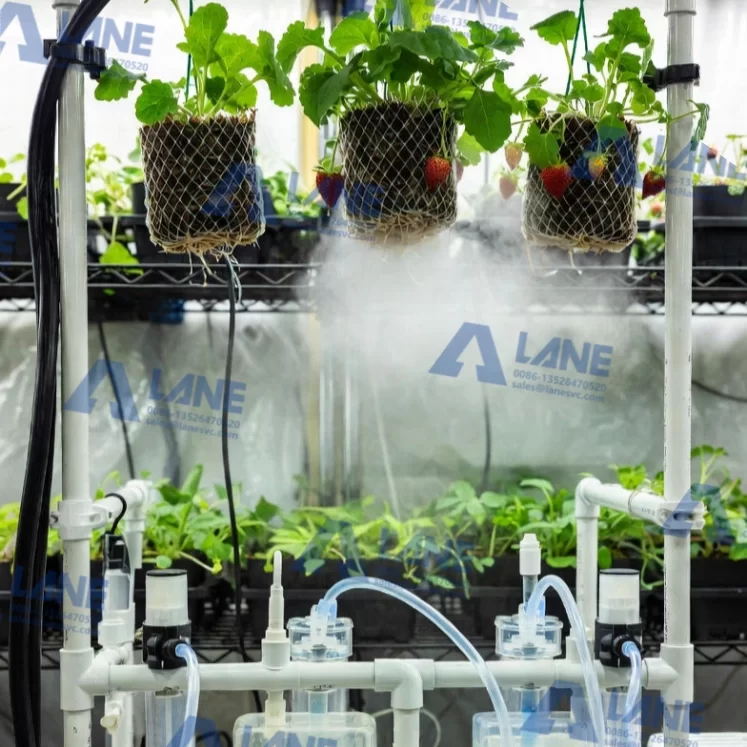
Hydroponic farming—also known as soilless agriculture—has become a cornerstone of modern food production. Whether inside vertical farms, automated greenhouses, or high-density indoor plant factories, growers rely entirely on nutrient solutions rather than soil to feed their crops. Because plants cannot draw minerals from soil, every essential nutrient must be delivered through engineered liquid fertilizers. This has made hydroponic liquid fertilizer production one of the most technically demanding and increasingly essential processes in agricultural manufacturing. As hydroponics expands globally, factories dedicated to hydroponic liquid fertilizer production play a critical role in ensuring stable, high-quality nutrient inputs for continuous, year-round crop growth.
In traditional fields, soil acts as a buffer and a reservoir, storing minerals, organic matter, microbes, and moisture. In hydroponics, none of these elements exist. Roots sit either in flowing nutrient solutions, substrate-filled channels, or sealed vertical towers. This means hydroponic plants require liquid fertilizers that are:
It is here that hydroponic liquid fertilizer production becomes essential. Even minor errors in formulation—too much calcium, too little magnesium, or incorrect pH—can cause rapid crop failure. As a result, nutrient solution factories must rely on stable raw materials, precision instruments, and professional machinery.
Unlike soil-based fertilizers, hydroponic liquid fertilizers are engineered for pure solubility and rapid absorption. Many factories combine mineral salts with organic extracts to supply both nutrients and natural growth stimulants.
Typical Raw Materials
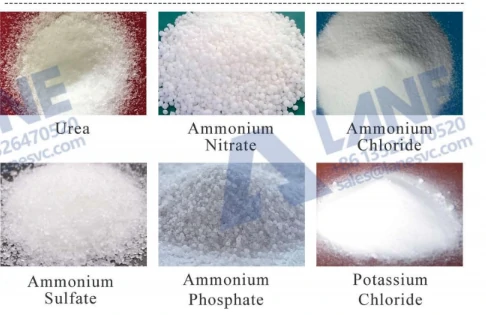
Mineral Components
Calcium nitrate
Potassium nitrate
Magnesium sulfate
Mono-potassium phosphate
Chelated iron (EDDHA, EDTA)
Trace element packages (Zn, Mn, Cu, B, Mo)
Organic Components Used in This Scenario
For our focused scenario, the factory uses:
These organic materials bring unique advantages: they improve nutrient uptake, enhance root development, and help stabilize the nutrient solution. This makes organic-enhanced hydroponic liquid fertilizer production especially appealing to high-end hydroponic farms that prioritize plant health and flavor quality.
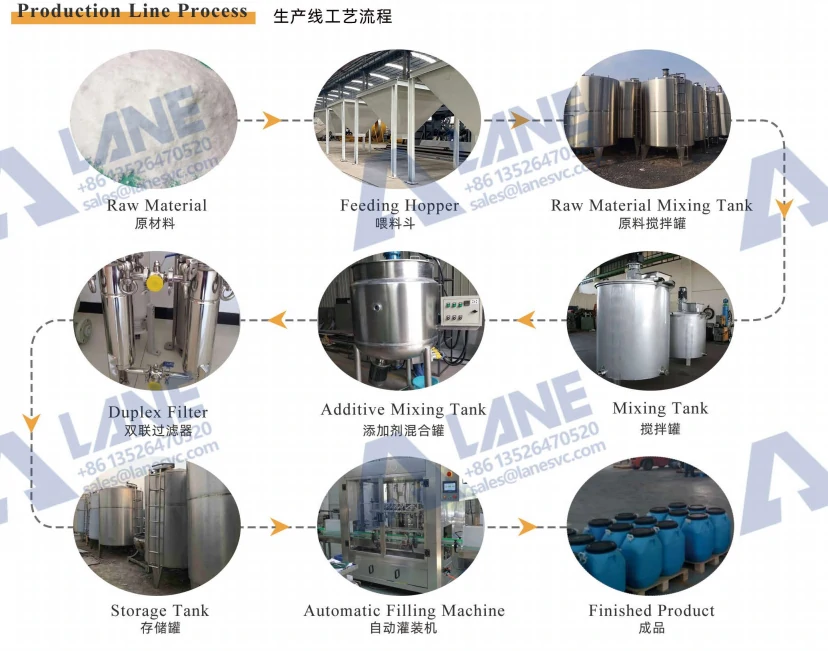
Below is the complete workflow, following the specific scenario you requested:
Organic raw materials (amino acids, fulvic acid, plant extracts) → dissolution → fermentation → filtration → sterilization → blending → storage → packaging
The first step in hydroponic liquid fertilizer production is dissolving powders, slurries, and extracts into controlled batches of water.
Equipment Used: Industrial Mixing Tank
A stainless-steel mixing tank ensures:
Amino acids dissolve first, followed by fulvic acid, then mineral salts. The tank allows operators to adjust pH and monitor EC, ensuring a correct nutrient baseline before proceeding.
For factories that incorporate organic additives, fermentation is essential. Fermentation breaks down complex proteins, stabilizes organic matter, and increases solubility.
Equipment Used: Vertical or Horizontal Fermentation Tank
These sealed tanks offer:
Typical fermentation lasts 24–72 hours, depending on raw materials. The tank is insulated to maintain stable temperatures and prevent contamination.
This step is one of the key differentiators in hydroponic liquid fertilizer production, turning raw organic nutrients into forms that hydroponic roots can absorb instantly.
Even fully fermented solutions may contain small particles or fibers. Hydroponic systems require extremely clean liquid fertilizers to prevent emitter blockages, so filtration is critical.
Equipment Used: Dual-Filter System
A dual-filter system generally contains:
Primary mesh filter: removes large particles
Secondary fine filter: removes micro-fibers and insoluble dust
These filters ensure the liquid solution remains smooth and pump-safe for hydroponic drip lines, NFT channels, or aeroponic misters.
This stage supports one of the most important goals of hydroponic liquid fertilizer production: absolute purity.
Hydroponic farms cannot risk pathogen contamination. Without soil, plant roots are more vulnerable to waterborne bacteria, fungi, or algae. Therefore, sterilization becomes a critical requirement.
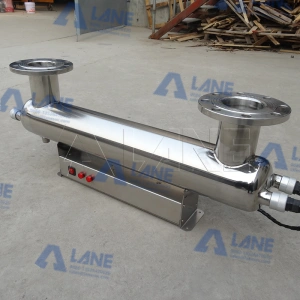
Equipment Used: Ultraviolet (UV) Sterilizer
UV sterilizers:
This step ensures that the final liquid fertilizer is microbiologically safe for sensitive hydroponic systems.
After sterilization, the solution enters the formulation stage, where mineral salts and organic extracts are blended to meet exact hydroponic ratios.
Equipment Used: Mixing Tank
A mixer provides:
Operators fine-tune:
In hydroponic liquid fertilizer production, this blending stage is the “brain” of the operation. Every formula—whether A/B stock solution, micro-element solution, or organic concentrate—must be consistent batch after batch.
Once mixed, the liquid fertilizer needs to rest to ensure chemical stability.
Equipment Used: Stainless Steel Storage Tank
These tanks are:
The tanks are typically equipped with:
Level sensors
Temperature controls
Internal mixers to prevent precipitation
High-quality storage is a hallmark of professional hydroponic liquid fertilizer production.
The final solution is pumped into bottles, drums, or IBC containers.
Equipment Used: Automatic Filling Machine
Features include:
Containers range from:
500 mL retail bottles
5–25 L commercial containers
100–1000 L IBC tanks for industrial farms
Proper packaging ensures stability and ease of use for hydroponic growers.
High-tech hydroponic factories demand consistency. They require nutrient solutions that:
This is why hydroponic liquid fertilizer production has become a specialized industry rather than a simple mixing process.
Professional factories provide:
Hydroponic operations depend on these benefits to achieve predictable yields and continuous year-round production.
When building or upgrading a hydroponic liquid fertilizer production line, choosing the right machinery supplier is essential. This is where LANE stands out.
LANE offers:
20+ years of experience manufacturing fertilizer machinery in China
A professional engineering team capable of designing complete liquid and solid fertilizer production lines
Support from project planning to installation, training, and troubleshooting
Full compliance with ISO 9001 and CE international quality standards
Specialization in fertilizer production lines, NPK lines, organic fertilizer machines, and compound fertilizer equipment
Factory-direct pricing with professional technical services
Whether customers need fermentation tanks, mixing systems, dual filters, UV sterilizers, or large-scale stainless steel storage tanks, LANE provides reliable solutions with long service life and low maintenance costs.
LANE is committed to ensuring that every production line operates smoothly, efficiently, and economically—making it a trusted partner for hydroponic liquid fertilizer production.
Hydroponic agriculture continues to grow as global food demand increases and farmland becomes scarce. Behind every successful hydroponic farm is a precisely engineered nutrient solution created through professional hydroponic liquid fertilizer production. With specialized equipment—mixing tanks, fermentation reactors, UV sterilizers, filters, and storage systems—factories can deliver consistent, clean, nutrient-rich solutions for vertical farms, greenhouse pipelines, and indoor plant factories.
Manufacturers like LANE ensure that fertilizer producers have the tools, technology, and support needed to succeed in this fast-expanding industry. As soilless cultivation continues to advance, high-quality liquid fertilizer will remain the foundation of its success.
For more details, please feel free to contact us.
Henan Lane Heavy Industry Machinery Technology Co., Ltd.
Email: sales@lanesvc.com
Contact number: +86 13526470520
Whatsapp: +86 13526470520
Leave a Comment
Latest Posts
LANE has more than 500 successful cases and is committed to providing customers with first-class solutions, high-end machinery and equipment, and one-stop pre-sales, sales and after-sales comprehensive customer service.