

Why Every Organic Fertilizer Producer Needs Humic and Fulvic Acid Processing Units: A Complete Production Line from LANE Heavy Industry
In modern agriculture, consumers and farmers both prioritize sustainability, soil health, and crop quality. In today’s market, standard organic fertilizer is not enough to meet the demands of modern, competitive farmers. Staying ahead means adopting the latest technologies that maximize efficiency and product quality. One of the most advanced sustainable fertilizer technologies available today is humic and fulvic acid processing units. Humic and fulvic acids are natural compounds. For organic fertilizer manufacturers looking to stay competitive, investing in dedicated humic and fulvic acid processing units is a strategic choice.
This article explores LANE Heavy Industry’s state-of-the-art production line that can transform organic raw materials into humic and fulvic acid.
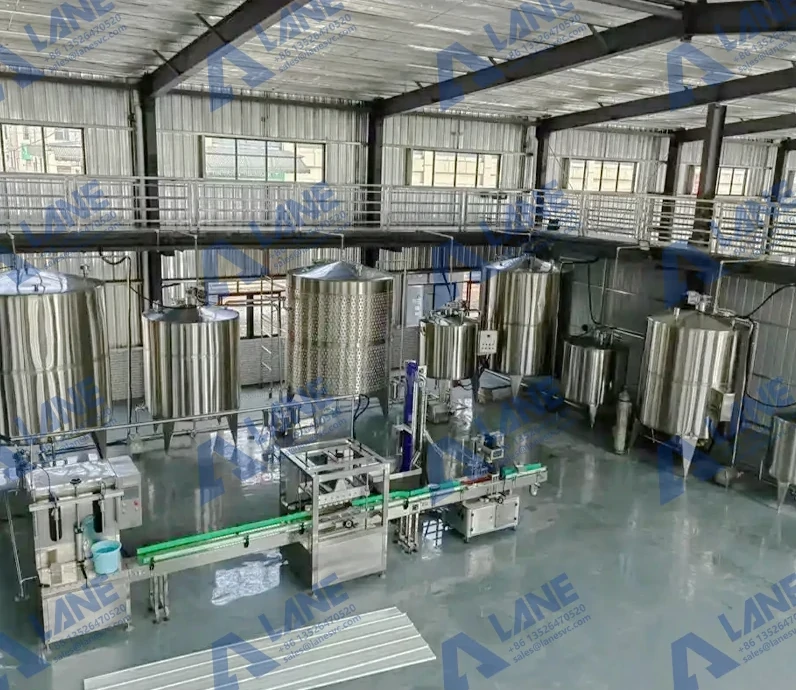
Table of Contents
Humic and fulvic acids are natural organic compounds that enhance soil fertility, nutrient absorption, and crop resilience. They are often extracted from leonardite, lignite, or peat. The demand for humic and fulvic acid fertilizers has skyrocketed. To harness the full potential of these compounds, humic and fulvic acid processing units are necessary. For organic fertilizer producers, this represents a significant opportunity. However, simply blending raw humic powder with fertilizer is inefficient. To unlock the potential of highly-soluble and bioactive fulvic acid, you need specialized humic and fulvic acid processing units that can chemically convert and purify these raw materials. Investing in high-quality humic and fulvic acid processing units from LANE Heavy Industry will help you achieve your goal.
Owning your own humic and fulvic acid processing units offers several advantages over relying on external sources:
To capitalize on this opportunity, you need a partner with proven expertise. Henan LANE Heavy Industry Machinery Technology Co., Ltd. has over 20 years of experience in the fertilizer industry. We offer customized solutions for integrating humic and fulvic acid into your existing fertilizer production plant. We provide a full “turnkey” service, from process design to installation.
Here is how LANE’s production line transforms raw material into gold-standard organic inputs:
Raw Material Pre-treatment
The first step of the production is preparing the raw materials. Whether you are using lignite, peat, or even agricultural waste, the material must be uniform in size.
Core Extraction & Processing
This is the heart of the operation, where raw coal is converted into bioactive humic and fulvic acids.
Finished Product Shaping & Packaging
Once processed, the liquid concentrate can be dried and formed into a market-ready product.
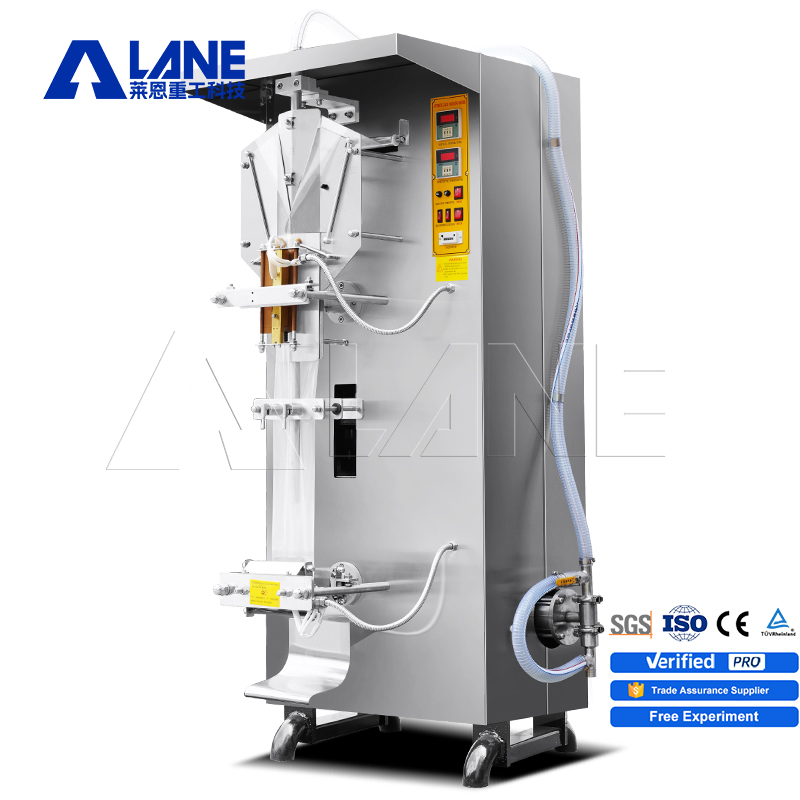
Choosing LANE for your humic and fulvic acid processing units means investing in durability and innovation:
Q1: What raw materials can these processing units handle?
A: LANE’s humic and fulvic acid processing units are versatile. They are optimized for traditional sources like lignite (brown coal) and weathered coal, but can also be adapted for peat, leonardite, and even renewable sources like lignin derivatives from the paper industry.
Q2: How does adding humic acid affect the granulation process?
A: Humic acid is an organic material with different binding properties than inorganic salts. It can make granulation more challenging. However, LANE’s advanced rotary drum granulators and double-roller extruders are adaptable. By precisely controlling the binder and process parameters, they ensure stable, high-strength granule formation.
Q3: Does the drying process destroy the humic acid?
A: No, not if managed correctly. Humic substances can degrade at very high temperatures. LANE’s drying systems are engineered with precise temperature control (typically keeping drying air below 120°C) to preserve the bioactivity and chemical structure of the humic and fulvic acids.
Q4: Why can’t I just dry-blend humic powder with my finished granules?
A: Dry blending leads to segregation. During transport and handling, the lighter humic powder will separate from the heavier fertilizer granules. This results in an inconsistent product where some plants get too much additive and others get none. Integrated humic and fulvic acid processing units that utilize co-granulation ensure that every single granule is a homogeneous compound, delivering consistent value.
Q5: What kind of after-sales support does LANE provide?
A: LANE is committed to being a long-term partner. They offer a full range of services, including installation guidance, worker training, and a reliable supply of spare parts. As a company dedicated to “serving customers with dedication,” they ensure your production line operates smoothly for years to come.
The future of organic farming lies in smarter, more efficient inputs. For any organic fertilizer producer aiming to remain competitive, humic and fulvic acid processing units are essential. These units help you enhance product quality, reduce production costs, ensure consistency, diversify your product range, and support sustainability. With LANE Heavy Industry’s advanced machinery, producers can achieve higher efficiency, better product quality, and sustainable growth. From precision crushing to gentle drying and granulation, LANE provides the complete solution to help you turn raw potential into premium profit.
For more details, please feel free to contact us.
Henan Lane Heavy Industry Machinery Technology Co., Ltd.
Email: sales@lanesvc.com
Contact number: +86 13526470520
Whatsapp: +86 13526470520
Leave a Comment
Latest Posts
LANE has more than 500 successful cases and is committed to providing customers with first-class solutions, high-end machinery and equipment, and one-stop pre-sales, sales and after-sales comprehensive customer service.