
How Integrated Equipment Helps Produce Water-Soluble Fertilizers
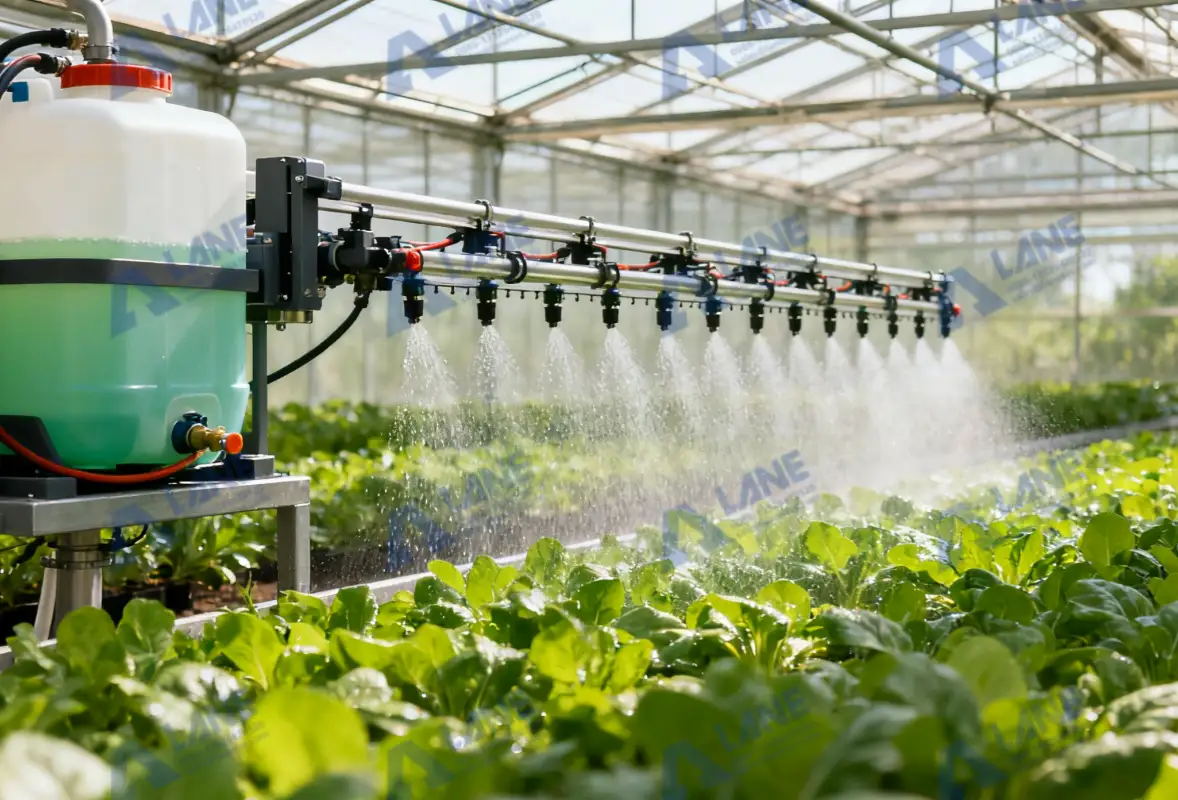
Many farmers now prefer fertilizers that dissolve easily in water because they are quick to apply and fit well with spray systems and drip irrigation. To make these liquid fertilizers reliably and safely, factories use a line of machines that work together from raw material to final pack. When a production line is set up well, it is much easier to produce water-soluble fertilizers that farmers can use right away without dealing with lumps or blockages.
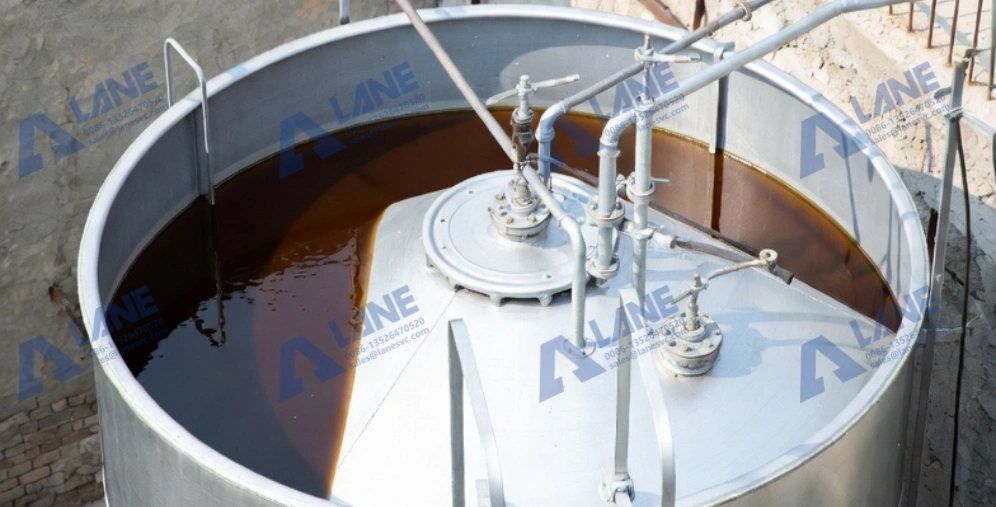
The first step to produce water-soluble fertilizers is to store and handle raw materials properly. Factories use storage tanks and small hoppers for powders, liquids, and trace elements. Good storage prevents contamination and keeps ingredients ready for mixing. Simple conveyors and dosing devices move raw items into the mixing area on time, which helps the entire line run smoothly and makes it possible to produce water-soluble fertilizers with steady quality.
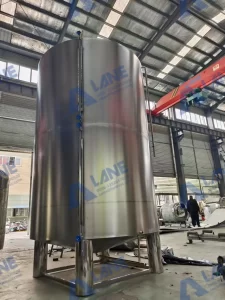
Dissolving tanks and mixing tanks are at the heart of liquid fertilizer production. These tanks gently mix powders and liquids with water until everything dissolves evenly. Some tanks have slow paddles for gentle stirring, while others use faster mixers for tougher materials. The goal is to get a clear, even liquid that won’t settle or separate later. Proper mixing is essential if you want to produce water-soluble fertilizers that work well in sprayers and drip systems.
Some recipes need a bit of heat to dissolve ingredients faster, and some need an acid or an alkali to reach the right acidity (pH). Heating tanks and pH adjustment tanks are used when needed, but kept simple so operators can control temperature and acidity easily. This step helps the mixture stay stable during storage and use, so producers can safely produce water-soluble fertilizers that keep their nutrients available to plants.
After mixing, liquids often pass through filters to remove any undissolved bits or dust. Filter units and simple clarifiers make the solution clean and clear. Clean fertilizer reduces the chance of clogging pumps, pipes, or nozzles in the field. By removing rough particles before packing, producers can produce water-soluble fertilizers that are safe for sensitive irrigation equipment.
Some liquid fertilizers benefit from a homogenizer or fine inline mixer. These machines make the tiny particles and droplets the same size so the product feels smooth and works reliably. Homogenizing also helps keep ingredients from separating over time. With this final blend step, factories can better produce water-soluble fertilizers that remain uniform from the first pour to the last.
After the product is ready, metering pumps and blending lines control how much of each batch goes into storage or packaging. Larger tanks hold finished fertilizer before it moves to filling machines. Simple level sensors and basic controls help operators know when tanks are full or need more product. This organized flow makes it easy to plan runs and helps companies produce water-soluble fertilizers in the volumes customers need.
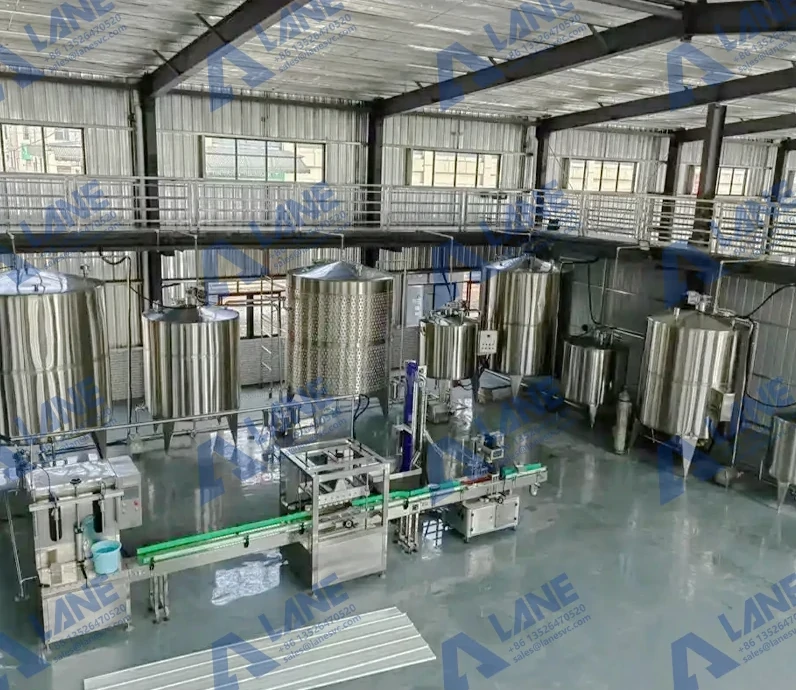
Filling machines, capping units, and bagging or drum-filling systems finish the process. For liquid fertilizers, accurate filling is important so customers get the right amount and bottles or drums don’t leak. Packing lines may also include labeling and batch coding so users know what they have and when it was made. These final steps ensure producers can produce water-soluble fertilizers that reach farms cleanly and ready to use.
Even without complex automation, small sensors, timers, and digital readouts help a lot. Quick tests on pH, concentration, and clarity make sure each batch meets the standard before packing. Basic checks stop bad batches early and reduce waste. Using these tools allows a plant to consistently produce water-soluble fertilizers that match buyer needs and avoid field problems.
Lane Company offers a set of ready solutions and support to help businesses build lines to produce water-soluble fertilizers. Lane provides reliable dissolving and mixing tanks, easy-to-use filters and homogenizers, accurate metering pumps, and dependable filling machines. The company focuses on user-friendly controls, durable construction, and quick service, so plants have less downtime. Lane also helps design the flow from raw material to package, suggesting simple changes that improve safety and lower cost. With these strengths, Lane helps customers produce water-soluble fertilizers faster, with better quality, and with less worry about equipment problems.
For more details, please feel free to contact us.
Henan Lane Heavy Industry Machinery Technology Co., Ltd.
Email: sales@lanesvc.com
Contact number: +86 13526470520
Whatsapp: +86 13526470520
Leave a Comment
LANE has more than 500 successful cases and is committed to providing customers with first-class solutions, high-end machinery and equipment, and one-stop pre-sales, sales and after-sales comprehensive customer service.