
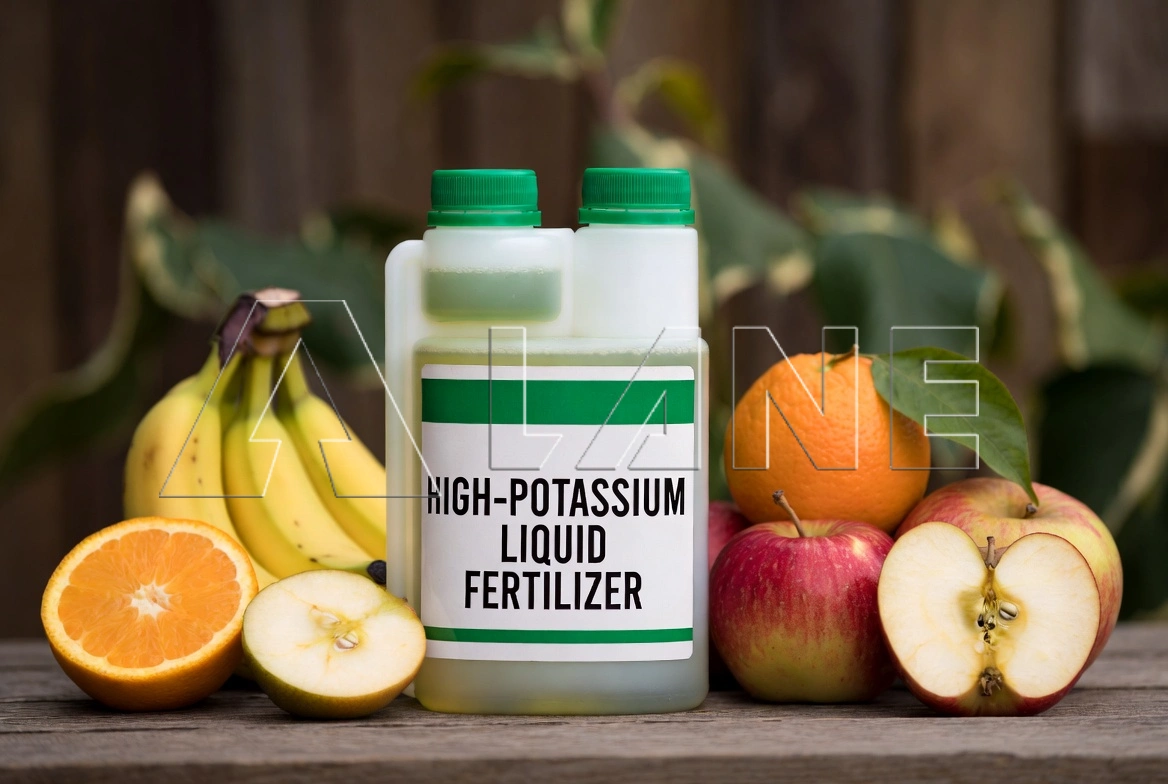
High-Potassium Liquid Fertilizer for Fruit Ripening Guide
High-potassium liquid fertilizer for fruit ripening has become an important tool for modern fruit growers. When fruits enter the final growth stage, their nutritional needs change. At this time, potassium demand increases significantly. If the supply is not enough, fruit quality will suffer.
Many farmers focus heavily on nitrogen during early growth. That makes sense for leaf and branch development. But during ripening, too much nitrogen can reduce sugar accumulation and delay coloring. This is why high-potassium liquid fertilizer for fruit ripening is widely recommended during the last 4 to 8 weeks before harvest.
Field data shows that potassium demand during ripening can increase by about 25% to 35% compared to the fruit expansion stage. In citrus and grape production, proper potassium supplementation often increases Brix by 1–2 degrees. Even a small increase like this can significantly improve selling price.
Liquid fertilizer makes this change easier. Because nutrients are already dissolved, plants can absorb them quickly. Under drip irrigation, growers often see visible improvement in fruit color within one week.
Fruit ripening is a complex process. Sugar moves from leaves into the fruit. Pigments develop. Acidity slowly decreases. Texture becomes softer and more appealing.
Potassium supports sugar transport inside the plant. It also activates important enzymes related to carbohydrate metabolism. When potassium is sufficient, fruits tend to be sweeter and more evenly colored.
Potassium also strengthens cell structure. This helps reduce fruit cracking and improves shelf life during storage and transportation. For export-oriented farms, this can reduce rejection rates.
High-potassium liquid fertilizer for fruit ripening supports all these changes in a controlled way.
To make this more practical, the table below shows common application ranges used in commercial orchards. These numbers are typical field references. Actual dosage should always be adjusted based on soil testing and crop condition.
| Crop Type | Application Stage | Potassium Concentration in Irrigation Water | Application Frequency | Average Brix Increase |
| Citrus | 6 weeks before harvest | 250–350 ppm | Once per week | 1.2–1.8° |
| Grapes | Color change stage | 200–300 ppm | Every 7–10 days | 1.0–2.0° |
| Apples | 5 weeks before harvest | 220–320 ppm | Once per week | 0.8–1.5° |
| Mango | Fruit enlargement to ripening | 250–400 ppm | Every 7 days | 1.5–2.2° |
These values show that high-potassium liquid fertilizer for fruit ripening is typically applied in moderate but consistent concentrations. Over-application is not recommended. Balanced feeding gives better and safer results.
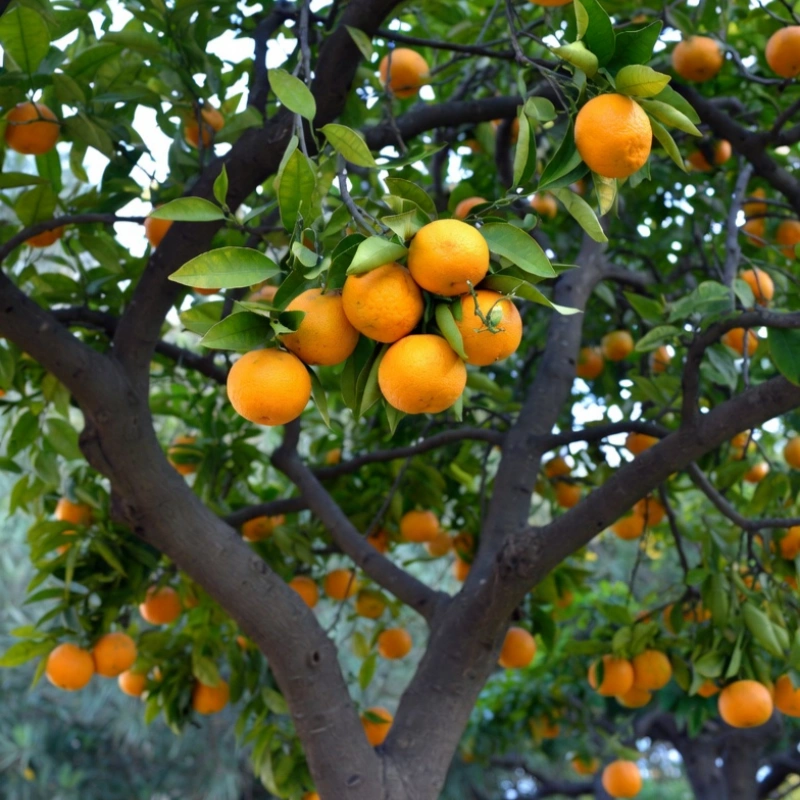
Traditional solid fertilizers dissolve slowly. During ripening, growers often need a faster response. Liquid fertilizer is more flexible.
When used in fertigation systems, nutrient efficiency can reach over 80%. This means more potassium reaches the root zone directly. It also allows uniform distribution across the orchard.
Another advantage is control. Growers can adjust concentration easily. If weather conditions change or fruit maturity accelerates, feeding programs can be modified quickly.
High-potassium liquid fertilizer for fruit ripening is especially suitable for orchards with drip irrigation systems, greenhouse fruit production, and high-density planting.
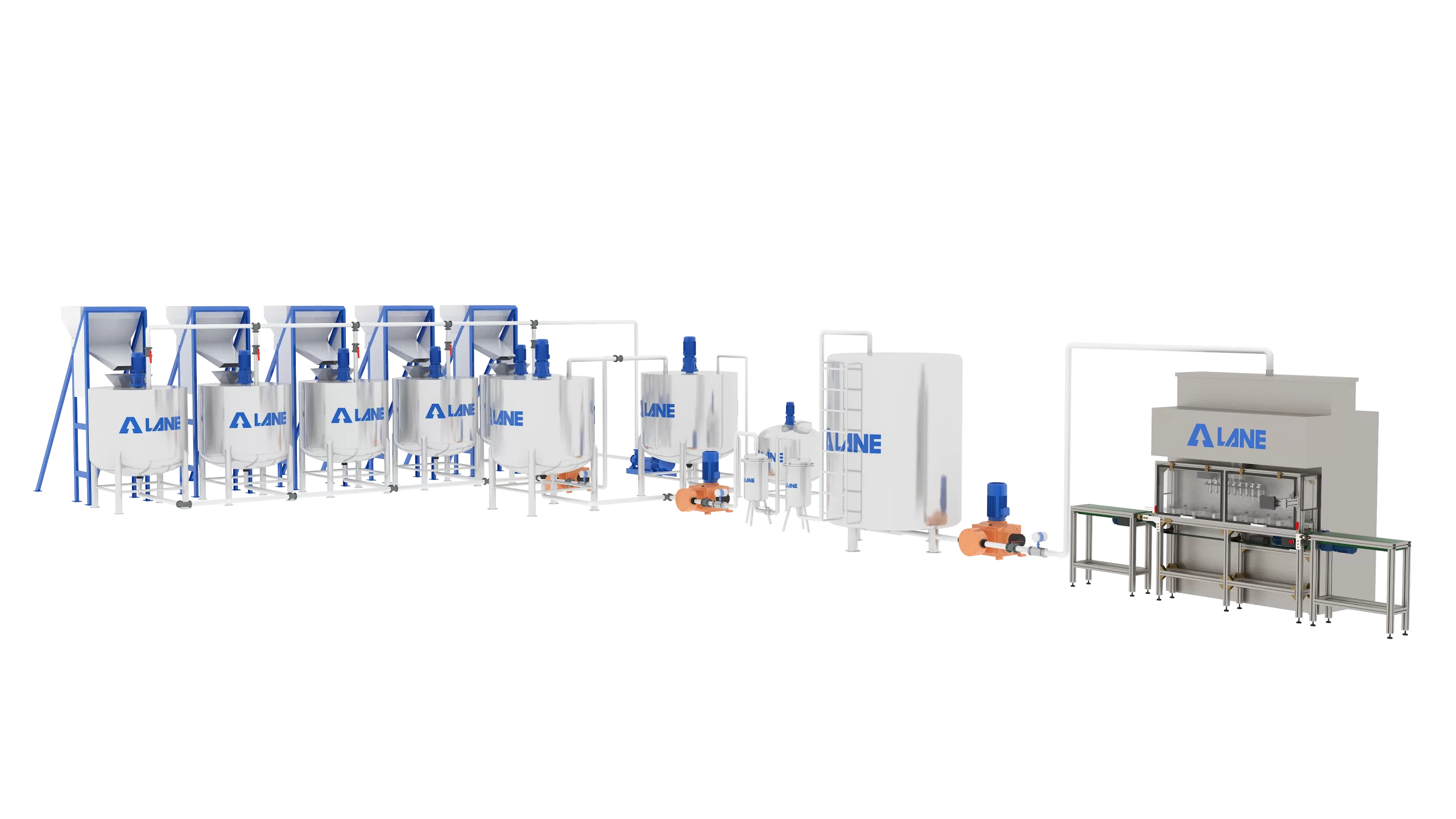
Producing stable high-potassium liquid fertilizer for fruit ripening requires proper mixing and controlled formulation.
The main raw materials are fully water-soluble potassium salts such as potassium nitrate or potassium sulfate. A typical liquid formulation contains 20%–40% K₂O depending on the product design.
The most important factor in production is complete dissolution. Any undissolved particles may cause sediment or clog irrigation systems later.
A professional production line ensures stable quality and consistent output.
The process usually starts with a stainless steel dissolving tank. These tanks are commonly made from SUS304 or SUS316 material to prevent corrosion. Capacity can range from 1 cubic meter for small factories to 10 cubic meters or more for larger plants. An agitator running at around 60–100 rpm ensures uniform mixing. Mixing time is typically 20–30 minutes per batch.
After dissolution, the solution moves to a mixing reactor equipped with a PLC automatic control system. This system manages raw material dosing, mixing speed, and pH control. Keeping pH between 5.5 and 6.5 helps maintain product stability.
Filtration is the next important step. A stainless steel filtration system with 50–100 micron precision removes impurities and ensures the final product is clean. This protects customers who use drip irrigation systems.
Finally, the fertilizer is packed using an automatic filling machine. Depending on the configuration, filling capacity usually ranges from 800 to 2000 bottles per hour with accuracy within ±0.5%.
A complete production line may produce from 1 ton per hour in small-scale operations up to 5–10 tons per hour in industrial plants.
In a commercial citrus orchard, growers applied high-potassium liquid fertilizer for fruit ripening during the final six weeks before harvest. Before adjustment, average Brix was about 9.8 and color was not fully uniform.
After consistent weekly fertigation at approximately 300 ppm potassium concentration, Brix increased to around 11.5. Fruit color improved significantly and export acceptance rate increased. The grower also reported better storage stability.
While results depend on local conditions, this example shows how controlled potassium supplementation can improve fruit quality in a measurable way.
With over 20 years of experience in fertilizer equipment manufacturing, we specialize in complete liquid fertilizer production lines, including systems designed for high-potassium liquid fertilizer for fruit ripening.
We provide customized solutions based on your production capacity and plant layout. Our equipment is manufactured under ISO9001 quality management standards and meets CE certification requirements.
We handle the full process, from project design and equipment manufacturing to installation and commissioning. We also provide technical training and long-term after-sales service. Whether you need a 1 ton per hour pilot system or a 10 ton per hour industrial line, we can design the right dissolving tanks, mixing reactors, filtration systems, and automatic filling machines for your project.
Our focus is stable production, reliable quality, and efficient operation.
High-potassium liquid fertilizer for fruit ripening is a practical and effective solution for improving fruit sweetness, color, and overall market value. It works especially well with modern fertigation systems and allows precise nutrient management during the most critical growth stage.
For fertilizer manufacturers, investing in a professional liquid fertilizer production line ensures consistent product quality and strong market competitiveness. With proper formulation and reliable equipment, high-potassium liquid fertilizer for fruit ripening can become a valuable product in today’s agricultural industry.
For more details, please feel free to contact us.
Henan Lane Heavy Industry Machinery Technology Co., Ltd.
Email: sales@lanesvc.com
Contact number: +86 13526470520
Whatsapp: +86 13526470520
Leave a Comment
Latest Posts
LANE has more than 500 successful cases and is committed to providing customers with first-class solutions, high-end machinery and equipment, and one-stop pre-sales, sales and after-sales comprehensive customer service.