
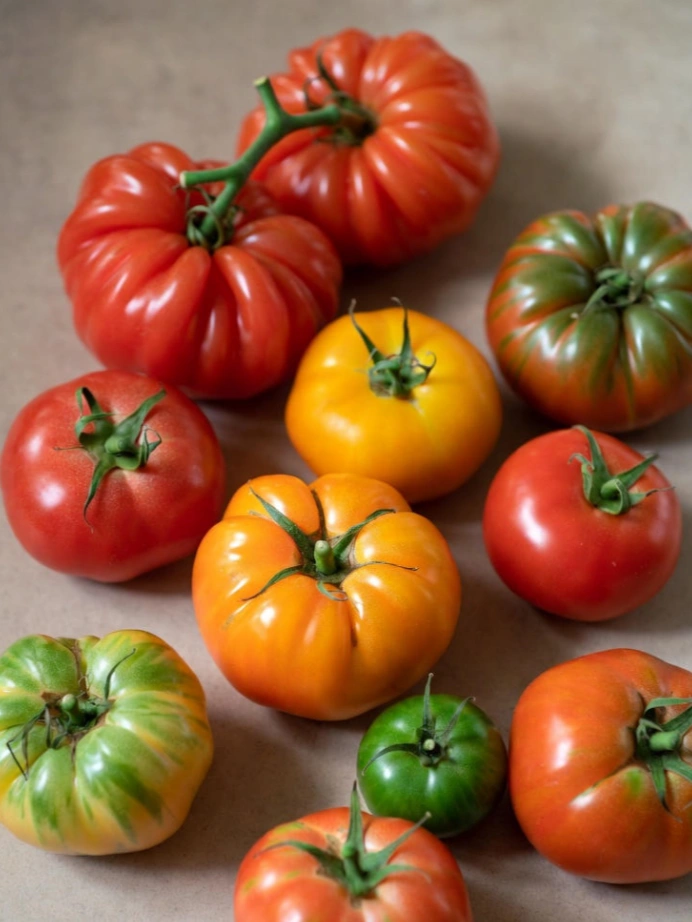
How Fulvic Acid Organic Liquid Fertilizer Production for Tomatoes is Changing the Landscape of Sustainable Farming
Table of Contents
Sustainable agriculture is no longer just a buzzword; it has become mainstream. Farmers are now striving to balance high crop yields with environmental stewardship. As consumers demand healthier and chemical-free produce, fulvic acid organic liquid fertilizer production for tomatoes has emerged as an eco-friendly solution. Traditional chemical fertilizers deplete soil health, pollute water sources, and harm beneficial microorganisms. Fulvic acid organic liquid fertilizer is rich in oxygen-containing functional groups that enhance nutrient absorption, improve soil structure, and boost plant resilience. This makes it ideal for tomato cultivation.
Fulvic acid organic liquid fertilizer production for tomatoes uses fulvic acid as raw material. It is a natural organic polymer found in soil. With the advanced manufacturing technologies from LANE Heavy Industry, fulvic acid organic liquid fertilizer production for tomatoes has become more efficient, scalable, and accessible to farmers and agribusinesses.
Fulvic acid naturally occurs in organic compounds produced by the decomposition of plant and microbial residues. Fulvic acids have smaller molecular weight and are soluble across all pH conditions, making them bioavailable to plants.
Why Tomatoes Respond Exceptionally Well to Fulvic Acid
Tomatoes are one of the most consumed vegetables and one of the world’s most cultivated crops. Fulvic acid application delivers the following benefits for tomato plants:
LANE Heavy Industry has designed and engineered a manufacturing solution that transforms raw organic materials into high-quality fulvic acid liquid fertilizer. Our production line is the result of experimentation and improvement. We create customizable and modular design principles.
Raw Material Sourcing and Preparation
The quality of fulvic acid organic liquid fertilizer production for tomatoes is determined by the raw material selection. LANE’s systems are optimized for various carbon-rich organic sources:
The Complete Manufacturing Process
LANE’s production line for fulvic acid organic liquid fertilizer production for tomatoes is as follows:
Step 1: Pre-treatment of Raw Materials: Raw materials first enter the crusher where they are reduced to 80–200 mesh fineness. This increases the surface area for subsequent chemical reactions. Vibrating screeners then remove impurities to ensure feedstock homogeneity.
Step 2: Alkaline Solubilization Extraction: The crushed materials are then mixed with alkali solutions (typically KOH) in corrosion-resistant reaction vessels equipped with variable-frequency stirrers.
Step 3: Solid-Liquid Separation: High-efficiency solid-liquid separators separate the extracted mixture. The humates proceed to the next stage. The filtered cake can be repurposed as soil conditioning.
Step 4: Oxidation and Degradation: This is the core of LANE’s fulvic acid organic liquid fertilizer production for tomatoes system. Oxidizing agents are metered into specialized oxidation reactors. The key advantages of the system are:
Step 5: Acid Precipitation and Secondary Separation: The oxidized solution adjusts to pH 1–2, precipitating fulvic acid. High-speed tube centrifuges or precision filter presses obtain high-purity wet fulvic acid cake.
Step 6: Liquid Formulation: Fulvic acid is blended with water and natural nutrients to create a liquid fertilizer suitable for tomatoes.
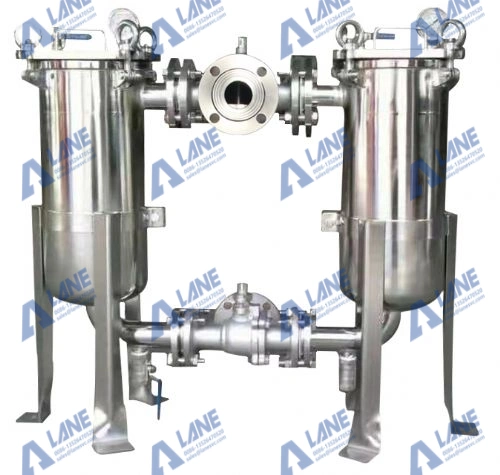
Step 7: Filtration & Homogenization: Ensures a smooth, consistent product free from impurities.
Step 8: Packaging & Storage: The fertilizer is packaged in containers suitable for transport and application.
Why LANE’s Technology Stands Out
Investing in LANE’s fulvic acid organic liquid fertilizer production for tomatoes line offers distinct advantages:
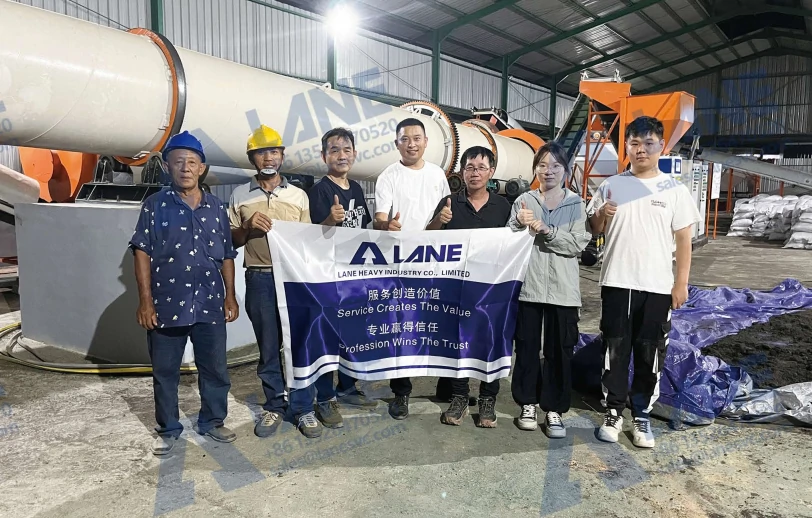
The goal of fulvic acid organic liquid fertilizer production for tomatoes is to deliver quality crops and enhance soil structure.
Root Development and Nutrient Efficiency
Fulvic acid increases the nutrient uptake capacity of the tomato plant. Fulvic acids facilitate this through:
Yield Improvements
Fulvic acid increases tomato yield by 35%. It is primarily increased through fruit number rather than individual size.
Quality Parameters
Beyond quantity, fulvic acid organic liquid fertilizer production for tomatoes supports premium quality attributes:
These qualities help growers achieve better market prices, extended shelf life, and enhanced nutritional value for consumers.
Understanding proper application is essential for growers investing in fulvic acid organic liquid fertilizer production for tomatoes. This liquid fertilizer supports multiple delivery methods:
Soil Application (Base Dressing)
Apply directly to the soil before planting or during early development. Soil applications improve root zone conditions and provide sustained benefits throughout the growing season. Recommended rates for tomatoes range from 1 kg per decare (approximately 0.1 hectare) in furrow irrigation applications.
Foliar Application
Fulvic acid’s small molecular weight enables easy passage through cell membranes. This makes foliar application highly effective. Spray concentrations of 100–150 grams per 100 liters of water are recommended during:
Fertigation Systems
For soilless production, fulvic acid can be integrated seamlessly into solution management. It can be used effectively with other organic or chemical fertilizers.
Q1: What makes fulvic acid different from humic acid?
Fulvic acids have smaller molecular weights and remain soluble at all pH levels, unlike humic acids which precipitate below pH 2. This makes fulvic acids more bioavailable and effective for direct plant uptake, which is why they are widely used in fulvic acid organic liquid fertilizer production for tomatoes to improve nutrient absorption and support healthy crop growth.
Q2: How much does a fulvic acid organic liquid fertilizer production for tomatoes line cost?
LANE Heavy Industry provides customized quotations based on production capacity requirements. Their modular designs accommodate budgets from small-scale operations to industrial facilities producing tens of thousands of tons annually.
Q3: Can I use fulvic acid with other fertilizers?
Yes. Fulvic acid is compatible with most fertilizers and can enhance their efficiency through chelation. It can also be mixed with non-alkaline pesticides for synergistic effects.
Q4: How often should I apply fulvic acid to tomatoes?
Research supports applications at key growth stages: nursery (2 applications), early development, flowering, and fruit development. Frequency can be adjusted based on soil conditions and crop response.
Q5: Is fulvic acid approved for organic farming?
Yes. Fulvic acid derived from natural sources like peat, leonardite, or agricultural waste through mechanical and biological processes qualifies for organic production systems.
Q6: What raw materials work best for fulvic acid organic liquid fertilizer production for tomatoes?
High-quality lignite, weathered coal, and peat are excellent choices. Agricultural waste streams like straw and rice husks also show promise when properly processed, and they can even be used as raw materials in fulvic acid organic liquid fertilizer production for tomatoes when suitable extraction and processing technologies are applied.
Q7: How long does it take to set up a production line?
LANE’s turnkey approach ensures efficient deployment. Typical timelines range from equipment manufacturing (4-8 weeks) through installation and commissioning (2-4 weeks), depending on facility readiness.
Q8: Can I produce both liquid and granular fulvic acid products?
Yes. LANE’s modular production lines can be configured to produce liquid concentrates, water-soluble powders, or granular products, offering flexibility for different market segments
For more details, please feel free to contact us.
Henan Lane Heavy Industry Machinery Technology Co., Ltd.
Email: sales@lanesvc.com
Contact number: +86 13526470520
Whatsapp: +86 13526470520
Leave a Comment
Latest Posts
LANE has more than 500 successful cases and is committed to providing customers with first-class solutions, high-end machinery and equipment, and one-stop pre-sales, sales and after-sales comprehensive customer service.