
The Complete Cycle: From Commercial Production to Harvest with Fulvic Acid Organic Liquid Fertilizer for Vegetables
Table of Contents
Fulvic acid organic liquid fertilizer for vegetables is derived from natural humic substances. It has changed how growers approach soil health and plant nutrition. It has become a cornerstone product for high-quality, high-yield farming. It delivers balanced nutrition, enhances nutrient absorption, strengthens plant immunity, and improves soil structure.
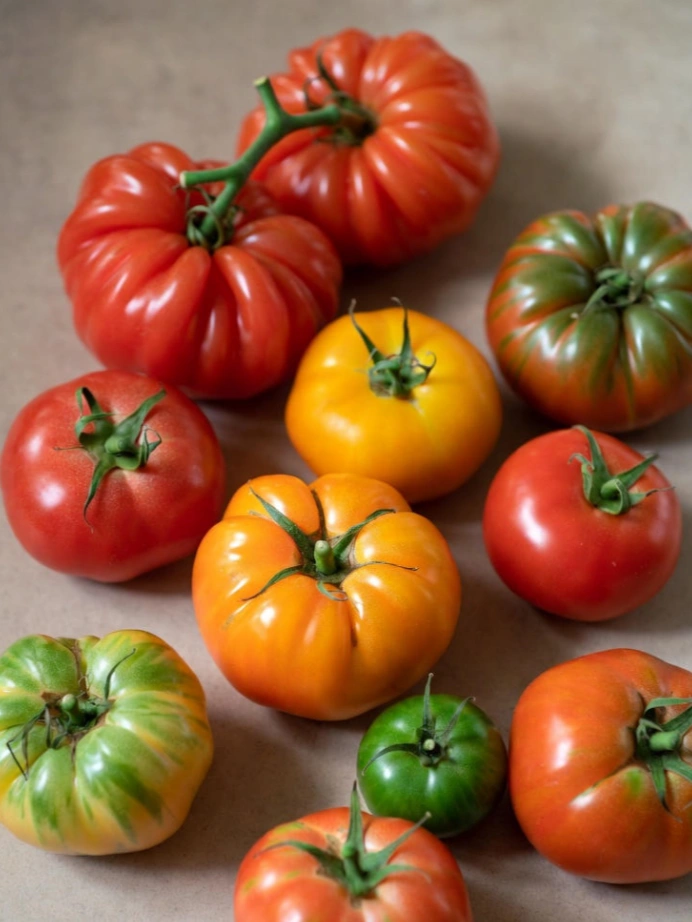
Vegetable crops such as lettuce, tomatoes, cucumbers, peppers, and root vegetables all benefit greatly from fulvic acid organic liquid fertilizer for vegetables. It acts as a natural biostimulant which accelerates growth, improves taste, extends shelf life, and reduces disease and stress damage. This article traces the complete cycle of fulvic acid organic liquid fertilizer for vegetables with help from LANE Heavy Industry Machinery Technology Co., Ltd.
Raw Material Sourcing and Preparation
The journey of high-quality fulvic acid organic liquid fertilizer for vegetables begins with raw material selection. LANE designs the production facilities to be able to process multiple raw material options. Among the raw materials, lignite and weathered coal are the most common and cost-effective sources. These materials contain the humic precursors necessary for fulvic acid extraction.
The production line initiates with sophisticated pretreatment equipment:
Core Extraction and Oxidation Process
LANE Heavy Industry brings precision engineering to the extraction and oxidation stages. The process is:
Alkaline Solubilization Extraction: Crushed raw materials enter alkali-resistant reaction vessels. In here, they are mixed with potassium hydroxide (KOH) solution. LANE’s reactor features variable frequency stirrers and temperature control jackets which can maintain 60–90°C.
Oxidation/Degradation: This is the critical transformation step where humates convert to plant-available fulvic acid. LANE’s oxidation reactors offer several technological advantages:
The oxidation step determines the final molecular weight and bioactivity of the product. Lower molecular weight fulvic acid penetrates plant tissues more effectively.
Solid-Liquid Separation and Purification
After oxidation, the solution undergoes acid precipitation (adjusting pH to 1–2). This causes fulvic acid to precipitate. LANE uses filter presses to separate the high-purity wet fulvic acid cake from the mother liquor.
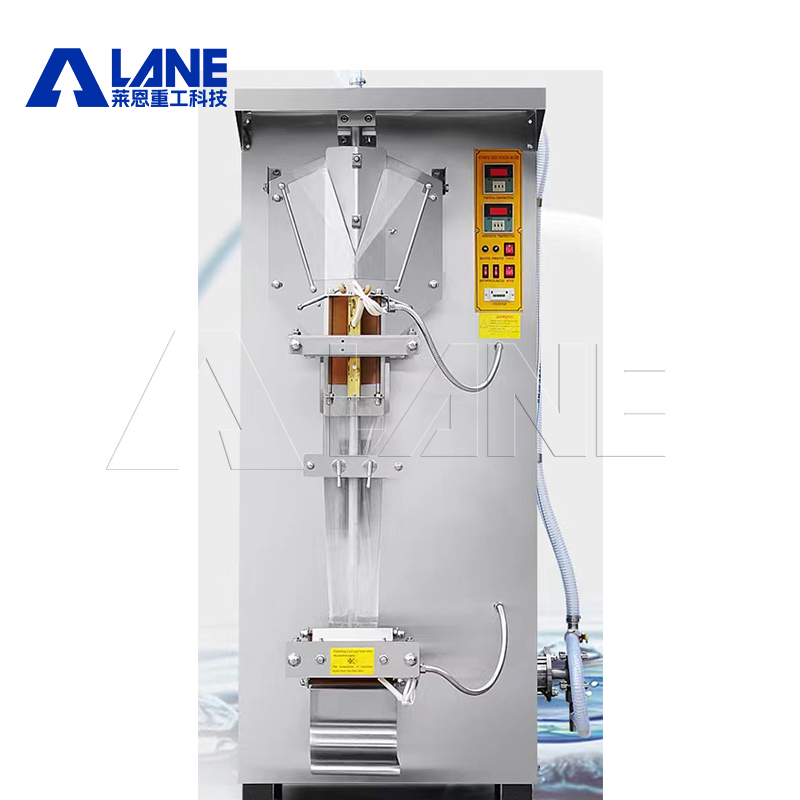
The final liquid formulation involves dissolving the purified fulvic acid cake into stable liquid concentrates. Commercial products typically contain 8% fulvic acid with specific gravity around 1.06 and pH ranging from 3.5–4.5. LANE automatic packaging machines ensure consistent filling.
We also give a 5-year warranty and we have CE/ISO certifications which guarantee quality standards.
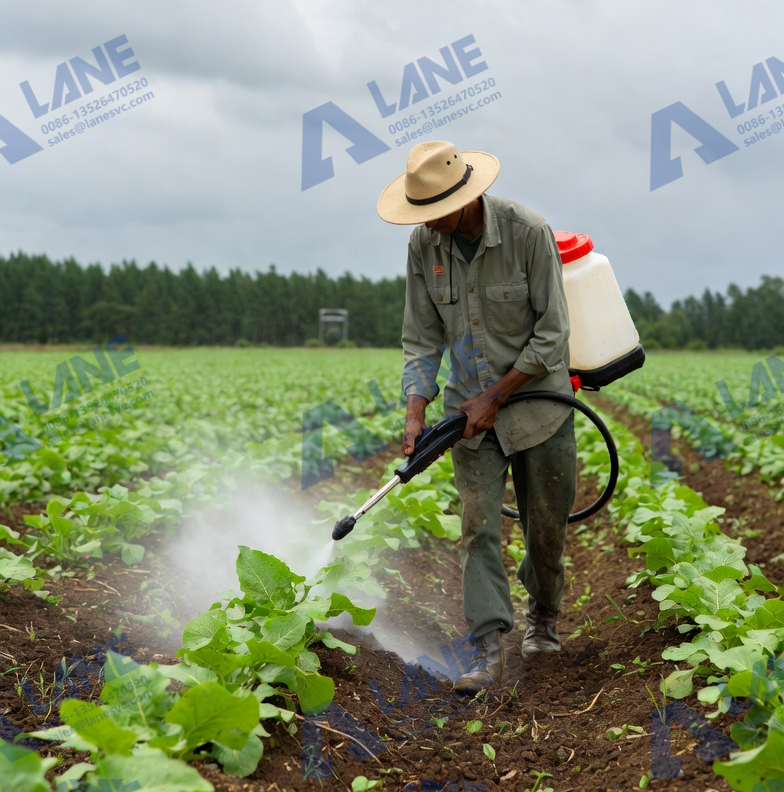
The fulvic acid organic liquid fertilizer for vegetables is used on farms and in gardens. Understanding the application techniques is essential for maximizing return on investment.
Foliar Spray Application Guidelines
Foliar application directly delivers fulvic acid to leaf surfaces. It can rapidly penetrate cuticles and enter plant metabolism. For vegetable crops, recommended rates are:
Fertigation and Soil Drenching
Soil application through irrigation systems delivers fulvic acid organic liquid fertilizer for vegetables directly to the root zone. Here it performs multiple functions:
The recommended fertigation rate ranges from 3–5 L/ha for horticultural vegetables, applied weekly. For greenhouse vegetable production, 2000–2500 cc/ha is recommended. Apply before planting and throughout the growth period at 20-day intervals.
Optimal Timing Throughout the Growing Cycle
Proper timing can maximize the benefits of fulvic acid organic liquid fertilizer for vegetables.
The result of the usage of fulvic acid organic liquid fertilizer for vegetables comes at harvest time. Growers consistently report:
Enhanced Nutrient Uptake and Efficiency: Fulvic acid’s low molecular weight and high cation exchange capacity allow it to mix with other nutrients. It keeps them plant-available.
Improved Yield and Quality: Regular application of fulvic acid organic liquid fertilizer for vegetables increases yield and quality. The biostimulant effects include:
Stress Tolerance: Vegetables treated with fulvic acid show resilience to environmental stresses. It helps plants manage water stress by controlling stomatal opening. This drought-protection mechanism is particularly valuable in unpredictable climate conditions.
Q1: What exactly is fulvic acid organic liquid fertilizer for vegetables?
A: Fulvic acid organic liquid fertilizer for vegetables is a concentrated biostimulant derived from natural humic substances like lignite or weathered coal. It contains low-molecular-weight organic acids that chelate nutrients, stimulate plant metabolism, and improve soil biology.
Q2: How is fulvic acid different from humic acid?
A: Fulvic acid has a lower molecular weight and higher oxygen content than humic acid, making it more soluble and biologically active. It penetrates plant tissues more readily and chelates nutrients more effectively.
Q3: Can I use fulvic acid organic liquid fertilizer for vegetables with other inputs?
A: Yes, fulvic acid organic liquid fertilizer for vegetables is compatible with most fertilizers and pesticides. However, always perform a jar test to check compatibility before large-scale mixing, and avoid combining with strongly alkaline materials.
Q4: What vegetables benefit most from fulvic acid application?
A: All vegetables respond positively, including tomatoes, peppers, cucumbers, leafy greens, root crops, and fruiting vegetables. The product enhances nutrient uptake in all plant types.
Q5: How often should I apply fulvic acid organic liquid fertilizer for vegetables?
A: For optimal results, apply weekly during active growth periods through foliar sprays or fertigation. Many growers include it with every nutrient application.
Q6: What is LANE Heavy Industry’s role in fulvic acid production?
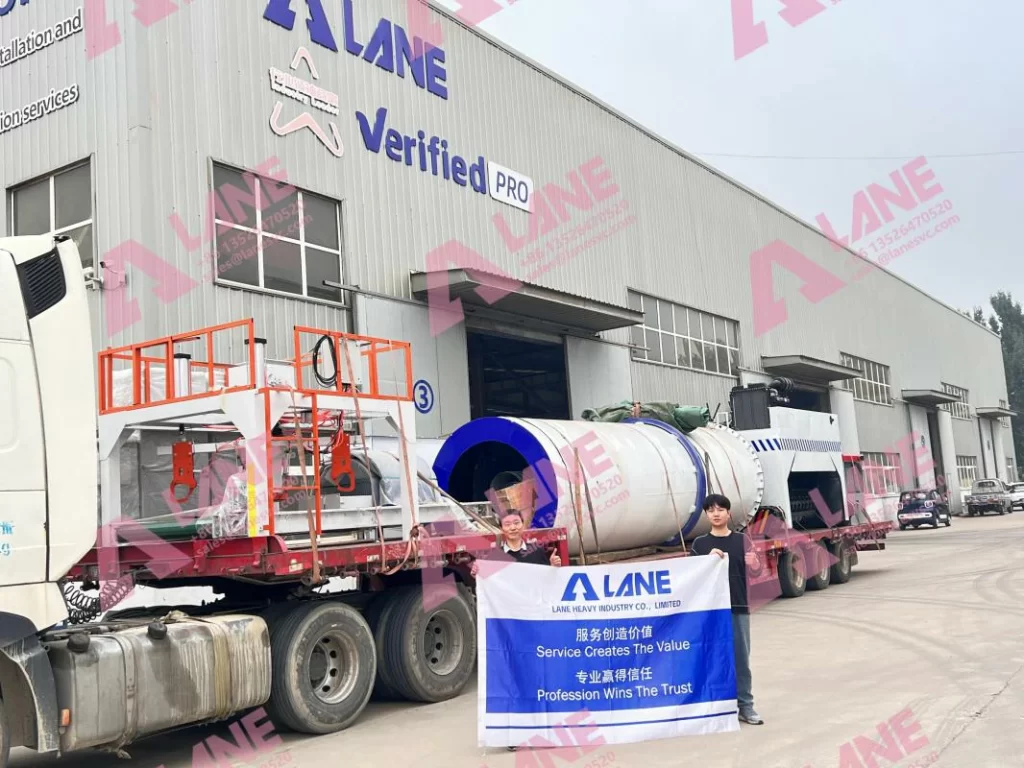
A: LANE Heavy Industry manufactures complete production lines for fulvic acid organic liquid fertilizer for vegetables, including crushing equipment, reaction vessels, oxidation systems, separation units, and packaging machinery. They offer turnkey solutions from plant design to installation.
For more details, please feel free to contact us.
Henan Lane Heavy Industry Machinery Technology Co., Ltd.
Email: sales@lanesvc.com
Contact number: +86 13526470520
Whatsapp: +86 13526470520
Leave a Comment
Latest Posts
LANE has more than 500 successful cases and is committed to providing customers with first-class solutions, high-end machinery and equipment, and one-stop pre-sales, sales and after-sales comprehensive customer service.