
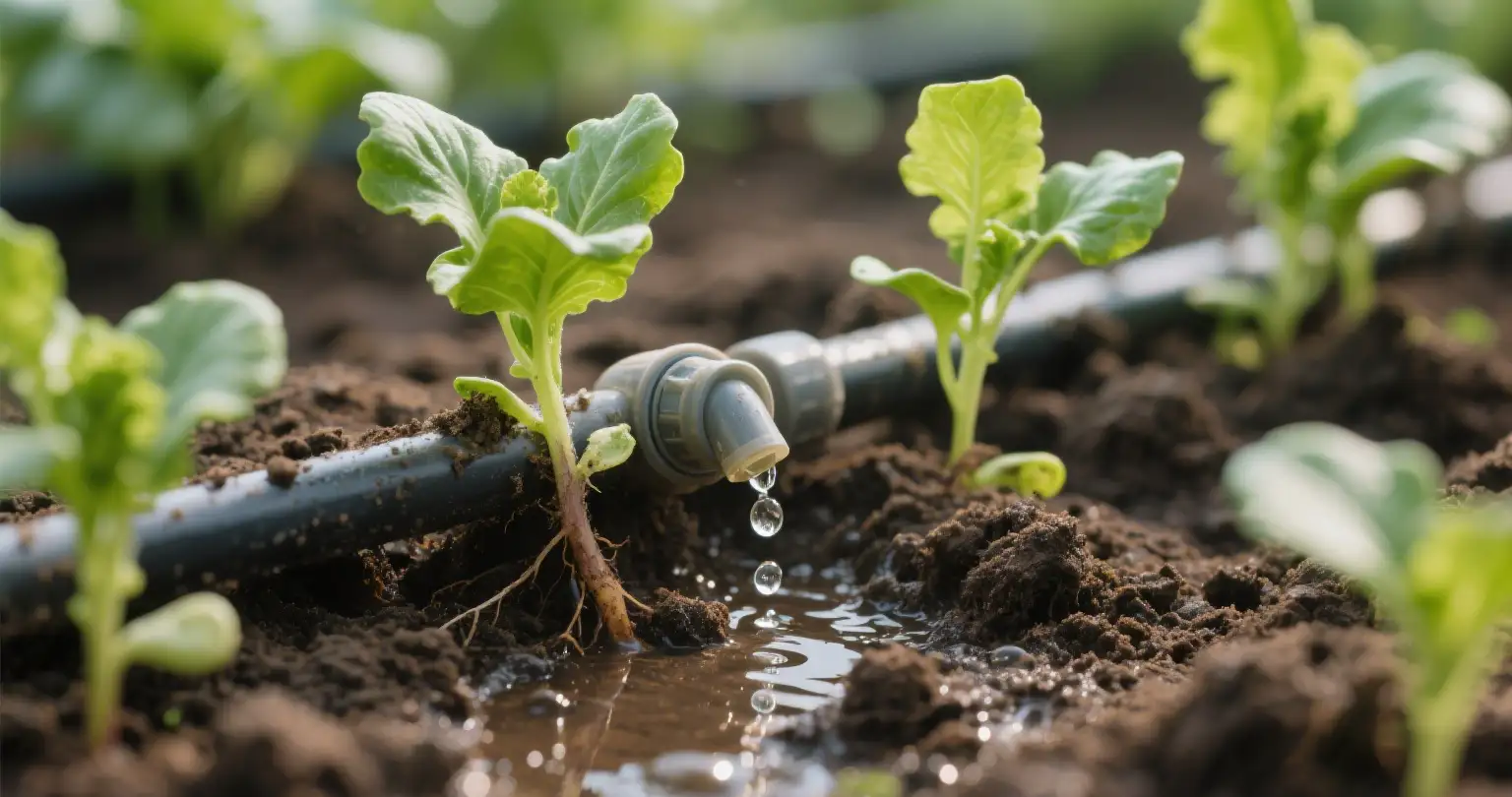
Lignite Amino Acid Liquid Fertilizer: How It Really Works
In recent years, a remarkable shift has happened in organic and mineral-based fertilizers. Farmers and manufacturers are turning toward lignite amino acid liquid fertilizer production as a smarter, greener, and more profitable pathway for upgrading low-cost raw materials into high-efficiency plant nutrition.
But why lignite?
Lignite—sometimes called “brown coal”—is one of nature’s richest sources of humic substances. Its high humic acid content makes it a powerful soil conditioner. When combined with amino acids, it creates a synergistic effect that enhances nutrient uptake, boosts microbial activity, and improves soil structure.
This combination is so effective that the market around lignite amino acid liquid fertilizer production is expanding faster than almost any other segment in liquid fertilization.
Traditional liquid fertilizers rely mostly on soluble inorganic nutrients. In contrast, fertilizers produced through lignite amino acid liquid fertilizer production integrate organic matter (lignite humic substances) with biologically active amino acids.
This creates a “biological nutrient vector” with several powerful functions:
Chelation of nutrients
Humic acids bind nutrients and make them more available to plant roots.
Improved absorption efficiency
Amino acids act as natural carriers helping plants absorb and metabolize nutrients more quickly.
Soil structure enhancement
Lignite-based organic matter increases soil porosity and water-holding capacity.
Stress tolerance
Amino acids help plants resist heat, drought, and transplant shock.
The scientific advantage of combining lignite and amino acids is one of the main reasons lignite amino acid liquid fertilizer production has become a critical topic in fertilizer manufacturing.
This article focuses specifically on the industrial process and equipment required for lignite amino acid liquid fertilizer production.
We consider the following context:
Raw materials: lignite (high humic acid content) + amino acids (enzymatic or hydrolyzed source)
Production scenario: factory-scale continuous liquid fertilizer manufacturing
Goal: Produce stable, high-nutrient liquid fertilizer suitable for drip irrigation, foliar spray, and fertigation
Below is the step-by-step process widely used in modern factories.
Step 1: Lignite Activation & Milling
Raw lignite typically contains humic macromolecules with limited solubility. Industrial machinery is used to enhance reactivity.
Equipment used:
Reduces lignite particle size for better extraction.
Activation reactor
Heat, agitation, or alkaline activation improves humic acid solubility.
This stage is vital because the efficiency of lignite amino acid liquid fertilizer production depends directly on how well lignite is activated.
Step 2: Humic Substance Extraction
Activated lignite is fed into an alkaline extraction tank.
Typical machinery:
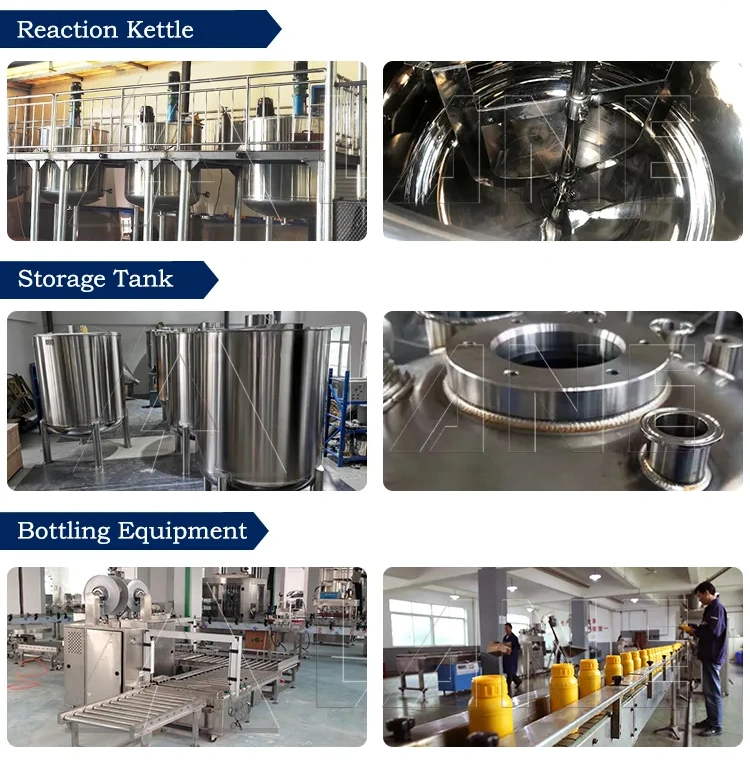
Large-scale extraction reactors
Stirring and heating systems
Automated pH control devices
Humic acids dissolve into a concentrated alkaline solution. This humic extract becomes the major carrier in the final fertilizer product.
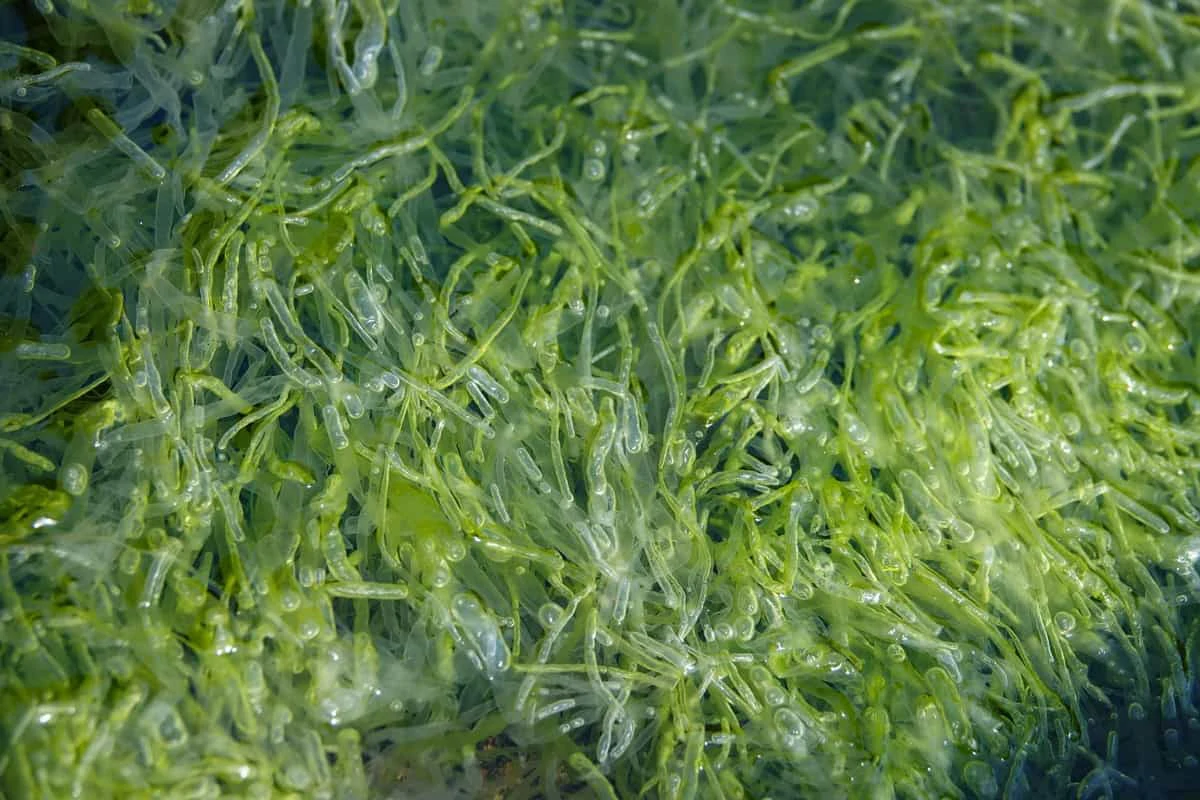
Step 3: Amino Acid Integration
The extracted humic liquid is pumped into a mixing and chelation reactor where amino acids are added.
The reaction requires:
Controlled temperature
Uniform shear mixing
Accurate dosing pumps
This is the stage where synergy is formed—the heart of lignite amino acid liquid fertilizer production. Amino acids bind with humic molecules, forming stable complexes that benefit plant absorption.
Step 4: Nutrient Fortification (Optional)
Depending on the final formula, additional nutrients—N, P, K or micronutrients like Zn, Fe, Mn—are added.
Equipment used:
Liquid dosing and metering pumps
Automatic microelement feeders
Inline homogenizers
Formulas can be adjusted for greenhouse crops, field crops, orchards, or drip-irrigation systems.
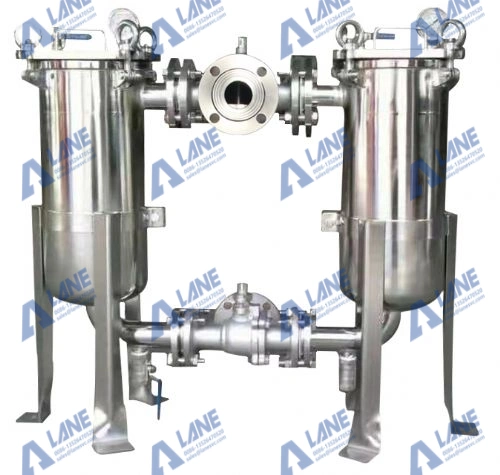
Step 5: Filtration & Purification
To ensure the final liquid is smooth and clog-free:
High-precision dual-filter units
Multi-stage inline filters
Impurity removal systems
This makes it compatible with all irrigation systems.
Step 6: Storage, Cooling, and Stabilization
After filtration, the product enters:
Cooling units
Stabilizer dosing equipment
These prevent precipitation, odor development, microbial growth, or nutrient separation.
Step 7: Automated Packaging
For final distribution, advanced filling lines handle:
Bottles
IBC tanks
Drums
Flexible storage containers
Modern factories do this using:
Automatic liquid filling machines
Weighing and sealing systems
At this point, the lignite amino acid liquid fertilizer production workflow is complete, yielding a high-value, stable, market-ready fertilizer.
The rise of lignite amino acid liquid fertilizer production is not accidental—it solves many modern agricultural problems.
Plants absorb liquid nutrients immediately because they are already dissolved.
No clogging, consistent nutrient distribution.
Humic-amino acid complexes significantly enhance nutrient use efficiency.
Lignite-derived humic substances rejuvenate degraded soils.
Less nutrient loss via leaching or volatilization.
Manufacturers can easily adjust nutrient content for different crops, seasons, and regions.
Any enterprise entering the world of lignite amino acid liquid fertilizer production will need a reliable machinery supplier. LANE stands out for several important reasons.
LANE’s Key Advantages
LANE has been designing, engineering, and manufacturing fertilizer equipment in China for over two decades. This long-term experience ensures technical maturity and reliability.
LANE provides:
Factory layout planning
Mechanical design
Full production line installation
Technical training
After-sales troubleshooting
System upgrades
Once your lignite amino acid liquid fertilizer production facility is running, LANE ensures it stays at peak efficiency.
All equipment is manufactured according to:
ISO 9001 quality system
CE international safety standards
This assures global buyers of consistent quality.
LANE specializes in:
Liquid fertilizer production lines
NPK production lines
Organic fertilizer machines
Compound fertilizer equipment
This makes the company a one-stop supplier.
No middlemen—customers receive both expert engineering and factory-direct pricing.
To visualize an industrial setup, a typical factory includes:
Lignite crushing and activation zone
Humic extraction reactors
Amino acid mixing and chelation system
Nutrient fortification modules
Filtration & clarification systems
Cooling and stabilization tanks
Automated filling & packaging lines
LANE engineers design all sections according to:
plant capacity
raw material characteristics
desired product specifications
environmental regulations
The entire process is fully customizable.
Agriculture is rapidly shifting toward efficiency, precision, and sustainability. The market for lignite amino acid liquid fertilizer production is expected to grow due to:
increasing demand for soil organic matter
improved irrigation systems
reduced chemical input requirements
better root-zone nutrient delivery
farmers’ need for crop resilience under climate stress
As input costs rise globally, more manufacturers are adopting this technology to turn low-cost lignite into high-value fertilizer.
The process of converting lignite and amino acids into premium liquid fertilizer represents a new frontier in sustainable agriculture. With the right machinery—especially from an experienced provider like LANE—businesses can transform raw, inexpensive materials into powerful agricultural solutions.
Through the advanced workflow of lignite amino acid liquid fertilizer production, manufacturers gain:
lower costs
higher product value
better market competitiveness
improved product quality
greater efficiency
And farmers gain stronger crops, faster growth, and healthier soil.
For more details, please feel free to contact us.
Henan Lane Heavy Industry Machinery Technology Co., Ltd.
Email: sales@lanesvc.com
Contact number: +86 13526470520
Whatsapp: +86 13526470520
Leave a Comment
Latest Posts
LANE has more than 500 successful cases and is committed to providing customers with first-class solutions, high-end machinery and equipment, and one-stop pre-sales, sales and after-sales comprehensive customer service.