
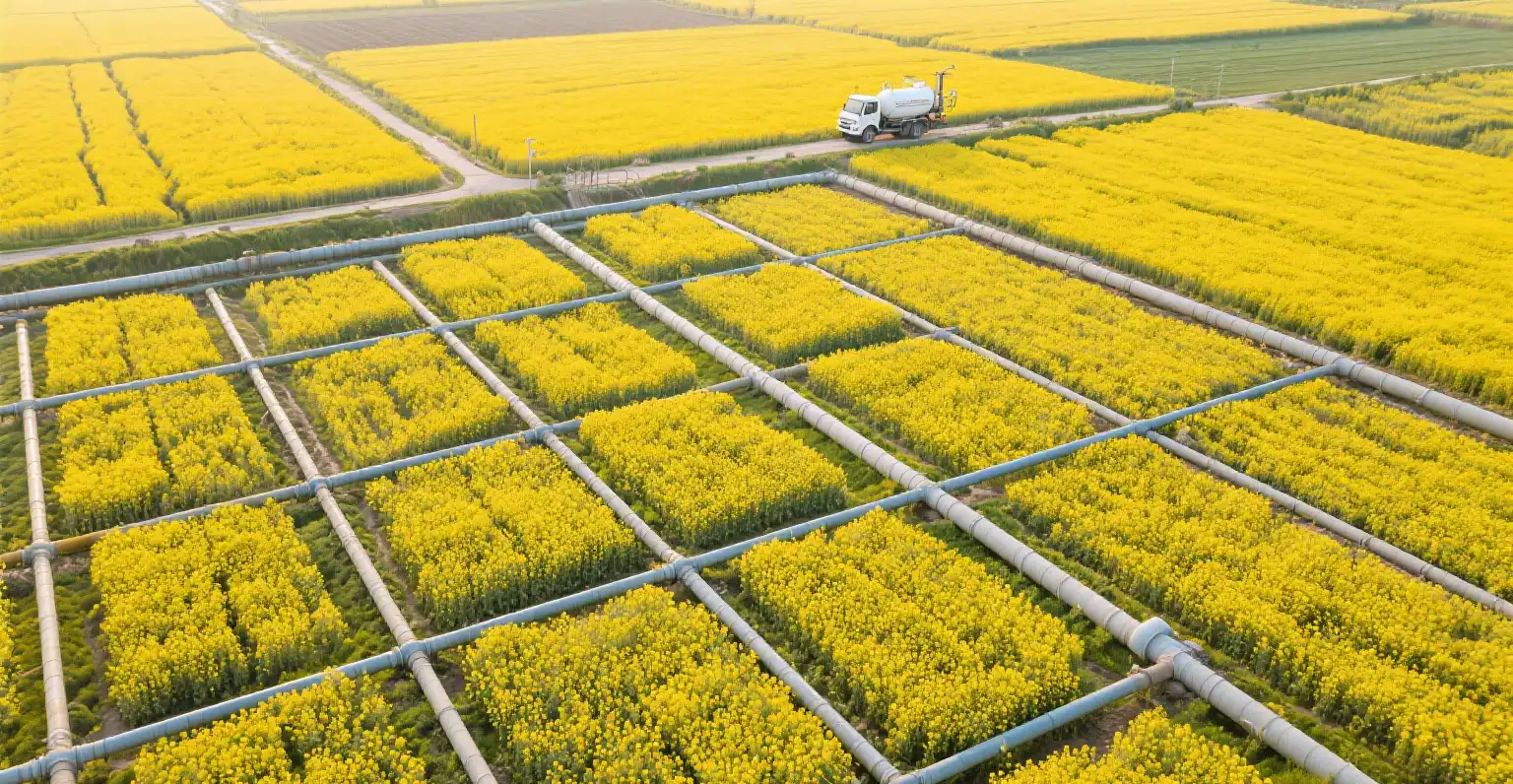
Does Organic Food Use Fertilizer
Does Organic Food Use Fertilizer? This is the question. Organic food is very popular among the health conscious demographics. When consumers think of “organic food” they assume it is grown without any fertilizers. In reality fertilizers are very popular among organic farming specially organic liquid fertilizer. The type, source, and manufacturing of those fertilizers are what make organic agriculture unique. Organic farming avoids using of synthetic chemical inputs and relies on natural, biologically derived fertilizers that promote plant health, make soil healthy and sustain long term agricultural productivity.
Organic food carry a premium price. Understanding how it is cultivated along with the role of fertilizer will help consumer appreciate these products often carry a premium price .
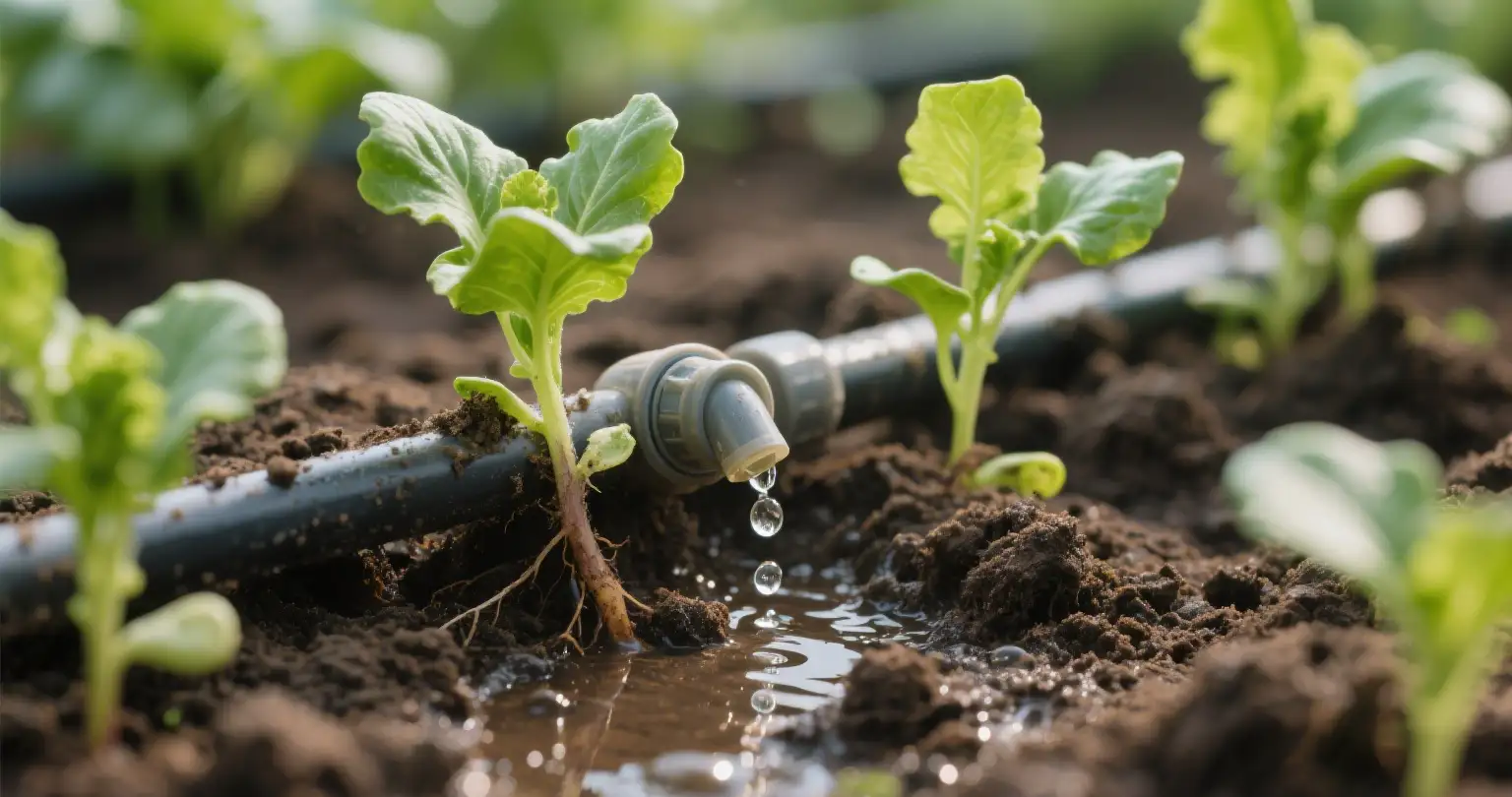
Yes, organic crops use fertilizers. The fertilizers for organic food maintains a strict organic standards. Those fertilizers derived from natural sources and free from any kind of chemically synthesized additives.
The goal of organic farming is not only feed the peoples but also build healthy soil ecosystems. The organic fertilizers not only build healthy soil ecosystems but also enhances microbial activity, and improve soil structure over time.
Organic fertilizers focuses on regenerating the soil which helps the microbial activity in the soil.
Organic fertilizers come in many forms, each with unique characteristics and benefits.
1.Compost
Compost is decomposed organic matter made from plant waste, food scraps, or manure. They can:
Slowly releases nutrients
Improves soil aeration
Enhances moisture retention

2.Animal Manure
They are rich source of nitrogen, phosphorus, and potassium. They increases soil microbial life. Animal manure includes cow dung, poultry manure, sheep manure, and goat droppings.
3.Plant Based Fertilizers
Plant based fertilizers provide micro nutrients and improve plant immunity. They come from natural plant sources like seaweed, alfalfa meal, or neem cake.
4.Organic Liquid Fertilizers
Liquid fertilizers extracted from organic sources like molasses, plant juices, fish protein, or fermented organic waste are very popular among organic farmers. They are easy to use and plants can easily absorb them.
To produce organic liquid fertilizers efficiently and safely, industries use specialized equipment. LANE heavy industry provides stainless steel advanced automated production line that does not require human touch. This ensures consistency, nutrient stability, and large-scale supply for organic farms.
Organic farming aims to provide fresh food without harming the soil. Fertilizers play a major role in this.
Replenishing Soil Nutrients: Organic farms cannot use synthetic nitrogen or chemicals as boosters, if they do its no longer organic product. Instead they use natural fertilizers to supply essential nutrients like nitrogen , phosphorus, and potassium to support plant growth.
Enhancing Soil Structure: Organic matters from organic fertilizers increases soil organic strauctures. which improves texture, aeration, and water-holding capacity
Supporting Soil Microbial Activity: By supporting soil structure organic fertilizers also help build microbial activity in the soil. Making the soil alive. .
Boosting Crop Yield and Quality: Organic fertilizers help boosting the production of the yields. It provide nutrient, ensurescrops grow stronglyandresist pests.
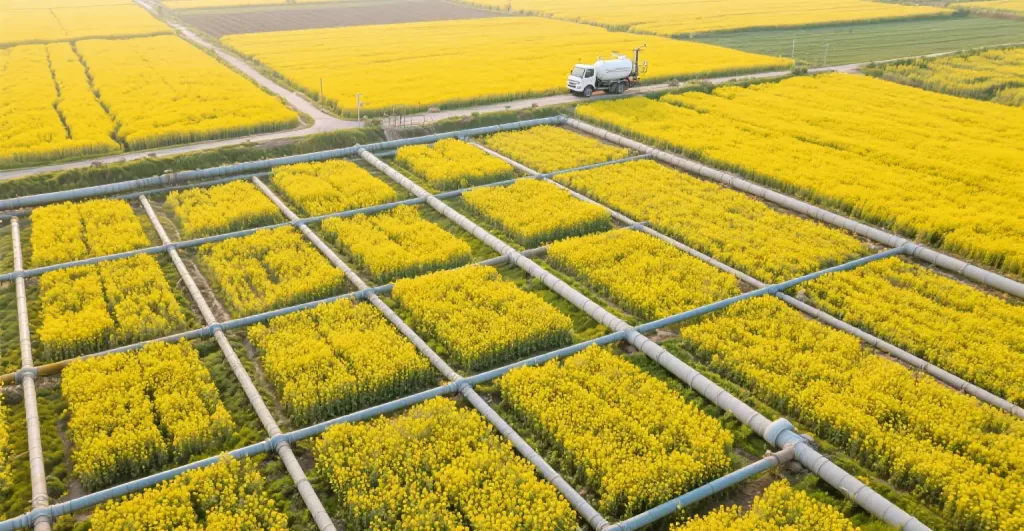
As the organic food becoming popular, many organic farms prefer liquid fertilizers due to their ease of use and rapid absorption ability. Those fertilizers are made using modern technology which allows us closely monitor and control the process without any human touch.
A standard liquid fertilizer production line typically includes:
Raw Material Feeder: Raw materials are first placed into here.
Raw Material Mixing Tank: The first mixing of the raw materials happens here.
Main Mixing Tank: Different batches of raw materials are placed and performs thorough homogenization and controlled fermentation.
Additive Mixing Tank: Adds beneficial microbes
Duplex Filter: Removes impurities and runs continuously.Storage Tank: Holds the finished liquid fertilizer safely.
Automated Filling Machine: Packs fertilizer into bottles or barrels.
Those process all maintain high standards, quality, stable and create nutrient balanced fertilizer that complies with organic certification standards
Cleaner, Safer Produce: Organic fertilizers doesn’t use any chemicals. This reduce the chemical residue risks, making organic food safer and more natural.
Better Soil and increased Productivity: Organic fertilizer restores soil fertility over time. It promotes sustainable production.
Lower Environmental Impact: Organic fertilizers doesn’t pollute waters. Chemical fertilizers has a chance to have chemical runoff.
Healthier Ecosystems: Organic farms maintain biodiversity, foster beneficial insects, and promotesecological balance.
Organic fertilizers contribute to higher production costs. Applying organic fertilizers requires manual labour. This costs along with more careful cultivation methods, are part of why organic food is priced higher then inorganic food.
Organic food farmers uses organic liquid fertilizers to have healthy, testy and delicious food products that asks for premium money. This not only supports sustainable food but its also profitable. Fertilizers are essential for maintaining healthy organic crops, ensuring consistent yields, and meeting growing global demand.
For more details, please feel free to contact us.
Henan Lane Heavy Industry Machinery Technology Co., Ltd.
Email: sales@lanesvc.com
Contact number: +86 13526470520
Whatsapp: +86 13526470520
Leave a Comment
Latest Posts
LANE has more than 500 successful cases and is committed to providing customers with first-class solutions, high-end machinery and equipment, and one-stop pre-sales, sales and after-sales comprehensive customer service.