
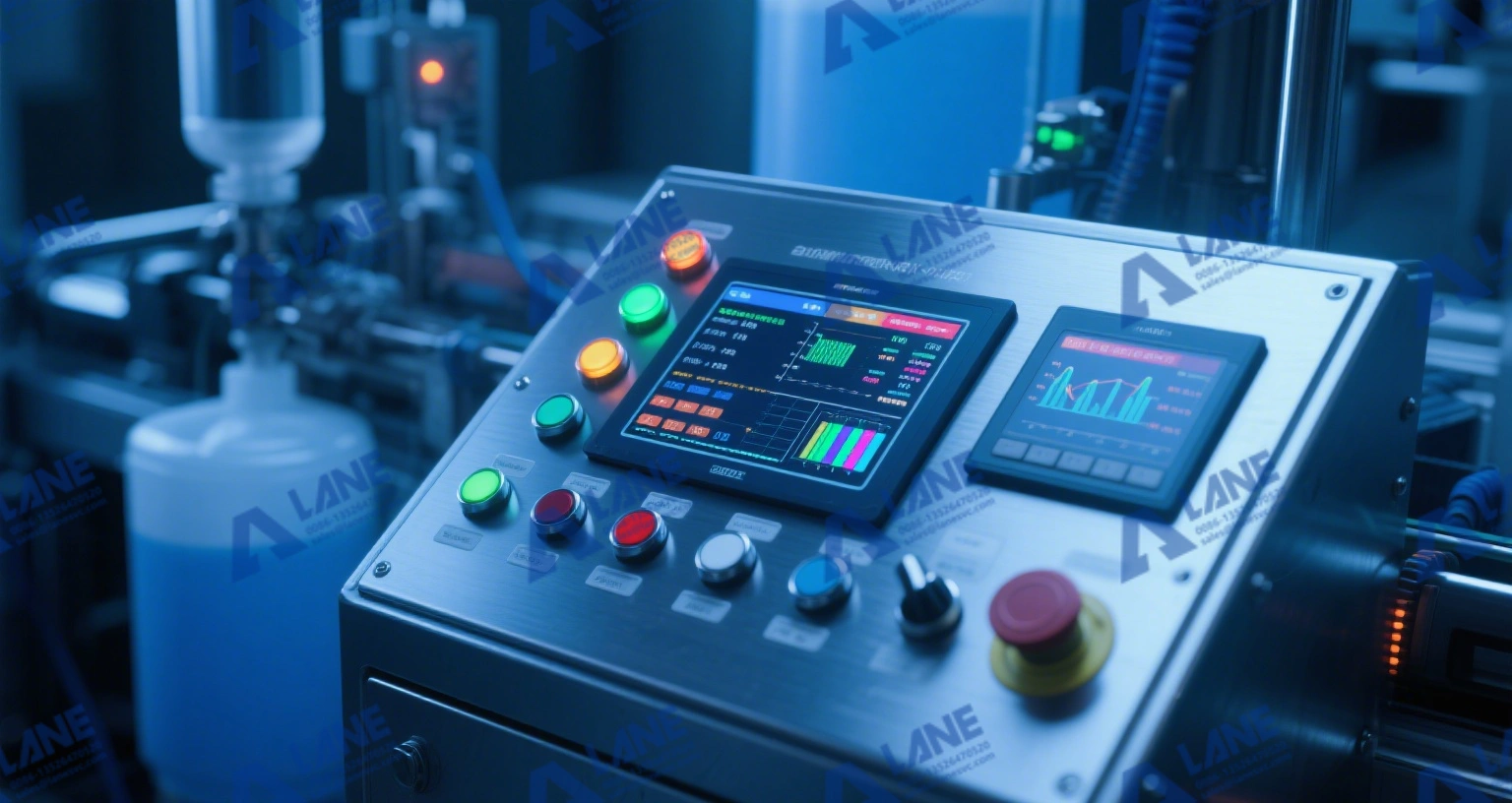
Commercial Liquid Fertilizer Production Line
With increasing global demand for food, the agricultural industry is also increasing. It is moving towards high efficacy, high production farming practices. The liquid fertilizer production line is gaining traction day by day as it offers uniformity, rapid nutrition and easy to use through various irrigation systems. To meet the high demand of liquid fertilizers, commercial liquid fertilizer production line is necessary. The liquid fertilizer production line is a modern fertilizer production line system which is designed for precision, scalability, and efficiency.
This article provides an in-depth exploration of a typical fertilizer production line, examining each critical component in sequence, with a focus on the engineering excellence exemplified by industry leaders like LANE Heavy Industry Co., Ltd.
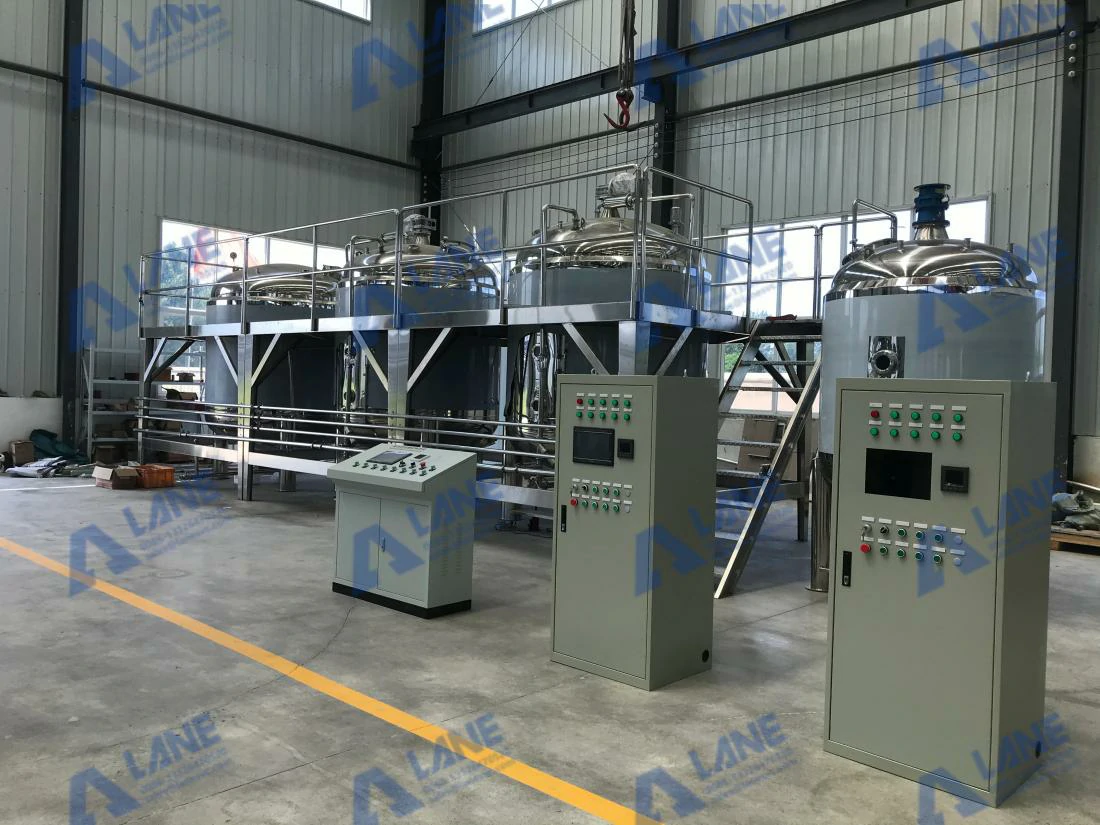
To make commercial liquid fertilizer, it is necessary to select the high quality raw materials. The quality of the end product depends on the raw materials. The raw materials typically include:
Base Nutrients: These provide the primary macro nutrients—Nitrogen (N), Phosphorus (P), and Potassium (K).
Secondary and Micro-nutrients: Elements like calcium, magnesium, sulfur, iron, zinc, manganese, copper, and boron are essential for balanced plant nutrition and are added in soluble forms such as sulfates, chelates, or nitrates.
Water: Water is used to dissolve the raw materials. Purified water is used to make the liquid look more clear and it doesn’t contain any unwanted chemicals. Unpurified water can sometimes cause cloudiness or precipitation.
To create a high quality commercial liquid fertilizer it is best practice to use consistent and high purity raw materials. A reliable production line, such as those engineered by LANE Heavy Industry, is designed to handle a wide variety of raw material consistencies, from pure liquids to soluble powders, ensuring formulation flexibility.
For liquid fertilizer production lines that incorporate solid raw materials or powdered additives, the feeding hopper serves as the critical entry point. LANE dynamic feeding hopper is equipped with weighting and measuring device designed for controlled intake.
Function: The raw material is first placed into the hopper where the hopper temporarily store the raw materials and send the raw material into the mixing tank.
Design Features: To ensure a consistent and uninterrupted flow, hoppers are often equipped with vibrators or screw augers. This is necessary as it prevents material from bridging or arching. This makes the material flowing process smooth and without any blockage. LANE Heavy Industry designs hoppers with optimized angles of repose and surface finishes to facilitate smooth material flow, which is crucial for maintaining the precise ratios required in the final fertilizer formula.
The raw materials from the feeding hopper are moved into the raw material mixing tank. This is the primary dissolution vessel. Solid raw materials are vigorously mixed with water or a base liquid solution. Here raw materials are dissolved into liquid and homogenization process begins.
Agitation System: This tank is equipped with a powerful, customized-speed agitator.
With the help of water, the raw are mixed as water create vortex that ensures all soluble solids are completely dissolved. This agitator makes sure that there every raw inside of the tank is mixed properly and there are no stagnant zones within the tank.
Heating and Cooling:
The commercial liquid production line sometimes contains heating systems that helps with temperature control. Heating and cooling is nessassary for dissolution and degradation of the raw materials. Some materials are easy to dissolve with the heating while some component are sensitive to the heat and needs cooling to prevent the degradation.
Process Control: Sensors for pH, temperature, and density are often integrated into the tank to provide real-time data, allowing operators to make adjustments on the fly and ensure the initial slurry meets precise specifications before moving forward.
4.Mixing Tank
After the initial dissolution, the liquid fertilizers are moved into a secondary mixing tank. This tank acts as a holding tank or surge tank. This allows the liquid solution to stabilize. The main purpose of this tank is to mix different primary liquid solution from different mixing tank. For instance, a nitrogen-potassium solution from the first tank can be blended with a phosphorus solution. This tank ensures that the base nutrients are perfectly homogenous.
5.Additive Mixing Tank
The Additive mixing tank is where different kinds of formula is mixed with the liquid solutions. This stage is for incorporating components that could be degraded or made ineffective by the harsh conditions of the primary mixing process. Creating custom fertilizer formulations happens in this step. Depending on the regional soil and crop, the operator can add various additives. The integration must be done carefully to avoid adverse chemical reactions in the liquid fertilizer.
Stabilizers and Suspending Agents: For suspension fertilizers, agents such as clay are added to preventing the fine solid particles from settiling to the bottom of the container.
Wetting Agents and Surfactants:To reduce the surface tension of the liquid, Wetting agents and Surfactants are added. These compounds reduce the surface tension of the liquid, allowing it to spread more evenly and be absorbed more readily by plant leaves and soil.
Chelating Agents: The chalating agents bind to micronutrients like iron and zinc, forming stable complexes that prevent the nutrients from reacting with other ions in the soil and becoming unavailable to plants. This is a critical step for micronutrient efficacy.
Acids or Bases: acid and bases are used for precise pH adjustments. An optimal pH level ensures nutrient availability and prevents corrosion in the storage and application equipment.
Colorants and Dyes: Added for product identification and to ensure even application in the field.
The mixing process is critical process Slightly mishaps can destroy the product. LANE mixing tank is equipped with precise control system so that operator can easily mix the products without damaging the products.
6. Purification and Quality Assurance: The Duplex Filter
After mixing is completed, the commercial liquid fertilizer is moved to the duplex filter for filtering to ensure the high quality of the liquid fertilizer. The duplex filter is a brilliant piece of engineering that allows for continuous operation. Lane duplex filter has two parallel filter chambers. While one chamber is busy filtering other chamber cleans itself. The chambers are designed to trap any undissolved particles, precipitates, or foreign debris.
When the one of the filter chamber is clogged the liquid fertilizer can be moved into the other chamber. This makes it a continuous operational and suitable for the Commercial Liquid fertilizer . The clogged chamber can then be cleaned or the filter element replaced. This ensures an uninterrupted flow of perfectly clear, contaminant-free liquid fertilizer.
7.Stabilization and Storage
The newly filtered liquid fertilizer then moved into a stainless steel storage tank. This is a critical component of liquid fertilizer production line. The liquid fertilizer needs to stablized before it can be send for packing. The storage tank is very large, which makes them enable to hold a large amount of liquid fertilizers. They are equipped with agitators and are insulated. The agitators moves slowly just enough to maintain homogeneity without introducing excessive shear or air. Any kind of micro-bubbles gets dissolved in this stage. The main chemical engineer test the product at this stage before sending the final product for packing
8.The Final Touch: Automated Packaging
At this stage the commercial liquid fertilizers are moved into packing machine. In this stage the bulk liquid is transformed into market ready product.
Modern filling lines are fully automated and incredibly versatile, capable of handling various container types—from small 1-liter bottles and 5-gallon pails to 20-liter jerricans and 1000-liter IBC totes.
Labeling and Coding: Containers are automatically labeled, and production or batch codes are printed directly onto the container.
This high-speed automation ensures packaging consistency, reduces labor costs, minimizes product loss due to spillage.
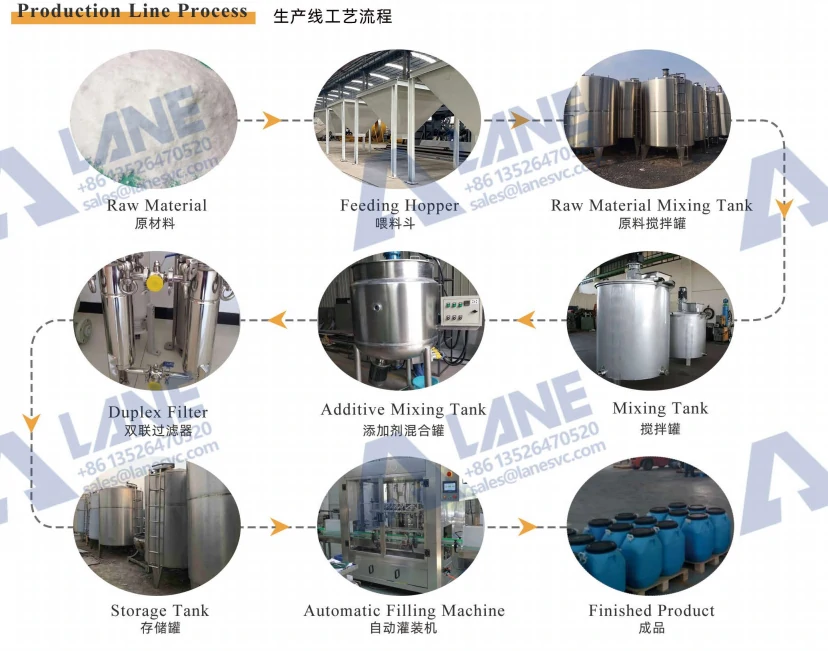
A commercial liquid fertilizer production line is not only a collection of individual machine but also a single organism. This is where the engineering prowess of a company like LANE Heavy Industry Co., Ltd. becomes indispensable. We don’t just supply tanks and filters; We provide a turnkey solution. Ourexpertise lies in:
Material Science: Selecting corrosion-resistant materials like stainless steel (304 or 316L) and specific plastics to withstand the often corrosive nature of fertilizer salts.
Process Engineering: Designing the system for optimal flow, heat transfer, and mixing efficiency, ensuring every batch is identical to the last.
Automation and Control: Integrating a centralized Programmable Logic Controller (PLC) that monitors and controls every parameter—from temperature and pH in the tanks to fill volume and conveyor speed at the packer. This allows for recipe management, data logging, and remote monitoring.
Scalability: Designing lines that can be scaled from pilot plants for R&D to massive, high-volume commercial facilities.
For more details, please feel free to contact us.
Henan Lane Heavy Industry Machinery Technology Co., Ltd.
Email: sales@lanesvc.com
Contact number: +86 13526470520
Whatsapp: +86 13526470520
Leave a Comment
Latest Posts
LANE has more than 500 successful cases and is committed to providing customers with first-class solutions, high-end machinery and equipment, and one-stop pre-sales, sales and after-sales comprehensive customer service.