
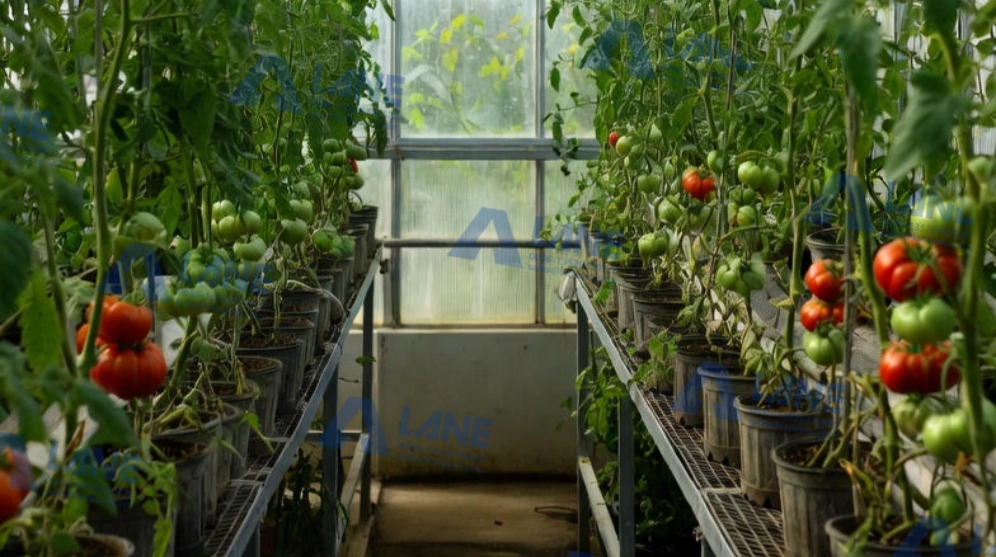
Best Liquid Fertilizer for Greenhouse Tomatoes: Complete Guide to Higher Yield and Quality
Growing tomatoes in a greenhouse is different from growing them in open fields. The environment is controlled. The irrigation is precise. The nutrition must also be accurate. That is why choosing the best liquid fertilizer for greenhouse tomatoes is one of the most important decisions for growers.
Greenhouse tomatoes can produce 25–35 kg per square meter per season under proper management. Some high-tech greenhouses even reach 60 kg/m² annually. But this level of production is only possible with balanced nutrients. The best liquid fertilizer for greenhouse tomatoes helps deliver nutrients directly to the root zone through drip irrigation or fertigation systems.
In this guide, we will explain everything in simple terms. You will learn nutrient ratios, real data, equipment standards, case studies, and how professional liquid fertilizer production lines ensure fertilizer quality.
Tomatoes grown in greenhouses have higher nutrient demands.
They grow faster.
They produce more fruit.
They need consistent feeding.
Solid fertilizers release nutrients slowly. This may work in open fields. But greenhouse tomatoes grow in controlled substrates like coco peat, rockwool, or soil mixes. These systems require precise feeding.
The best liquid fertilizer for greenhouse tomatoes provides:
Liquid fertilizer also reduces waste. Studies show fertigation improves nutrient use efficiency by 20–40% compared to traditional broadcasting methods.
Nitrogen supports leaf growth.
During early vegetative stages, tomatoes need more nitrogen. Typical N concentration in liquid fertilizer ranges from 120–200 ppm.
Too much nitrogen causes excessive leaf growth and weak fruit setting.
Balance is critical.
Phosphorus promotes root development and flowering.
Greenhouse tomatoes usually need 40–60 ppm of phosphorus in fertigation solutions.
Good phosphorus supply increases flower retention by up to 15%.
Potassium is essential for fruit size and sugar content.
Tomatoes require high potassium during fruiting. Levels may reach 250–350 ppm.
Higher potassium improves Brix value (sugar level). A Brix increase from 4.5 to 6.0 significantly improves market price.
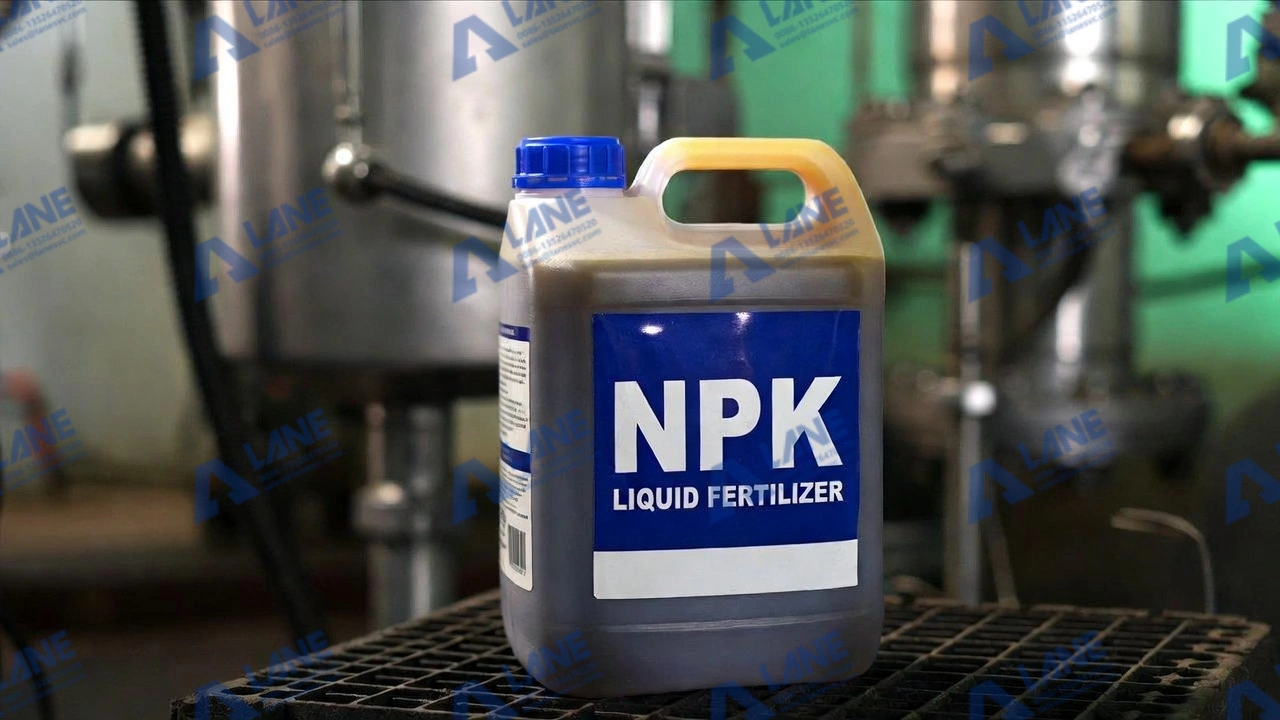
The best liquid fertilizer for greenhouse tomatoes always contains balanced NPK ratios adjusted by growth stage.
Calcium prevents blossom-end rot.
Blossom-end rot can reduce yield by 10–20%. Maintaining calcium at 150–200 ppm prevents this issue.
Liquid calcium nitrate solutions are commonly used in fertigation.
Magnesium supports chlorophyll production. Iron, zinc, manganese, copper, and boron are required in small but critical amounts.
Micronutrient chelation (such as EDTA-chelated Fe 6%) improves absorption efficiency.
| Growth Stage | Recommended NPK Ratio |
| Seedling | 2-1-2 |
| Vegetative | 3-1-2 |
| Flowering | 2-1-3 |
| Fruiting | 1-1-2 or 1-1-3 |
Adjusting ratios is part of using the best liquid fertilizer for greenhouse tomatoes correctly.
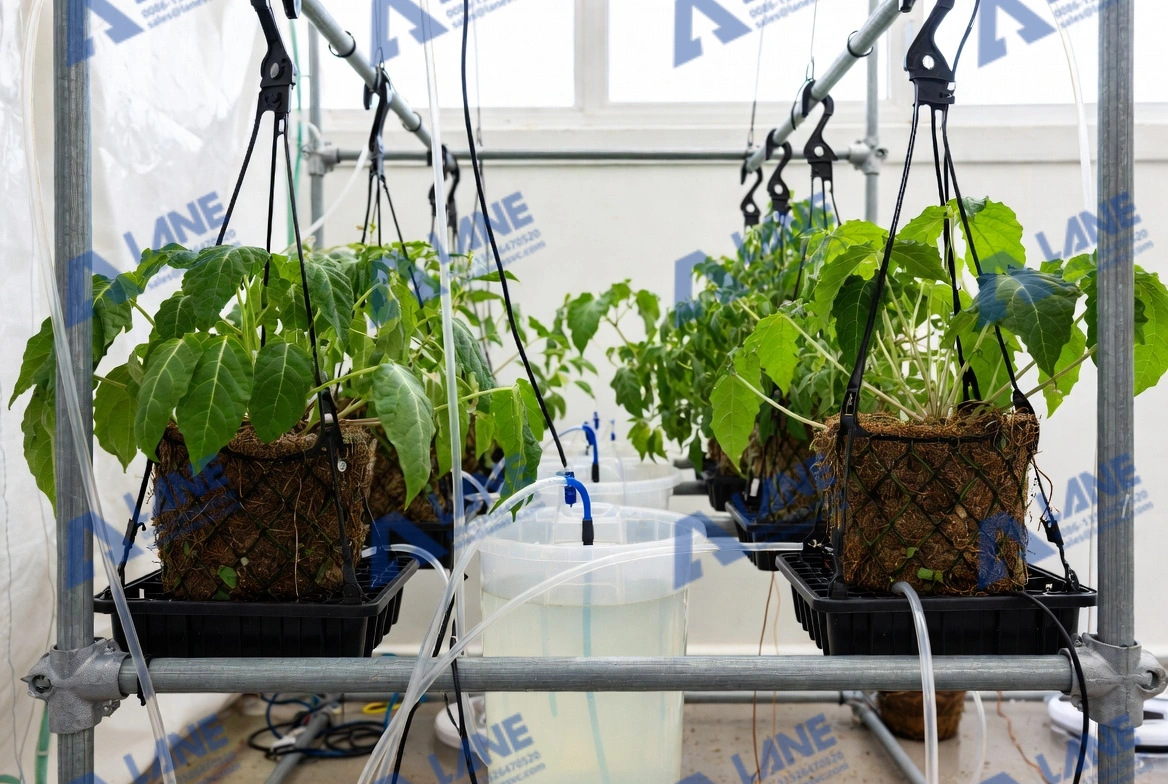
Most greenhouses use drip irrigation combined with a fertilizer injection system.
Common equipment includes:
In modern systems, injection accuracy can reach ±1%.
Daily irrigation volume per plant ranges from 1.5 to 3 liters, depending on weather and growth stage.
The best liquid fertilizer for greenhouse tomatoes must dissolve completely and remain stable without sediment.
Location: Mediterranean climate
Greenhouse size: 10,000 m²
Variety: Cluster tomato
Before Optimization:
After Switching to Optimized Liquid Fertilizer Program:
This example shows how the best liquid fertilizer for greenhouse tomatoes directly increases profitability.
Quality fertilizer starts with professional production.
Modern liquid fertilizer production lines include:
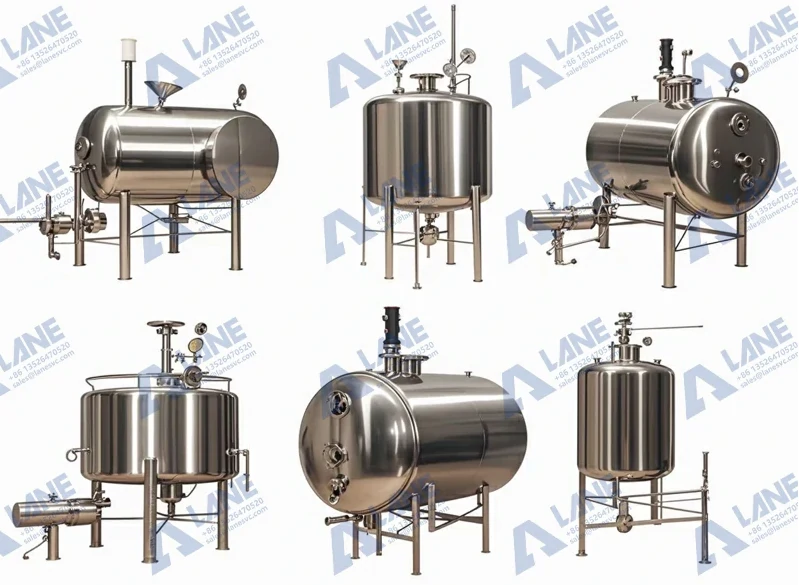
Stainless steel dissolution tank (5–20 m³ capacity)
High-speed agitator (30–60 rpm)
Heating system (optional, 40–60°C)
This ensures complete dissolution of urea, potassium nitrate, monoammonium phosphate, and micronutrients.
PLC-controlled batching ensures ±0.5% dosing accuracy.
Load cell systems measure raw materials precisely.
Consistency is key to producing the best liquid fertilizer for greenhouse tomatoes.
Multi-stage filtration (80–120 mesh filters) removes insoluble particles.
This protects drip irrigation emitters from clogging.
Stable packaging maintains nutrient concentration.
As a company with 20 years of experience, we specialize in customized liquid fertilizer production lines.
We understand what makes the best liquid fertilizer for greenhouse tomatoes. It is not only about formula. It is also about equipment precision and production stability.
Our company provides:
We help customers produce organic fertilizers, compound fertilizers, and liquid fertilizers efficiently.
Our stainless steel mixing reactors, automatic batching systems, and intelligent control cabinets ensure stable output and consistent quality.
From design to installation, we offer one-stop service.
We focus on precision.
We focus on durability.
We focus on long-term cooperation.
Choosing the best liquid fertilizer for greenhouse tomatoes avoids these risks.
Both types are used in greenhouses.
Organic liquid fertilizers improve soil structure and microbial life.
Synthetic fertilizers provide fast and precise nutrition.
Many growers use a combination approach.
For organic certification, ensure compliance with local agricultural standards.
Let’s compare numbers.
Average greenhouse production cost:
$12–18 per m²
Fertilizer cost share:
8–15% of total cost
If improved fertilizer increases yield by 5 kg/m² and market price is $1.2/kg:
Extra income = $6 per m²
For 10,000 m² greenhouse = $60,000 additional revenue
This shows why investing in the best liquid fertilizer for greenhouse tomatoes is financially smart.
Liquid fertigation reduces nutrient runoff by 30–50%.
Lower nitrogen loss reduces groundwater pollution.
Precise feeding also reduces fertilizer waste.
Sustainable agriculture is becoming more important worldwide.
Q1: How often should I apply liquid fertilizer?
Usually daily through fertigation. Adjust concentration, not frequency.
Q2: What EC level is ideal?
1.8–2.5 mS/cm for vegetative stage.
2.5–3.5 mS/cm for fruiting stage.
Q3: Can I produce my own liquid fertilizer?
Yes. With a professional liquid fertilizer production line including dissolution tanks, batching systems, and filtration units, you can ensure stable quality.
Q4: How long can liquid fertilizer be stored?
6–12 months if stored in sealed containers away from sunlight.
Greenhouse tomatoes are high-value crops. They require precision nutrition.
The best liquid fertilizer for greenhouse tomatoes improves yield, fruit quality, and profit. It supports strong roots, healthy leaves, and sweet fruits.
With accurate nutrient ratios, stable production processes, and professional equipment, growers can achieve consistent results season after season.
If you are planning to invest in liquid fertilizer production, we are ready to support you with customized solutions, certified equipment, and long-term service.
Better nutrition.
Better tomatoes.
Better profits.
For more details, please feel free to contact us.
Henan Lane Heavy Industry Machinery Technology Co., Ltd.
Email: sales@lanesvc.com
Contact number: +86 13526470520
Whatsapp: +86 13526470520
Leave a Comment
Latest Posts
LANE has more than 500 successful cases and is committed to providing customers with first-class solutions, high-end machinery and equipment, and one-stop pre-sales, sales and after-sales comprehensive customer service.