

Beet Pulp Liquid Fertilizer Production Made Simple
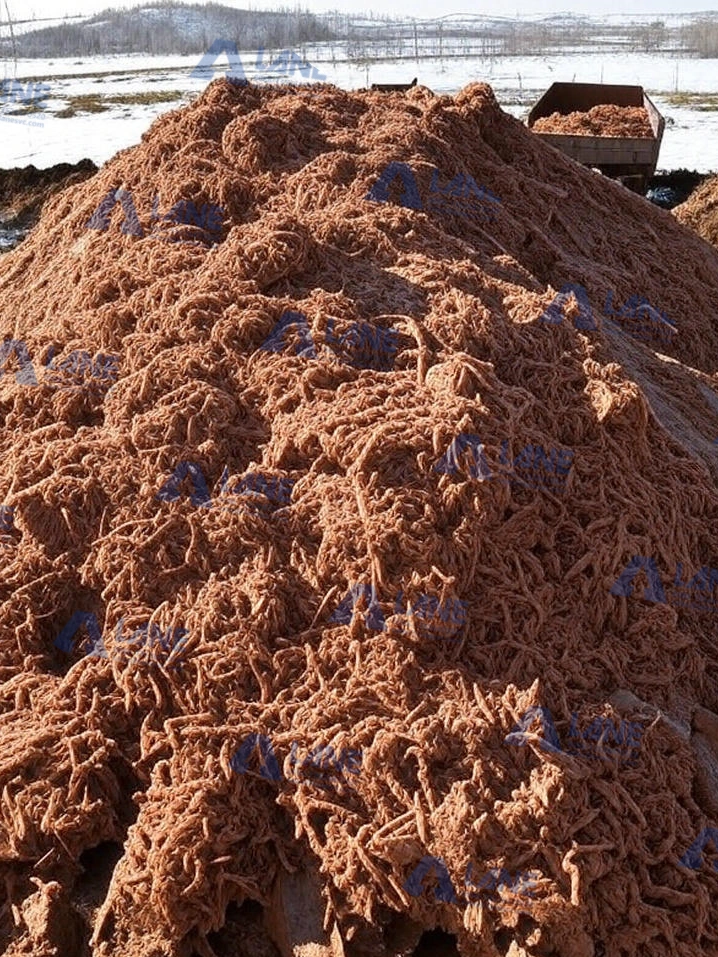
Beet pulp, the fibrous residue left after sugar extraction, is often undervalued in the agricultural supply chain. Yet it holds remarkable potential for fertilizer manufacturers looking for sustainable, organic, and profitable options. In recent years, beet pulp liquid fertilizer production has moved from a niche concept to a mainstream industrial choice, allowing producers to convert a low-cost by-product into a high-value agricultural input.
Its organic carbon, soluble sugars, minerals, and natural fiber structure make beet pulp an ideal material for fermentation-based nutrient extraction. This nutrient density explains why many fertilizer factories and sugar-processing plants are establishing dedicated production lines to turn beet pulp into liquid fertilizer.
The transformation begins the moment beet pulp enters the production area. Because raw pulp is bulky and fibrous, the first step of beet pulp liquid fertilizer production is mechanical size reduction. Crushing or pulping machines reduce the material to smaller particles, improving its reactivity during hydrolysis and fermentation.
Once crushed, the pulp is transferred to a stainless steel mixing tank. This equipment plays a vital role: it allows operators to blend water, additives, or enzymes into the pulp while ensuring stable consistency. High-strength mixing paddles continuously rotate, preventing sedimentation and creating a uniform slurry. A well-mixed slurry ensures that the next stage—hydrolysis—can proceed efficiently.
After mixing, the slurry is heated and stirred to break down cellulose and hemicellulose. Some manufacturers introduce enzyme solutions to speed up the transformation. Inside the heated section of the processing line, the beet pulp structure begins to soften, releasing sugars and organic acids. This step directly influences the success of beet pulp liquid fertilizer production, because a well-hydrolyzed slurry ensures smoother fermentation and better nutrient extraction.
Vertical Fermentation: The Core of Liquid Fertilizer Manufacturing
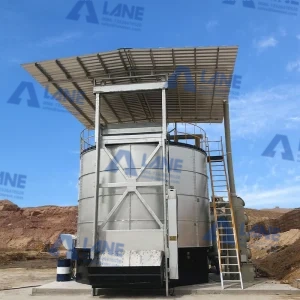
Once hydrolysis is complete, the slurry is pumped into a vertical fermentation tank—one of the most important pieces of equipment in the entire line. Vertical fermenters are specifically designed for biological reactions requiring:
The tall structure allows natural convection currents to develop, ensuring that microorganisms distribute evenly throughout the liquid. During fermentation, microbes digest beet pulp fibers, releasing amino acids, organic acids, sugars, and beneficial metabolites.
The vertical fermentation tank gives producers full control over the pace and intensity of fermentation. This helps guarantee batch-to-batch consistency, which is critical for commercial beet pulp liquid fertilizer production.
To further enhance the fertilizer, many producers add ingredients such as humic acid, seaweed extract, trace minerals, or plant-derived amino acids directly into the fermenter. These additions turn basic beet pulp liquid into a high-quality agricultural product with broader market appeal.
After the fermentation stage, the liquid fertilizer contains beneficial microbes but may also hold unwanted microorganisms. To ensure product quality, the liquid is passed through a UV sterilizer, a compact device that uses ultraviolet light to inactivate harmful bacteria without altering the chemical composition of the fertilizer.
UV sterilization is increasingly adopted in beet pulp liquid fertilizer production because it is safe, chemical-free, and effective. It prevents spoilage during storage and ensures the product meets agricultural safety standards.
Even after fermentation and sterilization, residual solids remain suspended in the liquid. To achieve a clean, clog-free fertilizer suitable for drip irrigation and foliar application, manufacturers use a dual filter (dual filtration system).
This system typically includes:
Primary filtration
Removes coarse solids released during fermentation.
Fine filtration
Captures smaller particles, producing a smooth and stable liquid.
A reliable double filter ensures that the final product passes through irrigation systems without blockage—a key requirement in commercial agriculture. The clarity and purity delivered by this filtration step are essential to premium-grade beet pulp liquid fertilizer production.
Once filtration is complete, the liquid fertilizer is pumped into a stainless steel storage tank. Stainless steel is preferred because it is:
Inside the tank, the fertilizer remains protected from contamination. Temperature control options can further prevent microbial overgrowth. These tanks allow producers to store the liquid safely before packaging or transferring it into transport containers.
For producers scaling up beet pulp liquid fertilizer production, large-volume storage tanks are essential to maintaining consistent supply for commercial customers.
Packaging: Ready for Commercial Use
After storage, the fertilizer is transferred to automatic filling machines that package it into:
The packaging stage marks the final step before distribution. High-quality packaging not only prevents contamination but also provides convenient transport and user-friendly application for farmers.
As more producers explore sustainable inputs, the advantages of beet-pulp-derived fertilizer are becoming widely recognized.
Faster nutrient absorption
Liquid fertilizers deliver nutrients directly through leaves or roots.
Better soil structure
Organic acids enhance microbial life and long-term soil improvement.
Application flexibility
Suitable for spraying, irrigation systems, and greenhouse production.
Low-cost raw material
Beet pulp is inexpensive and readily available, especially near sugar factories.
Eco-friendly production
The process reduces waste and supports circular agriculture.
These benefits help explain why beet pulp liquid fertilizer production is considered one of the most promising growth areas in the organic fertilizer sector.
For companies entering this industry, selecting a reliable equipment manufacturer is essential. LANE Machinery, with over twenty years of experience in designing and manufacturing fertilizer equipment, offers complete production lines tailored to beet pulp liquid fertilizer production.
LANE’s strengths include:
A professional engineering team capable of customizing plant design
ISO 9001 and CE standards, ensuring international quality excellence
Turnkey services, including installation, commissioning, and operator training
Reliable after-sales support, covering maintenance, troubleshooting, and upgrades
Direct factory pricing, giving customers cost-effective solutions
Strong expertise in organic fertilizer, NPK lines, and compound fertilizer systems
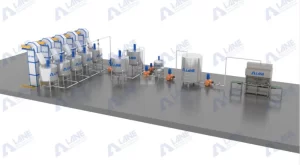
From the stainless steel mixing tank to the vertical fermenter, UV sterilizer, double filter, and storage tanks, LANE can supply every component required for a fully integrated liquid fertilizer production line.
The shift toward organic agriculture is accelerating. Farmers want efficient, eco-friendly fertilizers that work with modern irrigation systems. Beet pulp meets all these needs while offering manufacturers a profitable opportunity to convert industrial by-products into valuable products.
With the right technology and guidance, beet pulp liquid fertilizer production can become a stable, scalable, and environmentally responsible business. Supported by LANE Machinery’s advanced equipment and engineering expertise, producers can confidently build a high-performance production line that meets market demand and delivers long-term profitability.
For more details, please feel free to contact us.
Henan Lane Heavy Industry Machinery Technology Co., Ltd.
Email: sales@lanesvc.com
Contact number: +86 13526470520
Whatsapp: +86 13526470520
Leave a Comment
Latest Posts
LANE has more than 500 successful cases and is committed to providing customers with first-class solutions, high-end machinery and equipment, and one-stop pre-sales, sales and after-sales comprehensive customer service.