
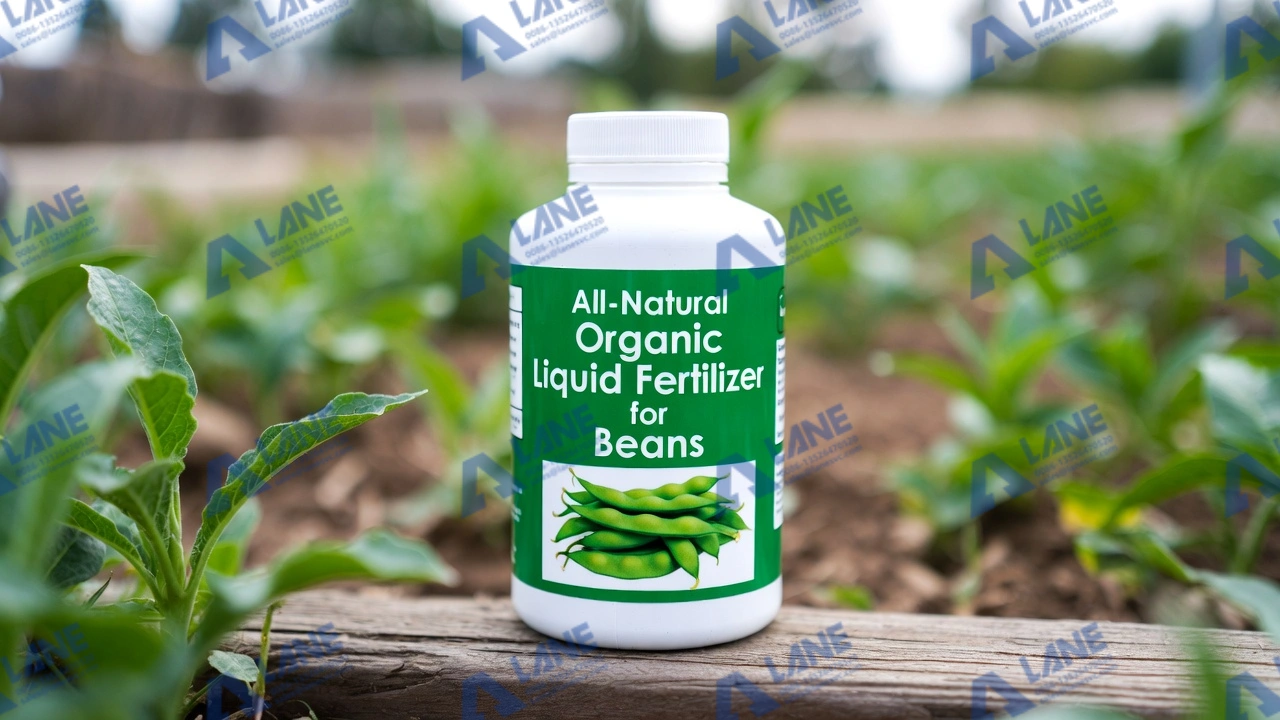
Best Practices for All-natural organic liquid fertilizer for beans: Formulation for Producers and Application Tips for Growers
Table of Contents
Beans, such as soybeans, green beans, and kidney beans, are an essential staple crop worldwide. They are valued for their protein content and adaptability to various growing conditions. On the other hand, organically produced food is becoming popular day by day. Beans also need fertilizer for increased yield and quality, and choosing the right fertilizer is critical. This is where all-natural organic liquid fertilizer for beans has emerged as a preferred choice for commercial producers and home growers. This type of fertilizer avoids synthetic chemicals, enriches soil health, and promotes bean growth without harmful residues.
This article provides complete detailed insights into producing and applying all-natural organic liquid fertilizer for beans and highlights the role of LANE Heavy Industry’s advanced production line in ensuring consistent, reliable fertilizer production.
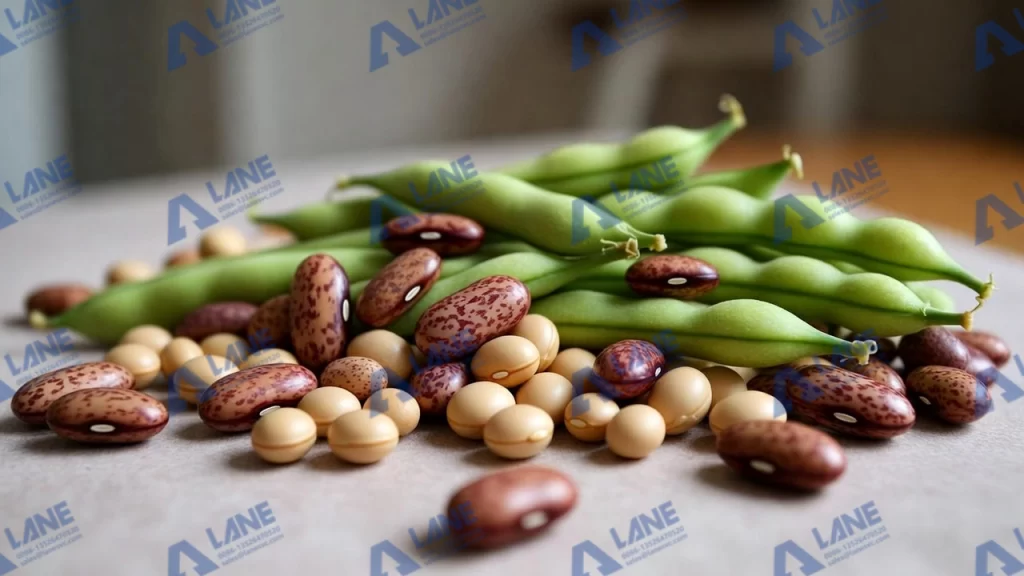
People are more interested in organically produced food. This growing shift has given rise to sustainable and eco-friendly farming practices. All-natural organic liquid fertilizer for beans is preferred by growers because it enhances soil health and provides a balanced supply of essential nutrients without harming the environment. Unlike chemical fertilizers, organic liquid fertilizers nourish the soil, improve microbial activity, and ensure beans grow healthy.
Using all-natural organic liquid fertilizer for beans increases bean yields, improves flavor, and reduces the environmental impact of agricultural practices. It aligns with the growing consumer preference for chemical-free food production.
Key Ingredients
The formulation of all-natural organic liquid fertilizer for beans requires selecting organic ingredients that provide beans with the essential nutrients. The key ingredients include:
Organic Sources of Nutrients
Producers can source these nutrients from organic materials such as:
Steps to Formulate the Fertilizer
By creating all-natural organic liquid fertilizer for beans, producers can provide an eco-friendly, sustainable fertilizer that benefits the soil and the plants.
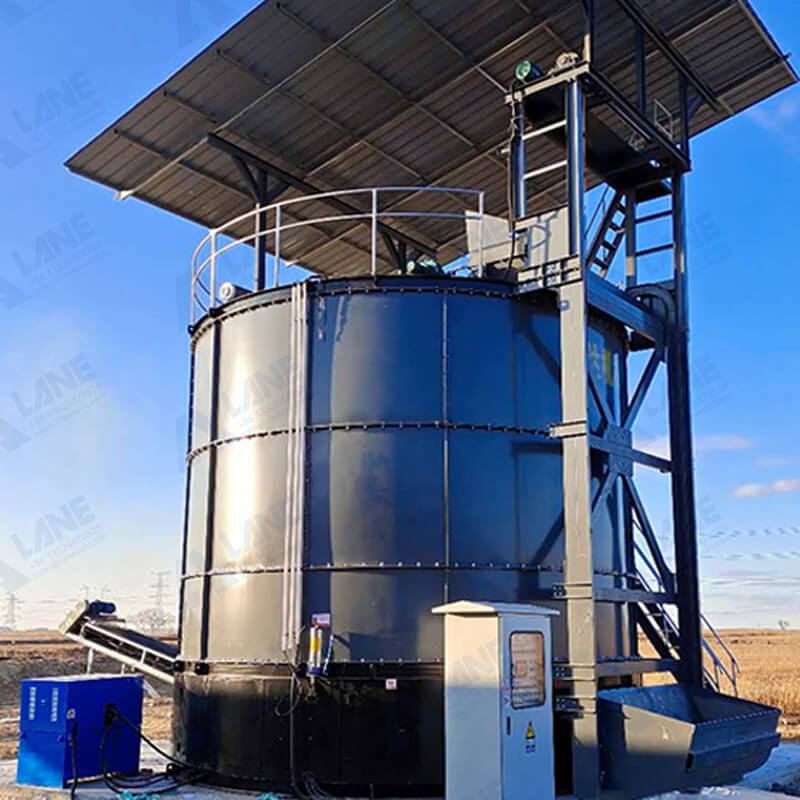
LANE Heavy Industry is a leading manufacturer of fertilizer machinery. LANE Heavy Industry plays a crucial role in making the production of all-natural organic liquid fertilizer for beans efficient and cost-effective. The machines designed for mixing, fermenting, and bottling fertilizers can handle large-scale production with minimal manual intervention.
Our machines ensure proper blending of ingredients, effective fermentation control, and efficient filtration. Our system helps producers scale up their operations while maintaining fertilizer consistency and quality.
LANE Heavy Industry’s machinery reduces labor costs and production time. This makes it an ideal choice for large producers aiming to meet the growing demand for organic fertilizers.
Applying all-natural organic liquid fertilizer for beans correctly is critical to ensuring proper growth. Here is a guide for successful application:
Timing of Application
The best times to apply fertilizer for beans are during the early growth stages, before flowering, and during the pod development phase. Applying too late in the growing cycle can cause excessive vegetative growth without enhancing pod formation.
Methods of Application
Recommended Dosage
A typical dosage for all-natural organic liquid fertilizer for beans is about 1–2 gallons per acre. The fertilizer must be diluted in water. The exact amount may vary based on the soil quality, bean variety, and growth stage. Always conduct a soil test to tailor the fertilizer application accordingly.
The use of all-natural organic liquid fertilizer for beans provides several key benefits, including:
There are some common mistakes that growers should avoid when applying the fertilizer:
All-natural organic liquid fertilizer for beans is a sustainable, effective solution for maximizing bean yield and quality while protecting soil health and the environment. For producers, using high-quality raw materials, balancing nutrients, and microbial fermentation is the key to creating a superior product. Producers can rely on LANE Heavy Industry’s machinery to streamline fertilizer production, making it easier to meet the growing demand for organic fertilizers.
The amount depends on factors like soil quality, bean variety, and the growth stage of your plants. Generally, 1–2 gallons per acre, diluted in water, is recommended, but soil testing can help tailor the dosage.
Yes, you can! Homemade liquid fertilizers using compost tea, fish emulsion, and seaweed extracts are effective. Be sure to mix the ingredients in the right proportions to provide balanced nutrients.
Apply all-natural organic liquid fertilizer for beans during key growth stages: early growth, pre-flowering, and during pod development. Fertilizer should be applied every 3–4 weeks during the growing season.
Yes, using all-natural organic liquid fertilizer for beans can enhance flavor, as the plants are nourished naturally without synthetic chemicals, resulting in a more robust taste.
Yes, organic liquid fertilizers can be used for various crops, though the nutrient needs of each plant may vary. Always check specific recommendations for each crop.
For more details, please feel free to contact us.
Henan Lane Heavy Industry Machinery Technology Co., Ltd.
Email: sales@lanesvc.com
Contact number: +86 13526470520
Whatsapp: +86 13526470520
Leave a Comment
Latest Posts
LANE has more than 500 successful cases and is committed to providing customers with first-class solutions, high-end machinery and equipment, and one-stop pre-sales, sales and after-sales comprehensive customer service.