

How to Set Up an Algae Fertilizer Production Line Step by Step
The algae fertilizer production line represents one of the most innovative methods in the modern organic fertilizer production sector. This technology converts marine algae resources into nutrient-rich fertilizers, providing a sustainable alternative to traditional chemical fertilizers. Algae, particularly seaweed and microalgae, are rich in nitrogen, phosphorus, potassium, amino acids, and bioactive compounds, and can naturally promote plant growth.
As global agriculture transitions to a green circular production system, the demand for environmentally friendly fertilizers is rapidly increasing. The algae fertilizer production line not only provides an effective recycling solution for marine biomass but also enhances soil fertility and crop yields without causing environmental pollution. As a professional manufacturer of organic fertilizer processing systems, LANE has developed a complete solution for algae fertilizer production lines, covering all aspects from raw material preparation to mixing, filtration and automatic filling.
Algae fertilizers are extracted from large algae and microalgae through processes such as mechanical extraction, enzymatic hydrolysis, and mixing. These fertilizers are rich in minerals, vitamins, polysaccharides, and natural plant hormones, such as auxins, gibberellins, and cytokinins. The final product can enhance plant resistance, promote root development, and help increase yield and quality.
Unlike traditional petroleum-based chemical fertilizers, algae fertilizers are completely biodegradable and can improve soil structure over the long term. Farmers can reduce their reliance on chemical inputs, lower soil salinization levels, and increase nutrient retention rates. From the perspective of sustainable development, the algae fertilizer production line can reduce carbon emissions and utilize renewable marine resources. These resources grow rapidly and do not occupy arable land or freshwater resources.
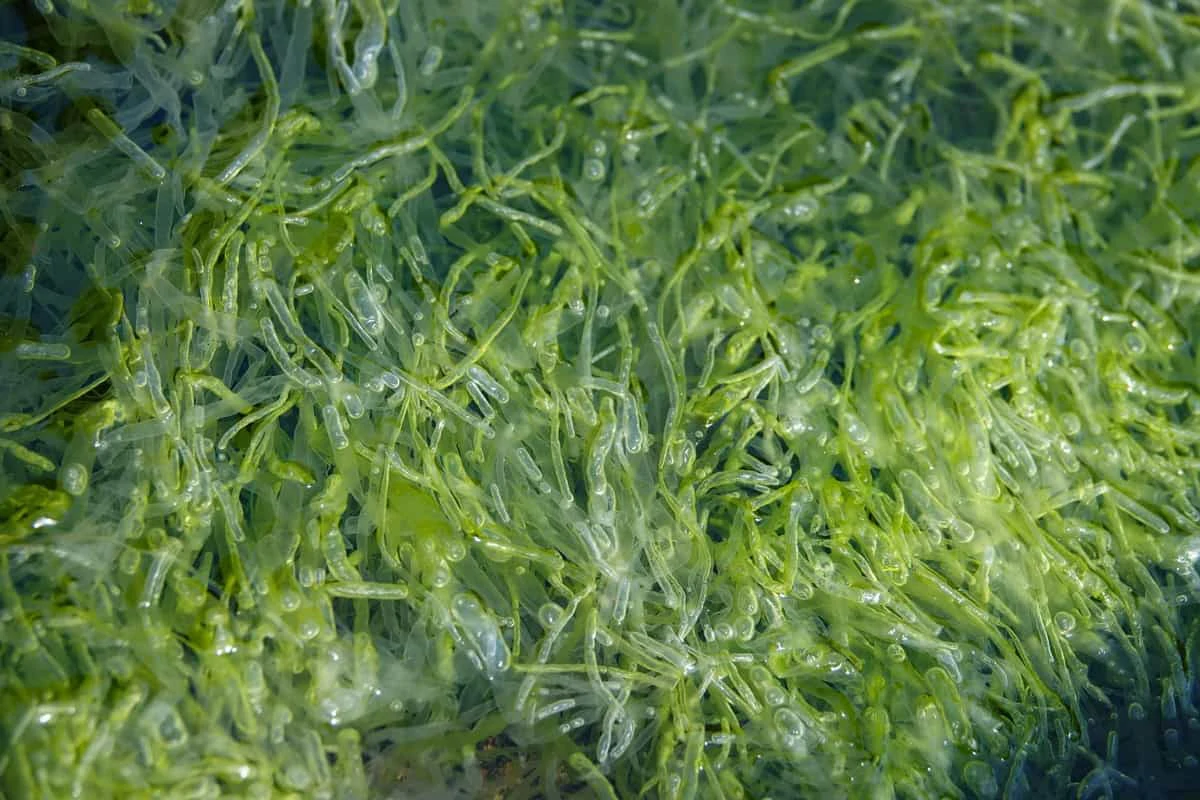
A complete algae-based fertilizer production line generally follows several key stages, similar in structure to other organic fertilizer lines but optimized for marine biomass.
1.Raw Material Preparation
The process begins with harvesting or purchasing dried seaweed, such as Sargassum, Ascophyllum nodosum, or Laminaria. The raw algae are cleaned, crushed, and mixed with water to form a slurry. This step removes salt and impurities, ensuring the quality of the end product.
2.Raw Material Mixing
The slurry is transferred into a raw material mixing tank, where enzymes or biological agents are added. Enzymatic hydrolysis helps release intracellular nutrients and beneficial compounds. LANE’s stainless steel mixing tanks are equipped with temperature and pH control systems, ensuring stable biochemical reactions.
3.Additive Blending
In the additive mixing tank, additional nutrients such as amino acids, humic acids, or trace elements are incorporated according to the desired formula. This blending step determines the fertilizer’s final nutrient balance and application characteristics.
4.Filtration and Purification
After mixing, the solution passes through a duplex filter system that removes insoluble residues. This ensures that the liquid fertilizer remains uniform and clog-free during storage and spraying.
5.Storage and Filling
The filtered fertilizer is stored in stainless steel tanks to maintain quality and prevent corrosion. The automatic filling machine packages the product into containers ranging from small bottles to large drums, depending on customer requirements.
6.Quality Testing
Each batch is tested for nutrient content, pH, density, and stability. LANE provides integrated testing equipment to monitor parameters in real time, ensuring consistent output and compliance with quality standards.
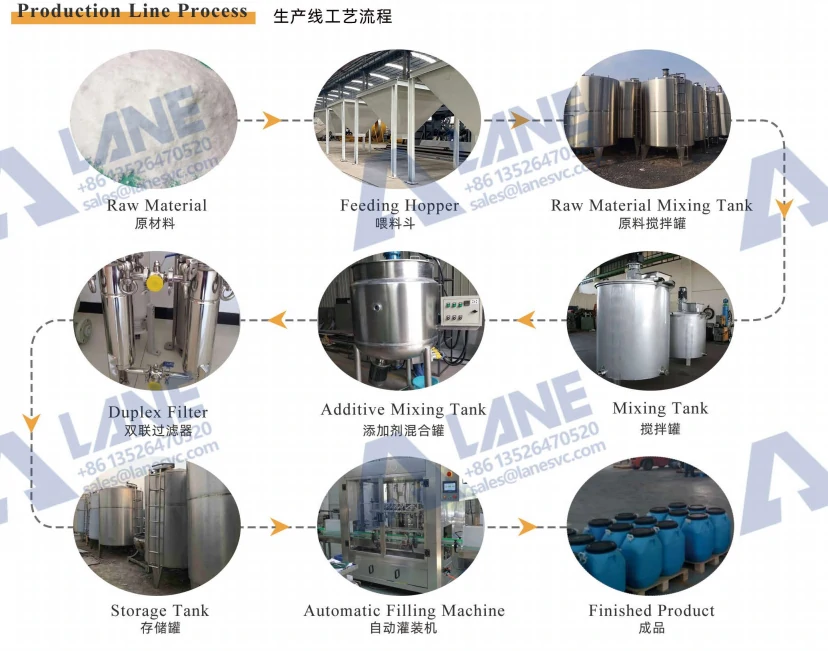
The design of the algae fertilizer production line is based on efficiency, hygiene, and durability. LANE integrates automation, precise control, and modular construction to optimize every step of the process.
Material Structure: All contact parts are made of SUS304 or SUS316L stainless steel for corrosion resistance.
Automation: PLC-controlled system with touch-screen interface for adjusting temperature, mixing time, and agitation speed.
Energy Efficiency: Optimized heating and mixing systems reduce power consumption and operating costs.
Scalability: The modular design allows customization from small-scale pilot plants to large industrial installations.
Maintenance and Safety: Each tank is equipped with safety valves, pressure sensors, and easy-access cleaning ports.
LANE’s engineering team tailors each production line according to raw material type, capacity, and regional climate, ensuring reliable performance in different working conditions.
In 2024, LANE delivered a 3-ton-per-hour algae-based liquid fertilizer production line to an agricultural enterprise in Indonesia. The customer aimed to convert local seaweed waste into commercial liquid fertilizer for vegetable and rice production.
The production line included:
Raw material crushing and feeding system
Dual-layer stainless steel mixing tanks
Duplex filtration
3,000 L storage system
Fully automatic filling and labeling
After three months of operation, the company achieved a 25% improvement in nutrient extraction efficiency and reduced manual labor by 40%. Farmers using the fertilizer reported better soil structure and faster plant growth. LANE’s engineering team provided on-site installation, training, and long-term technical support to ensure stable production and quality control.
LANE specializes in complete organic and compound fertilizer processing lines, including algae-based fertilizer production lines, compost systems, and liquid fertilizer equipment.
Key strengths include:
Over 15 years of experience in fertilizer machinery manufacturing.
Complete turnkey solutions from layout design to on-site installation.
In-house R&D for process optimization and formula development.
High-precision equipment ensuring consistent product quality.
Global after-sales service, with projects running successfully in more than 20 countries.
By combining advanced technology with reliable service, LANE helps customers transform organic waste into profitable and sustainable fertilizer products.
The algae-based fertilizer production line is more than a manufacturing system—it is a step toward sustainable agriculture and environmental responsibility. By transforming marine resources into valuable biofertilizers, this technology supports soil regeneration, reduces chemical dependency, and contributes to a circular agricultural economy.
LANE continues to lead innovation in the organic fertilizer industry by providing high-quality machinery, professional technical support, and long-term cooperation with clients worldwide. Through continuous improvement and commitment to sustainable solutions, LANE helps agricultural enterprises achieve both productivity and ecological balance.
For more details, please feel free to contact us.
Henan Lane Heavy Industry Machinery Technology Co., Ltd.
Email: sales@lanesvc.com
Contact number: +86 13526470520
Whatsapp: +86 13526470520
Leave a Comment
Latest Posts
LANE has more than 500 successful cases and is committed to providing customers with first-class solutions, high-end machinery and equipment, and one-stop pre-sales, sales and after-sales comprehensive customer service.