
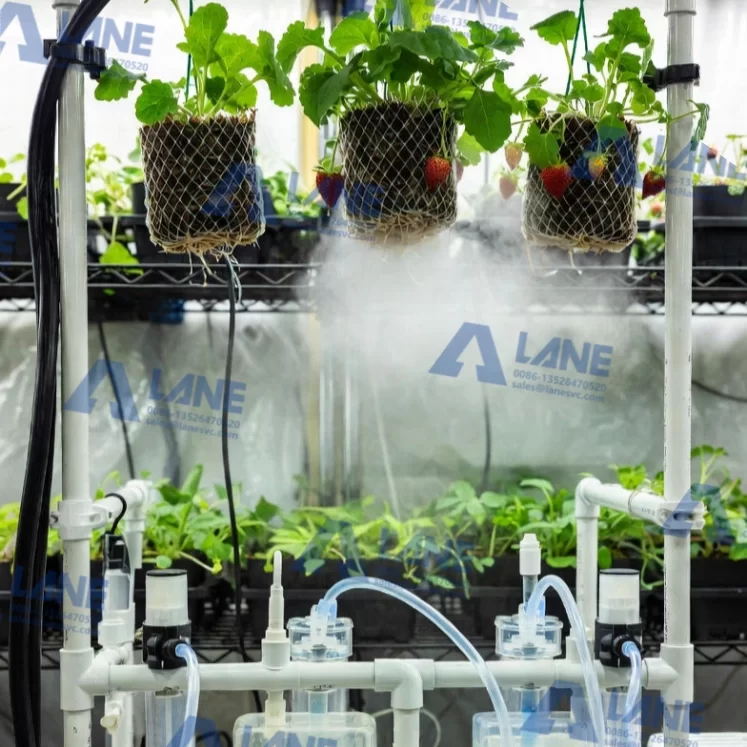
How to Produce 5tph Hydroponic Nutrient Solution: A Complete Guide to Equipment and Production Lines
Hydroponic farming is changing the way crops are grown. Instead of using soil, plants grow in water that contains essential nutrients. This method allows farmers to control plant nutrition more precisely and grow crops faster.
A key part of this system is the nutrient solution. It provides plants with all the minerals they need for healthy growth. As hydroponic agriculture grows, the demand for large-scale nutrient production has also increased.
Many fertilizer manufacturers now focus on producing 5tph hydroponic nutrient solution to supply commercial farms and greenhouse operations. This production capacity means the factory can produce five tons of nutrient solution per hour, ensuring stable supply for large agricultural operations.
In this article, we will explore what hydroponic nutrient solutions are, why they are important, how to produce a 5tph hydroponic nutrient solution, and what equipment is required for efficient production.
Hydroponic nutrient solution is a liquid mixture that contains all the nutrients plants normally obtain from soil. Since hydroponic systems do not use soil, these nutrients must be supplied through water.
The nutrient solution typically contains:
These nutrients dissolve in water and are delivered directly to plant roots. Because the nutrients are immediately available, plants can absorb them quickly.
For large hydroponic farms, consistent nutrient supply is critical. This is why fertilizer plants often produce 5tph hydroponic nutrient solution to meet the needs of modern agriculture.
Hydroponic nutrient solutions offer many advantages for growers.
Faster Plant Growth
Plants absorb nutrients directly from the solution. This allows them to grow faster compared to traditional soil farming.
Higher Crop Yields
Because nutrients are carefully controlled, plants receive optimal nutrition. This leads to higher productivity.
Water Efficiency
Hydroponic systems recycle water, which reduces water consumption significantly.
Better Nutrient Control
Farmers can adjust nutrient levels based on plant growth stages.
These benefits have increased the demand for commercial-scale production systems capable of producing 5tph hydroponic nutrient solution for farms and agricultural suppliers.
Producing a high-quality nutrient solution requires carefully selected raw materials. These materials must dissolve easily and maintain stable chemical properties.
Common raw materials include:
Each ingredient provides specific nutrients that plants need.
In the production of 5tph hydroponic nutrient solution, raw materials must be measured precisely to maintain the correct nutrient balance.
Large-scale production requires a systematic process. A 5tph hydroponic nutrient solution production line typically includes several steps.
Raw Material Preparation
Raw materials are stored and prepared before entering the production line. Each ingredient is weighed according to the formula.
Dissolving
Solid materials are added to water in dissolving tanks. Agitators help dissolve the materials completely.
Mixing
The dissolved solutions are transferred to mixing tanks. Here they are combined according to the required nutrient formula.
Filtration
The mixed solution passes through filters to remove particles or impurities.
Storage
The finished nutrient solution is stored in tanks before packaging or distribution.
With proper automation and equipment, a factory can produce 5tph hydroponic nutrient solution continuously with stable quality.
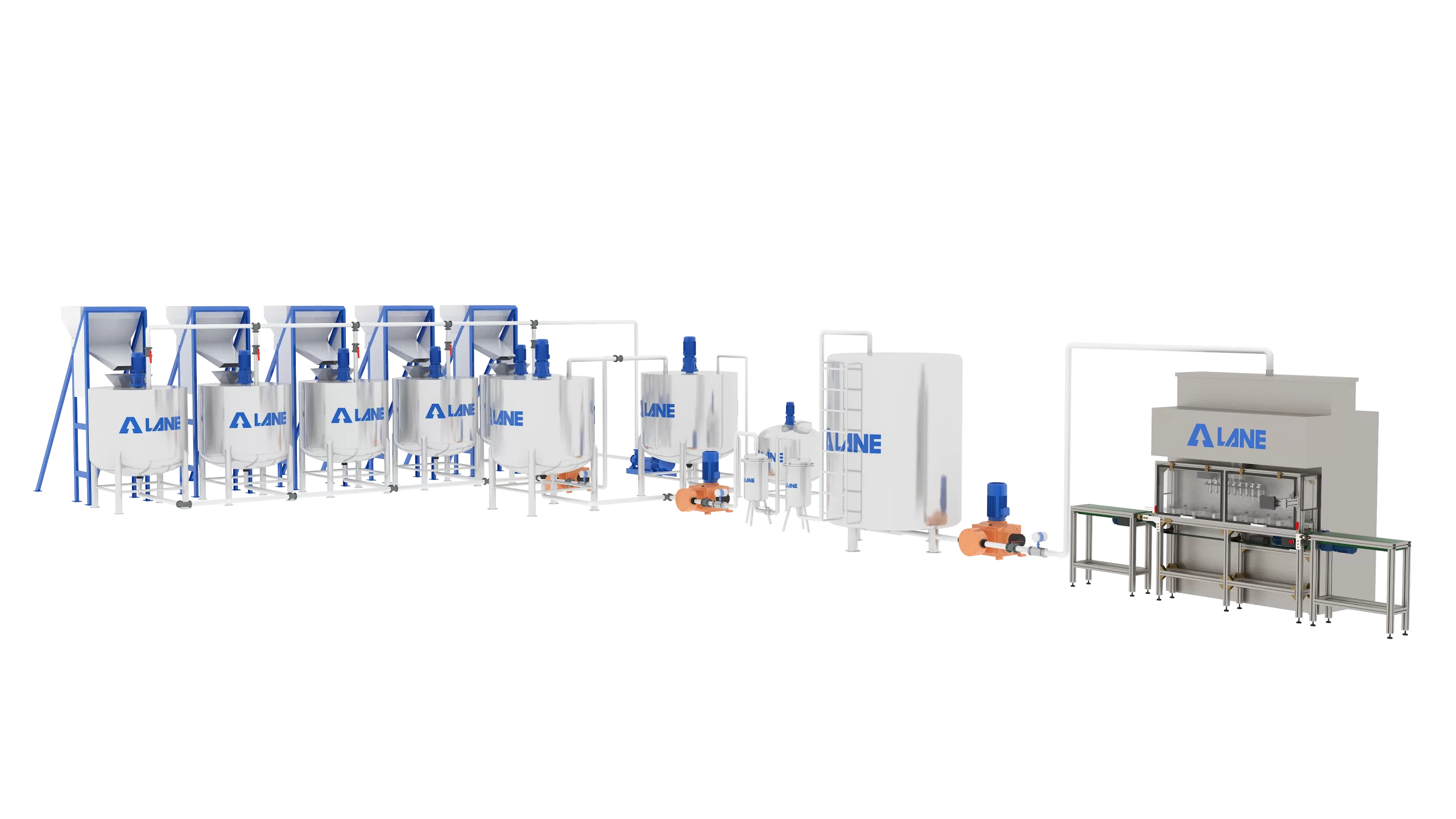
Producing a stable and efficient 5tph hydroponic nutrient solution requires several types of industrial equipment. Each piece of equipment plays a role in maintaining production efficiency and product quality.
The production process begins with storing raw materials safely. Storage systems include silos, powder bins, and liquid tanks.
Solid fertilizers are stored in sealed containers to prevent moisture absorption. Liquid nutrients are stored in corrosion-resistant tanks.
A well-organized storage system ensures raw materials remain stable before entering the production process.
Automatic Feeding and Dosing System
Accurate dosing is essential for hydroponic nutrient production. Plants require precise nutrient ratios.
The dosing system usually includes:
These machines move materials from storage to the mixing system and measure the exact quantities required.
In a 5tph hydroponic nutrient solution production line, automated dosing improves precision and reduces human error.
Many hydroponic nutrients are solid powders or crystals. These materials must be dissolved before mixing.
Dissolving tanks usually include:
Inside the tank, the agitator rotates continuously to help dissolve solid nutrients.
Some materials dissolve slowly, so controlled heating may be used to improve efficiency.
For large factories producing 5tph hydroponic nutrient solution, multiple dissolving tanks may be used to maintain continuous production.
After the raw materials are dissolved, the solutions are transferred to mixing tanks.
Mixing tanks are designed to combine different nutrient solutions into the final formula.
Typical features include:
The mixing process must ensure uniform distribution of nutrients throughout the liquid.
A well-designed mixing system is essential for producing consistent 5tph hydroponic nutrient solution.
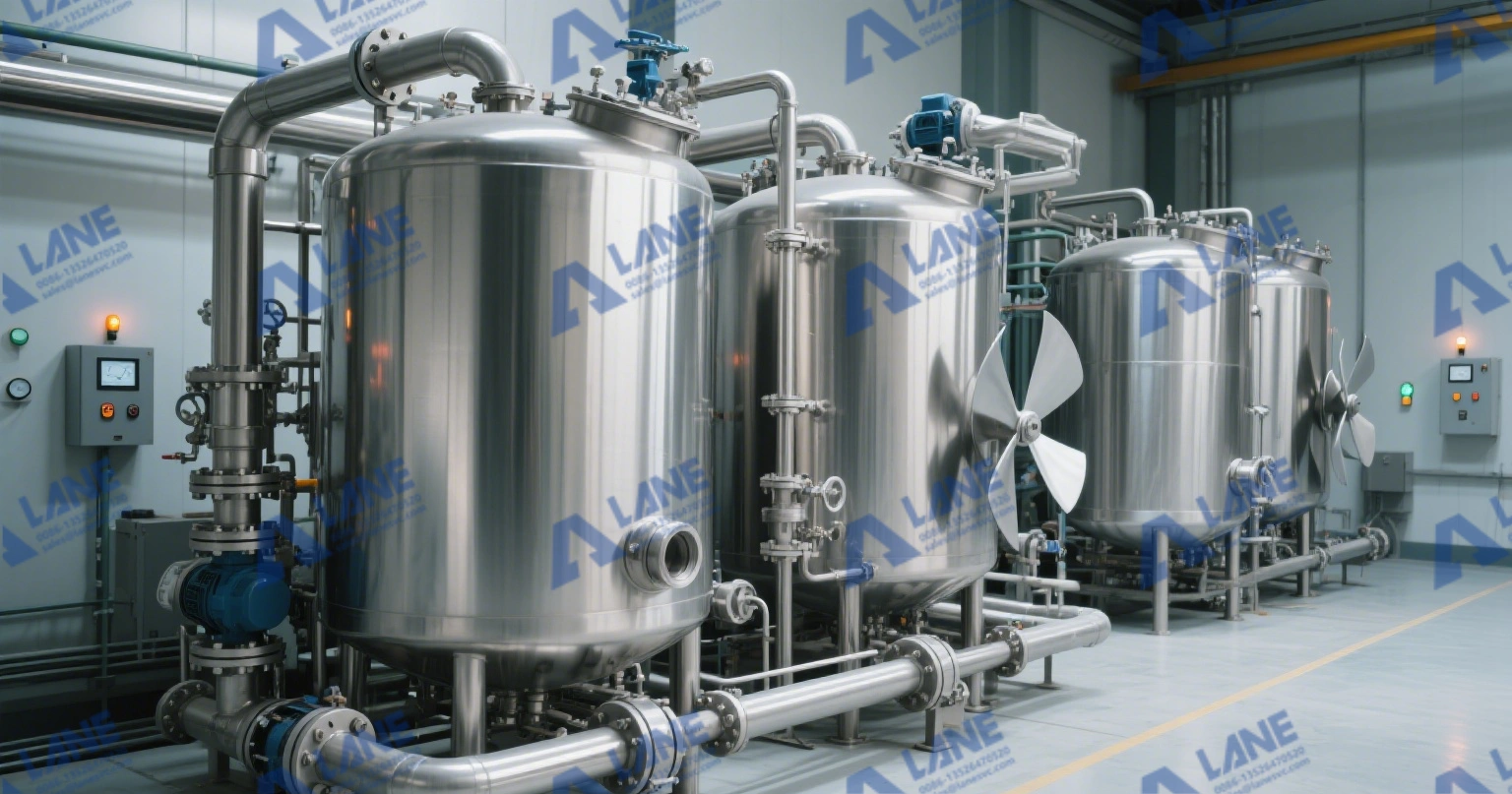
After mixing, the nutrient solution passes through filtration systems.
Filtration removes:
Common filtration equipment includes bag filters and cartridge filters.
Clean filtration is critical because hydroponic irrigation systems use small pipelines and drip emitters. Any particles can block these systems.
Therefore, filtration ensures the 5tph hydroponic nutrient solution remains clean and suitable for hydroponic farms.
A network of pumps and pipelines moves liquids between different parts of the production line.
Key components include:
These systems transport the solution from dissolving tanks to mixing tanks, filtration units, and storage tanks.
In a 5tph hydroponic nutrient solution production system, reliable pumps ensure smooth operation and continuous flow.
Modern production lines use automated control systems.
These systems monitor key parameters such as:
Operators can monitor the entire 5tph hydroponic nutrient solution production process through digital control panels.
Automation improves efficiency and ensures consistent product quality.
After filtration and quality inspection, the finished nutrient solution is transferred to storage tanks.
These tanks store the product before packaging or transportation.
They usually include:
In a 5tph hydroponic nutrient solution plant, multiple tanks may be used to store different formulas or batches.
At LANE, we have more than 20 years of experience in fertilizer production technology. Our company focuses on designing and manufacturing advanced fertilizer production lines.
We provide customized solutions for liquid fertilizers, including systems for producing 5tph hydroponic nutrient solution. Our engineering team works closely with clients to design production lines that match their capacity needs and factory layout.
Our equipment follows international quality standards such as ISO9001 and CE certification. We focus on reliable performance, efficient production, and long-term durability.
From project design to equipment installation, we provide complete technical support. Our services include production line planning, equipment manufacturing, on-site installation, and professional after-sales service.
By working with us, clients can build efficient fertilizer production systems and achieve stable large-scale production of hydroponic nutrient solutions.

Quality control is extremely important in hydroponic fertilizer production.
Factories must ensure every batch meets strict standards.
Key quality control steps include:
Filtration ensures the liquid solution is free of particles.
Factories producing 5tph hydroponic nutrient solution often use laboratory equipment to monitor product quality throughout the production process.
Hydroponic nutrient solutions are widely used in modern agriculture.
Greenhouse Vegetable Production
Many greenhouse farms use hydroponic systems to grow lettuce, tomatoes, cucumbers, and herbs.
Vertical Farming
Urban agriculture often relies on hydroponic systems to grow crops indoors.
Commercial Plant Nurseries
Plant nurseries use nutrient solutions to support fast seedling growth.
Agricultural Research
Research institutions use hydroponic systems to study plant nutrition.
These applications continue to drive demand for large-scale production such as 5tph hydroponic nutrient solution.
Hydroponic farming is expanding quickly around the world.
Several trends are shaping the future of nutrient solution production:
As demand increases, more companies will invest in advanced production systems capable of producing 5tph hydroponic nutrient solution or even larger volumes.
Conclusion
Hydroponic agriculture offers a modern solution for efficient crop production. By delivering nutrients directly through water, plants grow faster and produce higher yields.
The key to successful hydroponic farming is a reliable nutrient solution supply. Large-scale production systems allow fertilizer manufacturers to meet this demand.
A 5tph hydroponic nutrient solution production line combines advanced equipment, precise dosing systems, and automated control technology to ensure stable and efficient fertilizer production.
With the continued growth of hydroponic farming, nutrient solution production will play an increasingly important role in supporting global food production.
For more details, please feel free to contact us.
Henan Lane Heavy Industry Machinery Technology Co., Ltd.
Email: sales@lanesvc.com
Contact number: +86 13526470520
Whatsapp: +86 13526470520
Leave a Comment
Latest Posts
LANE has more than 500 successful cases and is committed to providing customers with first-class solutions, high-end machinery and equipment, and one-stop pre-sales, sales and after-sales comprehensive customer service.